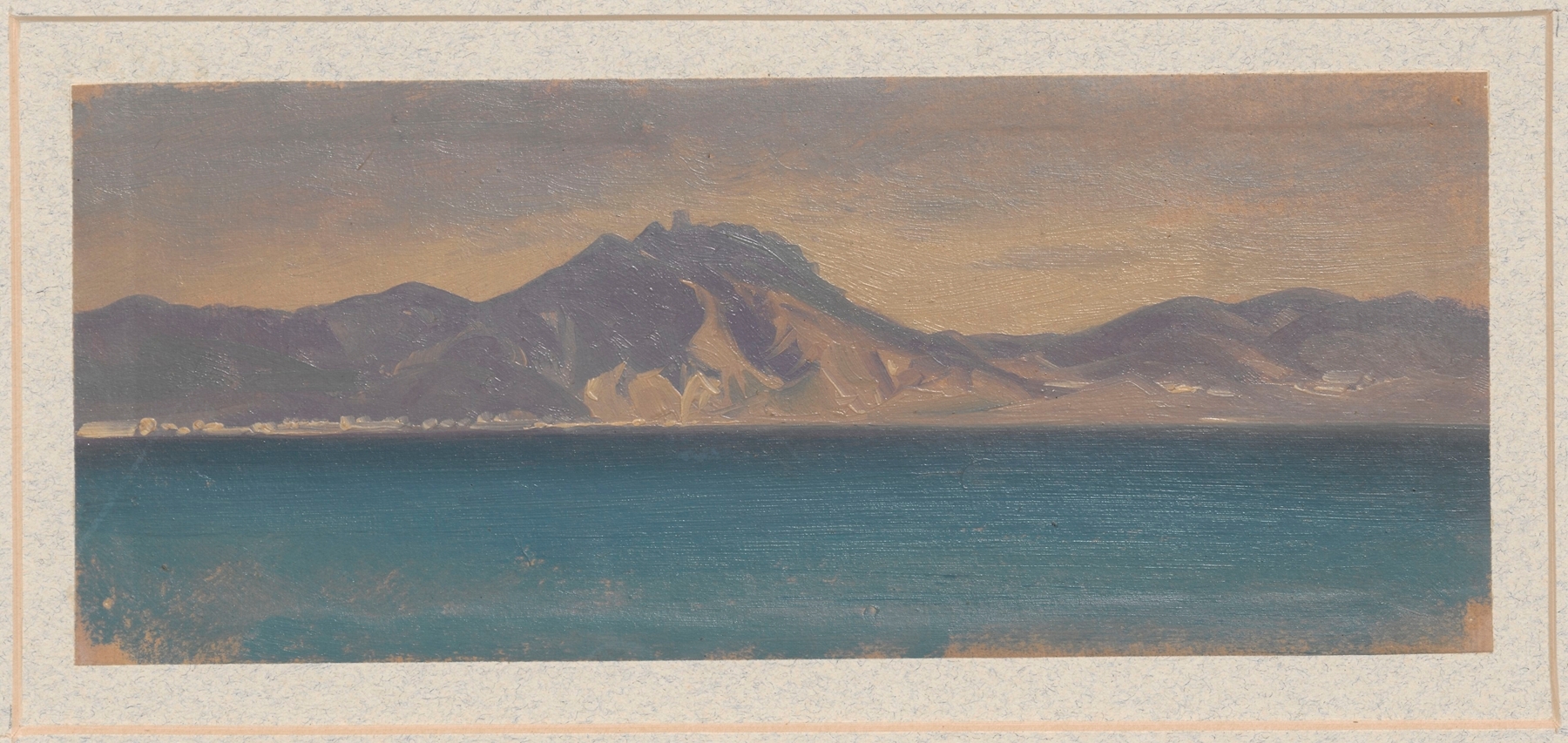
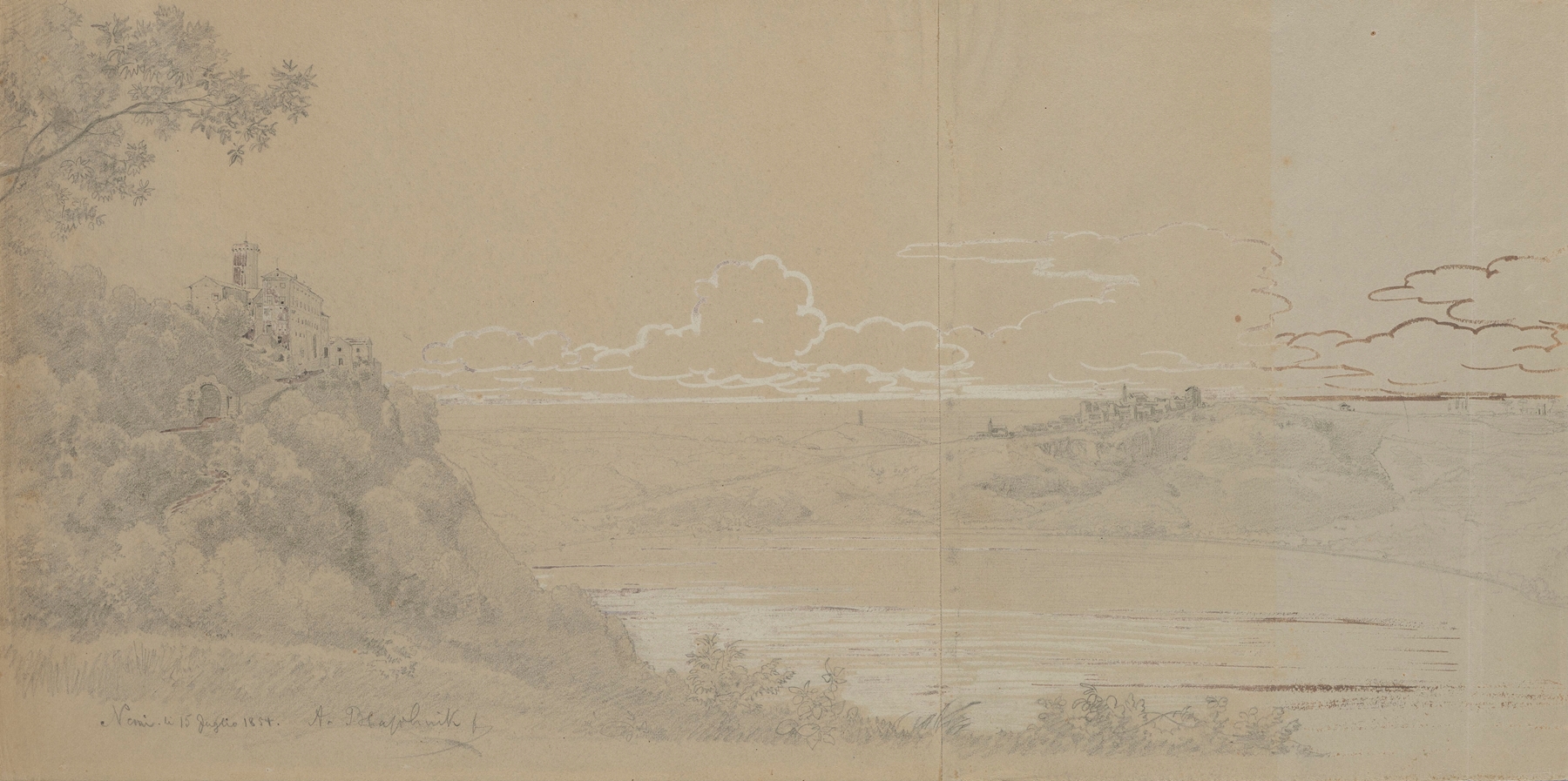
“Art reveals the soul when the world turns away.” Deep within the confines of the human heart, an obsession can flourish — an inexplicable draw towards beauty that compels creation. Look to the left, where the azure waves embrace the rocky shore, crashing against cliffs that rise majestically towards the sky. As your gaze travels across the canvas, the soft pastel hues evoke a sense of tranquility, while the vibrant greens of the island's foliage contrast against the deep blue of the sea. Each brushstroke captures the essence of a sun-drenched day, with light dancing upon the water's surface, inviting the viewer to lose themselves in the scenery. Yet, beneath this idyllic representation lies a poignant tension. The sheer cliffs, both inviting and imposing, symbolize the allure and isolation of obsession. The scattered clouds hint at an ephemeral quality, echoing the fleeting nature of beauty. In the distance, a solitary sailboat navigates the waters, embodying the struggle for balance between desire and reality, freedom and confinement; this contrast pulses within the painting, making it resonate deeply with the human experience. In 1857, amidst a burgeoning interest in the Romantic landscape, the artist explored Capri's enchanting vistas while living in Paris. The era was marked by an increasing fascination with nature and emotion in art, as well as a growing discourse on the tensions between the self and the sublime. During this time, Blaschnik's work reflected not only personal preoccupations but also the broader artistic dialogues swirling around the burgeoning ideas of beauty and obsession.