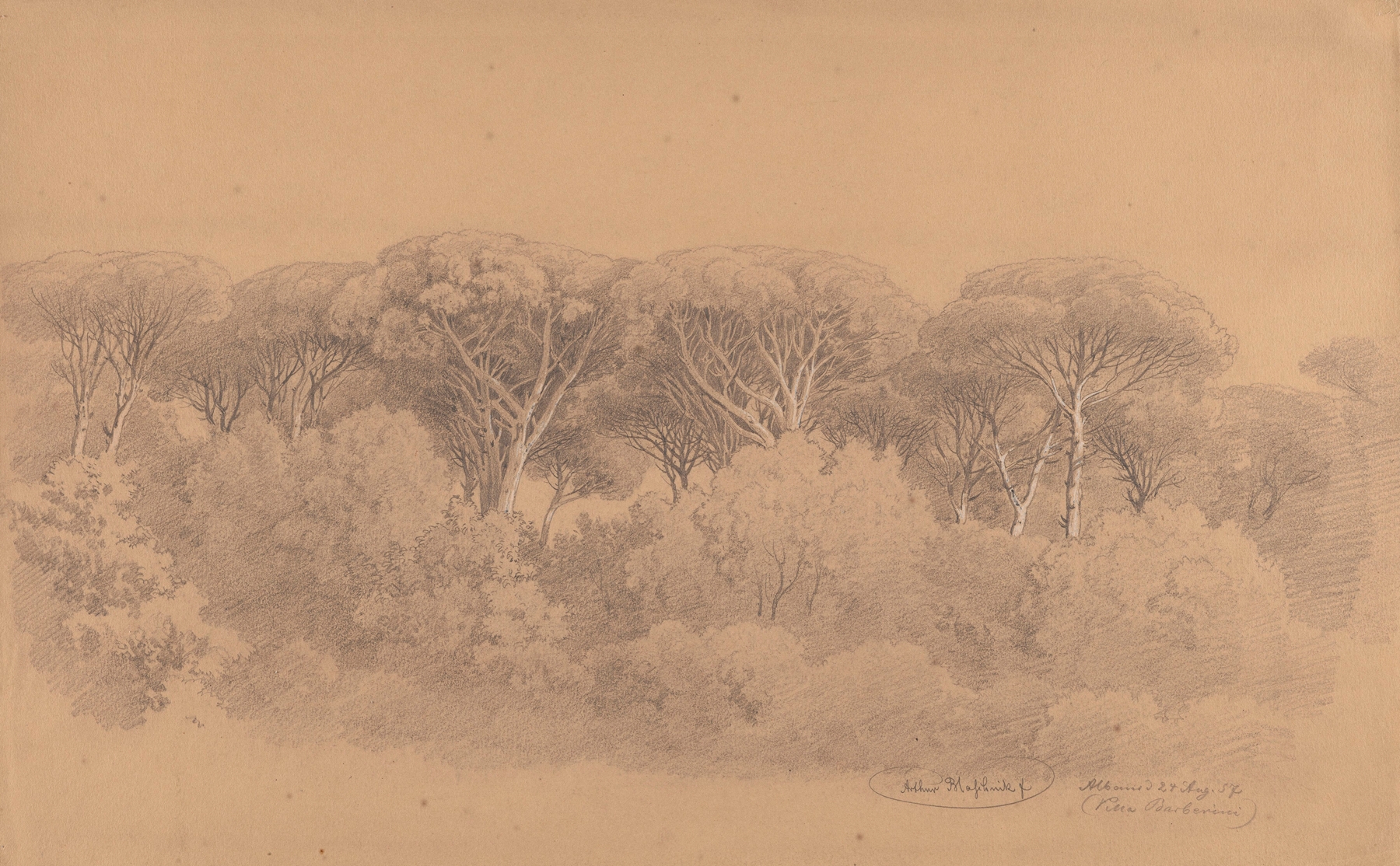
View of Monte Testaccio in Rome — History & Analysis
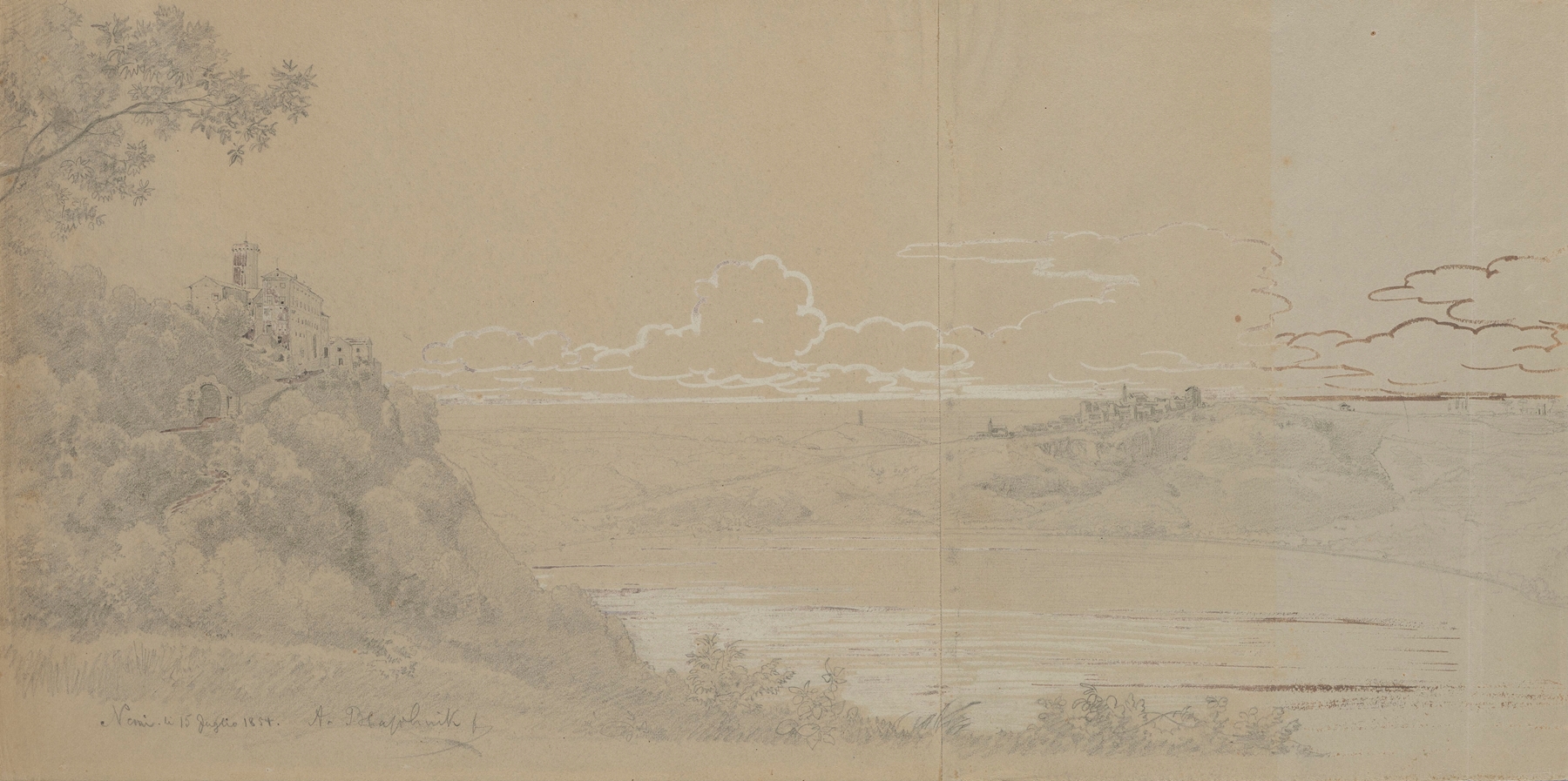
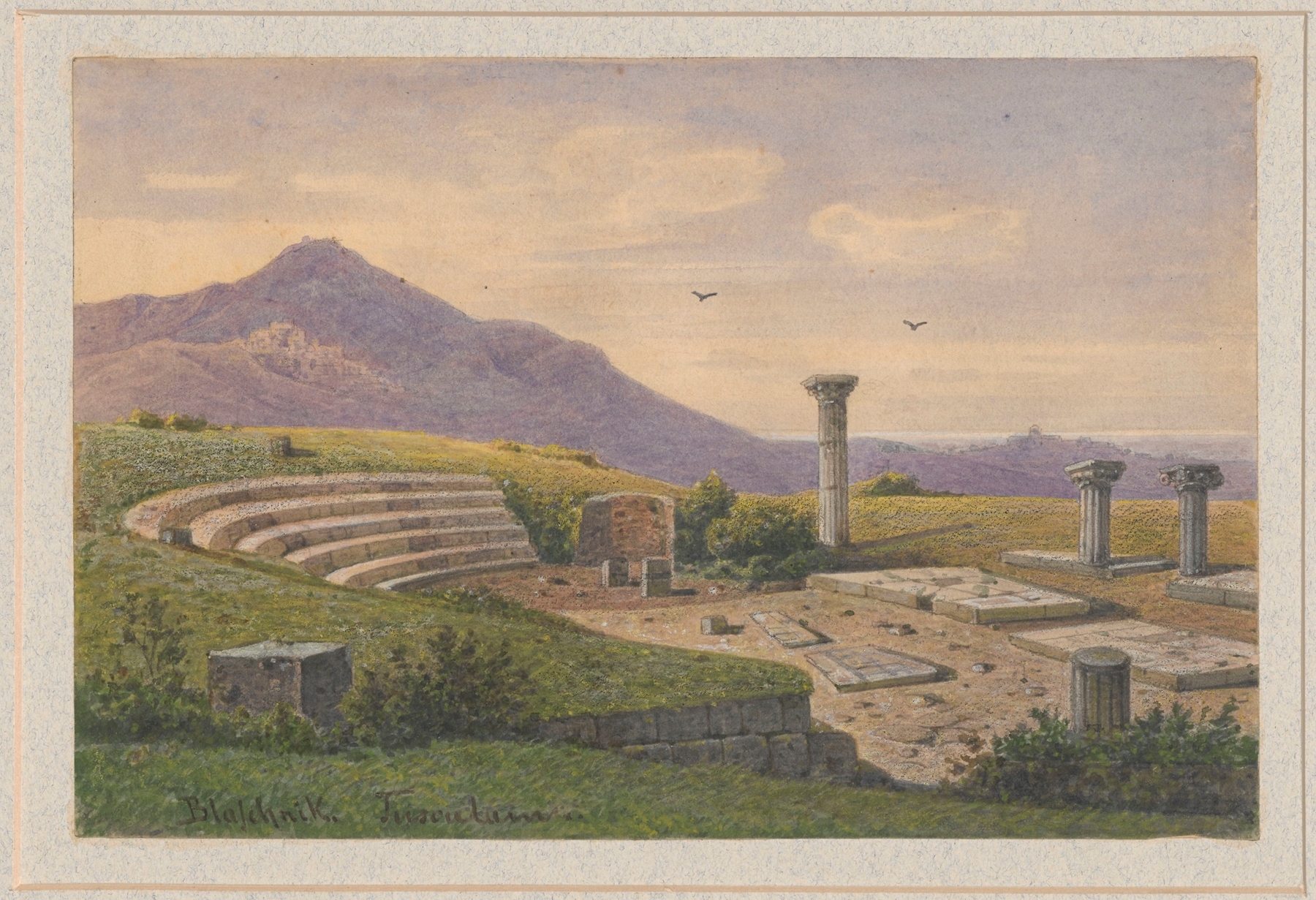
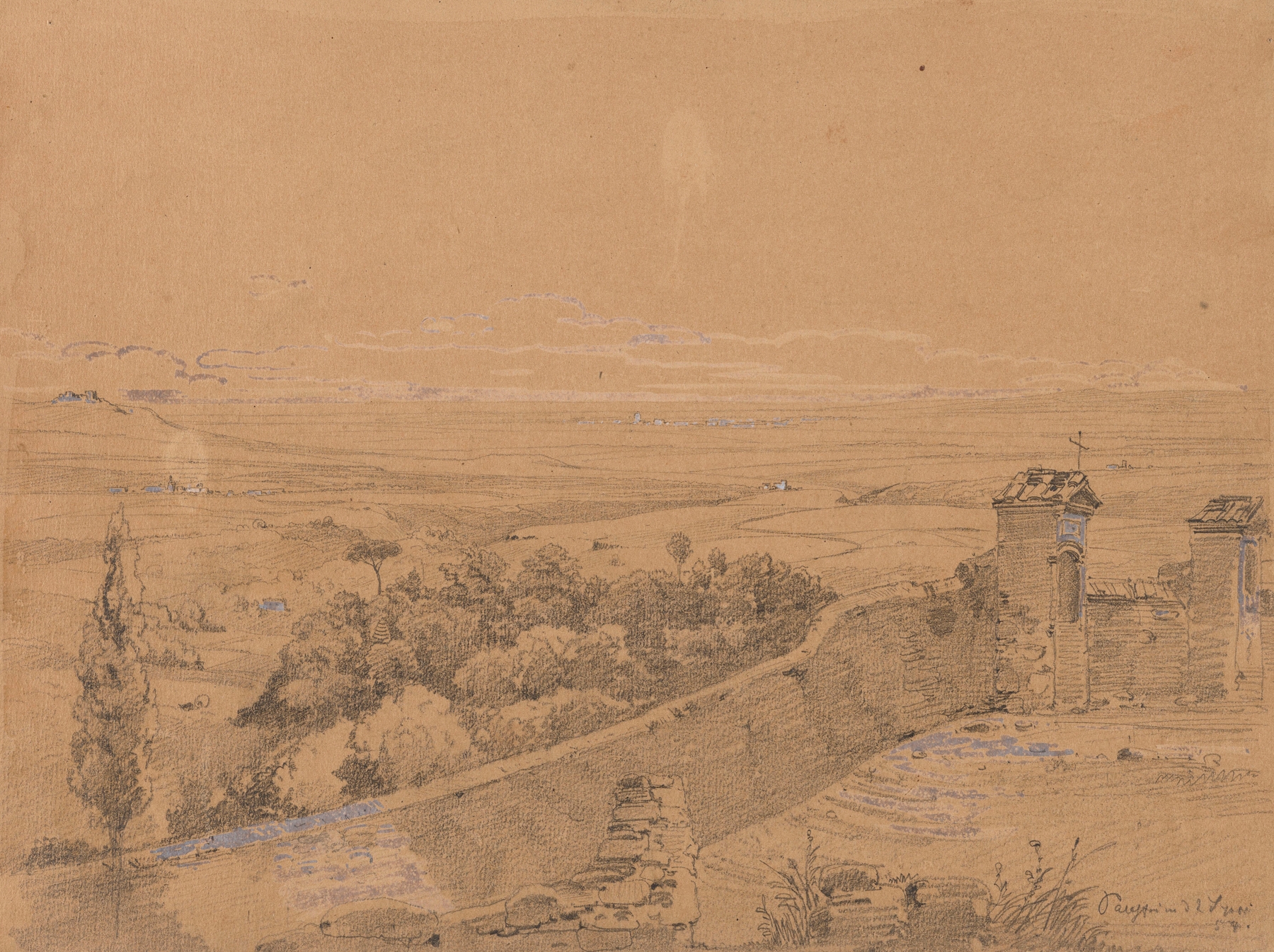
What if beauty was never meant to be finished? In View of Monte Testaccio in Rome, the artist channels a profound melancholy that lingers long after the canvas has been set aside, inviting a contemplation of the impermanence of both nature and human creation. Focus on the gentle curves of the hillside, where earthy tones of ochre and olive green blend seamlessly with the soft blues of the sky. The artist's brushwork reveals a delicate interplay of light and shadow, capturing the midday sun as it glints off the weathered stones.
Notice how the distant ruins rise like memories against the horizon, echoing the whispers of history, while the foreground is vibrant with life, suggesting the coexistence of the past and present. At first glance, one might be struck by the beauty of the landscape, yet upon closer inspection, an underlying tension emerges. The juxtaposition of the lush, verdant terrain with the stark, ancient remains forces the viewer to grapple with the passage of time and the fleeting nature of beauty.
Each stroke seems to evoke the weight of nostalgia, as if the artist is mourning the stories lost in the folds of history, urging us to cherish what remains. Arthur Blaschnik painted this work between 1853 and 1862 during his time in Italy, amidst a burgeoning interest in Romanticism, which sought to capture the emotional essence of landscapes. As he was influenced by the changing tides of art, his reflections of Rome's ancient glory and present beauty illustrate a pivotal moment in his artistic journey, marking his desire to convey the profound connection between nature and the remnants of civilization.