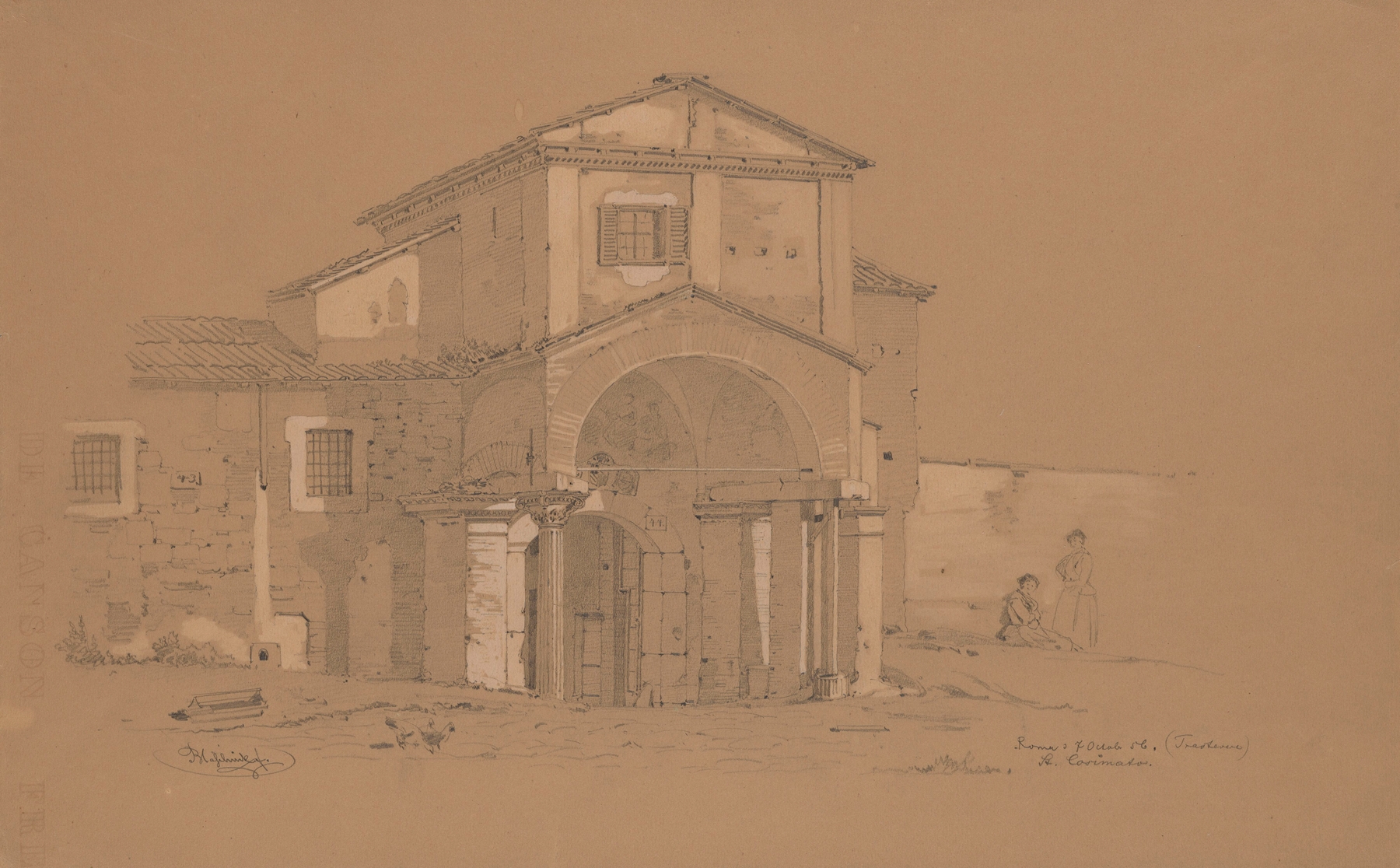
Church of St Cosmas in Trastevere in Rome — History & Analysis
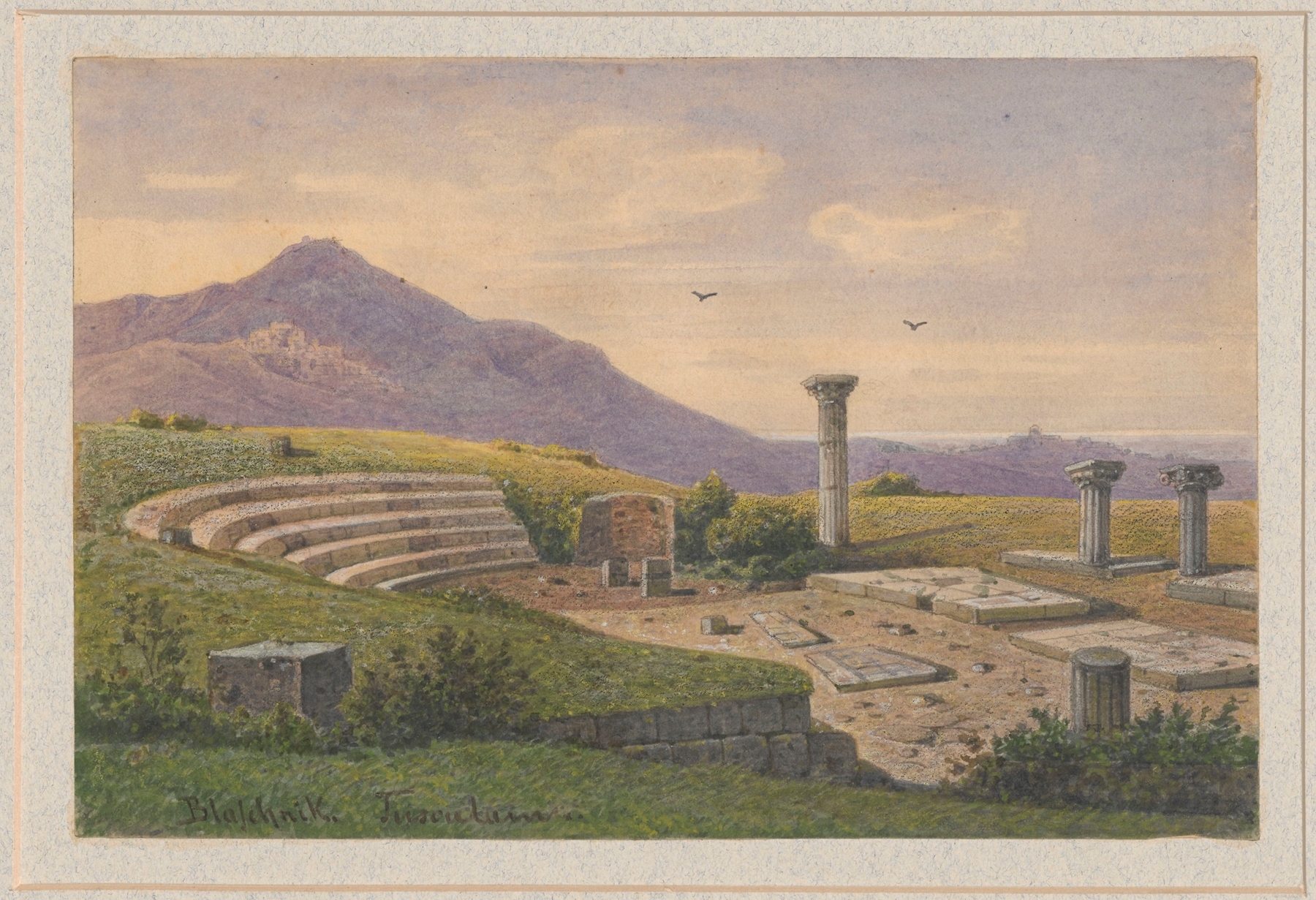
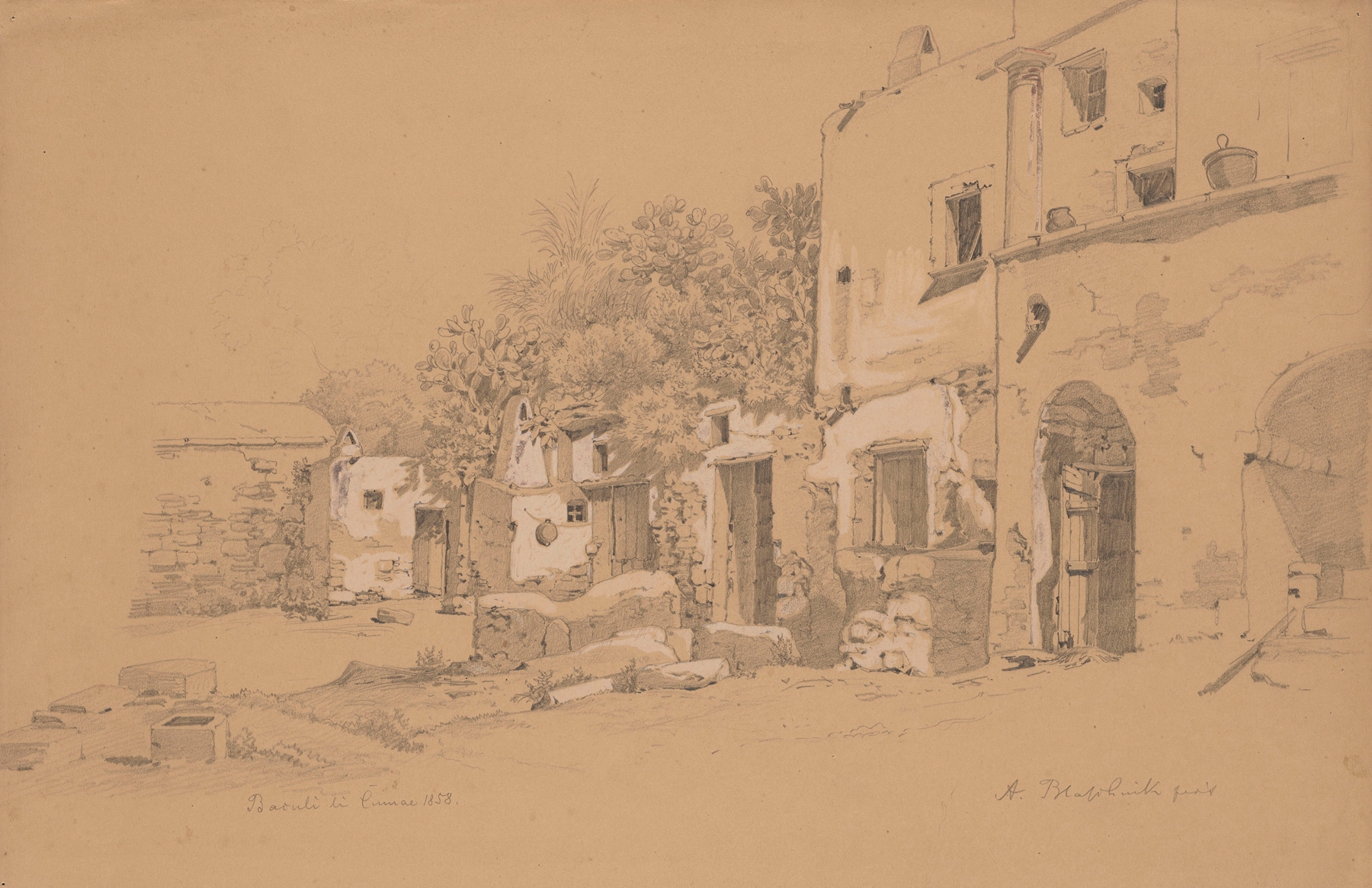
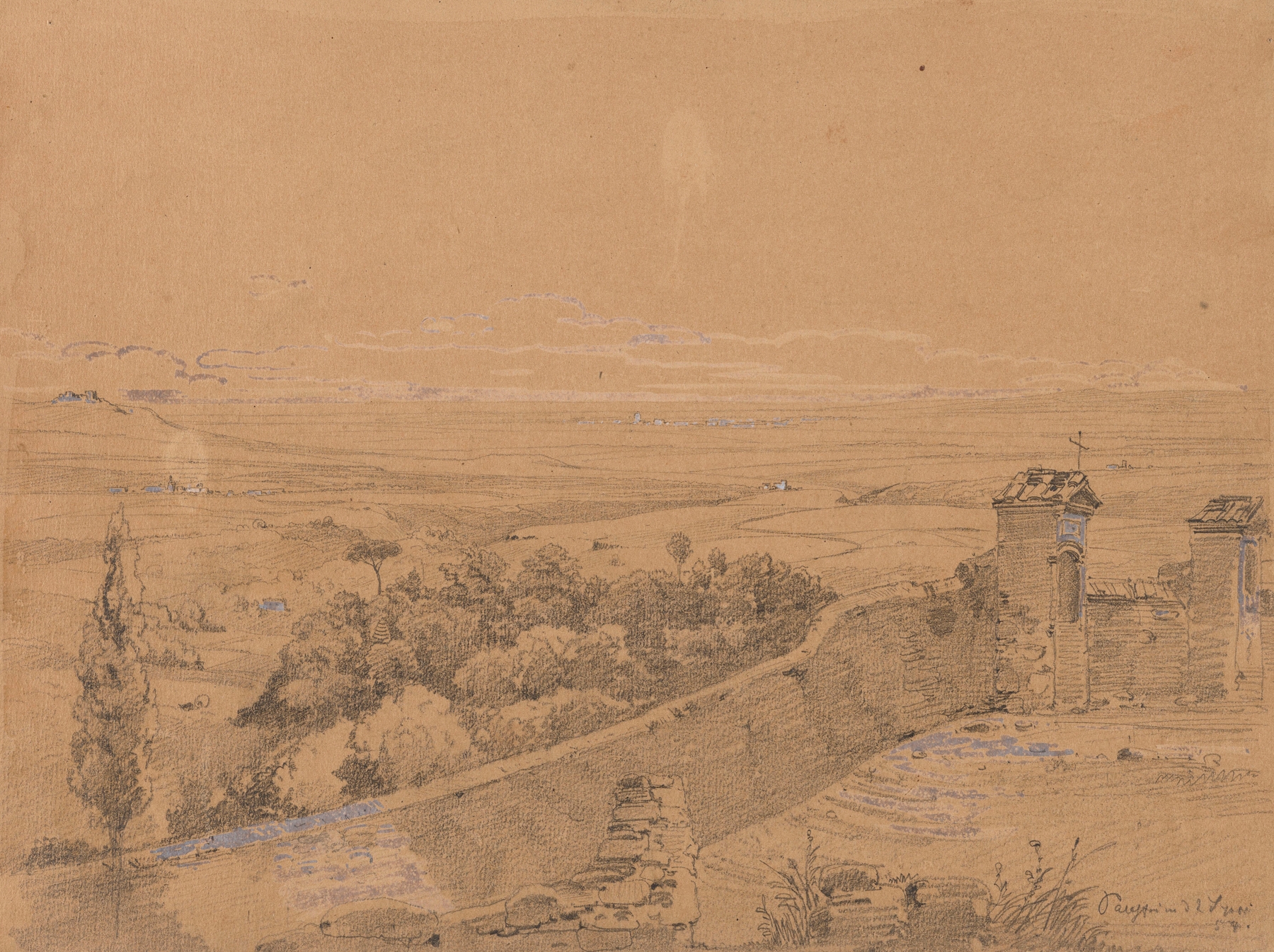
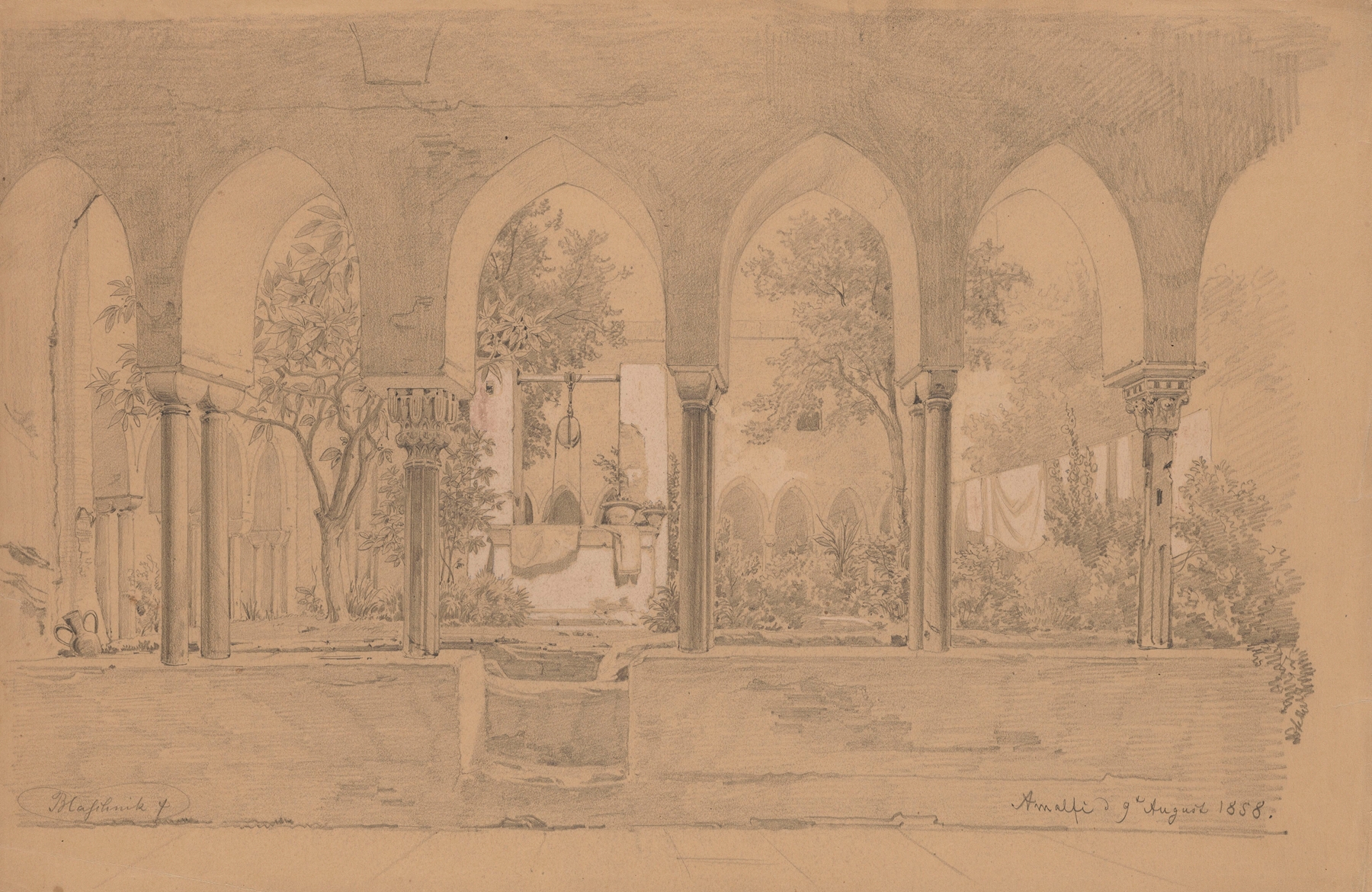
What secret hides in the quiet of the canvas? The stillness of the moment offers a poignant reflection on time, memory, and the passage of life. Look to the left at the intricate stone façade, where shadows dance softly across the weathered surface, hinting at the weight of history. The warm hues of ochre and earth tones envelop the scene, creating a sense of warmth that contrasts with the architectural harshness. Notice how the light captures the delicate details of the church's entrance, inviting you to explore further into the heart of the composition while the surrounding elements retreat into gentle obscurity. As you delve deeper, consider the juxtaposition between the sacred architecture and the empty space surrounding it. Each stone seems to whisper tales of devotion and loss, embodying a melancholy that pervades the atmosphere. The sparse presence of figures amplifies the solitude, suggesting a longing for connection that resonates beyond the canvas, reflecting the artist's own introspections about faith and existence. In 1856, Arthur Blaschnik painted this scene during a time of personal upheaval as he sought solace in the beauty of Rome. The artist was captivated by the city’s rich history and the interplay of light and shadow on its ancient structures. At this moment in the world of art, he was exploring themes of realism and romanticism, striving to find a balance that would give voice to both the physical and emotional landscapes he encountered.