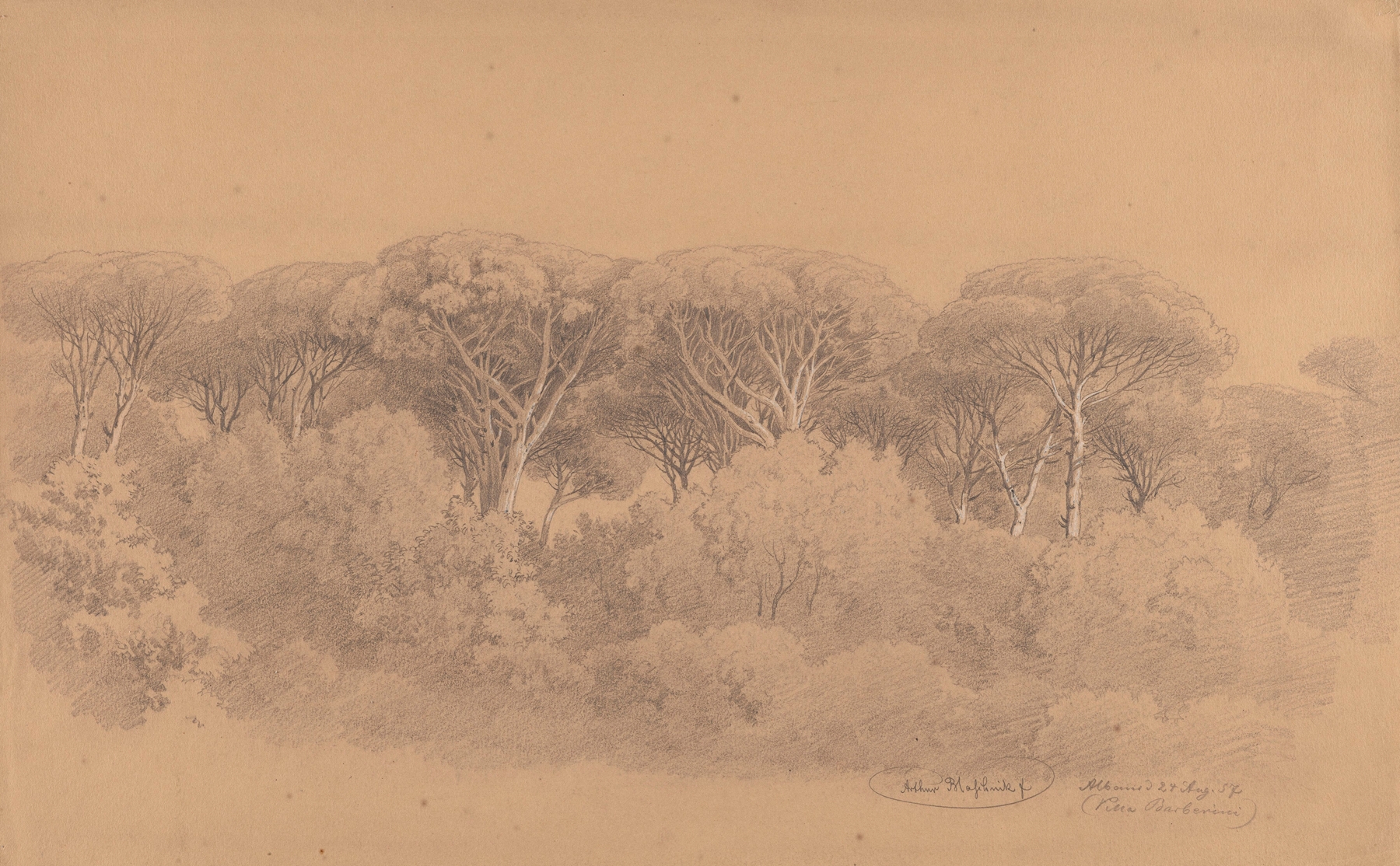
Stone Pines in the Gardens of Villa Barberini in Albano — History & Analysis
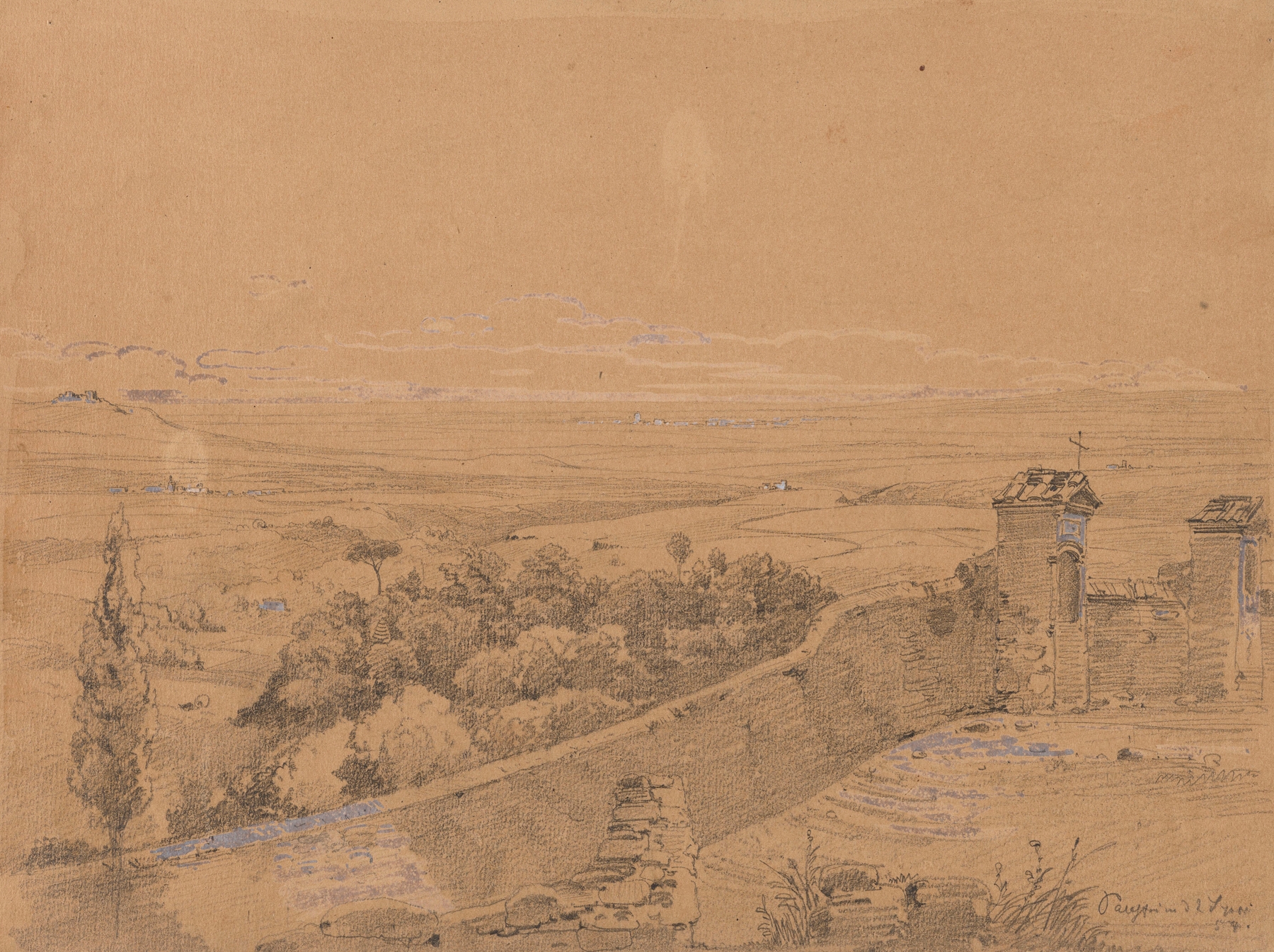
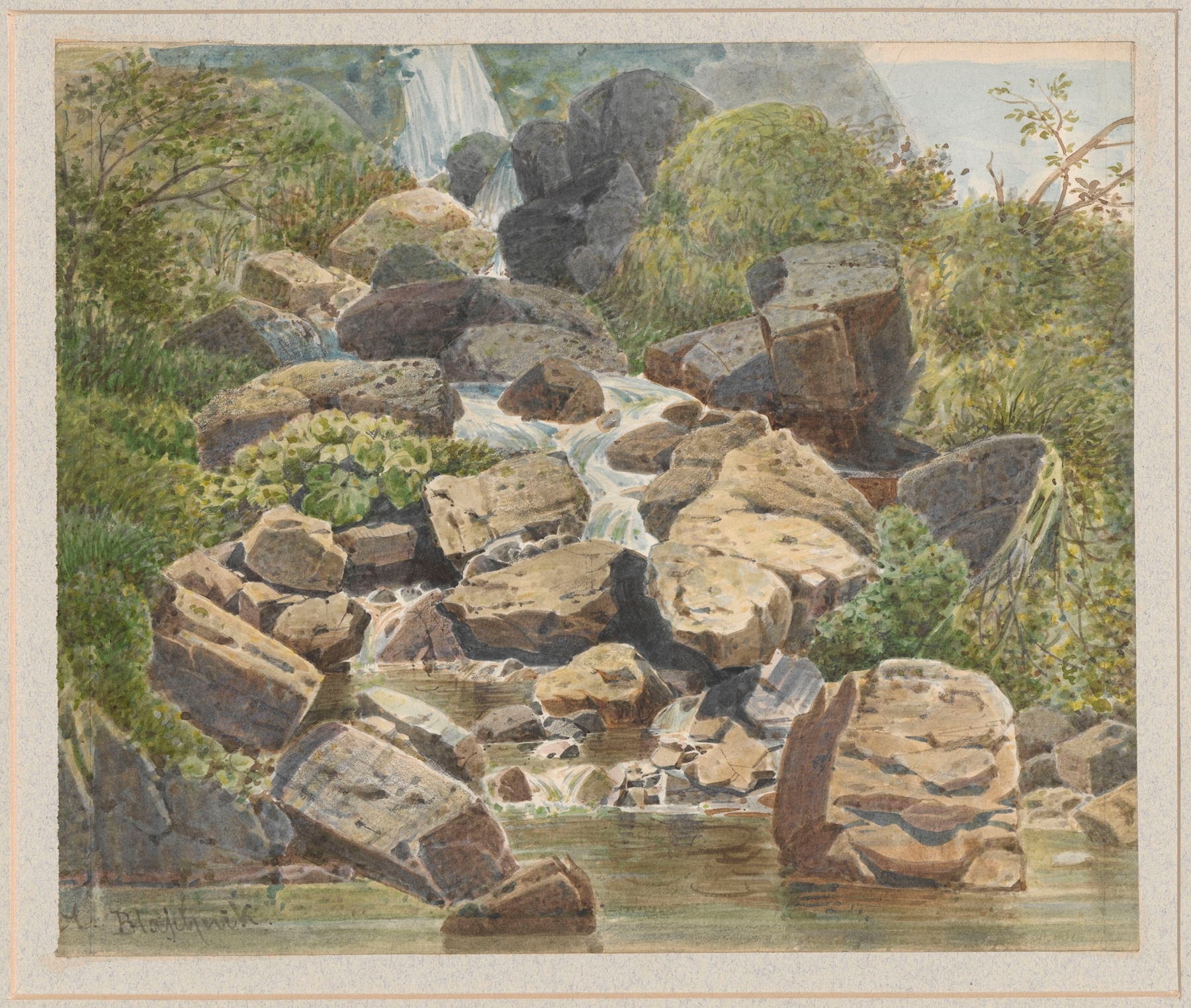
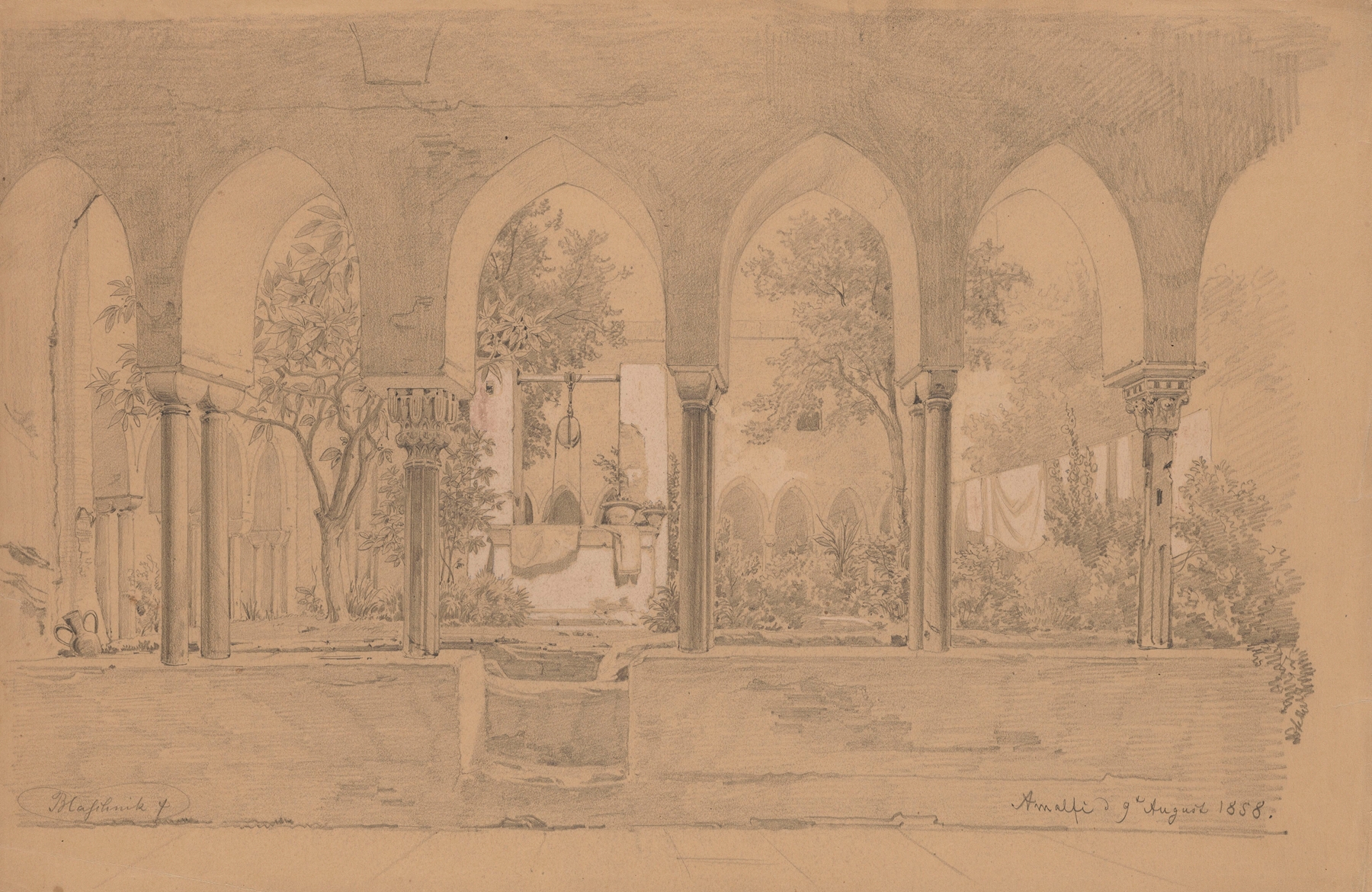
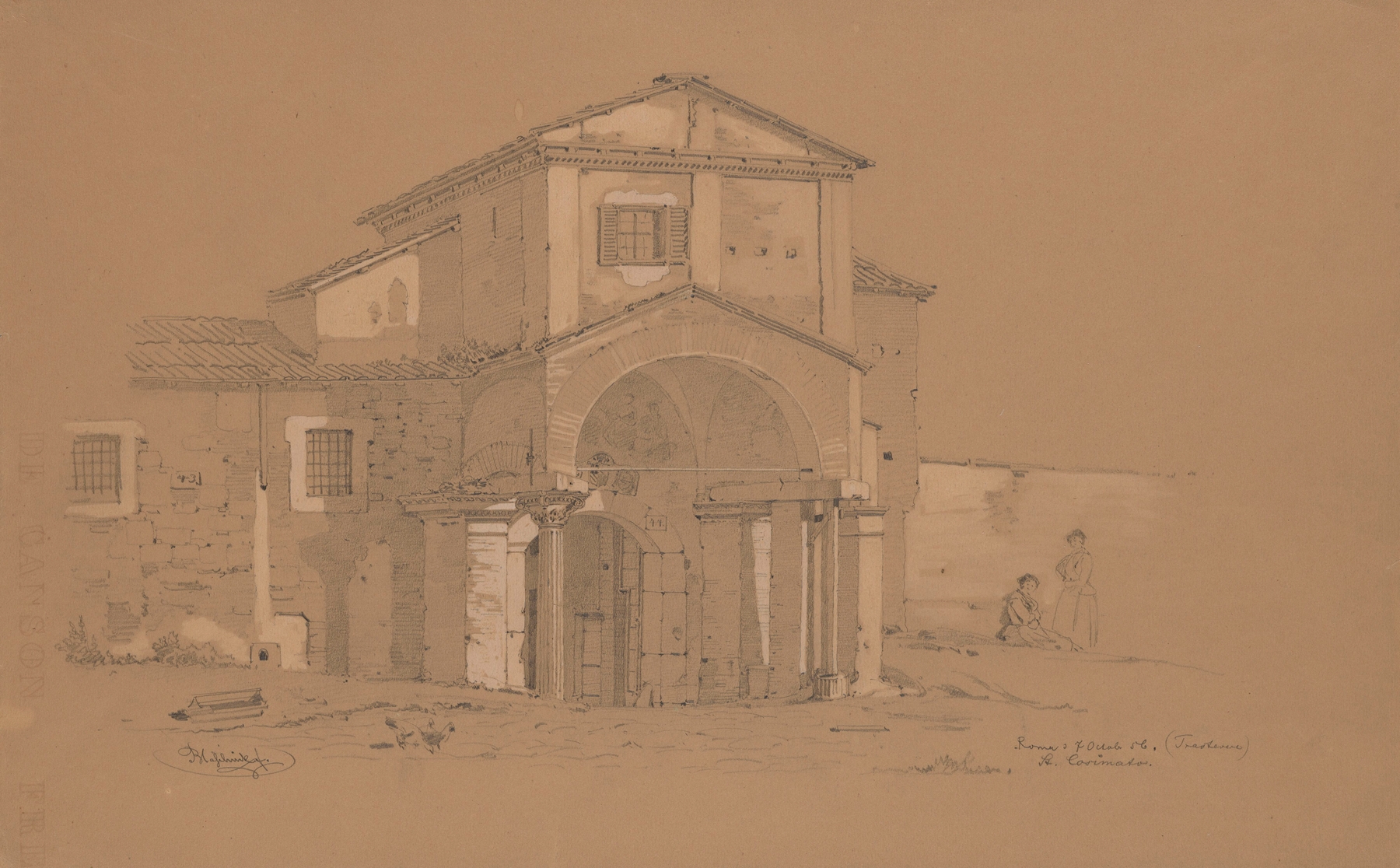
The sun filters through the branches of tall stone pines, dappling the ground with a mosaic of light and shadow. A gentle breeze rustles among the leaves, carrying whispers of laughter from a nearby gathering. In the distance, figures stroll leisurely along the winding paths, immersed in the serene beauty of Villa Barberini, their presence a quiet celebration of nature’s elegance. Look to the right at the towering stone pines, their dark green needles contrasting sharply with the vibrant blue sky. Notice how the light plays upon the textured bark, giving depth to the trees and inviting the viewer to explore the rich greens and earthy browns of the foliage. The composition is masterfully balanced, drawing the eye toward the distance where the villa stands majestically, framed by the lush gardens. The use of soft brush strokes creates a fluidity, making the scene feel alive and breathless. Amid the tranquil beauty, there lies a tension between nature and civilization. The pines, ancient and unwavering, represent timelessness, while the villa, a symbol of human endeavor, suggests fleeting moments of beauty. This contrast reflects the artist’s contemplation of harmony—a dialogue between the permanence of the natural world and the ephemeral nature of human creations. Small details, like the flickering shadows on the path, evoke a sense of movement that invites reflection on the passage of time. In 1857, Arthur Blaschnik painted this work while living in Italy, amidst the burgeoning Romantic movement that celebrated nature's beauty. His experiences in the enchanting landscapes of the region profoundly influenced his style, as he sought to capture the emotional resonance of serene moments. During this period, the art world was shifting, with artists increasingly drawn to the interplay of light and organic forms, establishing a legacy that would echo through generations.