Cloud Study — History & Analysis
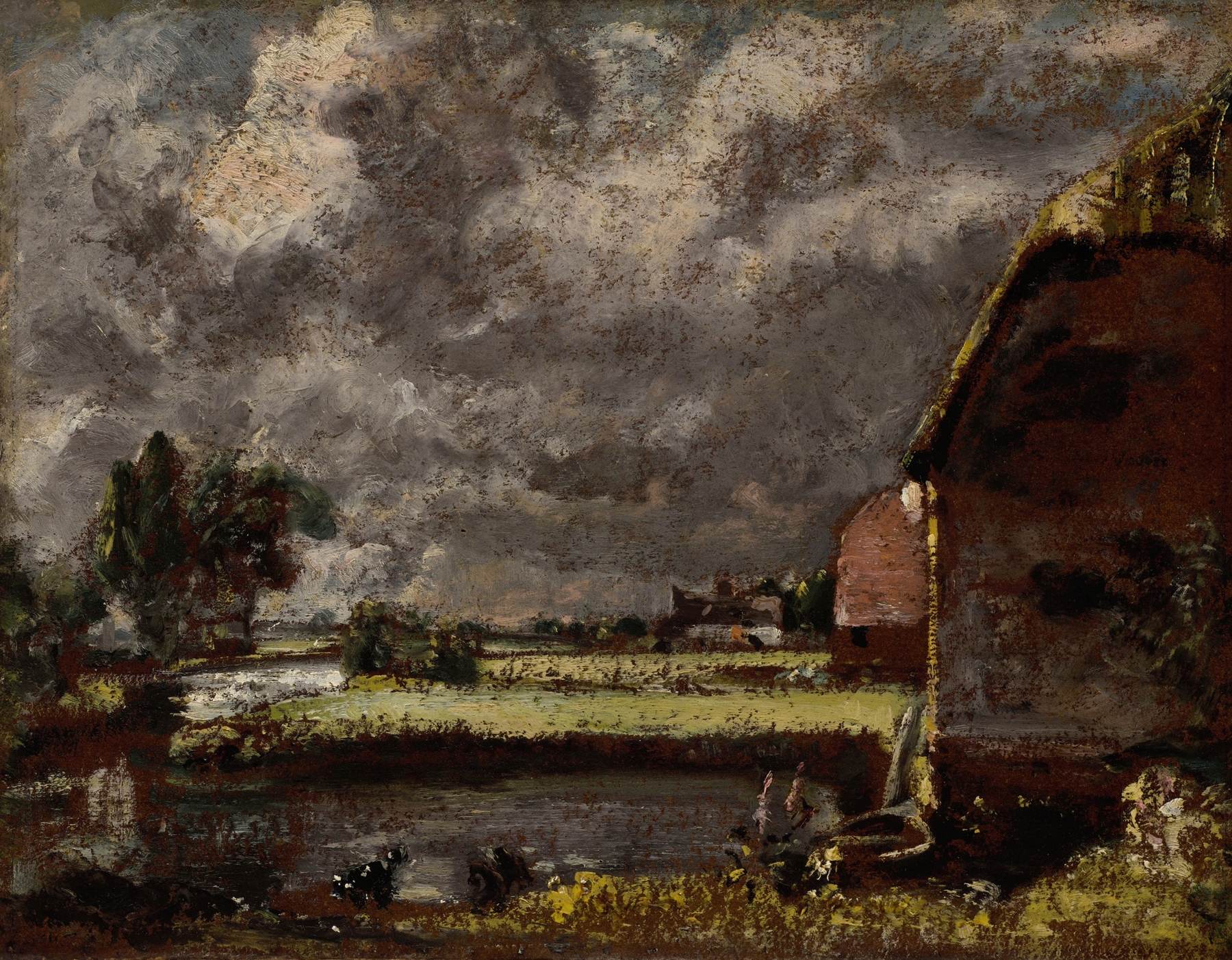
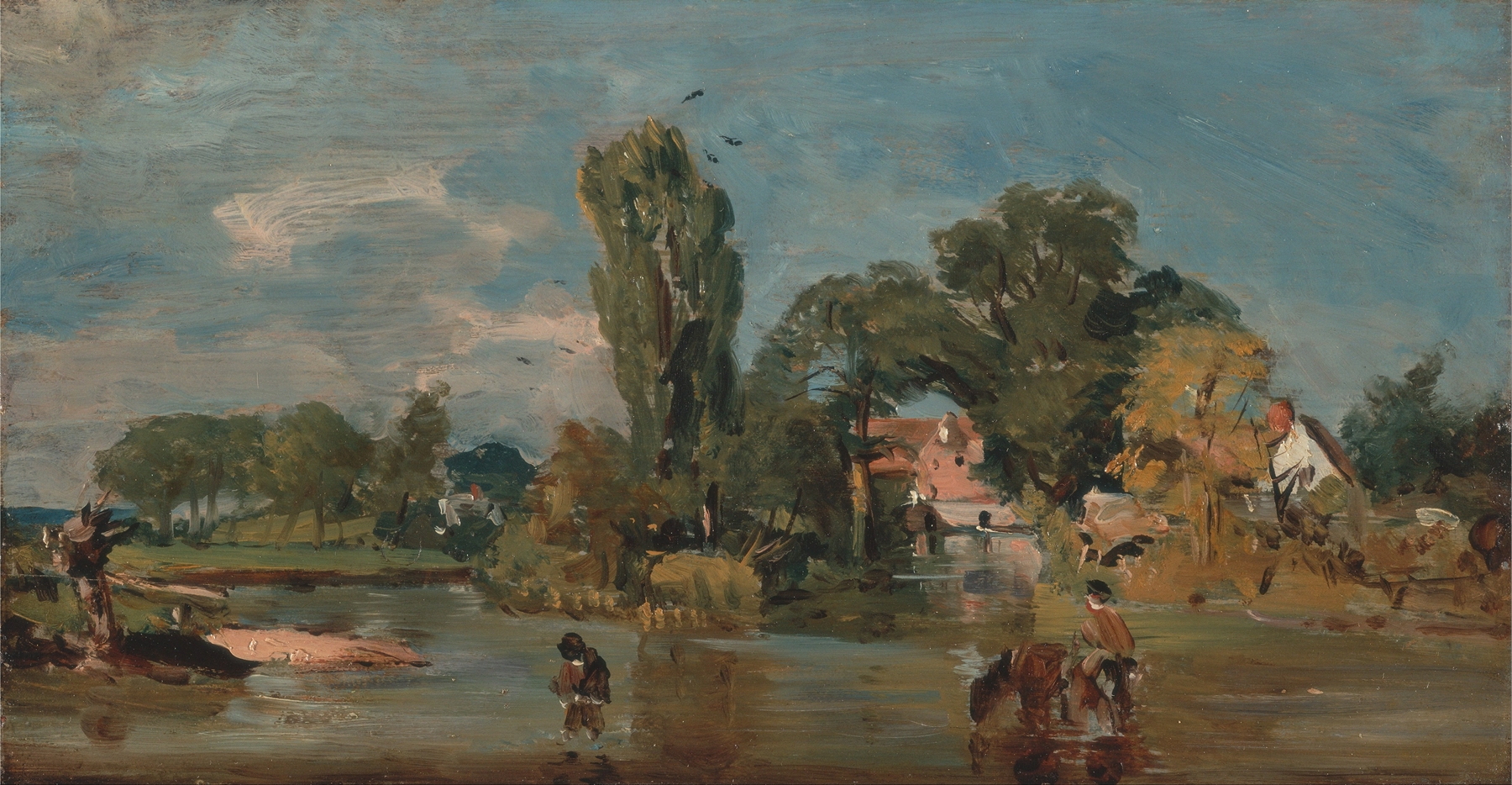
Where does light end, and longing begin? In the ethereal expanse of Cloud Study, the sky becomes a canvas woven with dreams and emotions, evoking an introspective yearning that transcends mere observation. Look to the top of the painting, where billowing clouds drift across an expansive blue, each stroke of white suggesting both movement and stillness. The varying shades of gray and blue create depth, inviting the viewer's gaze to dance across the heavens. Notice how the light filters through the clouds, illuminating the scene with a soft radiance that emphasizes the transient nature of the moment.
The overall composition balances the turbulent energy of the clouds with a tranquil horizon, a harmonious juxtaposition that evokes both chaos and calm. Beneath this celestial display lies a tension between the monumental and the ephemeral. The clouds, while grand and awe-inspiring, remind us of their fleeting nature, prompting reflections on time and memory. The delicate play of light invites viewers to consider their own feelings of longing and nostalgia, as if the clouds are whispering secrets of the past.
Each brushstroke carries a weight of emotion, suggesting an internal dialogue with nature that resonates with the human experience. In 1821, John Constable painted Cloud Study during a period of personal and artistic exploration. Working primarily in his native England, he was deeply influenced by the rural landscapes around him and the Romantic ideals permeating the art world. At this time, he was striving to capture the sublime beauty of the natural world, which would ultimately lead to his recognition as one of the foremost landscape painters of his era.