Coastline Near Sorrento — History & Analysis
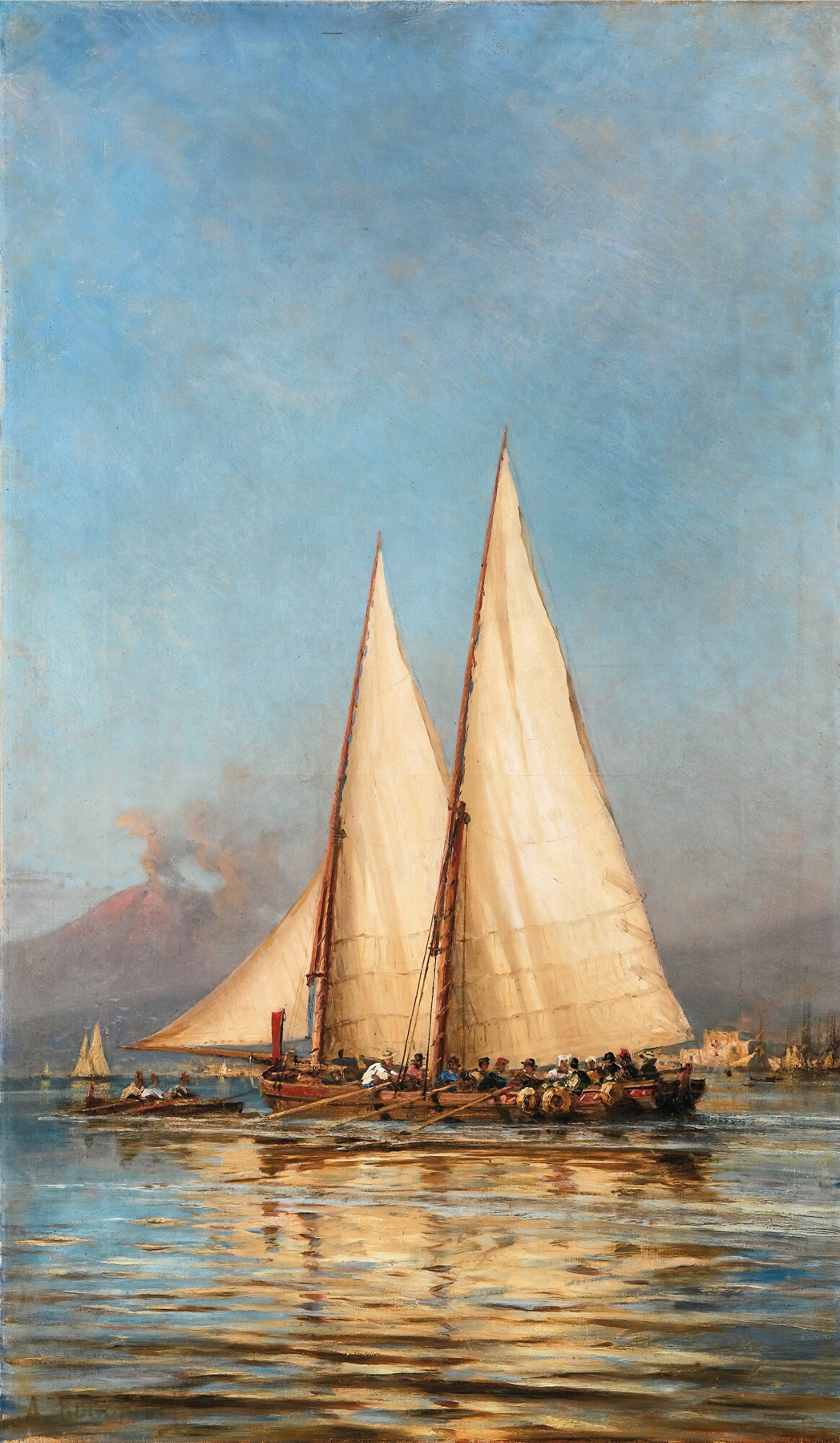
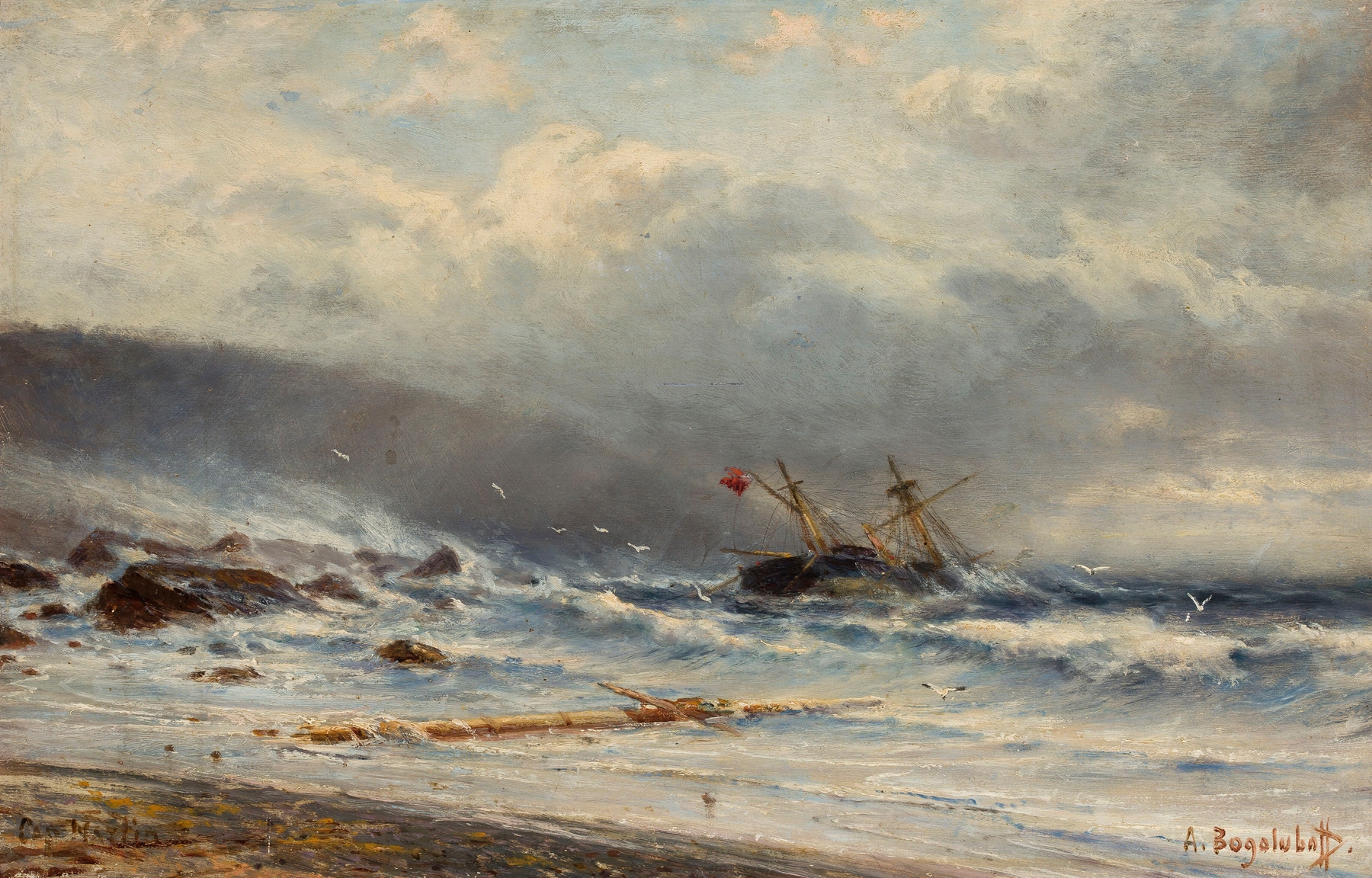
When did color learn to lie? The vibrant hues of blue and green whisper truths and secrets, revealing layers beneath their surface—a betrayal of nature’s serene beauty. Look to the foreground where gentle waves lap against the rocky shore, their frothy edges beckoning the eye with a deceptive tranquility. Notice how the light dances on the water, reflecting a palette of cerulean and turquoise that seems too vivid to be real. The composition draws you in, leading your gaze toward the horizon where the sky melts into soft pastels, suggesting both warmth and distance.
The contrasting textures of rugged cliffs and smooth water create a tension that invites contemplation, as if the scene holds both beauty and an unvoiced sorrow. As you explore further, consider the myriad emotions that can be unearthed in the interplay between light and shadow. The deep, foreboding shadows on the cliffs hint at a hidden darkness, perhaps a reminder of the fragility of beauty that can mask deeper truths. The vibrant colors, while enchanting, also signal a sense of transience—an invitation to witness a moment that may soon be lost to time.
This layered approach creates a nuance that resonates with the viewer, encouraging an introspective reflection on the nature of our perceptions. In 1857, Coastline Near Sorrento emerged during a pivotal time in Alexey Petrovich Bogolyubov’s career, wherein he was embracing the interplay of realism and romanticism. Living in Italy, he was influenced by the stunning landscapes that surrounded him, while also grappling with his identity as a Russian artist in Western Europe. This painting marks a significant development in his style, embodying the tensions he observed in the world around him, both in nature and in the shifting currents of artistic expression.