Spring Landscape — History & Analysis
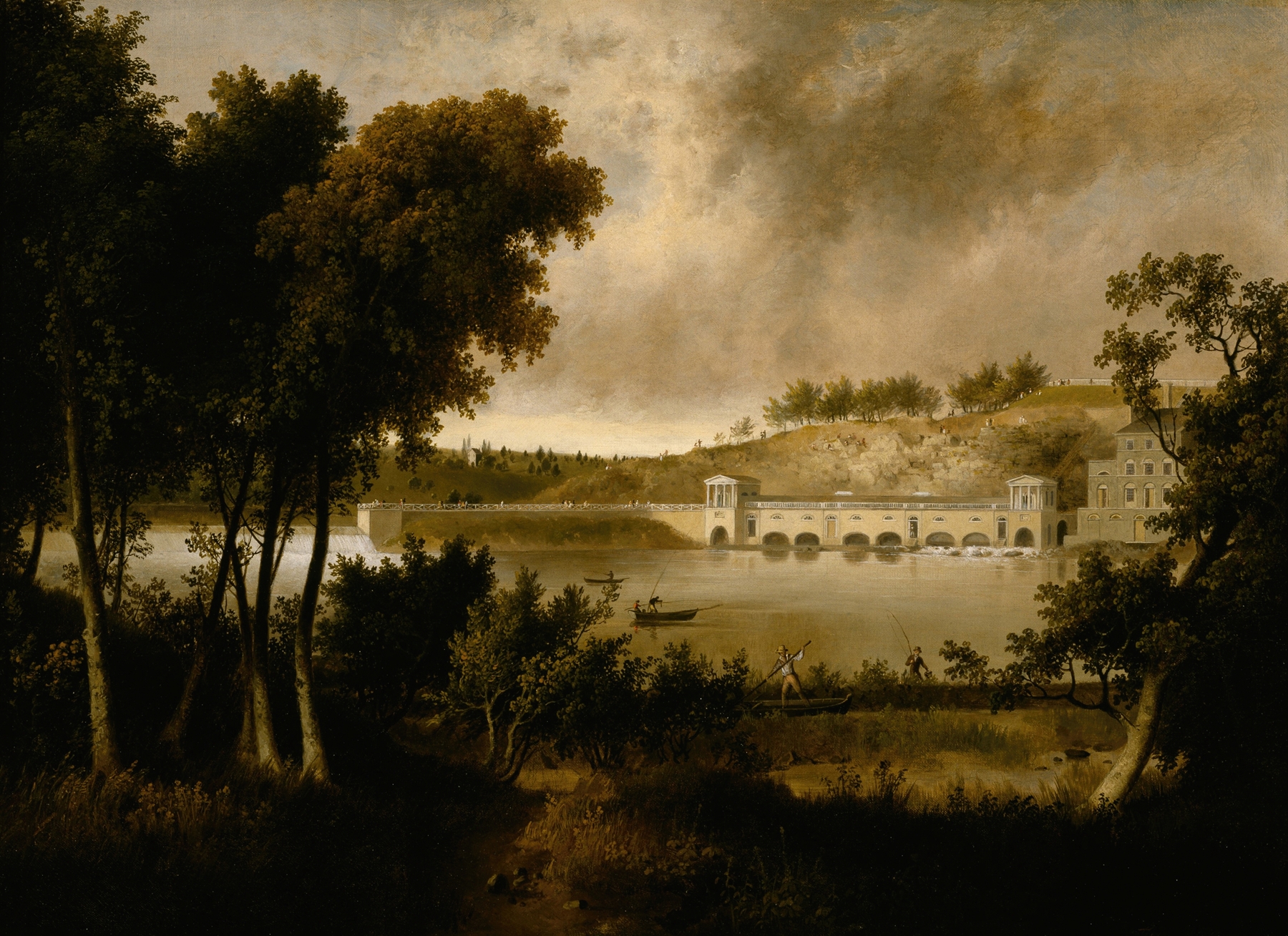
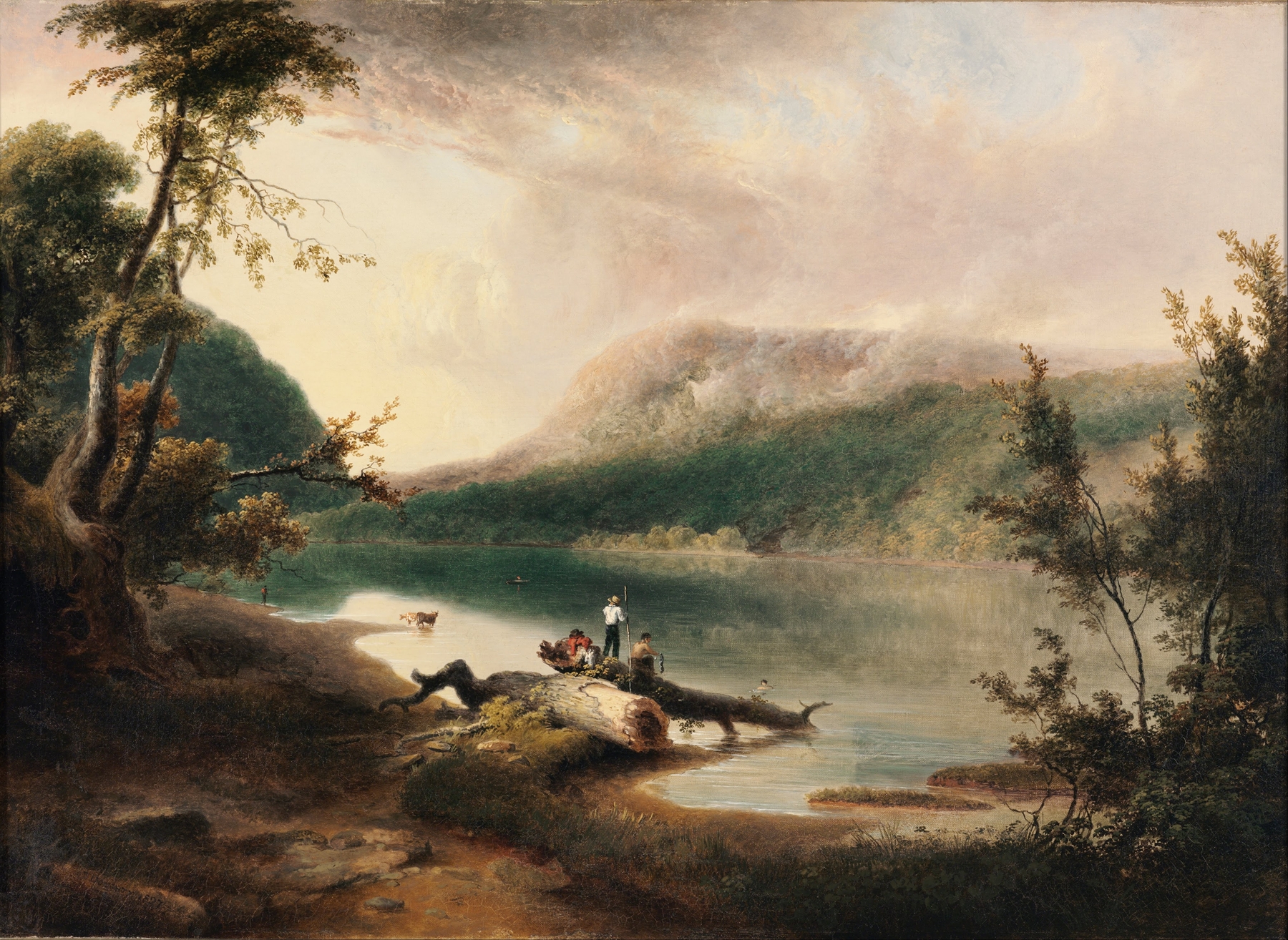
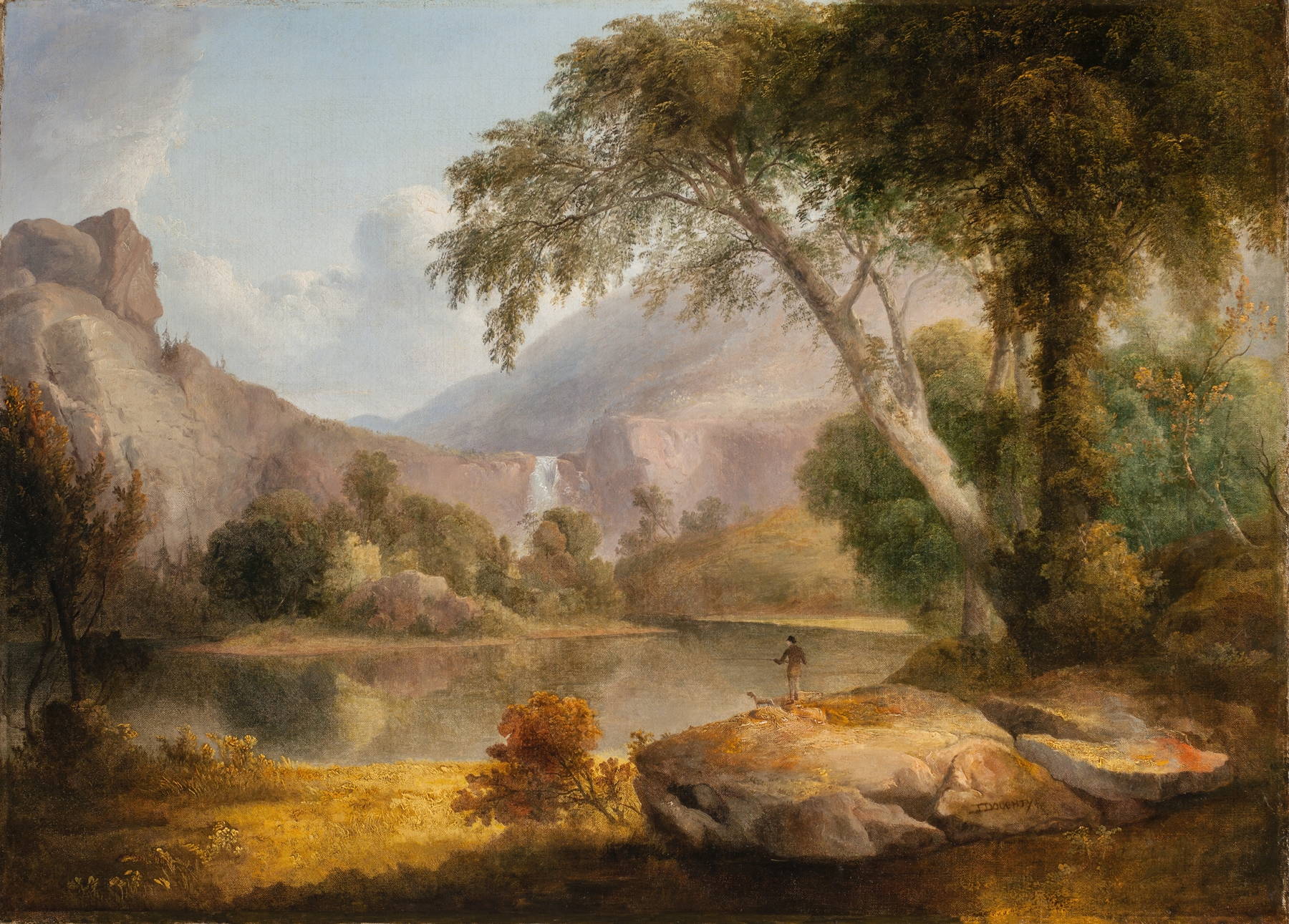
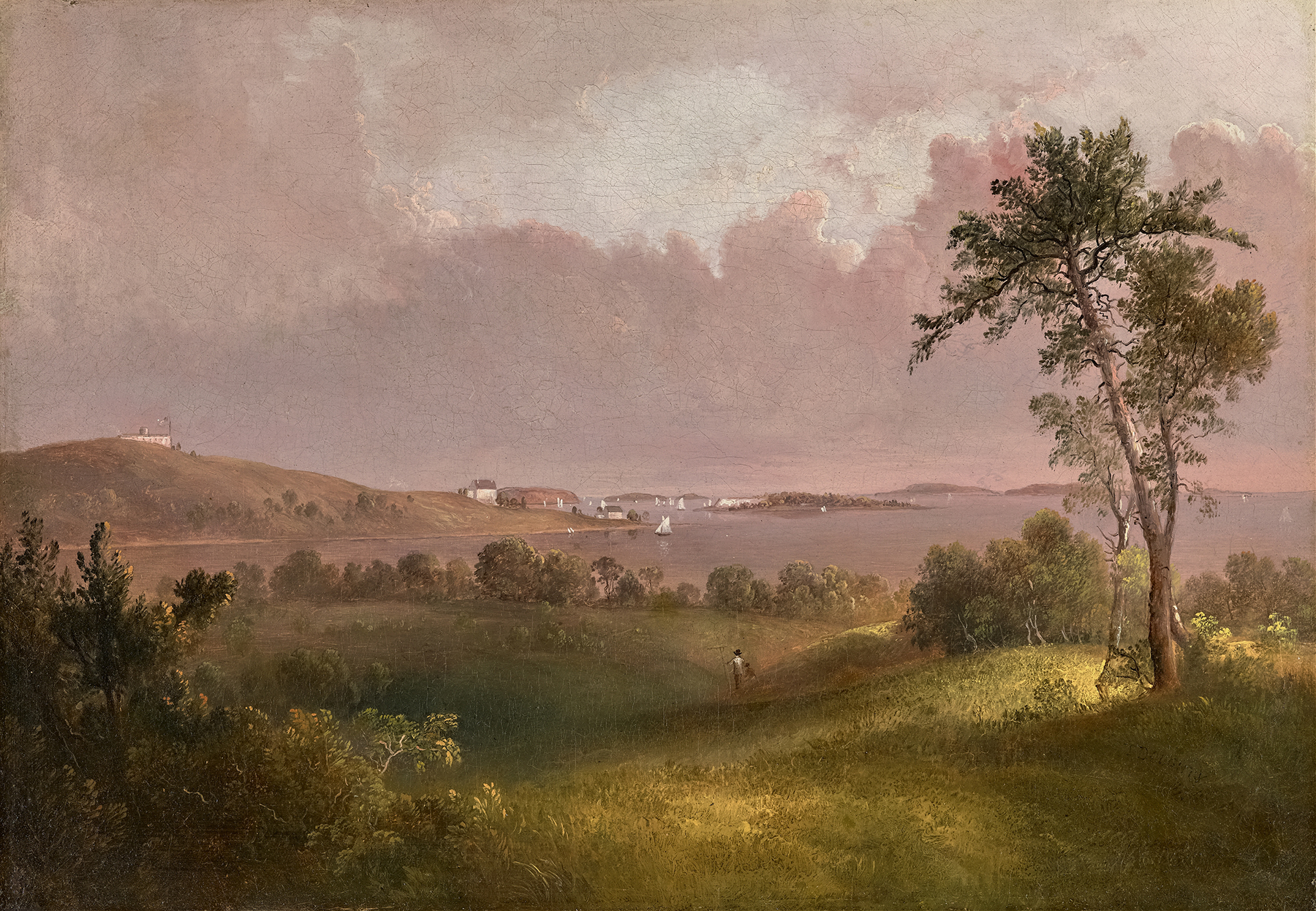
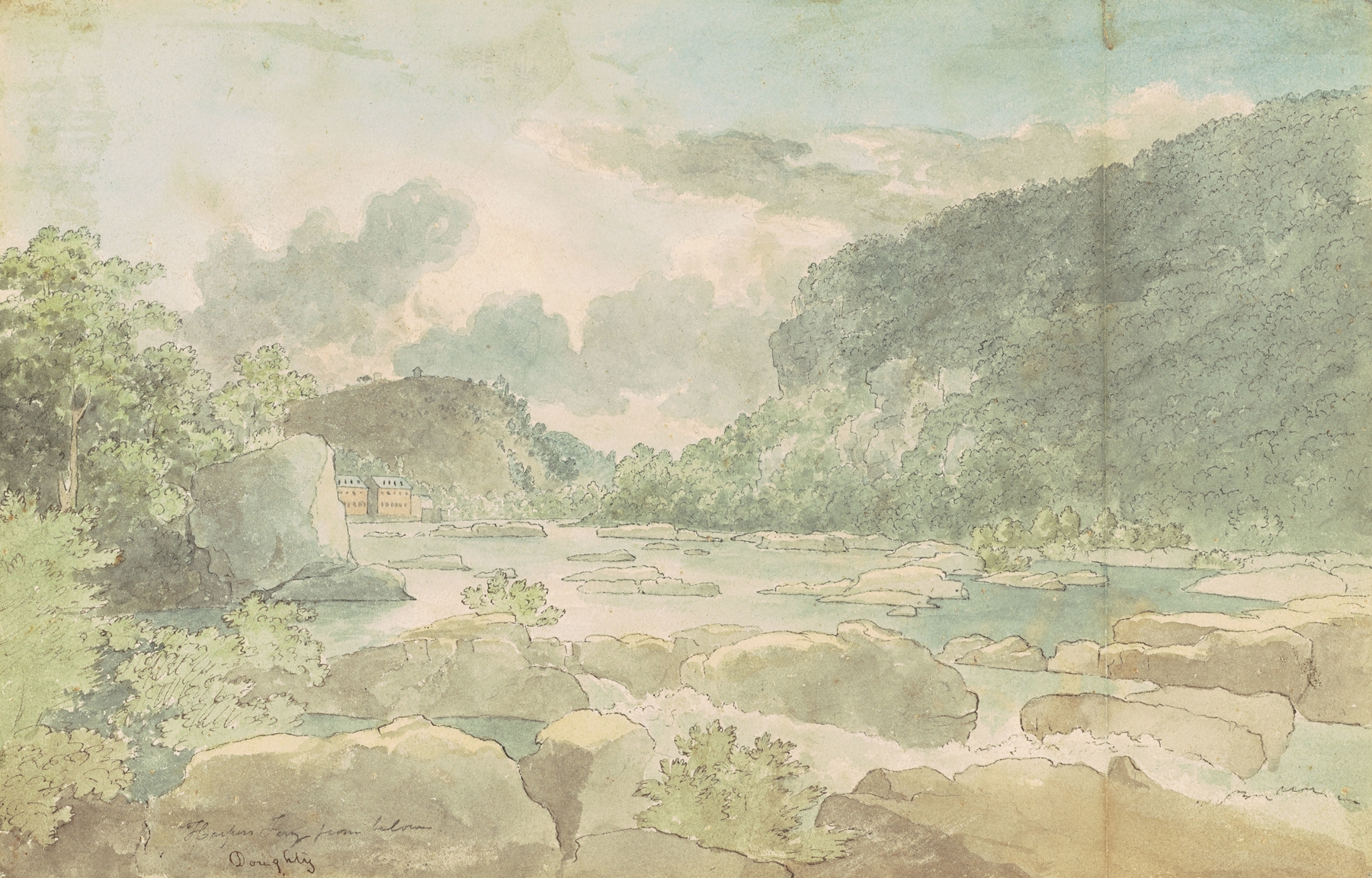
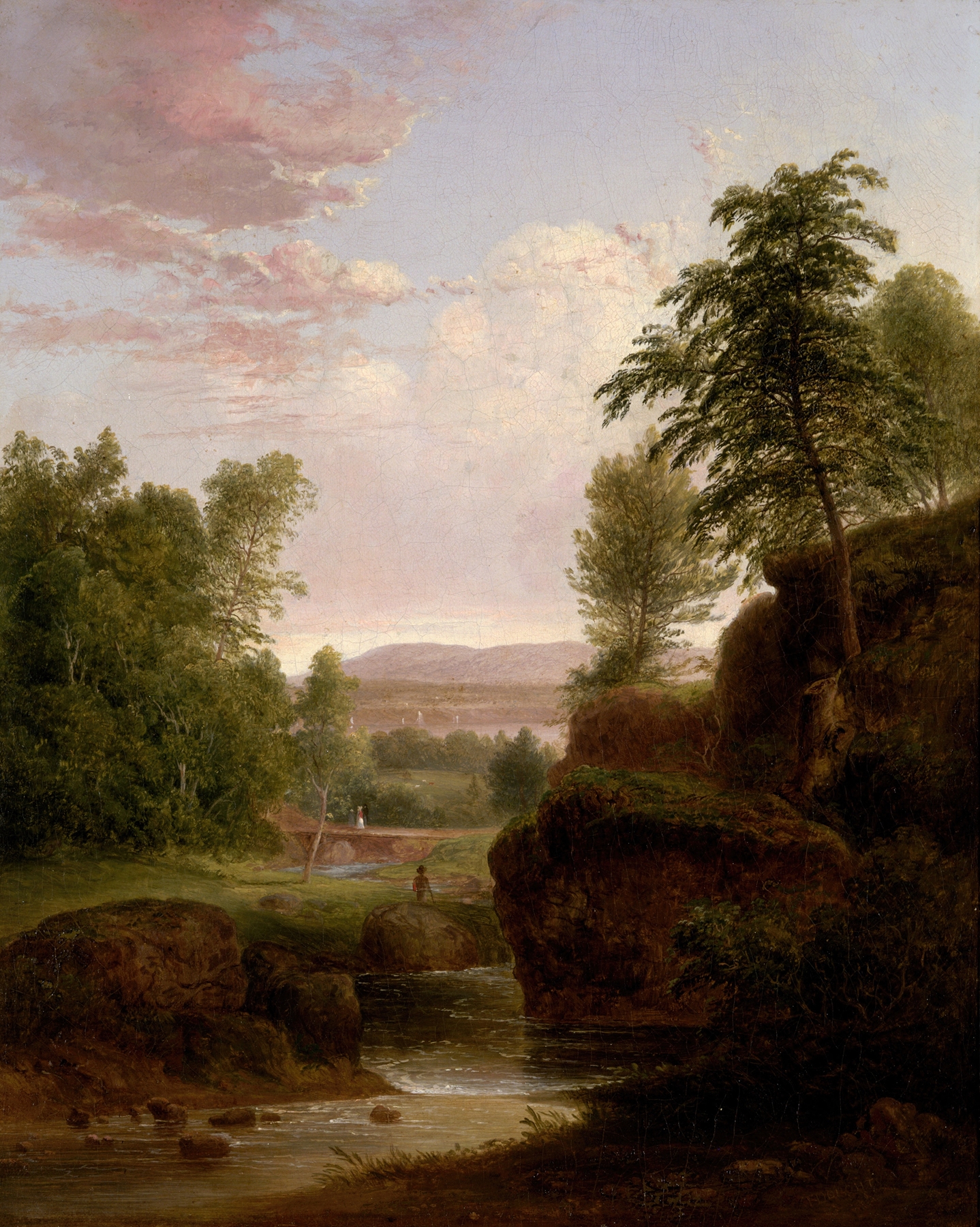
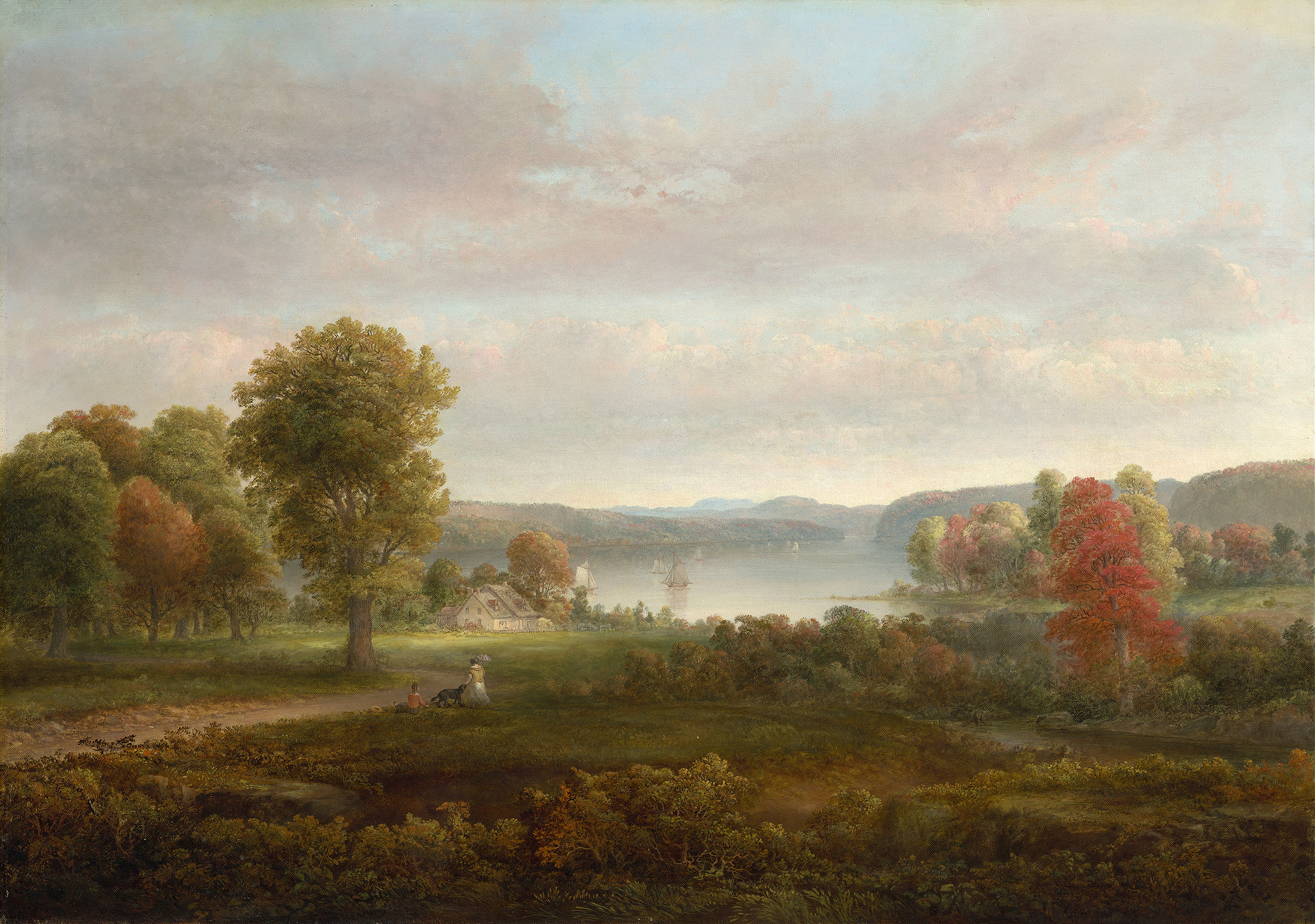
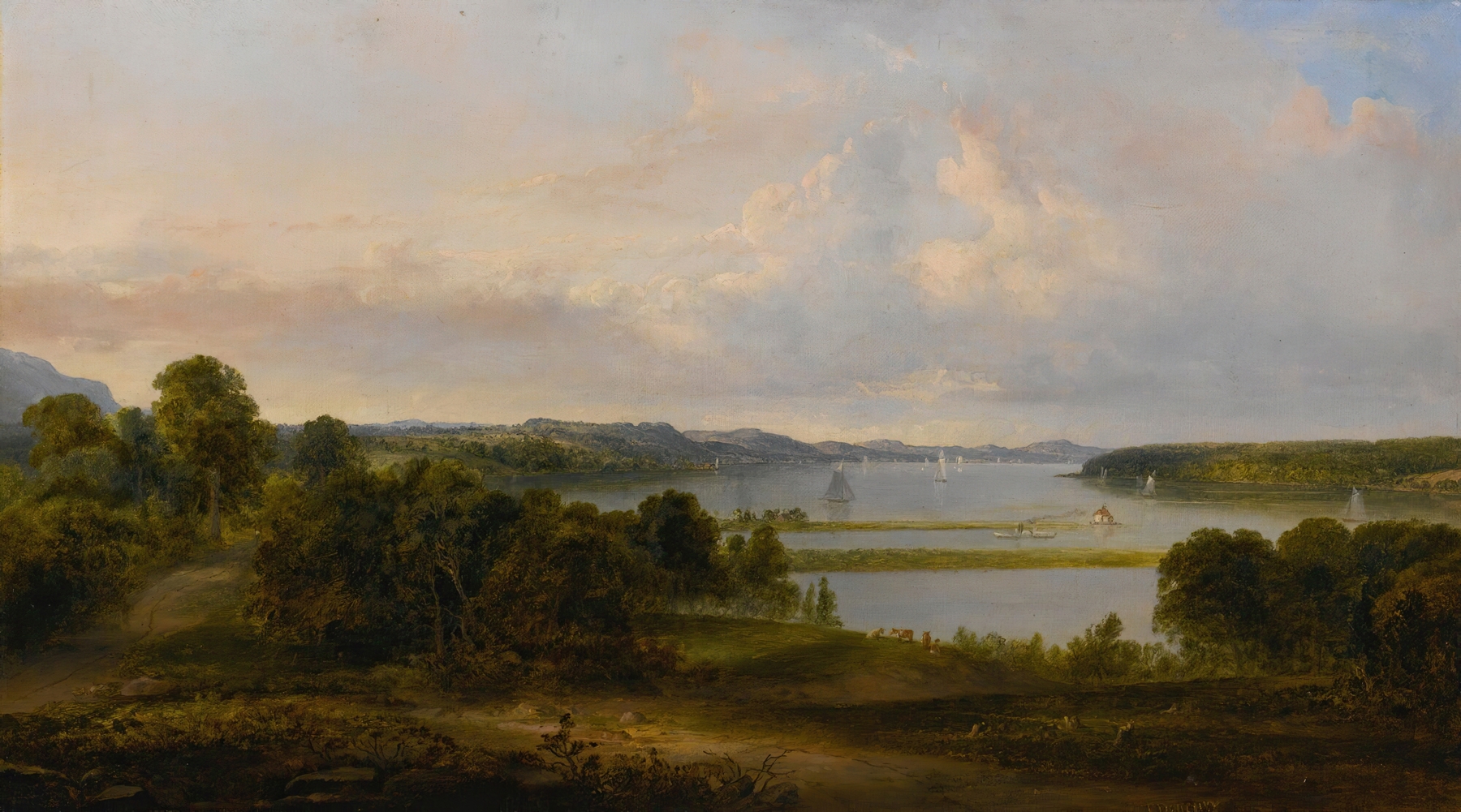
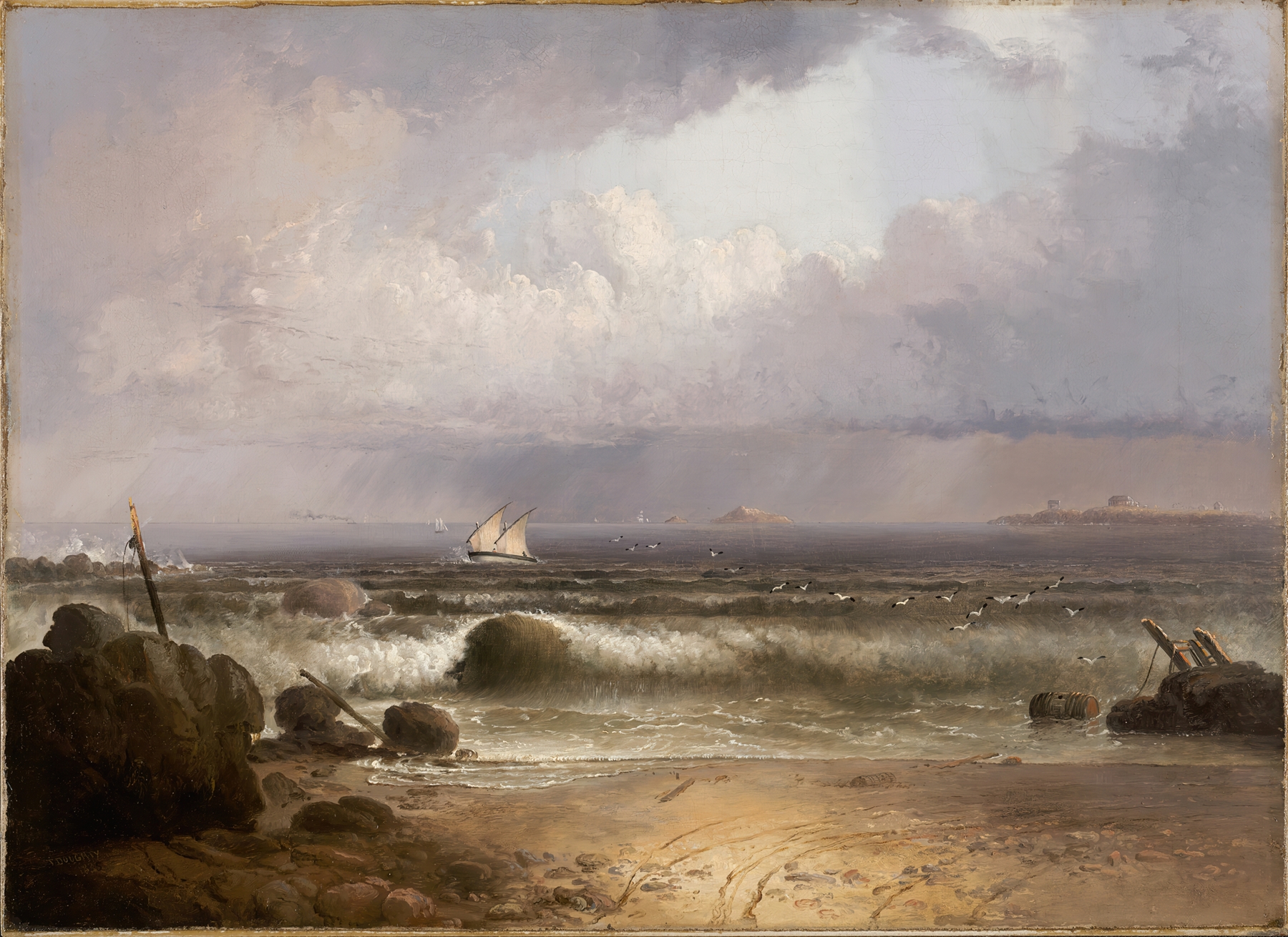
“To paint is to remember what time wants us to forget.” This notion encapsulates the essence of transformation, as nature shifts from the chill of winter to the vibrant rebirth of spring. Look to the left where lush greenery bursts forth, the painter’s delicate brush strokes evoking the fresh promise of new life. The warm sunlight dances across the landscape, illuminating the budding trees and softening the edges of distant hills. Notice how the colors shift from deep, rich greens in the foreground to the gentle pastels of the sky; this gradient not only guides the eye but also enhances the sense of renewal.
The gentle flow of the water reflects these hues, creating a serene harmony that invites contemplation. Delve deeper, and you may find contrasts embedded in the work: the juxtaposition of the stillness of the water against the lively growth surrounding it speaks to the complexities of change itself. The artist captures the fleeting nature of beauty, each brush stroke a reminder that transformation is both exhilarating and ephemeral. In this spring landscape, the cycle of life is encapsulated, suggesting hope while acknowledging the inevitability of loss as the seasons turn.
During the years 1853 to 1856, the artist painted this work while living in Pennsylvania, a region rich in natural beauty. At this time, Doughty was gaining recognition for his landscapes, becoming a prominent figure in the American Romantic movement. His work reflects a growing appreciation for nature and a desire to capture its poetic and transformative qualities amid the broader context of American artistic exploration.