Cotters’ farms — History & Analysis
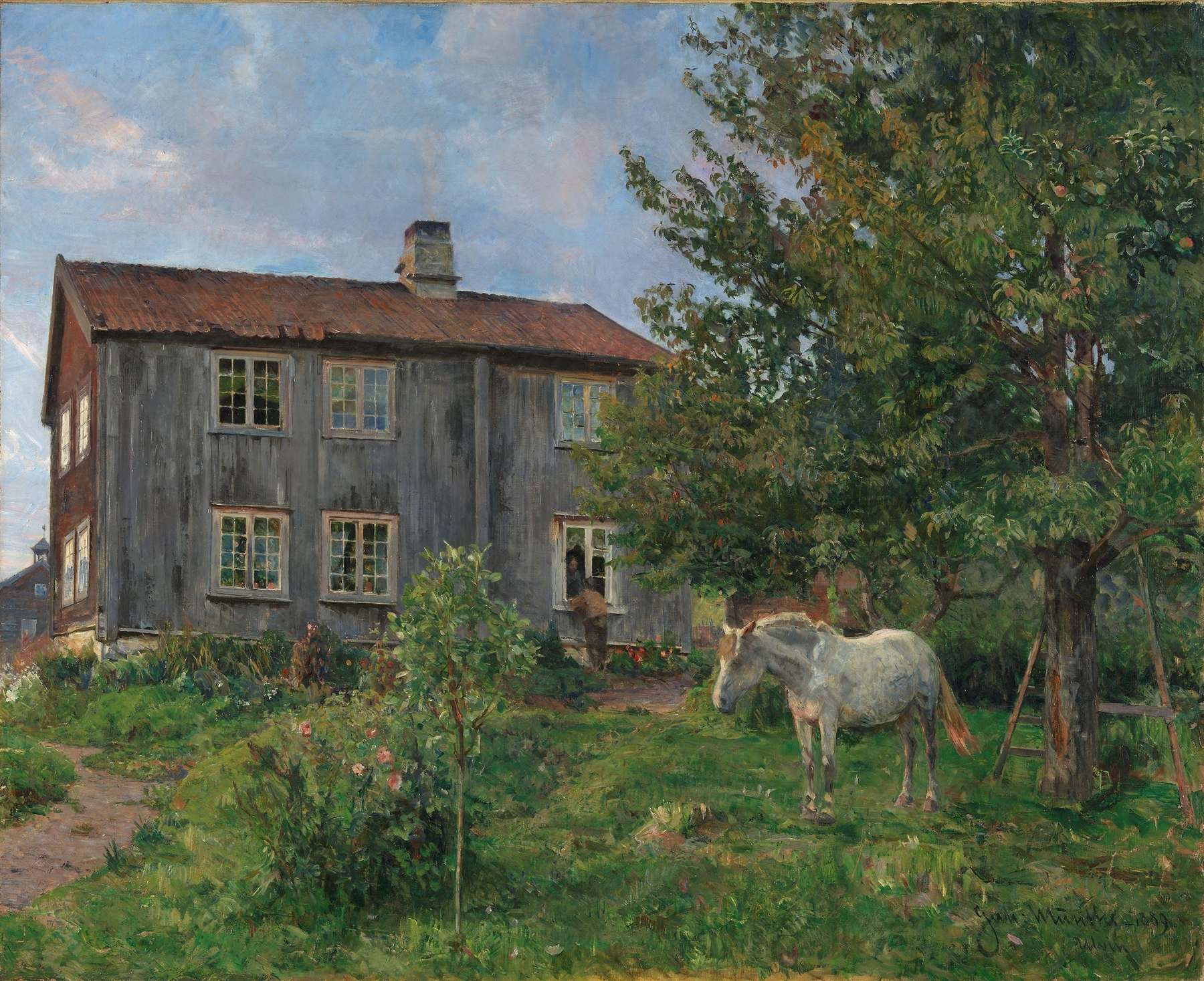
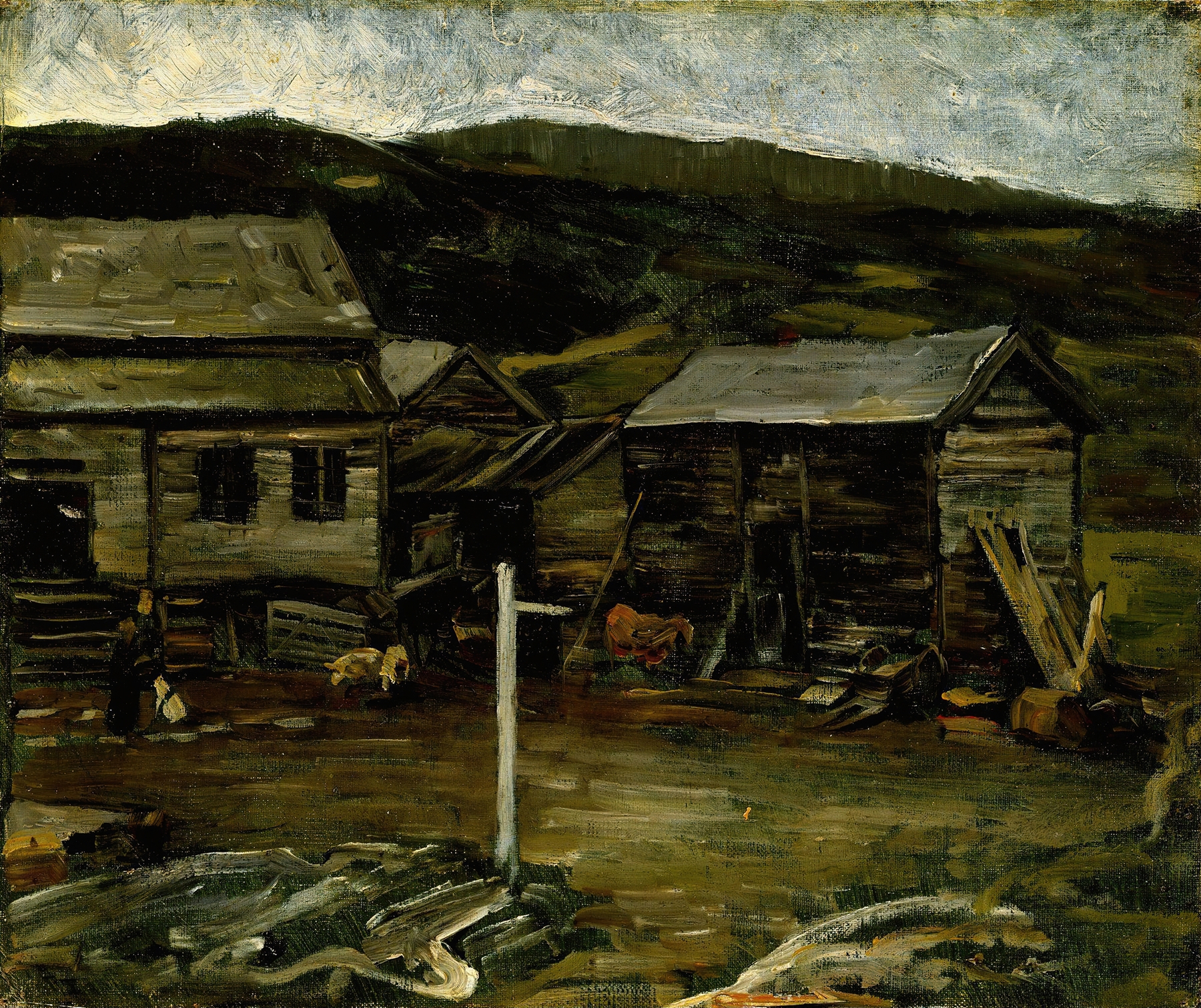
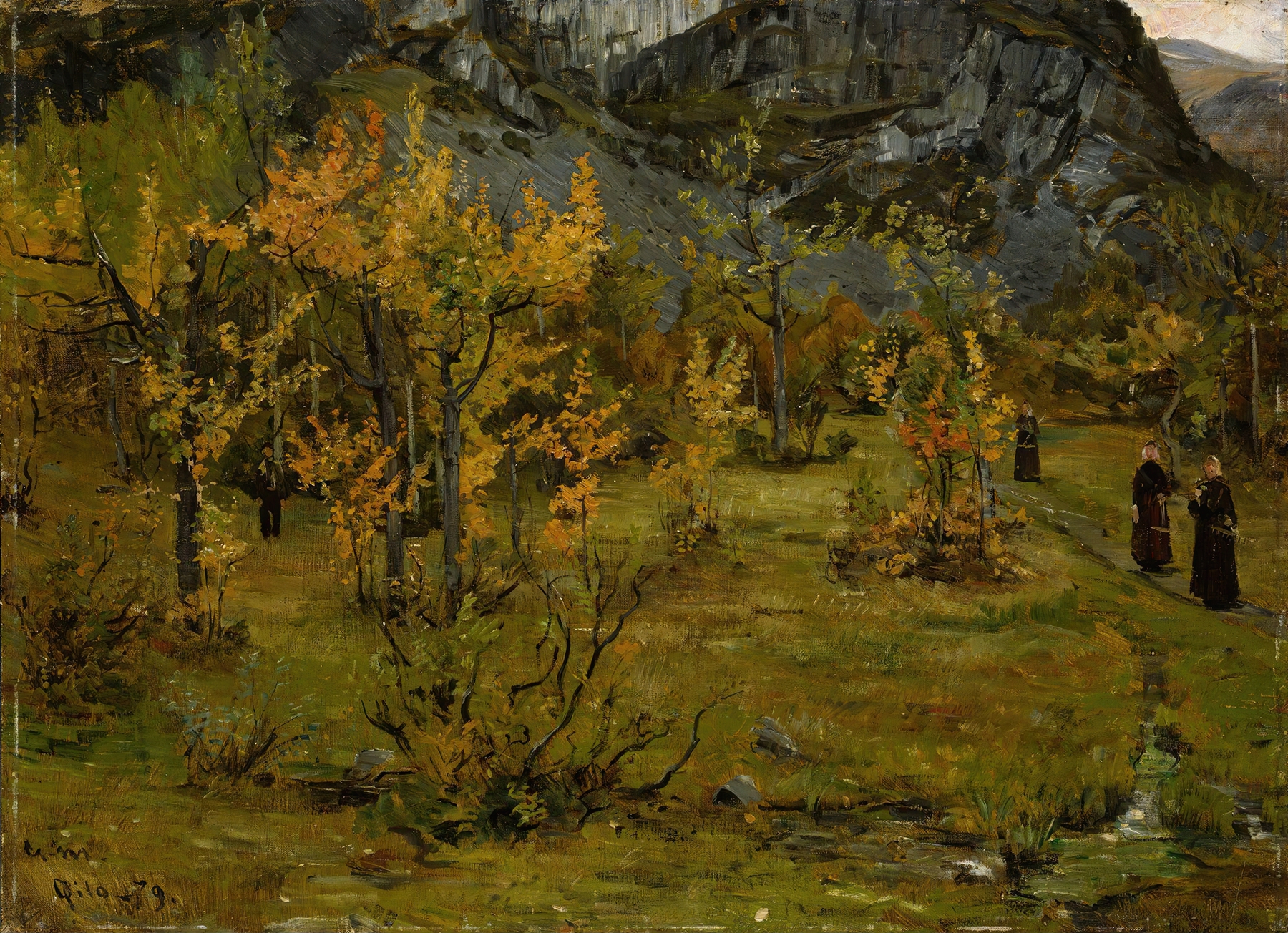
“Between color and silence, truth hides.” It is within this delicate balance of hues and quietude that the essence of life awakens in unexpected ways. Look to the center of the canvas, where a modest farmhouse stands, enveloped by lush greenery. Notice how the bright greens of the foliage contrast with the earthy tones of the building, creating a visual harmony that is both welcoming and tranquil. The artist employs a soft, impressionistic style, allowing colors to blend seamlessly, as if the very air vibrates with the pulse of life.
The gentle brushstrokes evoke a sense of movement, urging the viewer to linger in this pastoral embrace. Beneath the surface of the idyllic scene lies a poignant commentary on rural existence. The figures depicted are engaged in daily tasks, yet their expressions hint at a deeper, unspoken yearning for connection and belonging. The juxtaposition of the serene landscape with the labor at hand reflects the tension between nature's beauty and the toil of human life.
Each detail, from the dappled light filtering through the leaves to the quiet conversations shared among the farmhands, whispers of the awakening spirit of community. In 1889, the artist created this work during a time when he was exploring the intersection of Norwegian identity and natural beauty. Living and working in Norway, Munthe was influenced by the Romantic movement which emphasized emotion and nature, striving to capture the soul of his homeland. The painting emerges as a reflection not only of his personal journey but also of a broader movement within the art world, where the celebration of rural life became a prominent theme.