Coucher de soleil sur le marais fleur — History & Analysis
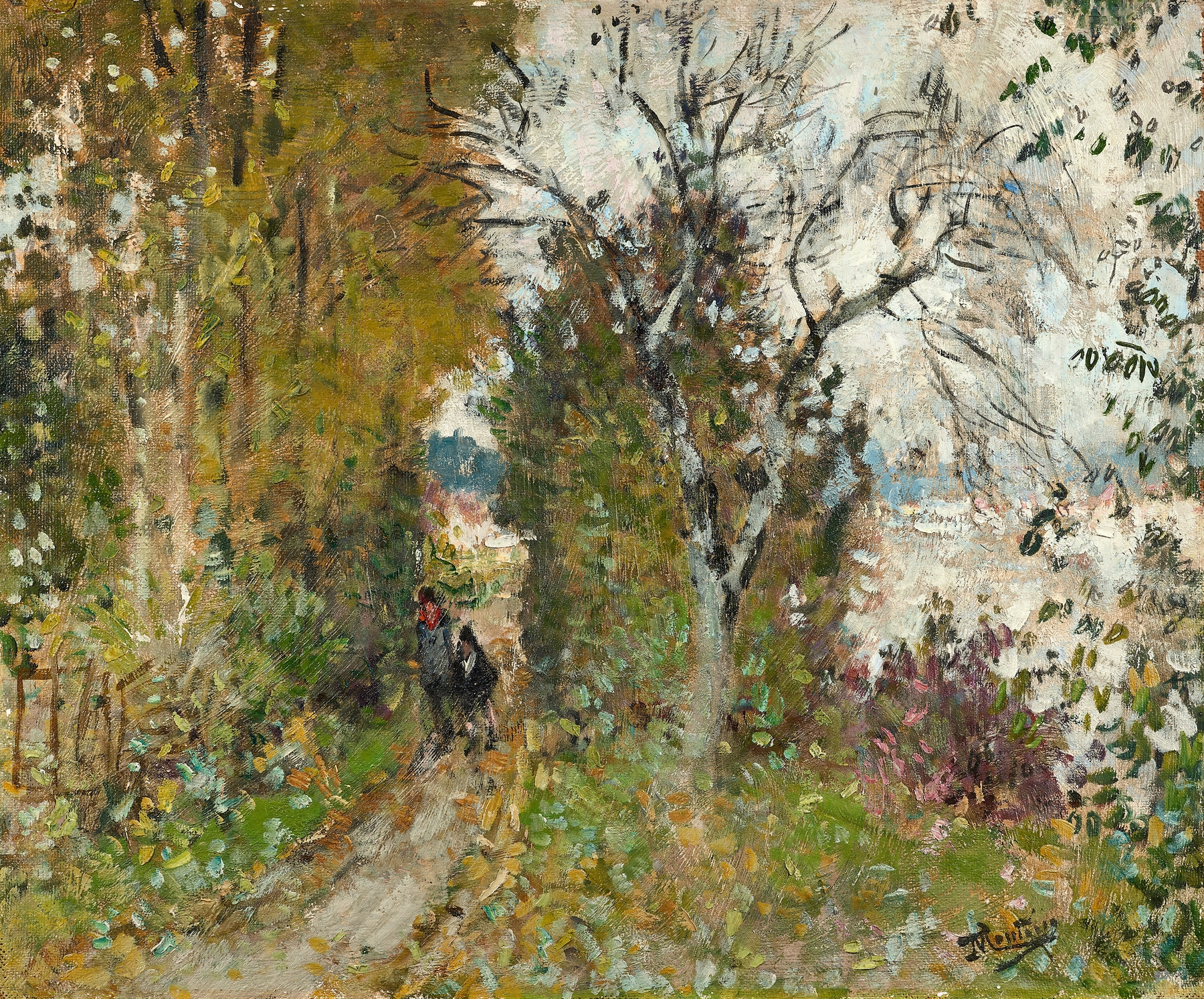
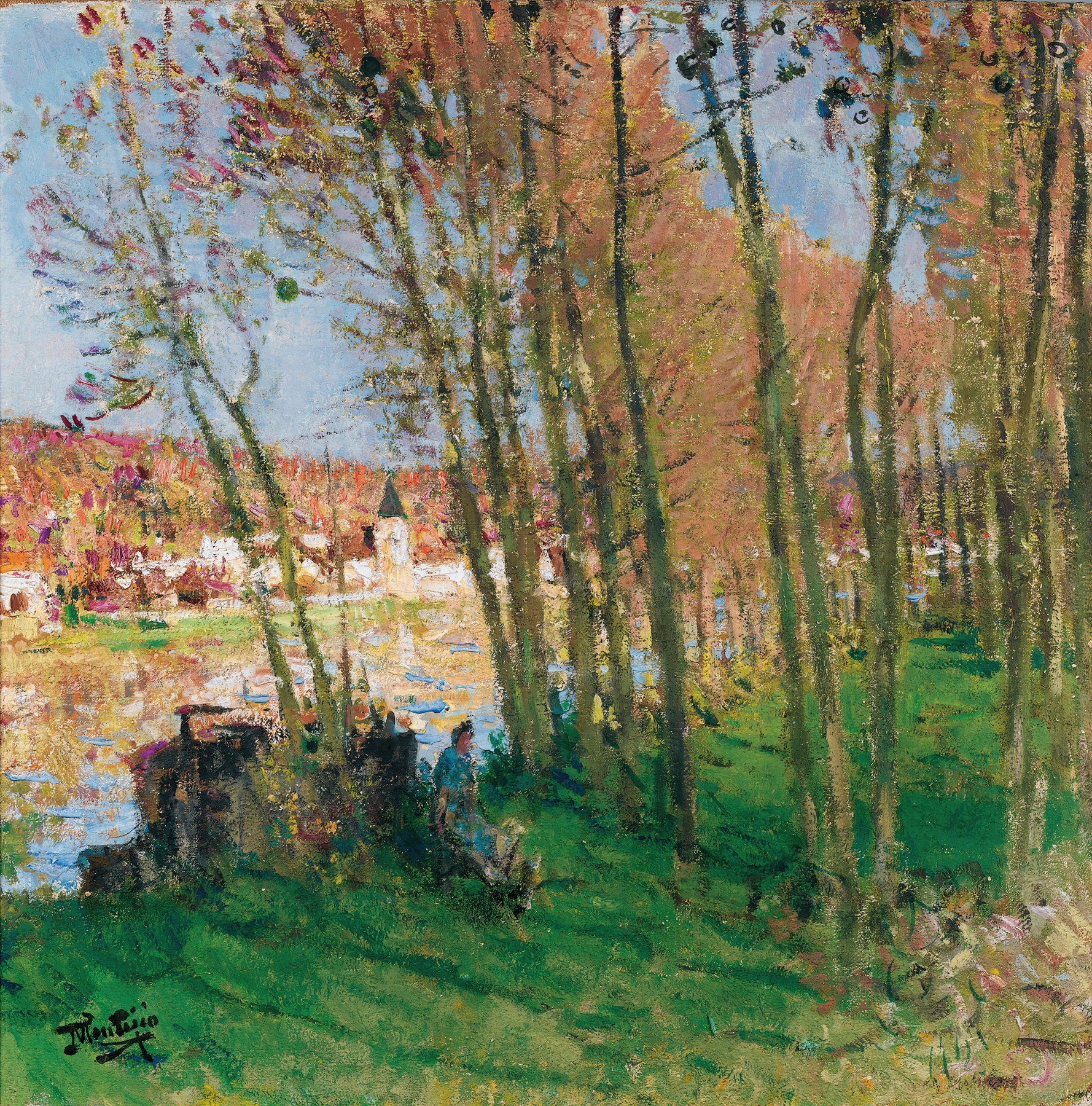
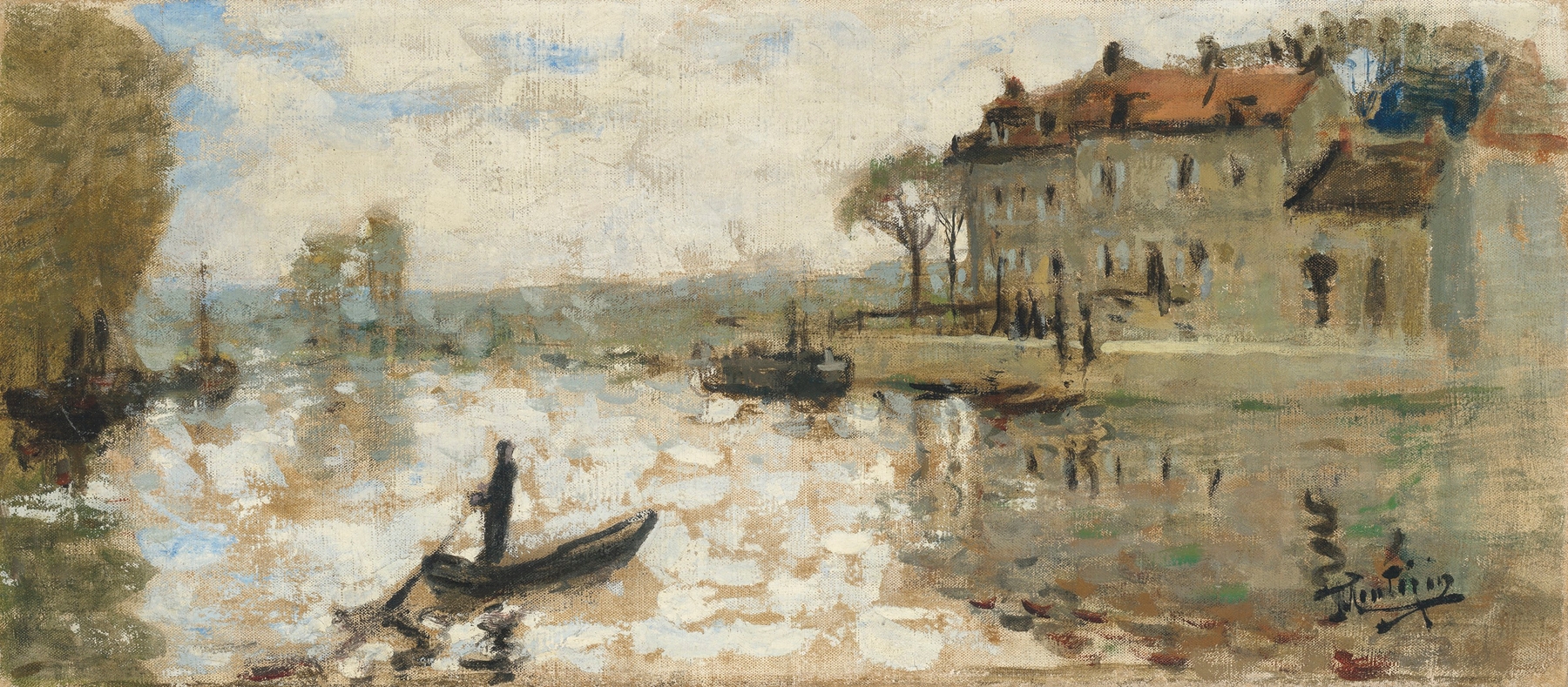
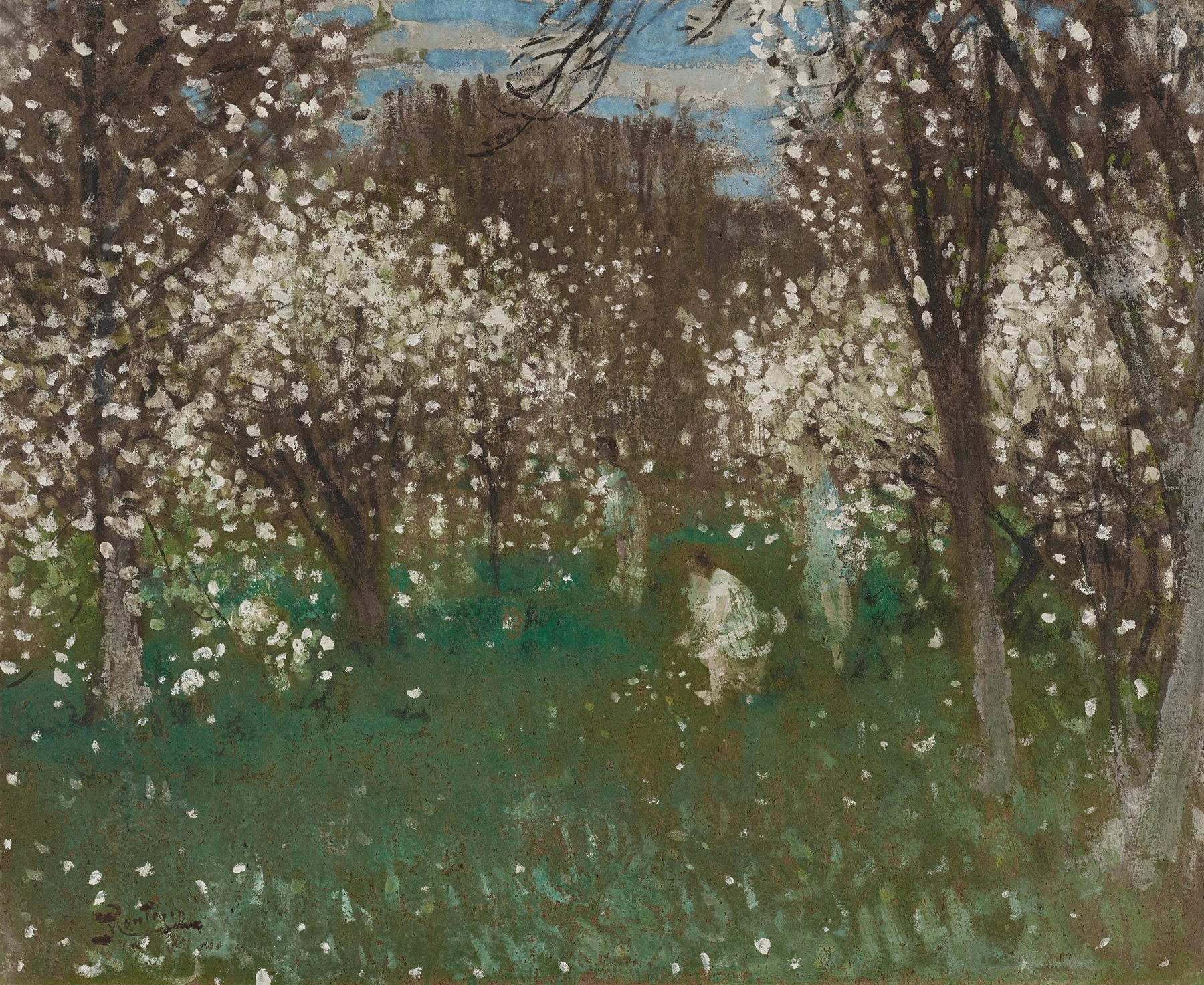
Where does light end, and longing begin? In the delicate interplay between sun-kissed hues and tranquil waters, answers flicker like reflections on the surface. Focus on the soft gradient of colors that saturate the sky, where oranges and pinks melt into deep purples, creating a mesmerizing backdrop. Look to the water at the bottom of the canvas, where the vibrant strokes of the sunset mirror the sky's brilliance, seamlessly connecting heaven and earth.
Notice how Montézin employs broad, expressive brushstrokes that evoke a sense of movement, giving life to the marsh, while the gentle ripples whisper of fleeting moments and quiet introspection. Embedded within this tranquil scene are hidden depths of emotion. The juxtaposition of the bright, lively colors against the muted earth tones of the marsh suggests a tension between joy and melancholy—an invitation to reflect on the transient beauty of nature. As the day draws to a close, the diminishing light beckons contemplation and longing, reminding us of the ephemeral nature of existence itself.
During the years 1905 to 1910, Montézin painted Coucher de soleil sur le marais fleur in France, a time when Impressionism was reaching its zenith. The artist was deeply influenced by the evolving styles of the time, blending the lyrical qualities of Impressionism with his own unique vision. This period also saw a growing appreciation for the interplay between light and color, themes that resonate powerfully in this work. Montézin’s contemplative approach to the landscape reflects both personal experiences and broader artistic currents of a changing world.