Cove, Cornwall — History & Analysis
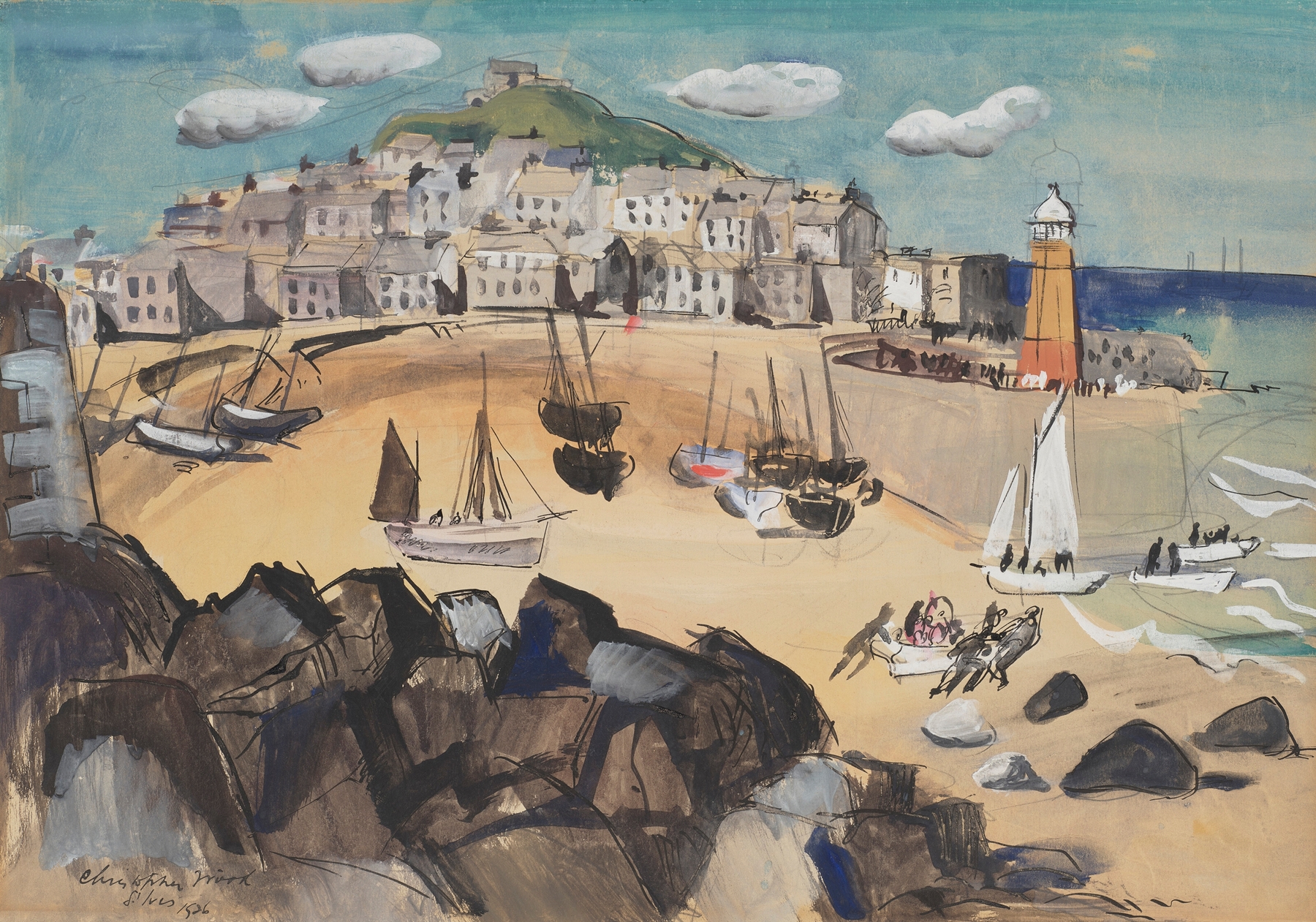
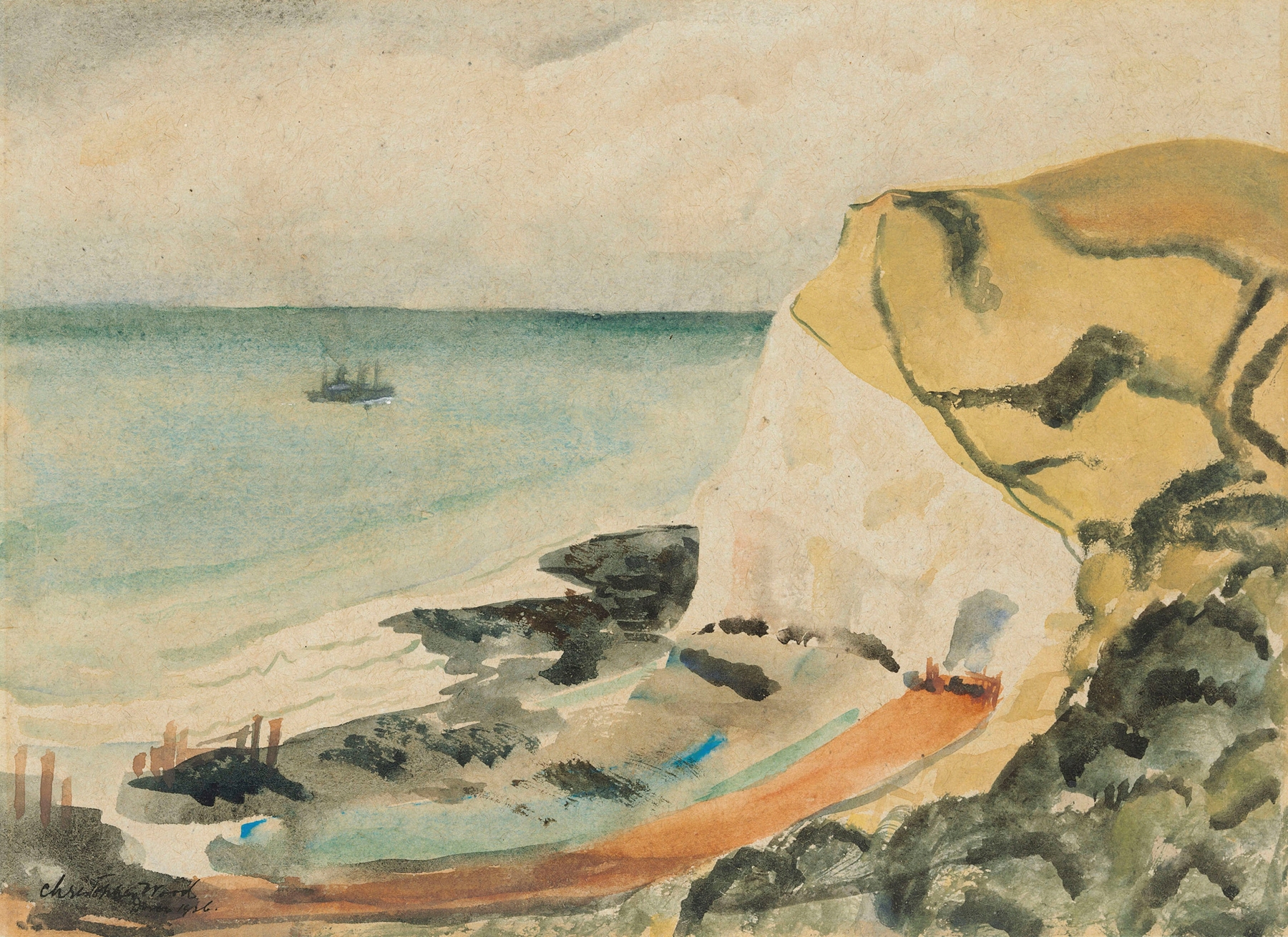
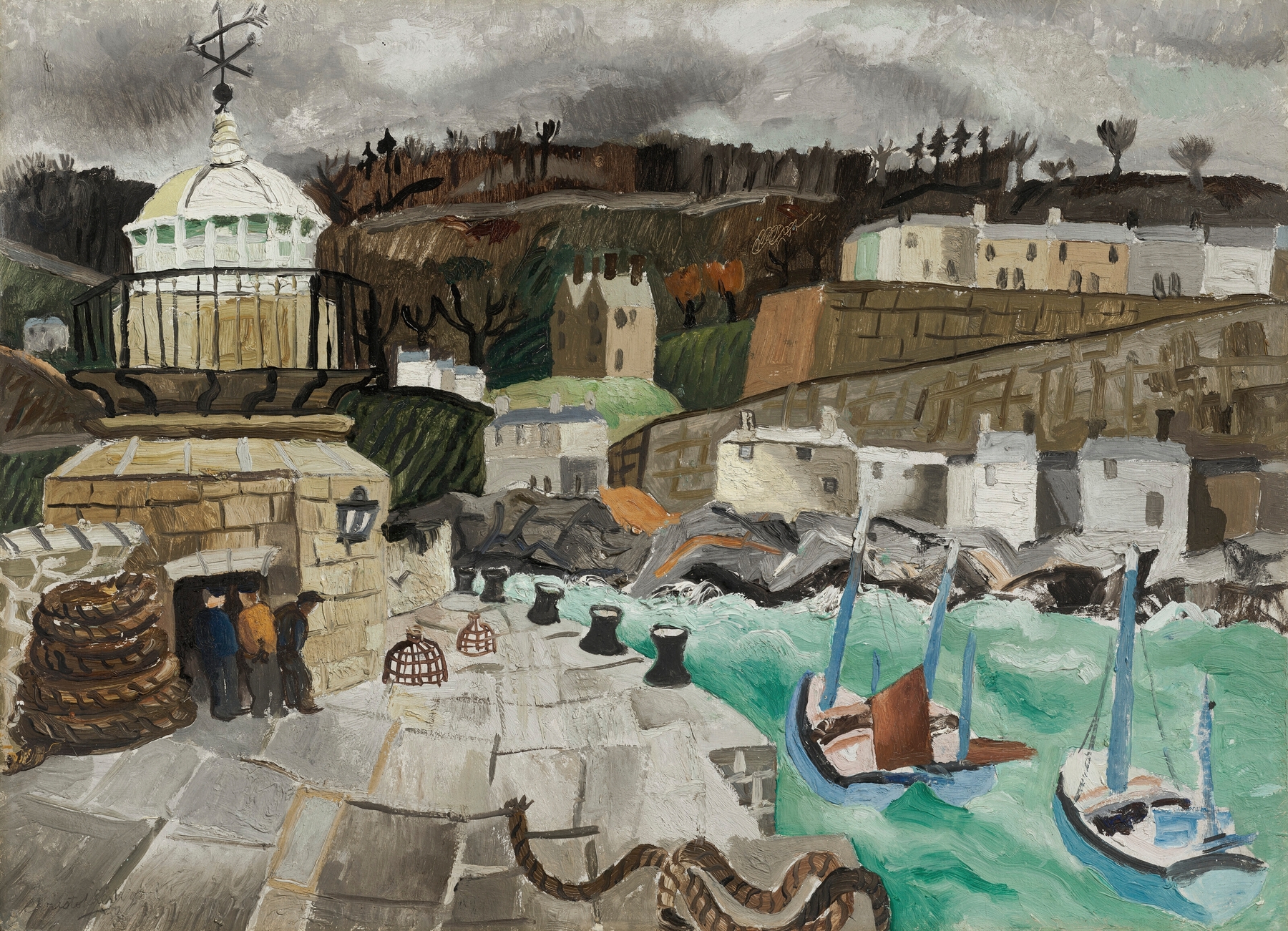
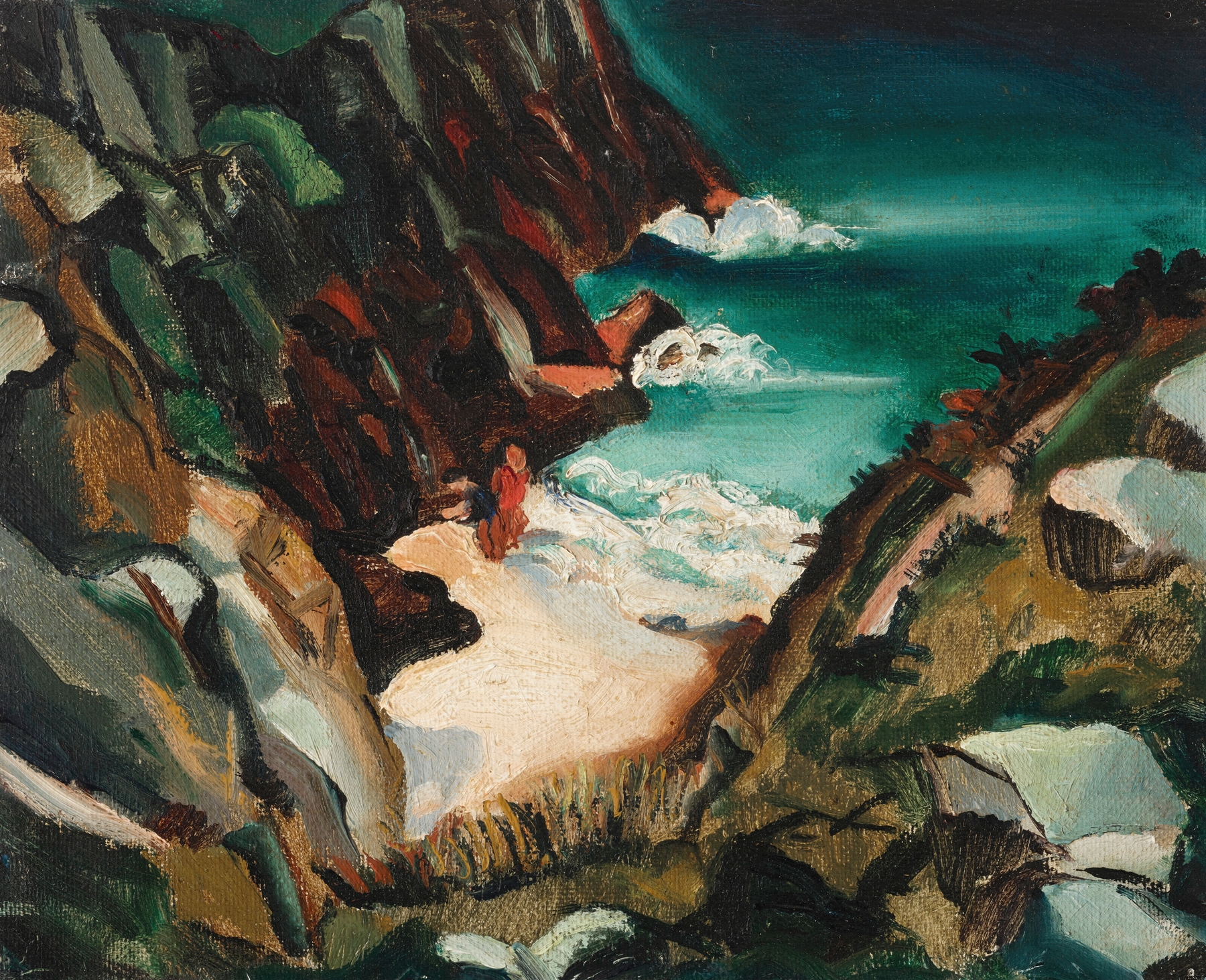
“Art reveals the soul when the world turns away.” In a fleeting moment, time is captured not as a relentless tide, but as a gentle embrace of stillness, inviting contemplation and introspection. Look to the center of the canvas where the cobalt blue sea meets a sandy shore, its waves whispering secrets of transient beauty. The strokes are fluid yet deliberate, creating a sense of movement that contrasts with the serene backdrop of rugged cliffs. The palette, dominated by earthy tones, speaks to the relationship between land and sea, while hints of sunlight peek through the clouds, suggesting the passage of time in this coastal paradise.
Embedded within this tranquil vista are layers of meaning: the juxtaposition of the vast ocean against the solid cliffs symbolizes the eternal struggle between permanence and impermanence. The soft brushwork evokes a sense of nostalgia, inviting viewers to ponder their own memories of fleeting moments by the sea. The presence of a lone figure, seemingly dwarfed by the landscape, raises questions about solitude and connection in the face of nature’s grandeur. Christopher Wood painted Cove, Cornwall in 1926 while living in St.
Ives, a vibrant art community in England. This period marked a personal evolution for the artist, who was influenced by the interplay of light and color, as well as the desire to express emotional truths through landscape. The work reflects not only his connection to place but also the broader quest for meaning in a rapidly changing world.