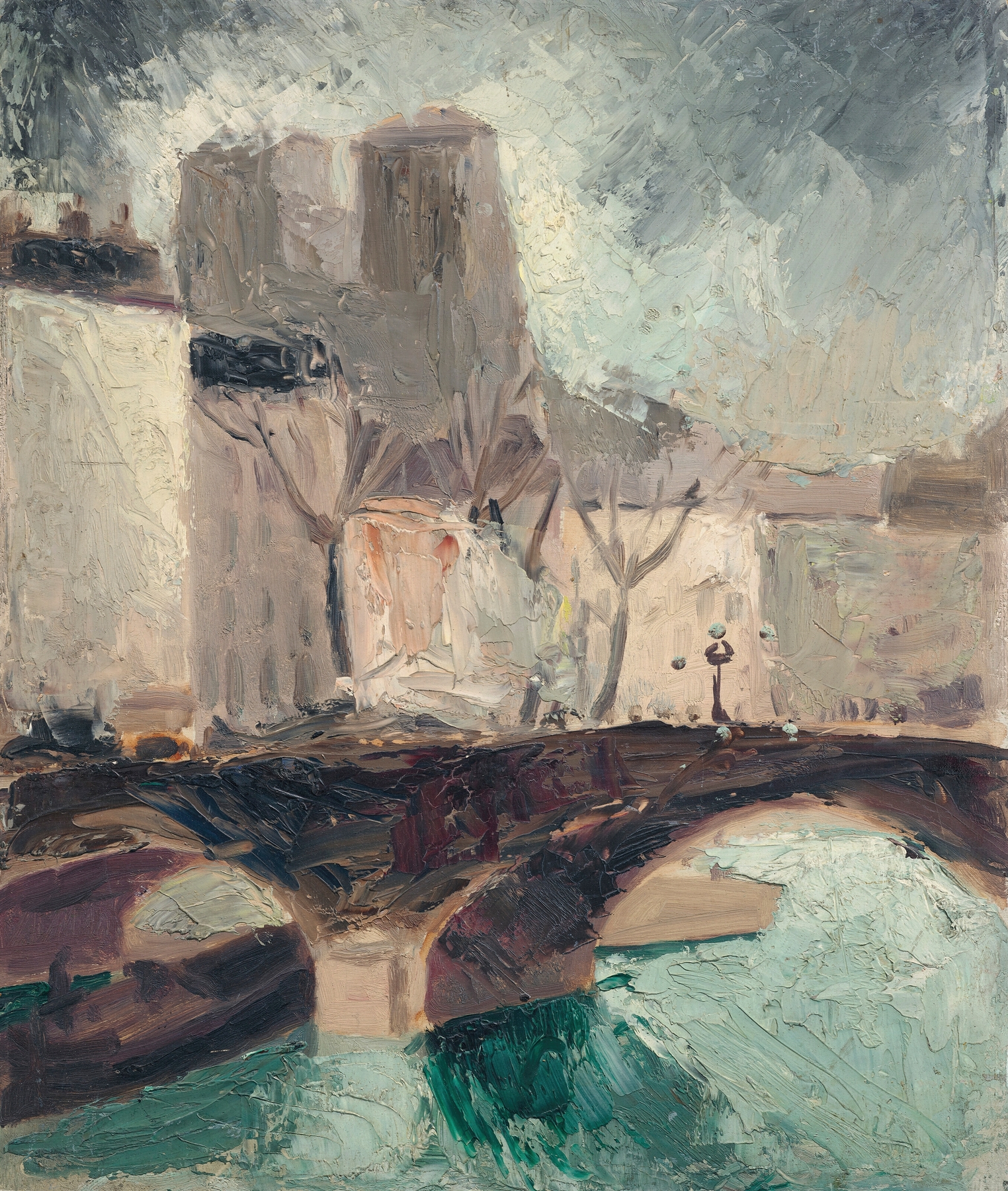
St Ives — History & Analysis
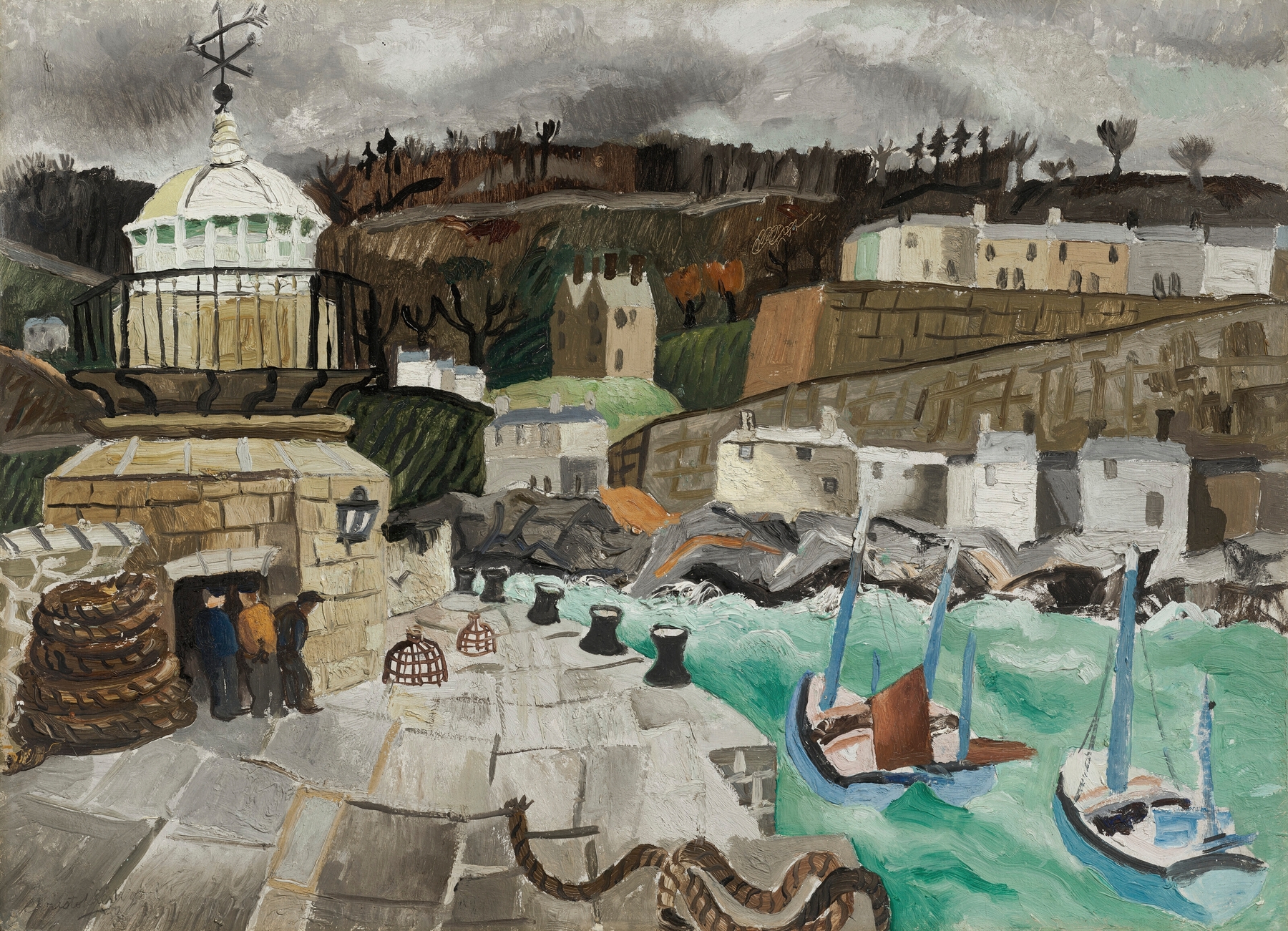
Could a single brushstroke hold eternity? In St Ives, vibrant and fleeting moments of life intermingle with the shadow of mortality, crafting an emotional echo that resonates through time. Look to the center of the canvas to find the radiant shoreline, where delicate waves lap against the golden sands. The interplay of blues and ochres draws your eye, while gentle brushstrokes create a rhythm that mimics the ebb and flow of the tide.
Notice how the light dances across the water's surface, capturing fleeting reflections that shimmer like memories, inviting you to linger and reflect on what once was. In this scene, contrasting colors highlight the duality of existence—light against shadow, joy against sorrow. The charming boats anchored in the harbor symbolize both the safety of home and the inevitable call of the unknown sea. Each element in this composition speaks to the transience of life, while the serene landscape serves as a reminder of the beauty found in moments that slip away like grains of sand through fingers.
Christopher Wood painted St Ives in 1926, during a period of personal turmoil and exploration. Living in Cornwall, he was immersed in the vibrant art community, striving to forge his unique style amidst the influences of modernism. This work reflects not only his artistic journey but also the broader movement of a post-war society grappling with change, offering a glimpse into the depths of human experience and the beauty of impermanence.