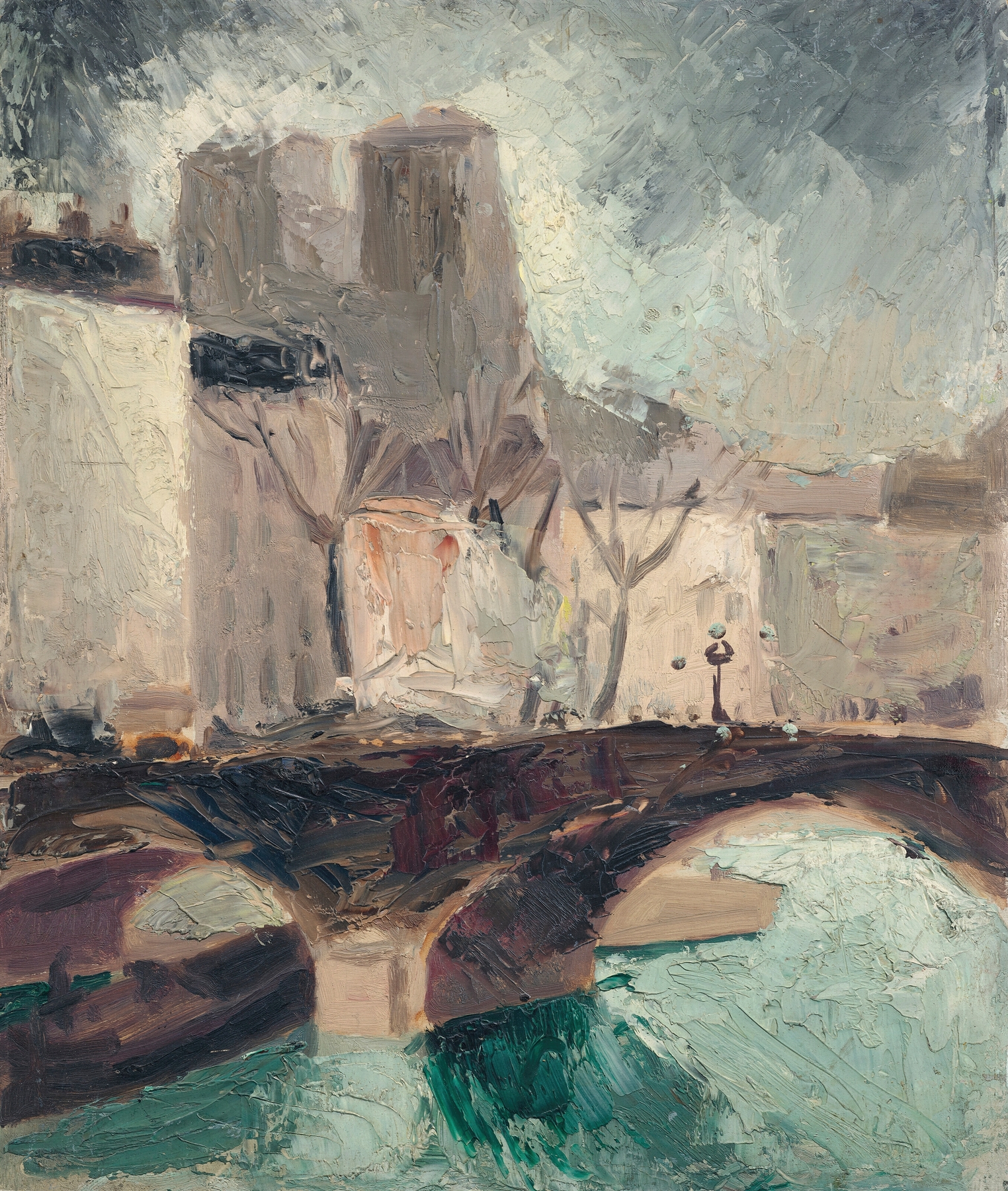
Dover — History & Analysis
“Every silence here is a confession.” The weight of loneliness permeates the canvas, echoing the unspoken thoughts of its solitary inhabitants. Look to the left at the distant cliffs, their jagged edges stark against the soft, pastel sky. The painting invites your gaze to the serene waters at the bottom, where the gentle waves catch hints of sunlight, creating a delicate shimmer. Notice how the horizon stretches infinitely, creating a sense of vast emptiness that amplifies the isolation felt by the figures above.
The color palette, dominated by muted blues and soft whites, evokes both calmness and a pervasive melancholy, drawing the viewer into the quietude of the scene. In this work, the juxtaposition of the grand cliffs and the small boats captures an emotional tension—between nature’s grandeur and human vulnerability. The solitary boat sailing away hints at a yearning for connection or escape, while the cliffs loom as silent witnesses to this transient moment. The gentle brushstrokes and layering of color evoke a sense of nostalgia, suggesting that within every tranquil landscape lies a deeper narrative of solitude and longing.
Christopher Wood painted Dover in 1926 during a tumultuous period in his life, marked by inner conflicts and a quest for personal identity. Living in Paris, he was deeply influenced by the avant-garde movements of the time. This work reflects not only his personal struggles but also an emerging focus on the emotional resonance of landscapes in the art world, capturing the shifting tides of modernity and introspection.