The Thames at Battersea — History & Analysis
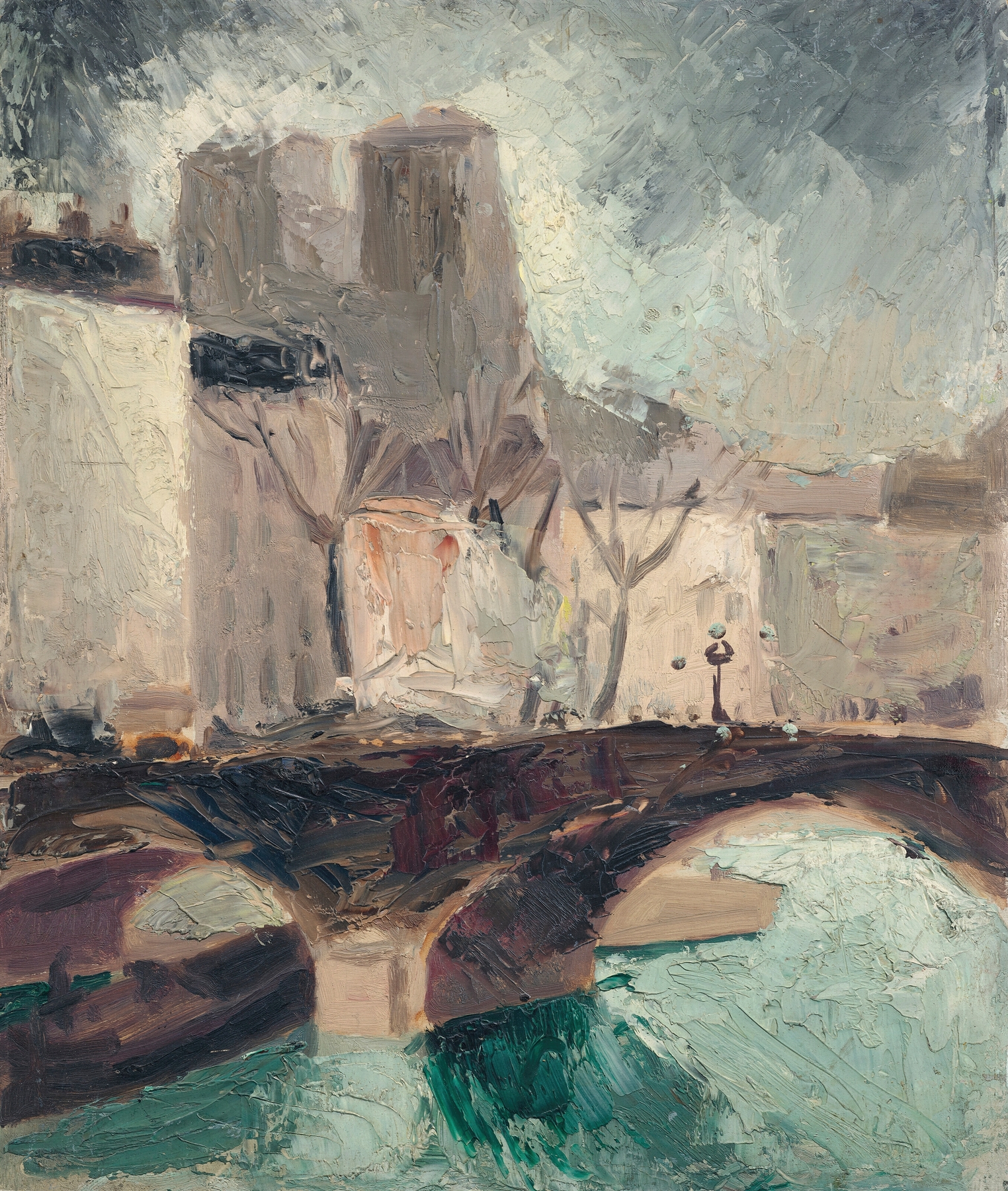
Can paint confess what words never could? In The Thames at Battersea, the river flows like liquid time, capturing a moment forever suspended between past and present, echoing the world’s quiet transformations. Focus on the shimmering surface of the water, where various hues of blue and green meld together, creating a vibrant tapestry that dances with the light. Look closely at the horizon, where the sun is setting—its warm oranges and yellows contrast beautifully with the cooler tones of the river.
The composition guides your eye across the canvas, inviting you to explore its gentle slopes and the soft, impressionistic brushstrokes that evoke a sense of calm and continuity. Hidden within this tranquil scene are layers of emotional tension—the juxtaposition of serenity and the relentless passage of time. The fluidity of the river suggests movement, a reminder of change and impermanence. Meanwhile, the idyllic landscape captures a fleeting sense of peace, hinting at the stories and lives intertwined with this historic waterway.
As you delve deeper, you might sense the nostalgia for a world that slips away even as it is immortalized in pigment. In 1925, Christopher Wood painted this piece during a period of personal and artistic exploration. Living in Paris, he was influenced by modern movements yet remained deeply connected to the English landscape. This blend of nostalgia and modernity reflected broader shifts in the art world, as artists began to grapple with the complexities of contemporary life while paying homage to the enduring beauty of nature.