In Zillertal — History & Analysis
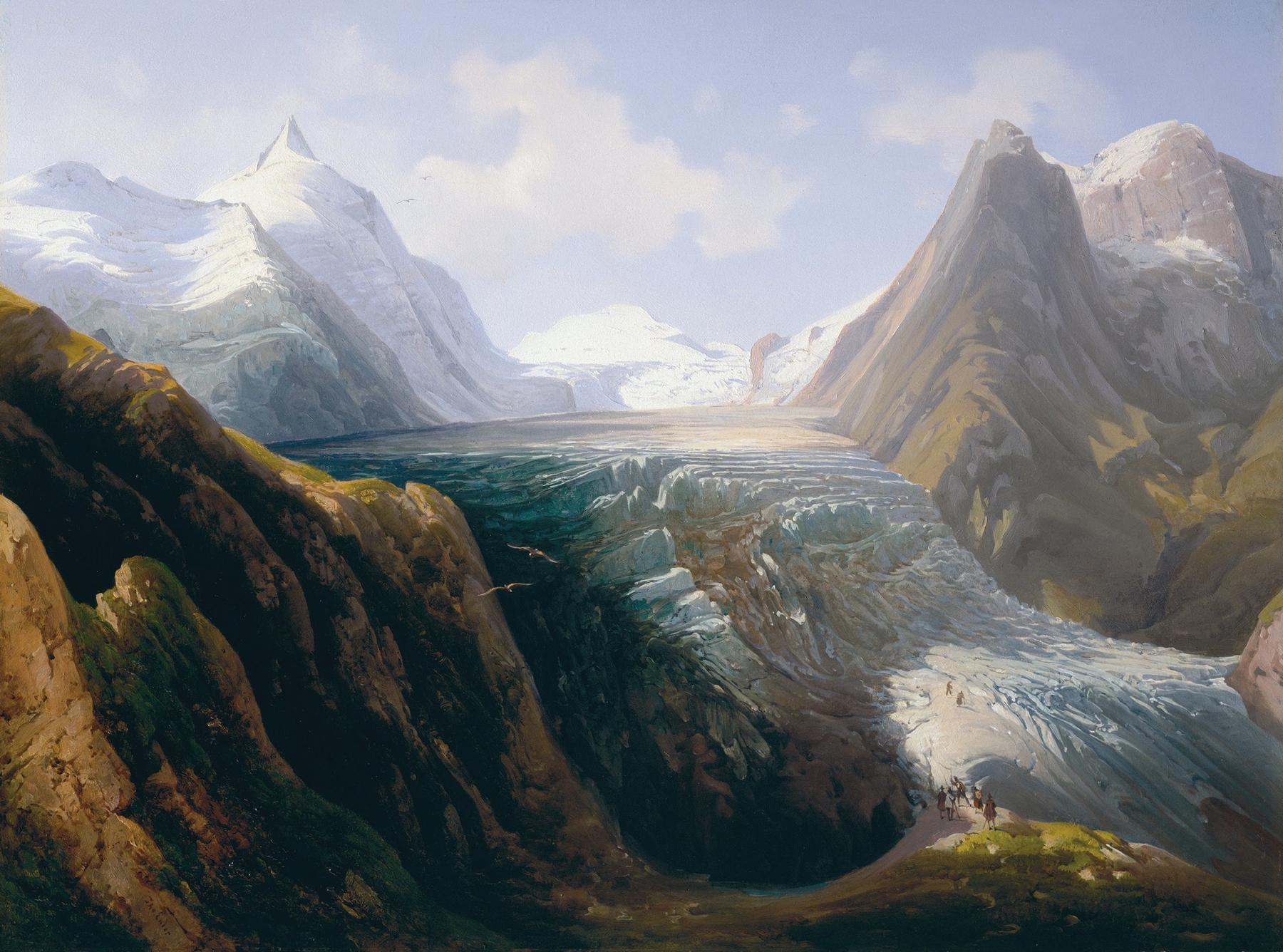
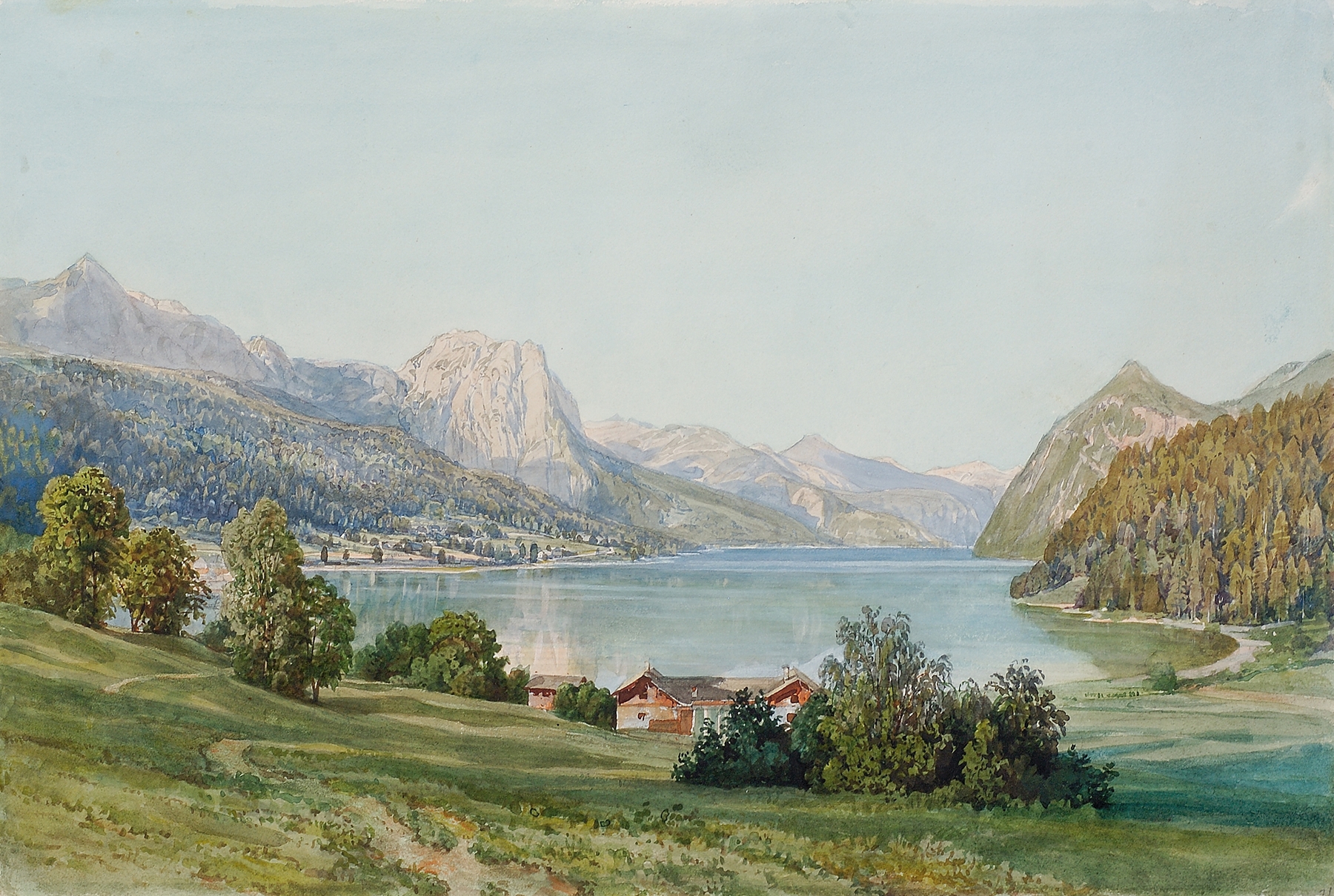
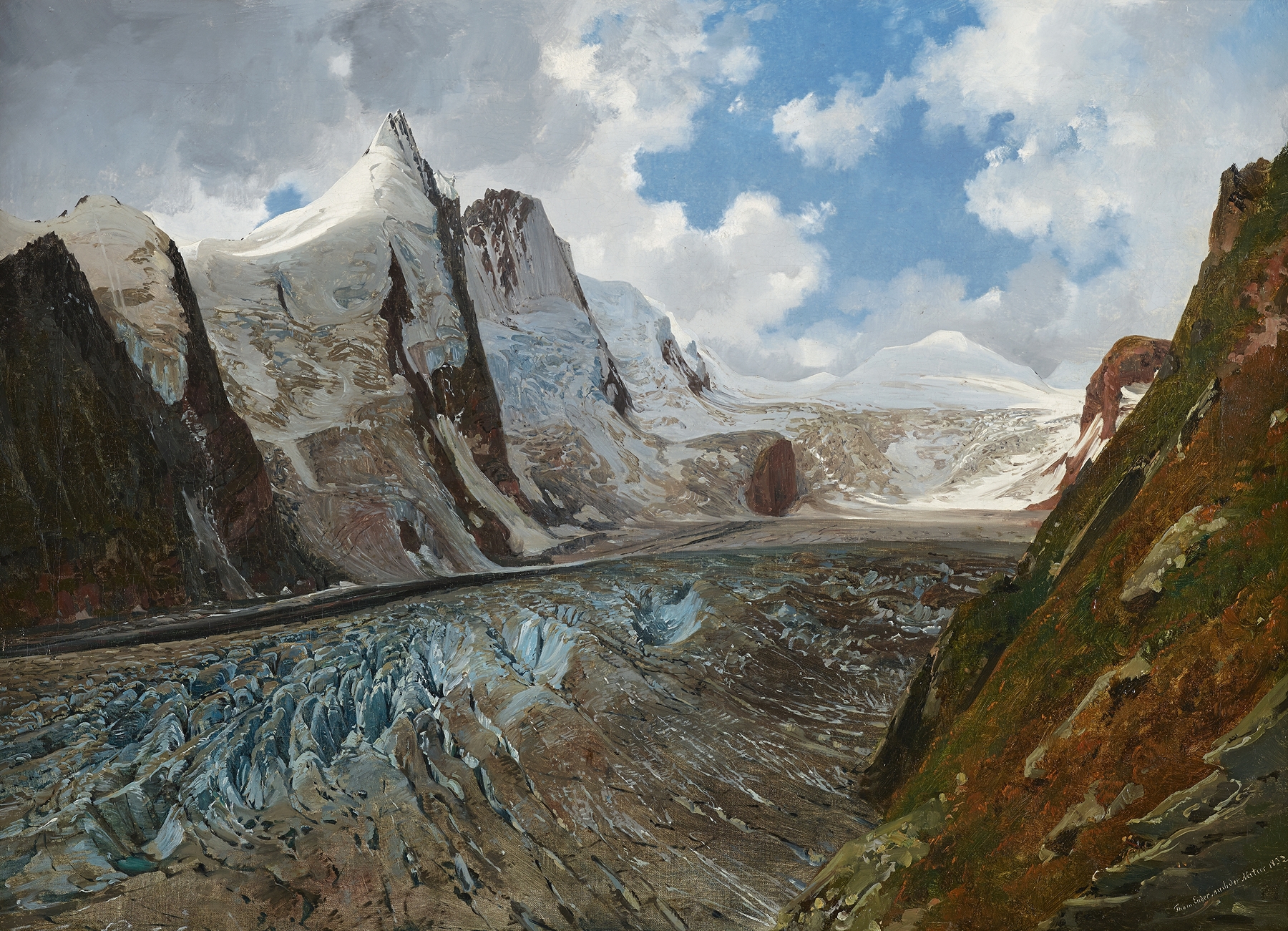
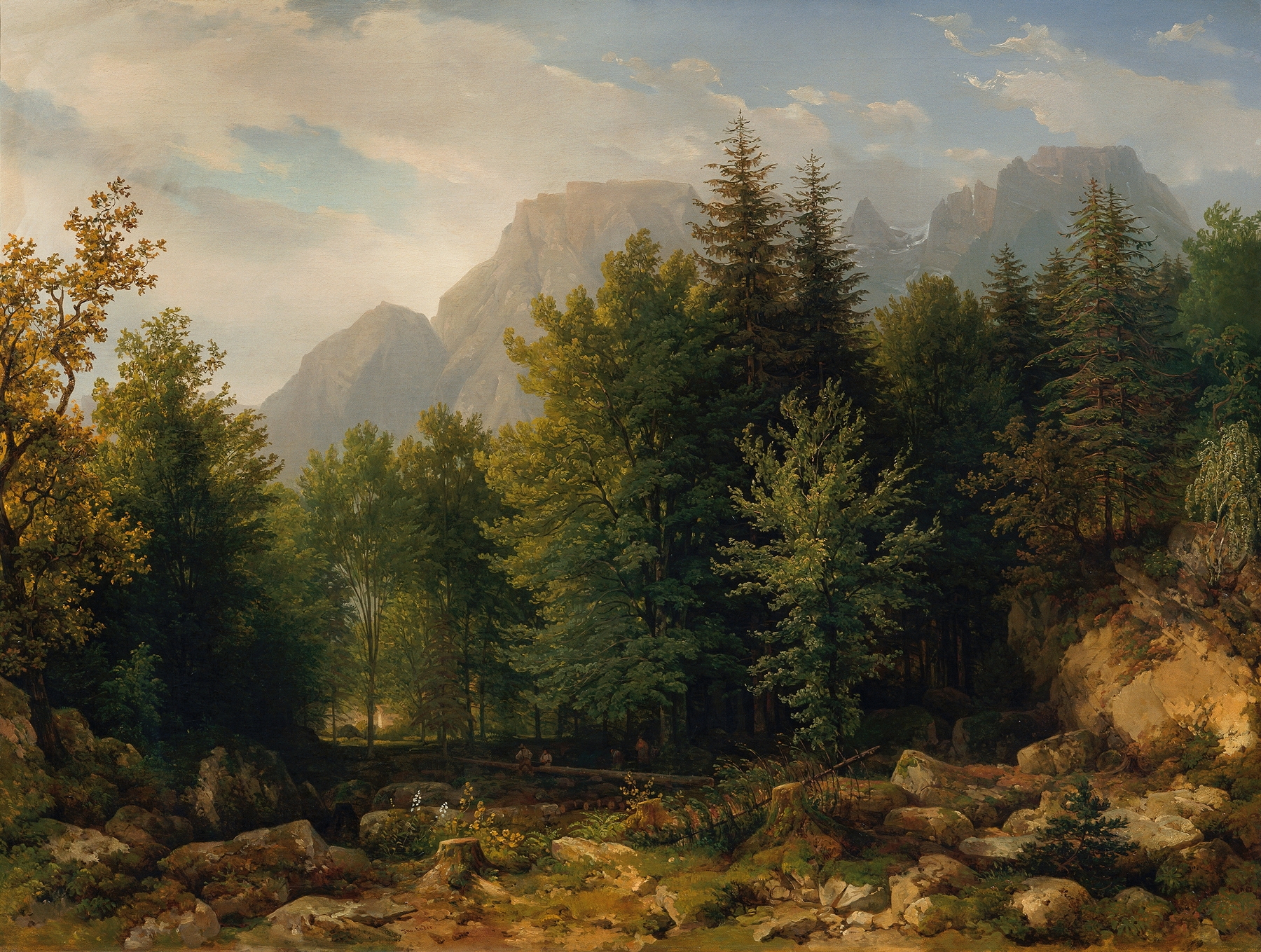
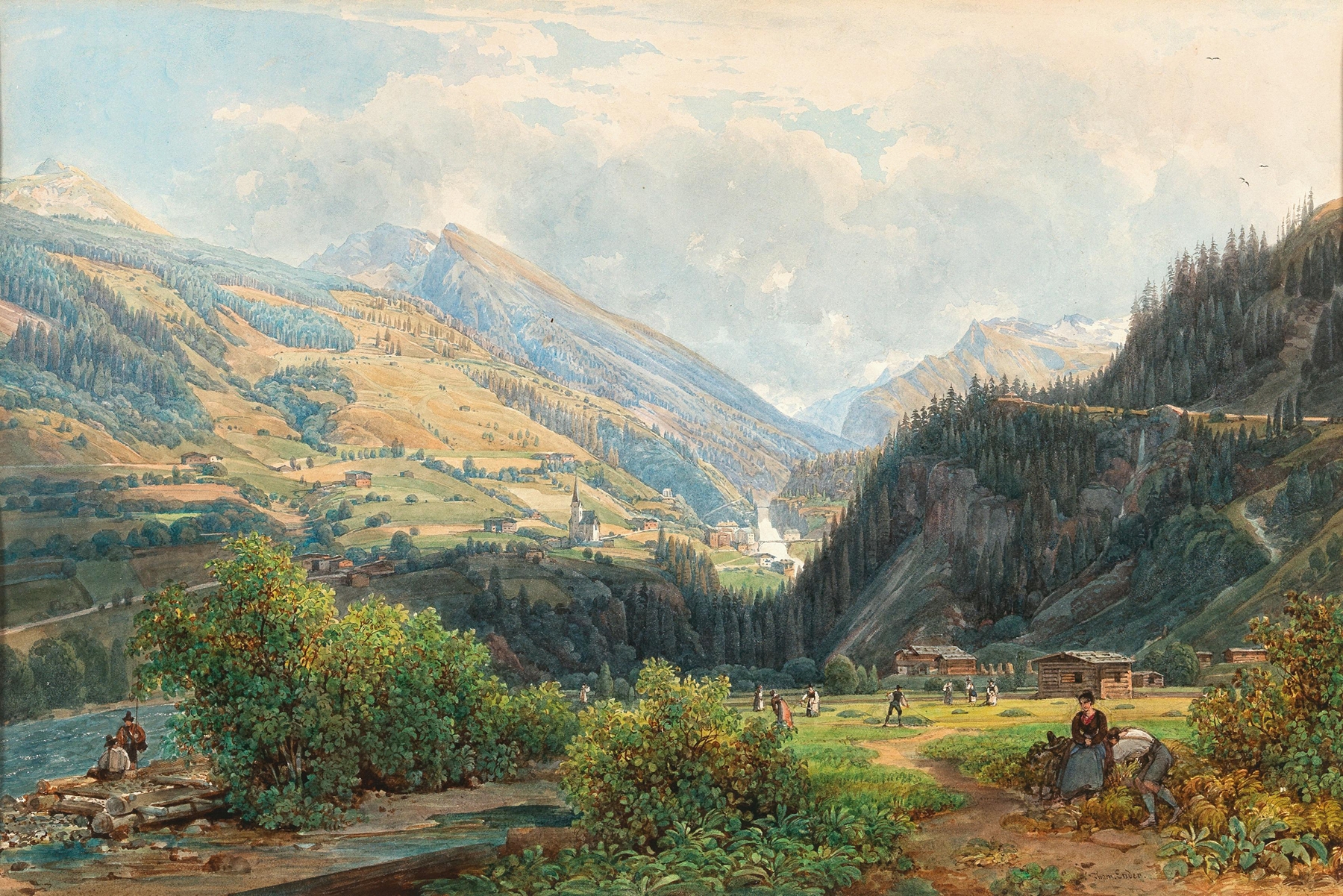
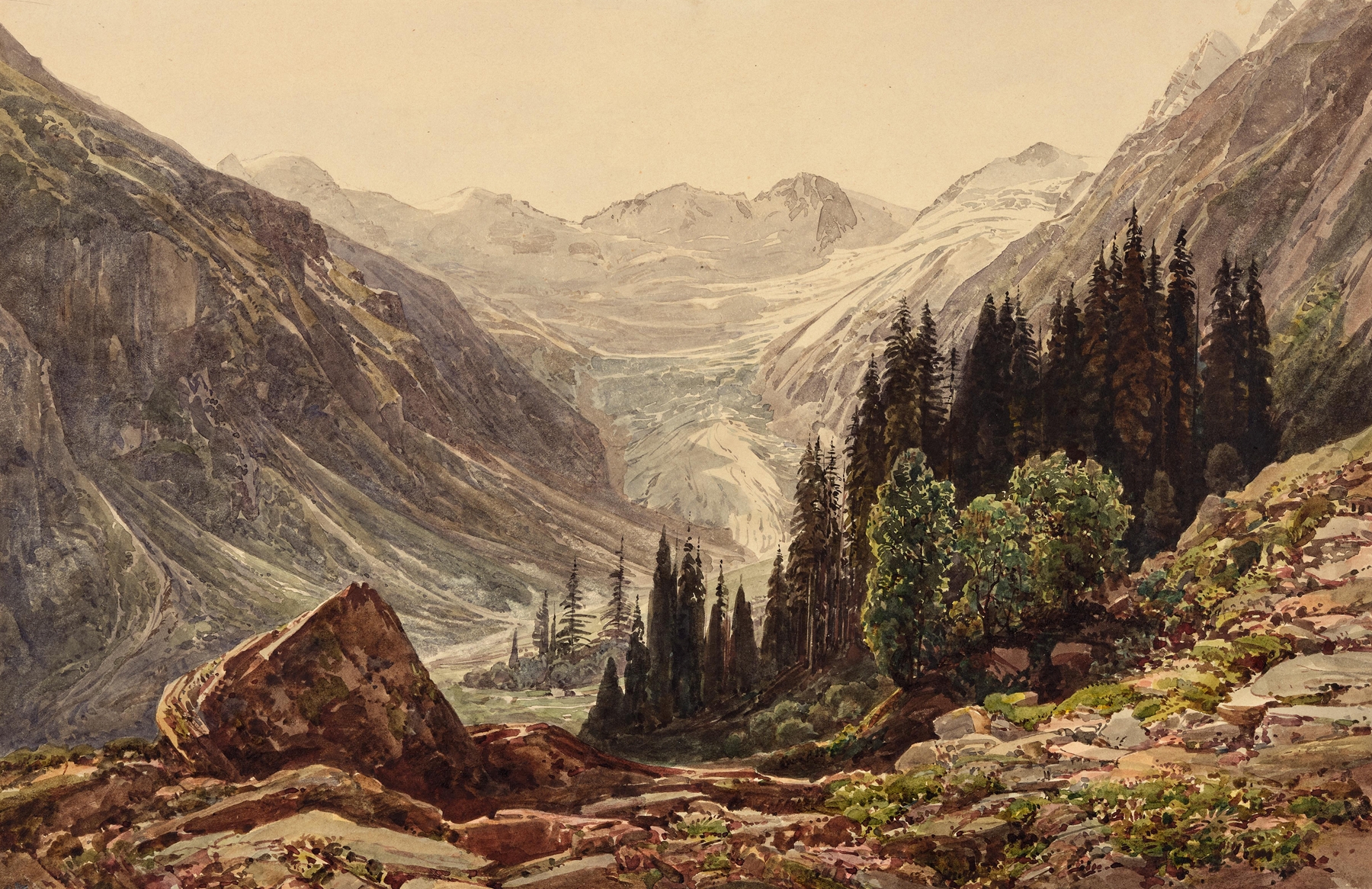
When did color learn to lie? In a world where nature whispers truths and deceptions alike, the balance between reality and illusion rests in the palette of an artist's brush. Look closely at the sweeping valleys depicted here, where verdant greens and cerulean blues vie for dominance. The viewer's eye is immediately drawn to the jagged peaks that rise majestically against the horizon, their snow-capped tips kissed by the sun.
Notice how light dances across the canvas, illuminating the foreground’s lush meadows while casting deep shadows along the rugged slopes, creating a harmonious tension that evokes both serenity and grandeur. Within the layers of paint lies a dialogue between the elements: the softness of the grass contrasts with the starkness of the mountains, while the winding river acts as a silent mediator, threading through the landscape like an unspoken promise. This interplay of light and shade, color and form, speaks to the delicate balance of nature itself—showing how beauty often masks the trials of existence beneath.
In In Zillertal, created by Thomas Ender in the mid-19th century, the artist found inspiration in the Austrian Alps during a time of burgeoning Romanticism in art. Ender, a celebrated landscape painter, sought to capture the sublime beauty of nature, reflecting both his personal experiences and the growing appreciation for the natural world amid the industrial age. This work stands as a testament to his commitment to revealing the intricate balance of life through his vivid landscapes.