Das Rothe Kloster in der Zips — History & Analysis
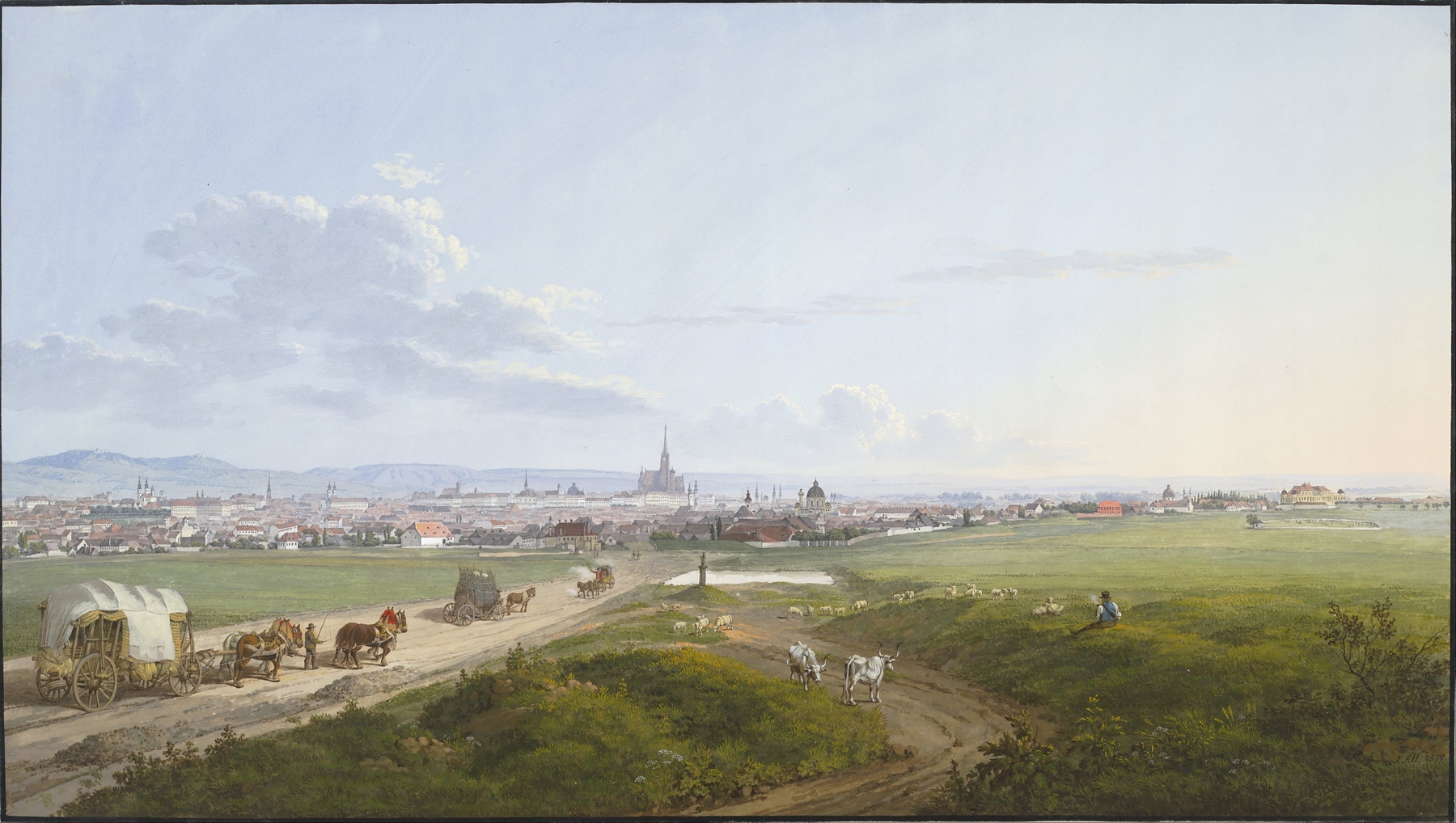
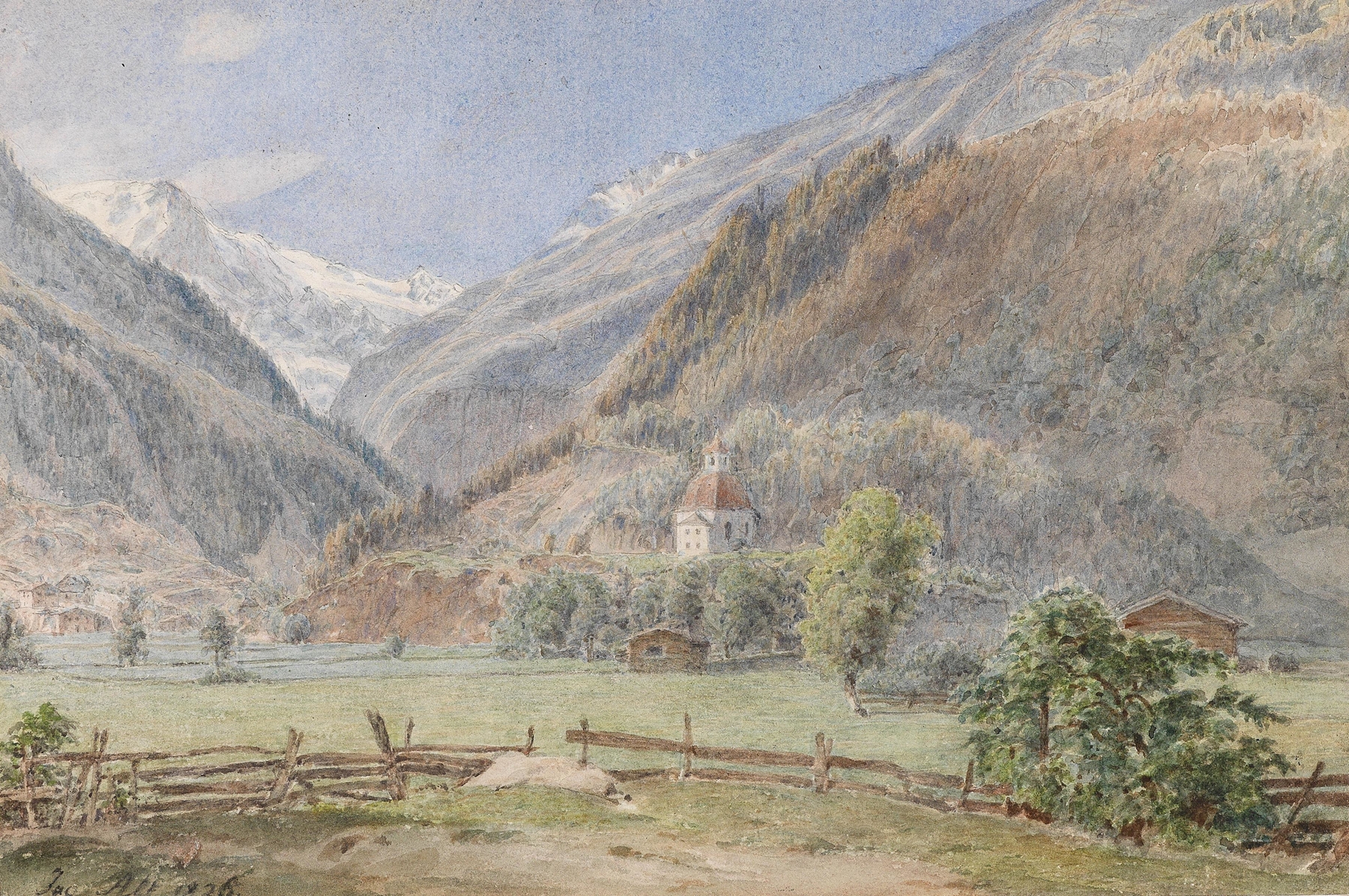
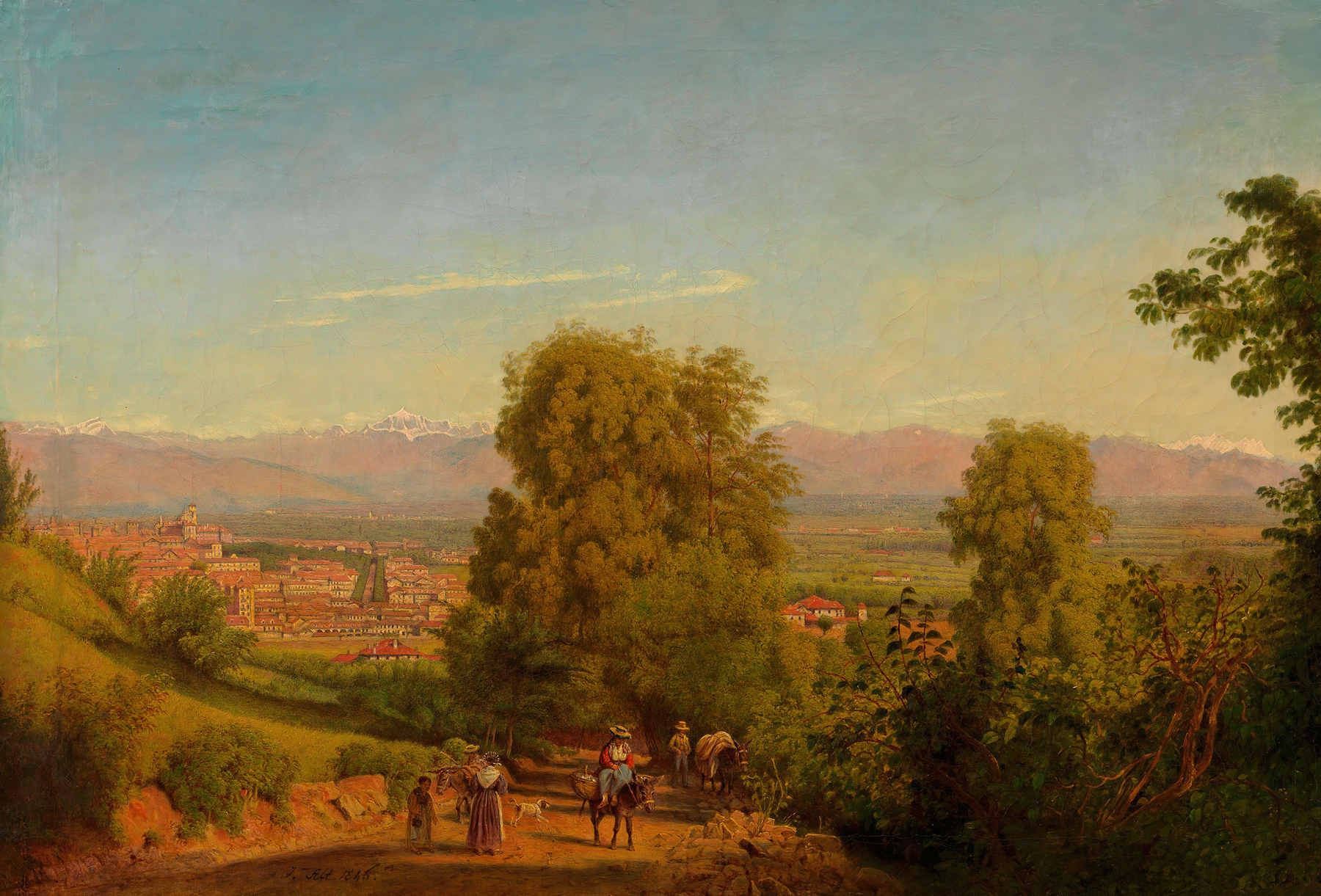
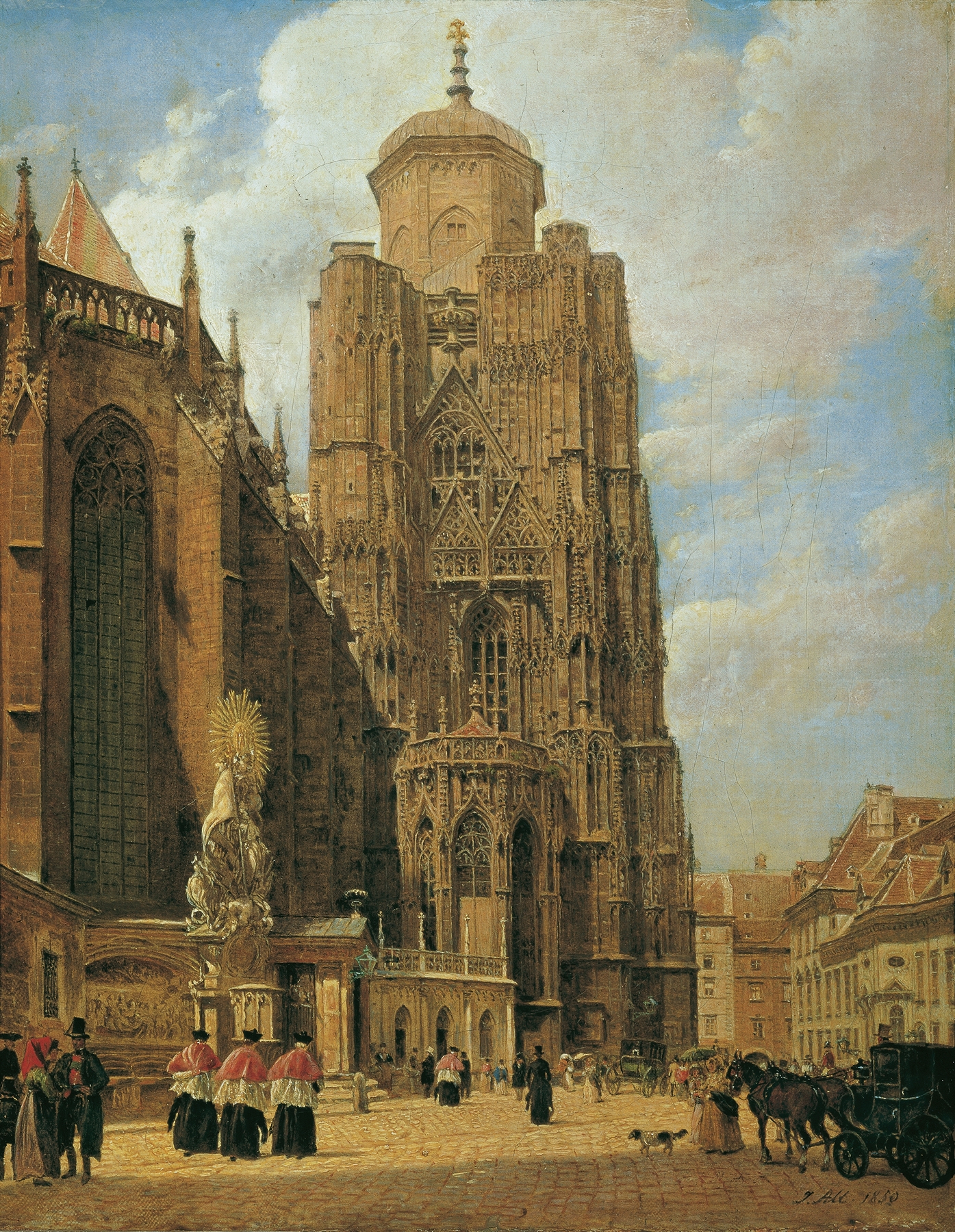
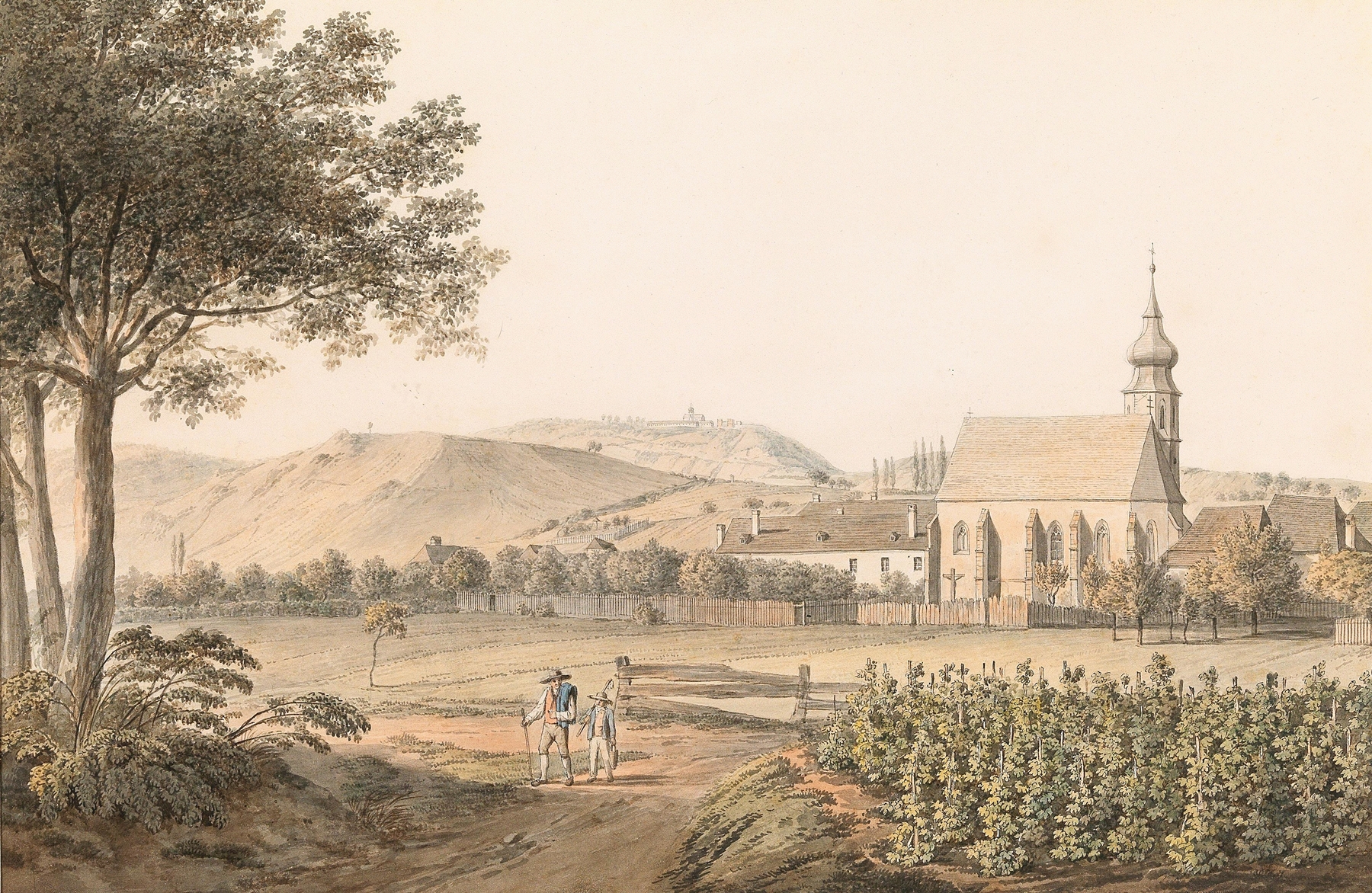
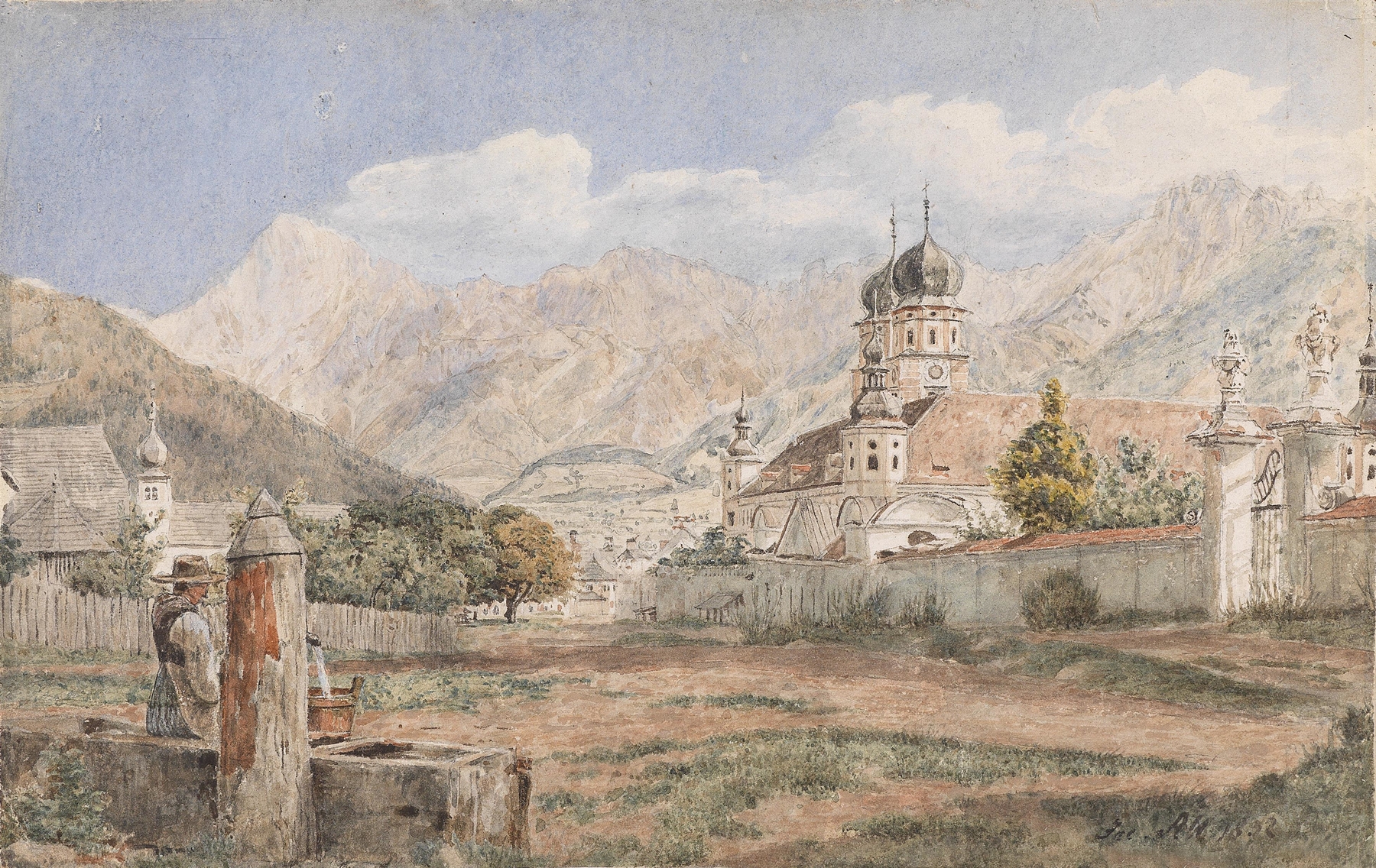
“Sometimes beauty is just pain, disguised in gold.” In the heart of the Zips region, transformation reverberates through the landscape, revealing the delicate dance between decay and renewal. Look to the left at the towering spires of the monastery, their weathered stone a testament to time's passage, casting long shadows across the verdant valley. The painter's palette balances earthy browns with soft greens, inviting the viewer to trace the intricate lines of the architecture that speaks of resilience. Notice how the gentle slope of the hills leads the eye toward the horizon, where the sky blushes in shades of pink and orange, capturing the fleeting moments of dusk.
As you absorb the scene, consider the interplay of light and shadow — a metaphor for the duality of existence. The monastery stands as a symbol of spiritual refuge amidst the encroaching wildness of nature, hinting at the tension between human endeavor and the relentless forces of the natural world. The juxtaposition of the rigid, man-made structure against the soft, organic forms of the landscape evokes a poignant sense of longing for stability in an ever-changing environment.
In 1838, when this work was created, Jakob Alt was immersed in the Romantic landscape movement in Vienna, capturing the essence of the natural world and its relationship to humanity. This period marked a resurgence of interest in rural life and the sublime, as artists grappled with the profound changes brought by industrialization. Alt's meticulous attention to detail not only reflects his technical prowess but also echoes the broader artistic dialogue of his time, where transformation was both celebrated and mourned.