De herberg in een ruïne — History & Analysis
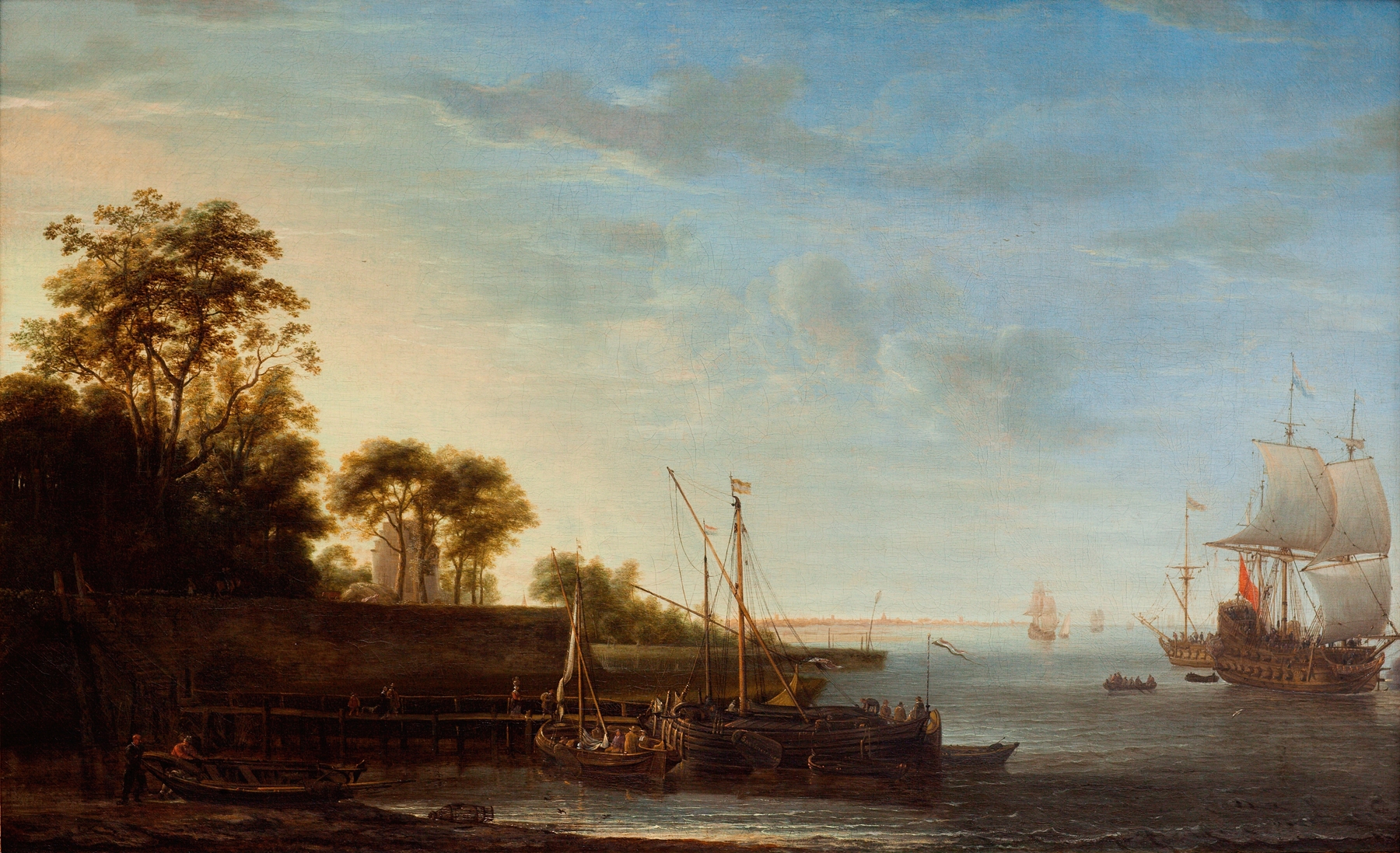
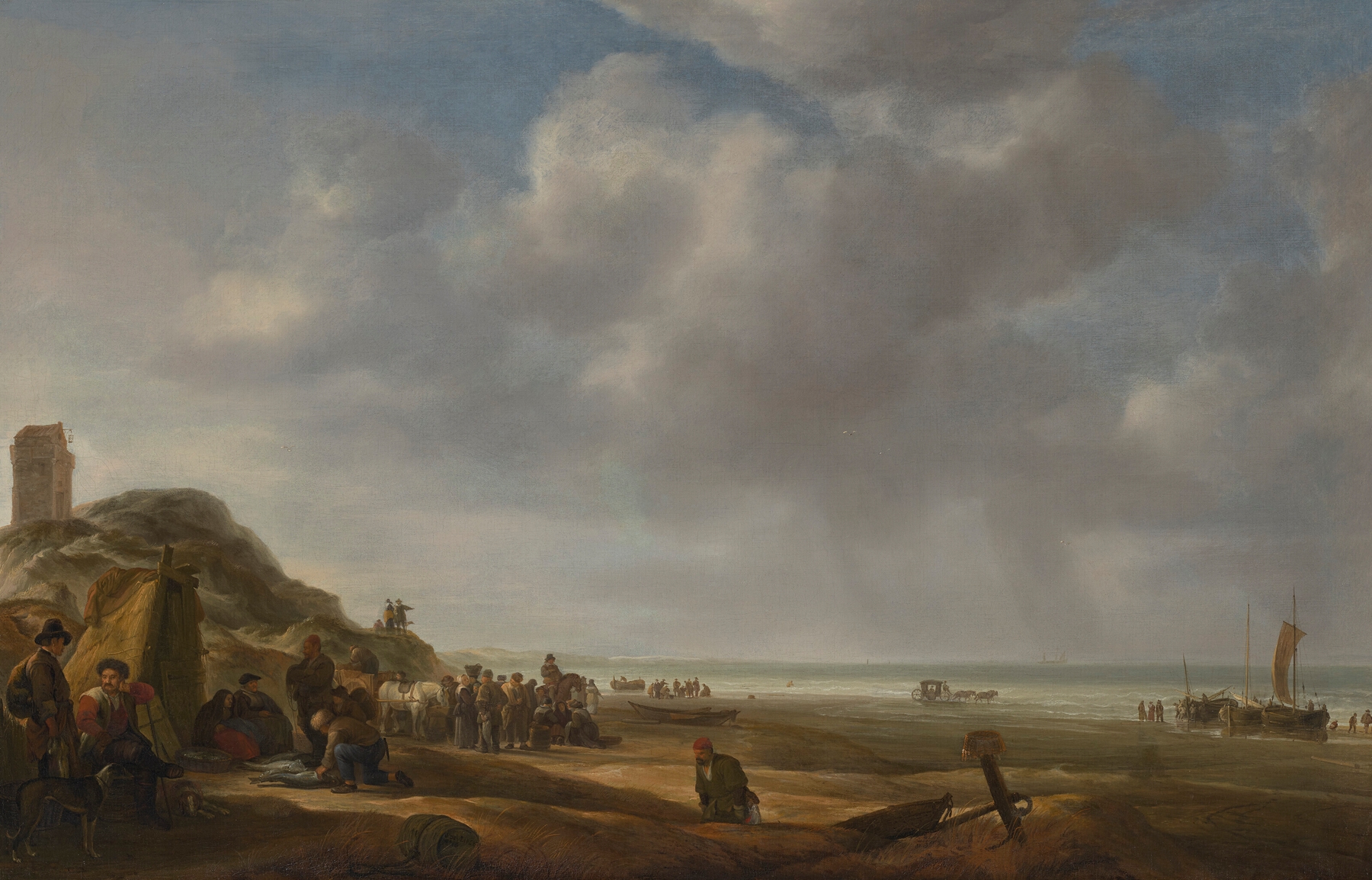
“Every brushstroke is a heartbeat remembered.” In the quiet realm of art, how does faith manifest in the spaces we occupy and the ruins we inherit? Focus first on the center of the composition, where the crumbling walls of a once-magnificent structure loom large, their texture rough yet inviting. The muted earth tones of ochre and brown blend seamlessly, creating a sense of history embedded within the very stones. Notice how the soft light pours through the jagged openings, illuminating the interior and casting long shadows that stretch like whispers of stories untold.
The figures, small and almost ephemeral, seem to seek solace amidst the decay, their gestures a silent prayer to the past. Delve deeper, and you’ll find contrasts that pulse with emotional tension. The juxtaposition of ruin and life captures a delicate balance—what once was and what remains. The details of overgrown vegetation creeping through the cracks speak to resilience, while the solitude of the inn’s presence evokes a sense of longing.
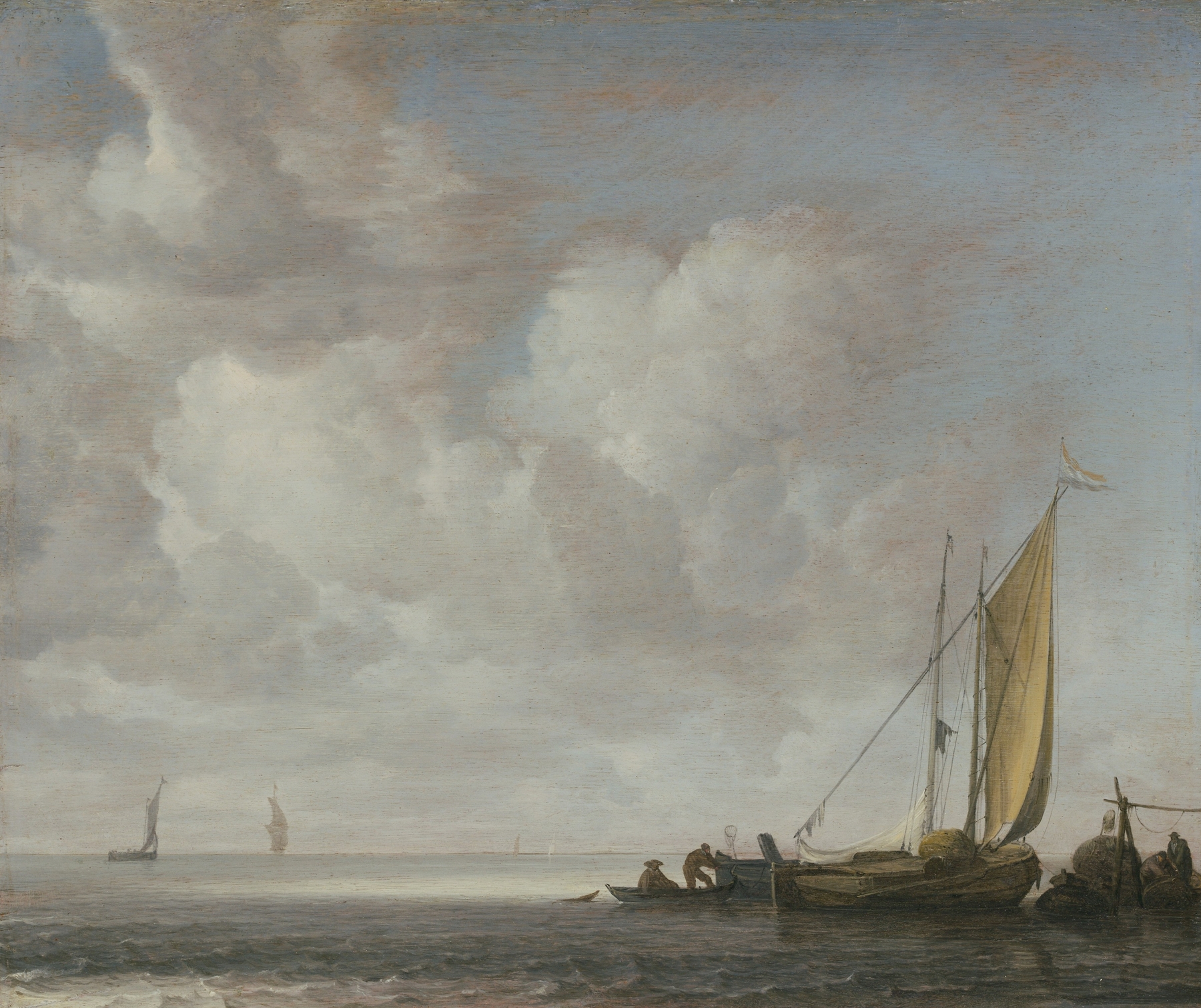
This interplay between abandonment and the search for refuge resonates deeply, revealing a profound truth about faith: it persists even in the most desolate of places. During the early 17th century, Simon de Vlieger painted this work in the Dutch Republic, a time when artists were exploring themes of nature and humanity in new and innovative ways. His engagement with the landscape, marked by a burgeoning interest in portraying the interplay of light and shadow, reflected the broader artistic movement of the period. Living in an era of both religious tumult and profound faith, de Vlieger captured an essence of hope amidst ruins, a testament to the enduring spirit of both art and life.