Der Nutzgarten in Wannsee nach Südosten — History & Analysis
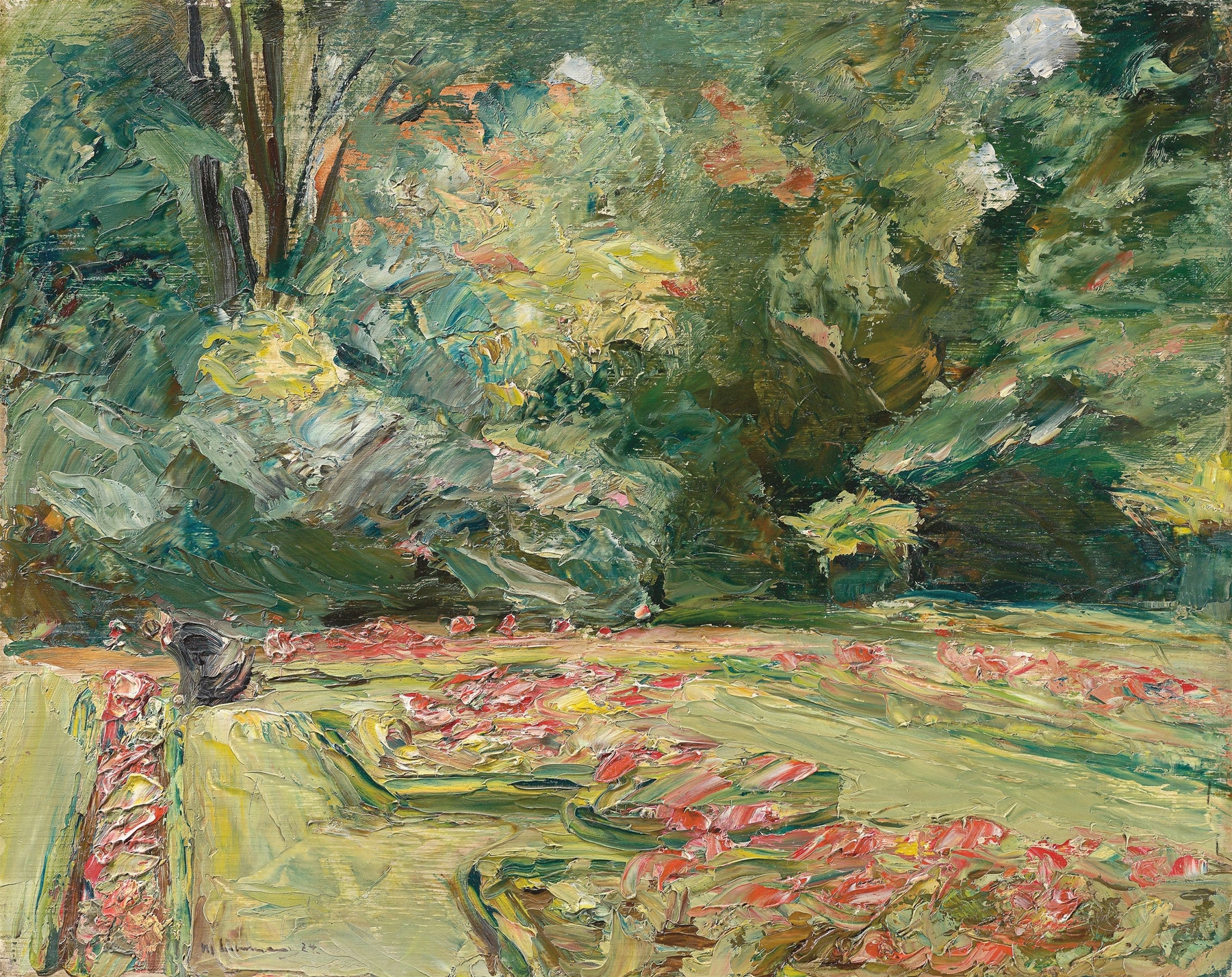
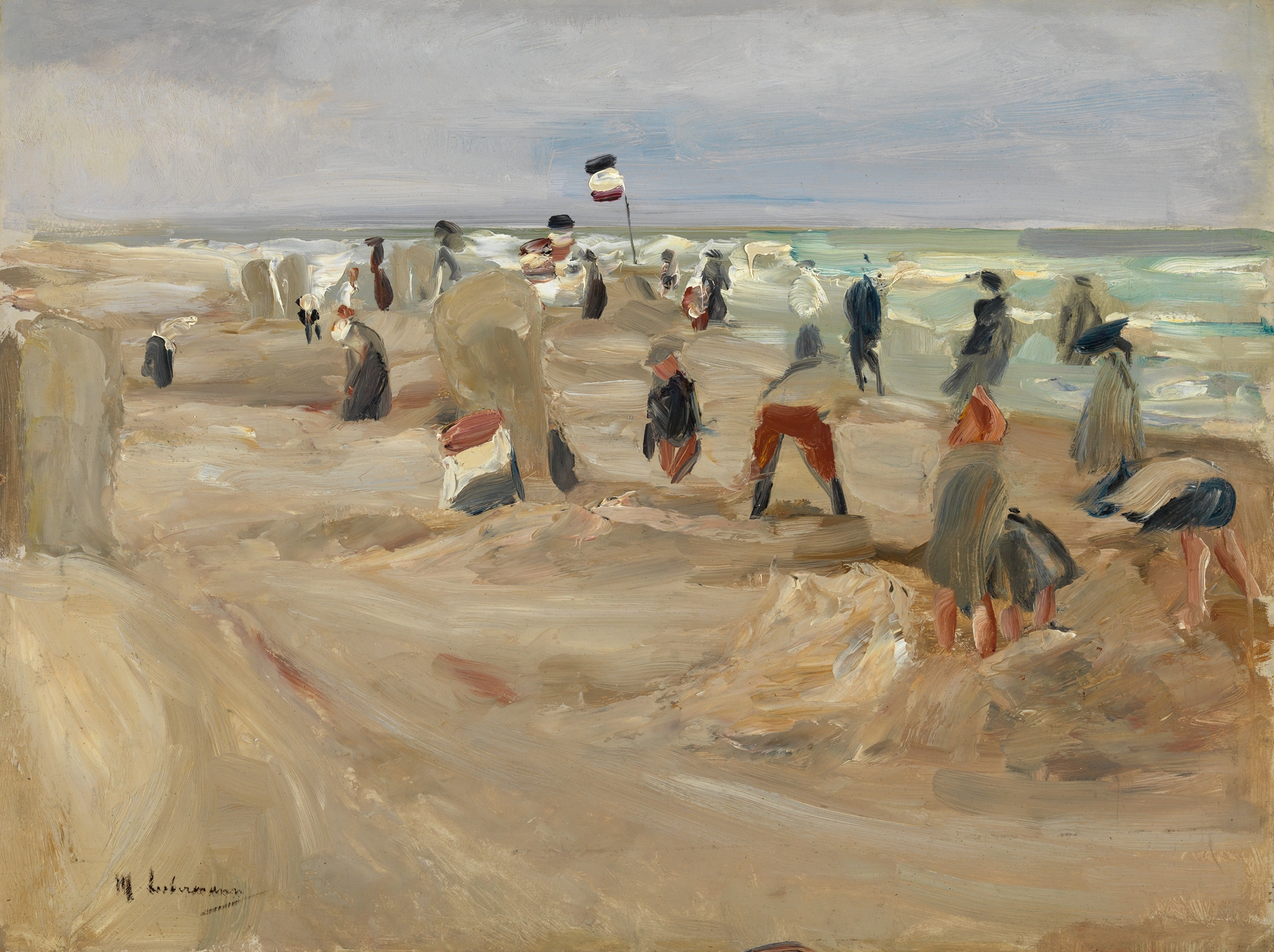
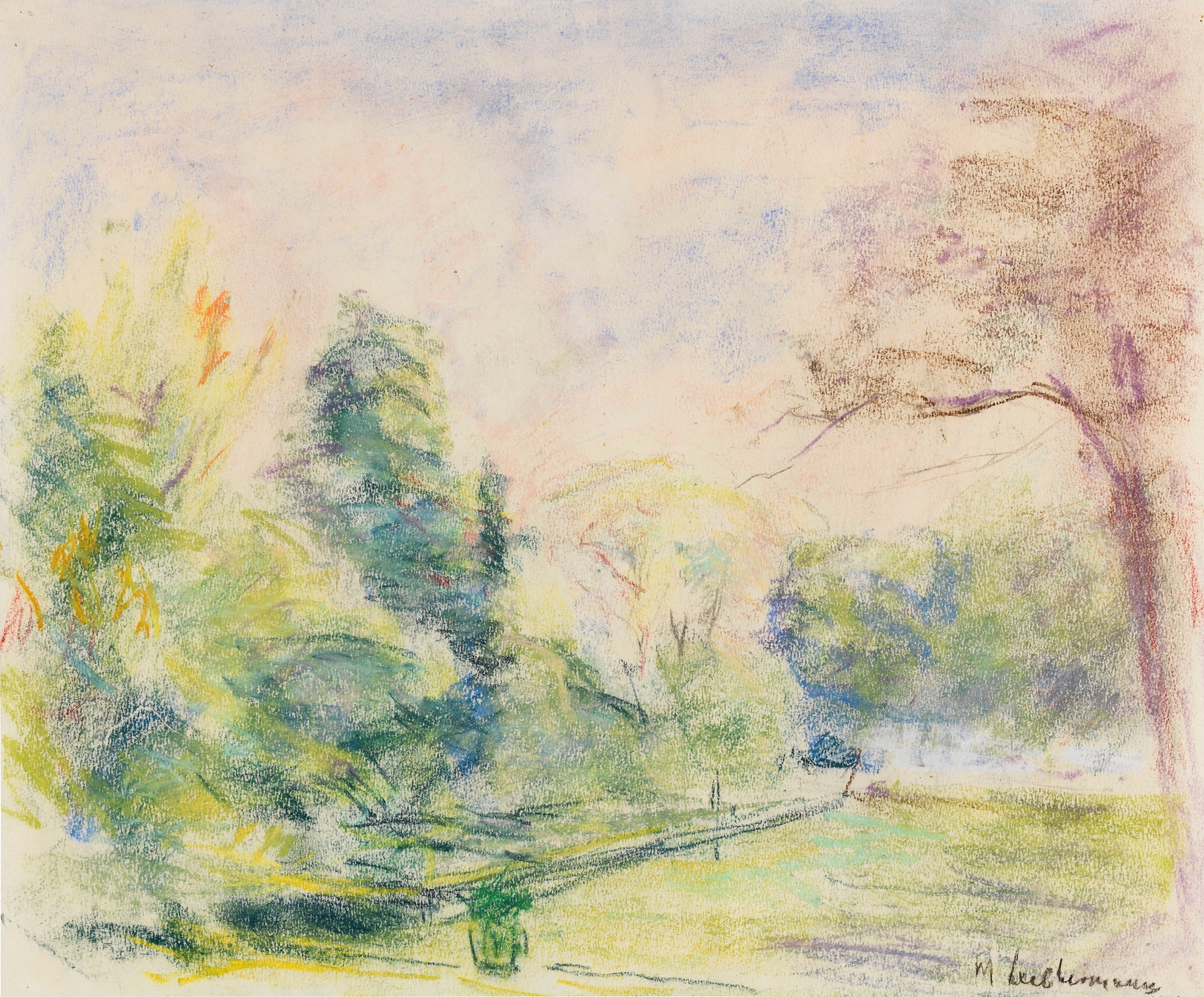
What if beauty was never meant to be finished? In a world of ceaseless change, the canvas beckons us to embrace transience and the promise of renewal. Focus on the lush interplay of greens that immediately captivates the eye. The vibrant foliage, with its rich hues and layered textures, draws you into the heart of the garden, while splashes of sunlight dance through the leaves. Notice how the contrasting shadows create an intricate tapestry, lending depth and movement to the tranquil scene.
Each brushstroke seems deliberate, inviting the viewer to appreciate the meticulous craft behind it. Beneath the surface, the painting resonates with themes of cultivation and hope. The garden itself is a metaphor for growth, a place where nature flourishes and possibilities abound. The gentle curves of the landscape whisper of personal reflection, while the shadows hint at the transient nature of time.
This piece beckons us to contemplate not just the beauty of the moment, but the potential that lies within the cycle of life itself. Created in 1923, this work emerges from a period when Max Liebermann was deeply rooted in the German artistic community. Having spent years exploring the Impressionist movement, he sought to capture the essence of everyday life through a lens of intimacy and light. At this time, Europe was grappling with the aftermath of World War I, making the garden a poignant symbol of hope and resilience amid the surrounding chaos.