Der Ortler Und Die Königsspitze Von Den Almböden Der Malserhaide In Tirol Aus Gesehen — History & Analysis
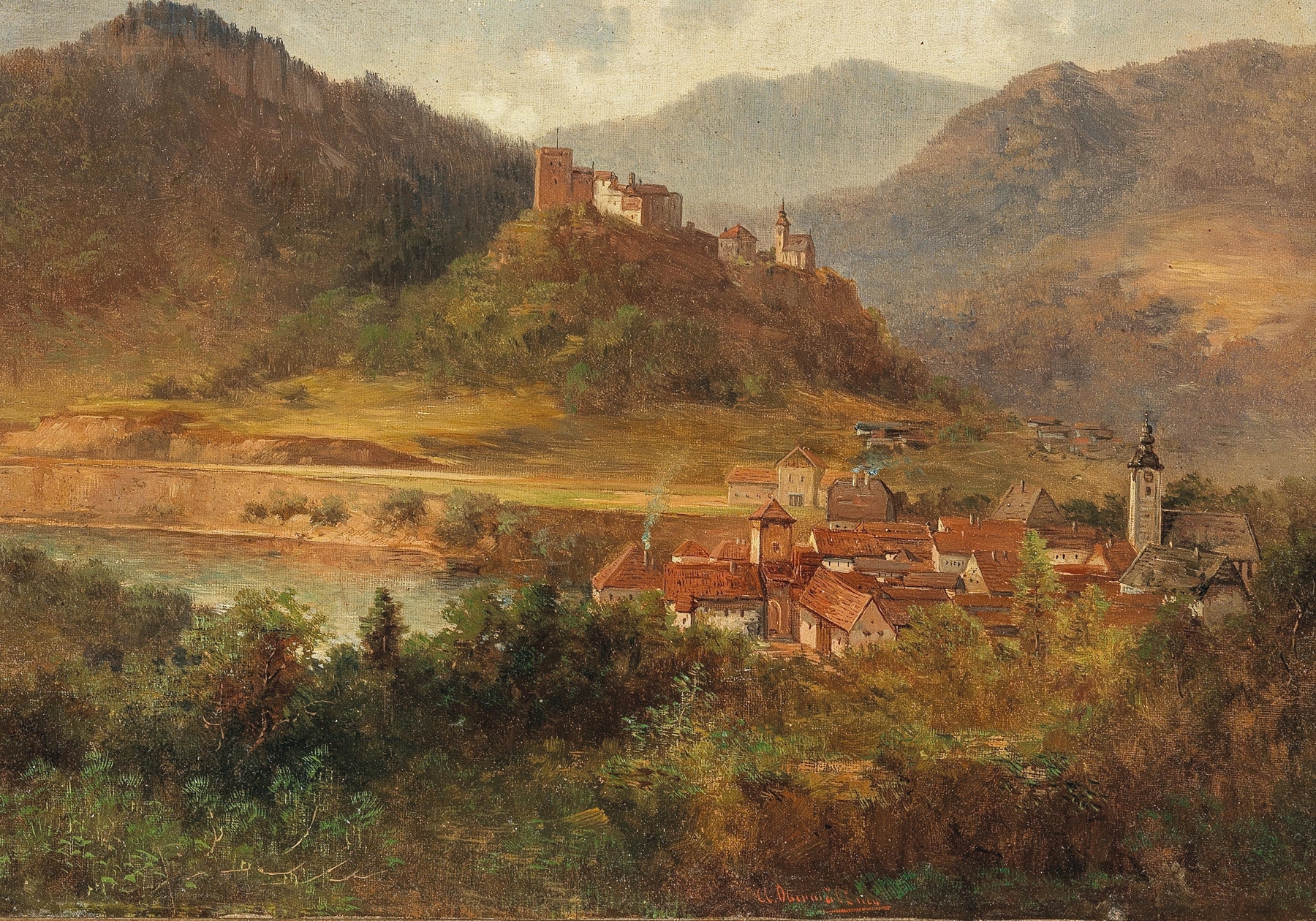
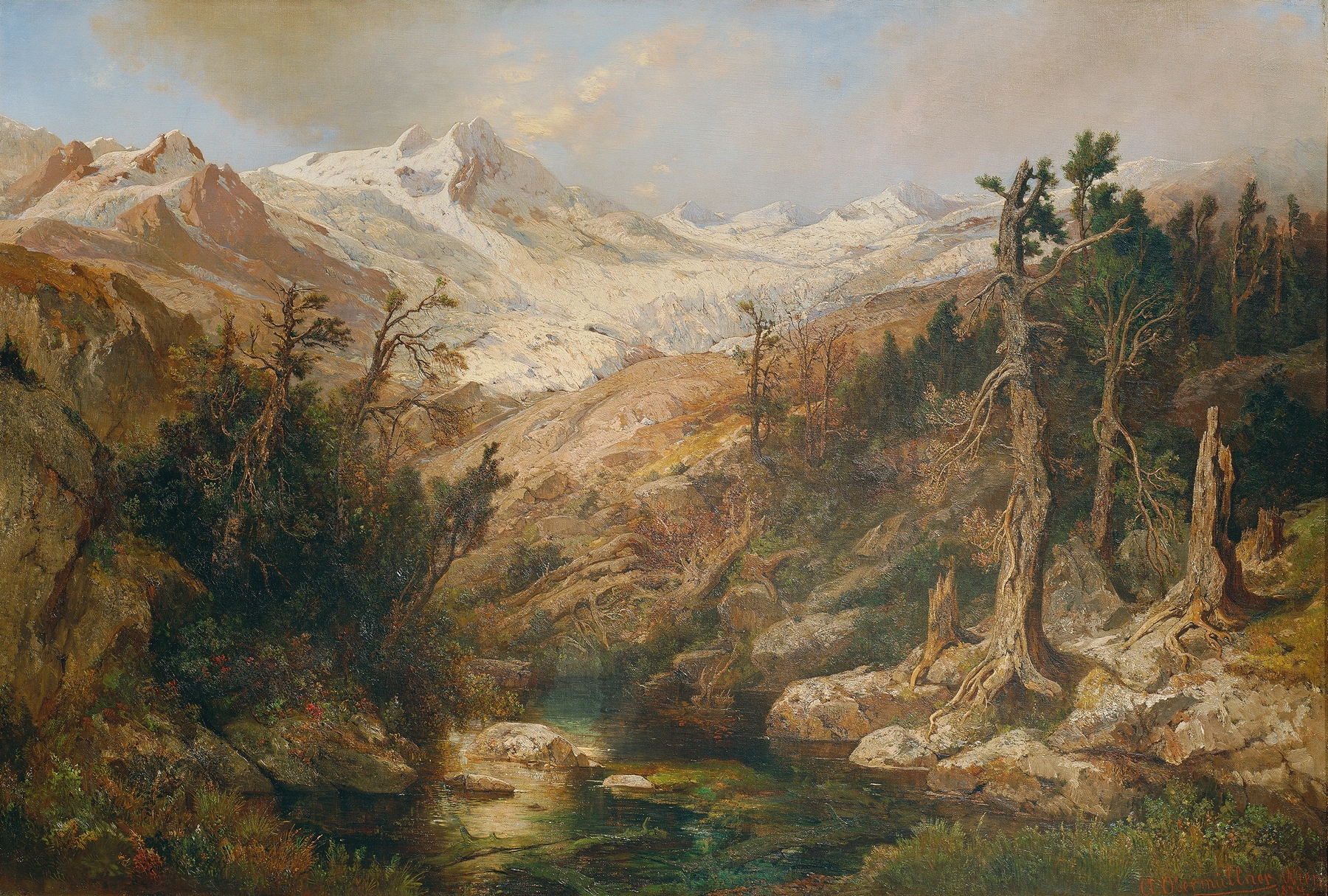
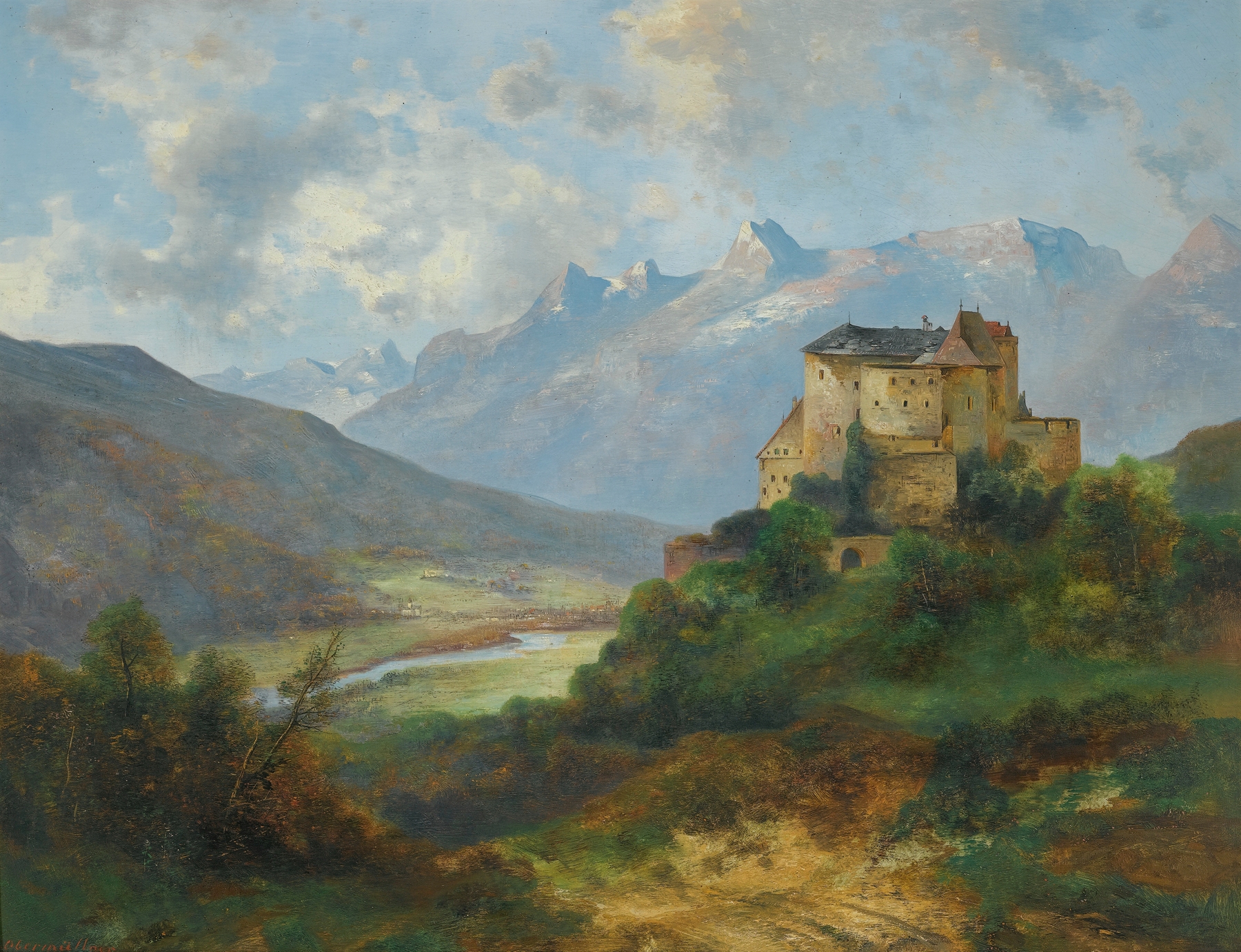
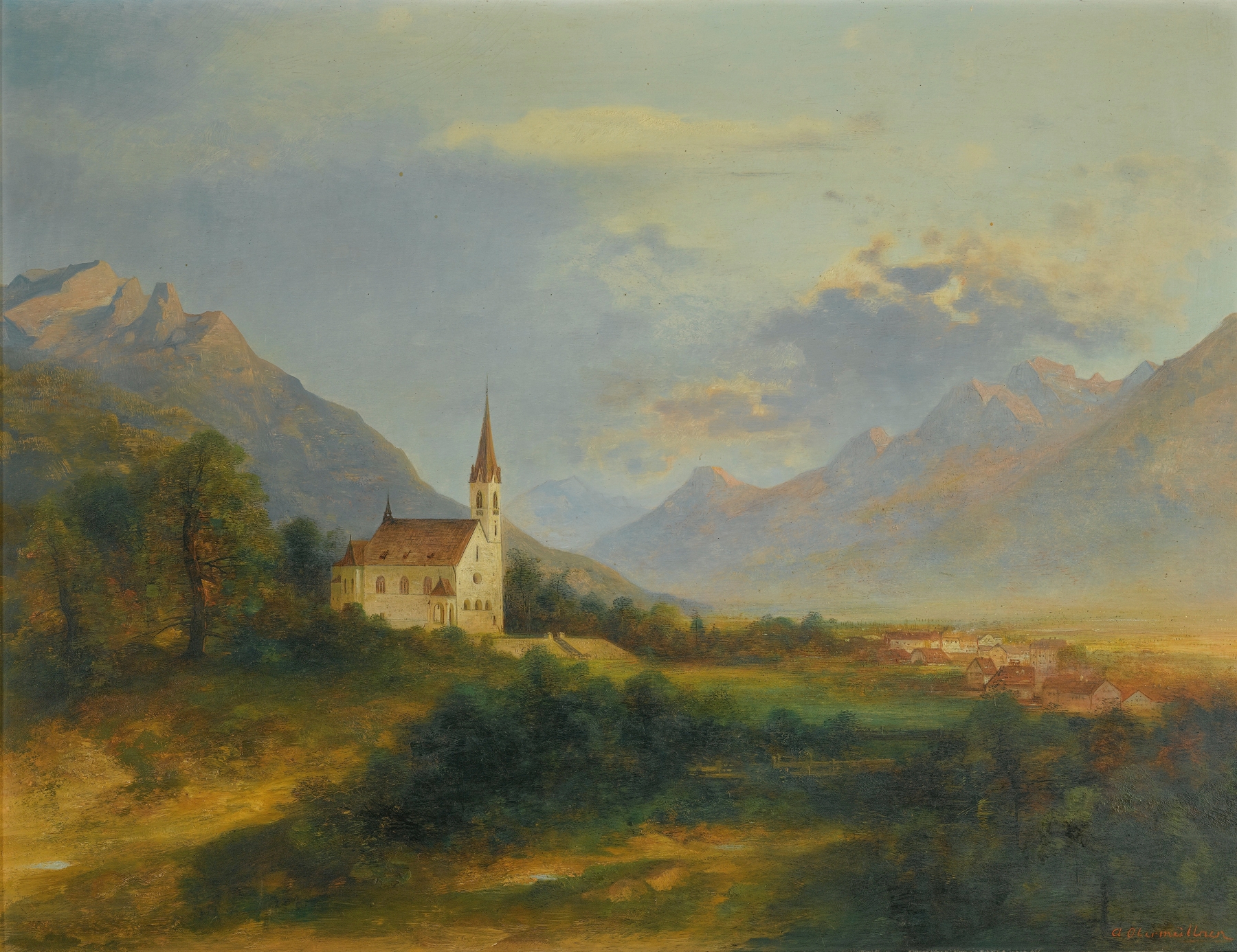
When did color learn to lie? In the hands of a master, hues can reveal truths that transcend the surface, transforming the ordinary into the extraordinary. Focus first on the expansive canvas, where the sweeping mountain ranges dominate the horizon. Notice how the artist captures the majestic peaks of Ortler and Königspitze, their rugged forms etched against a twilight sky.
The play of warm oranges and cool blues draws your gaze, creating a visual dialogue that dances across the scene, leading you deeper into the alpine landscape. The deliberate brushstrokes evoke texture, rendering the craggy cliffs both formidable and inviting, while the gentle gradients of light breathe life into the cold stone. As you explore further, subtle contrasts emerge—the serene stillness of the lower slopes juxtaposed with the imposing presence of the mountains above. This tension underscores a relationship between humanity and nature, where the viewer feels both awe and insignificance.
The interplay of shadow and light suggests that these peaks hold stories untold, inviting contemplation on their enduring existence in a world constantly in flux. Obermüllner painted this work during a time when the Romantic movement was shaping art, valuing emotion and the sublime in nature. Little is documented about his life, but it is believed that he sought to capture the essence of the Tyrolean landscape in the late 19th century, amidst a growing fascination with the Alpine regions as symbols of beauty and spiritual elevation. His artistry reflects a period in which nature was revered, anchoring the viewer in the profound resonance of the sublime.