Dorf mit Fluss und Burg — History & Analysis
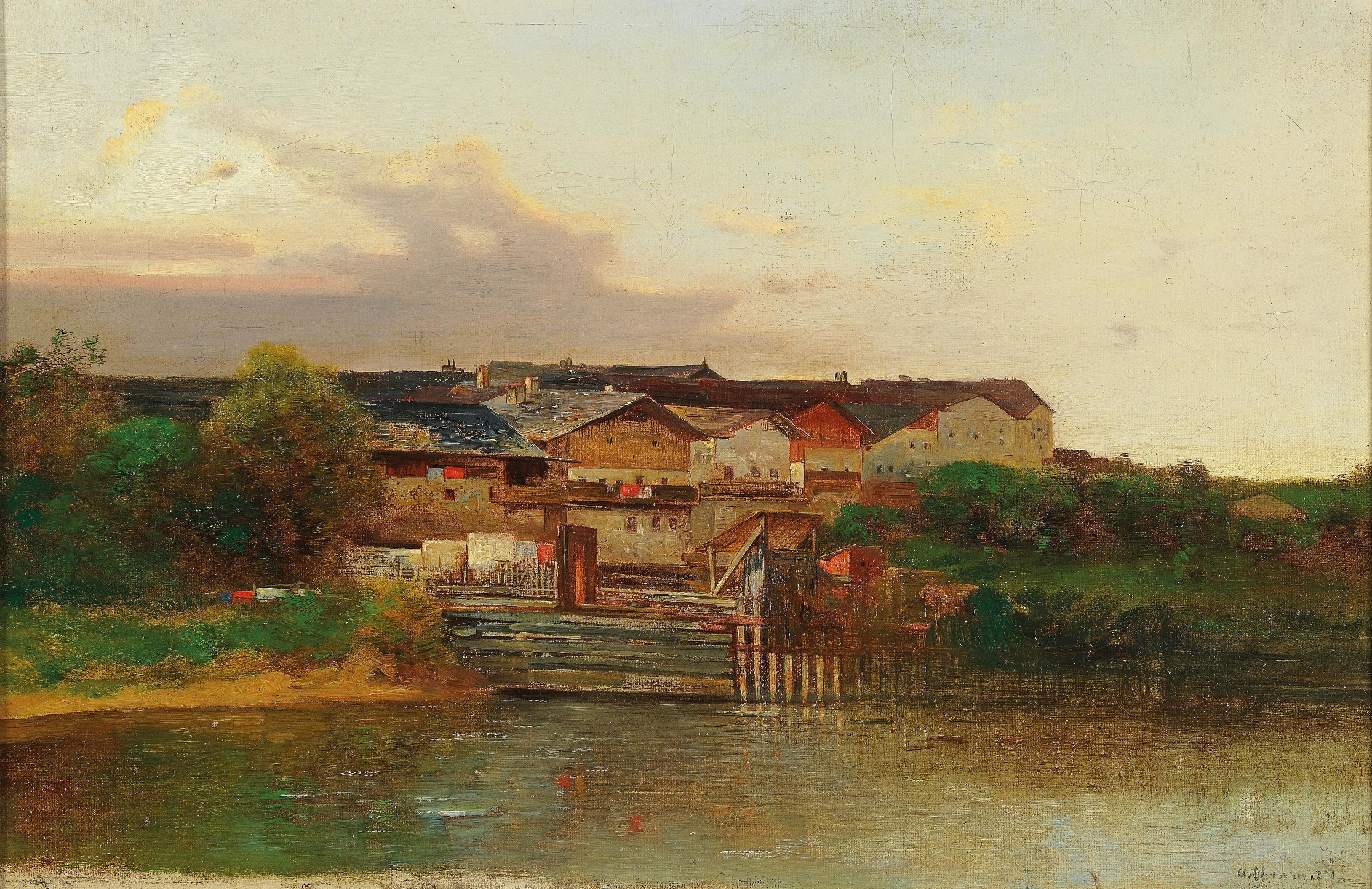
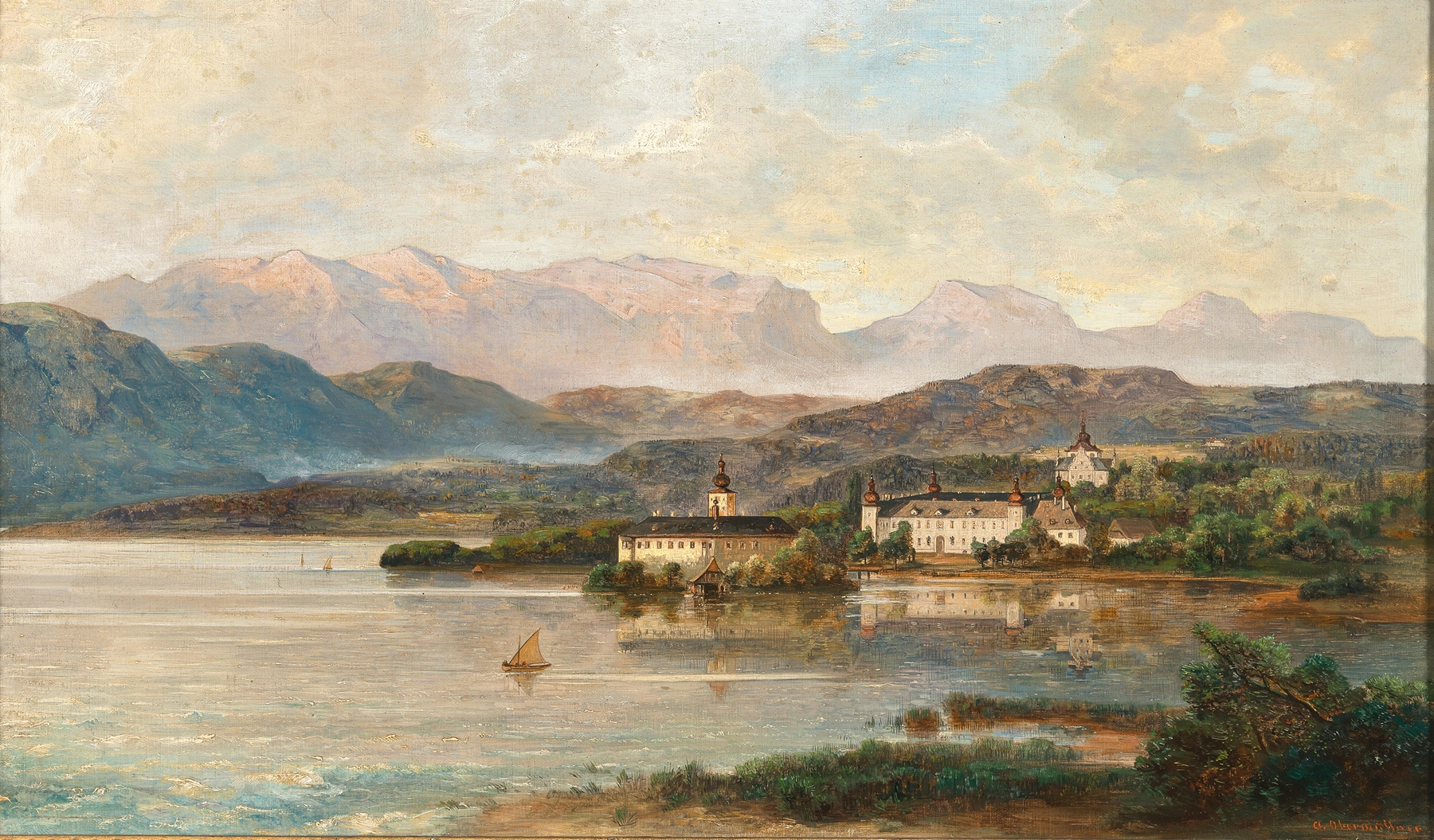
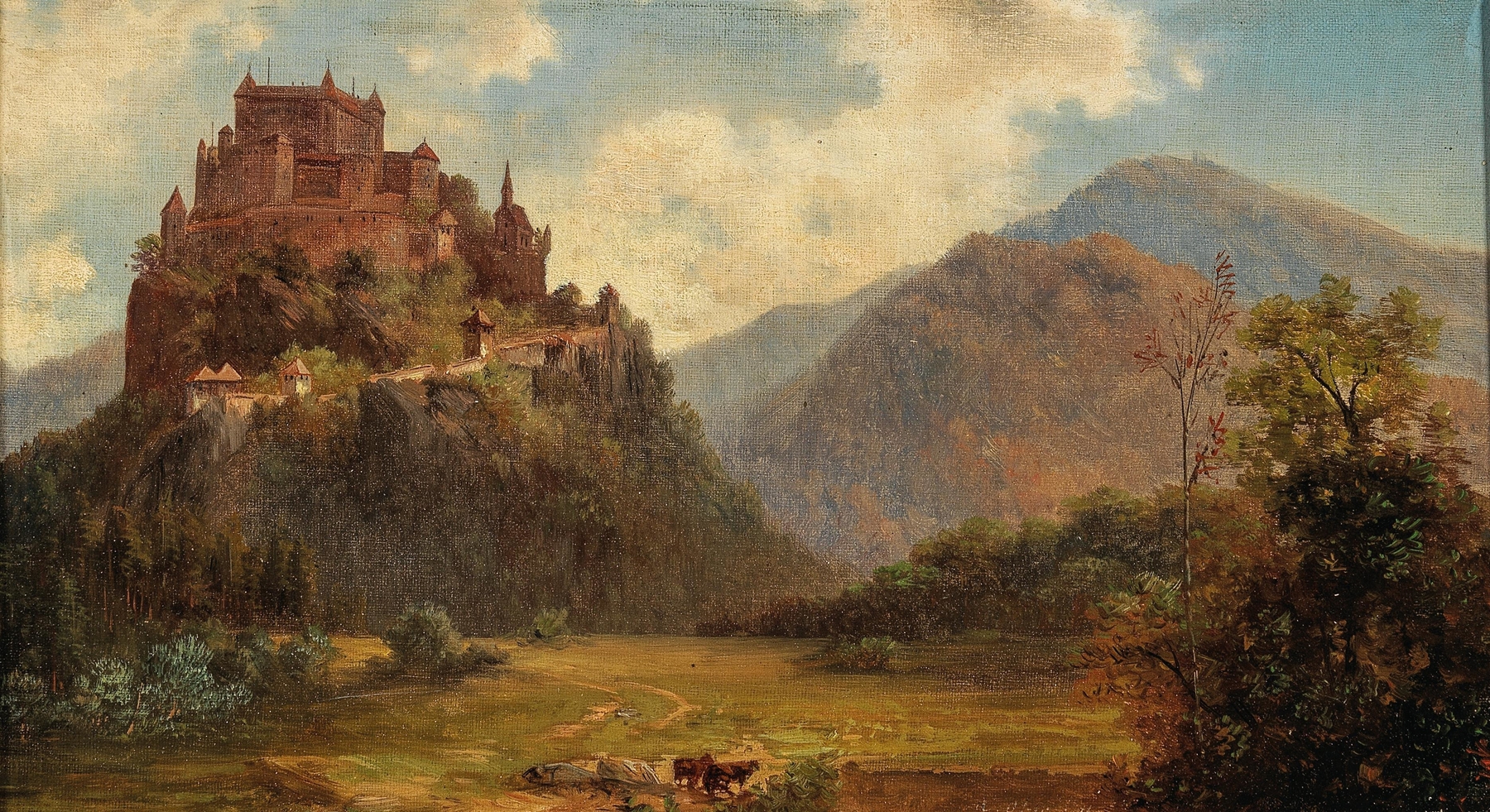
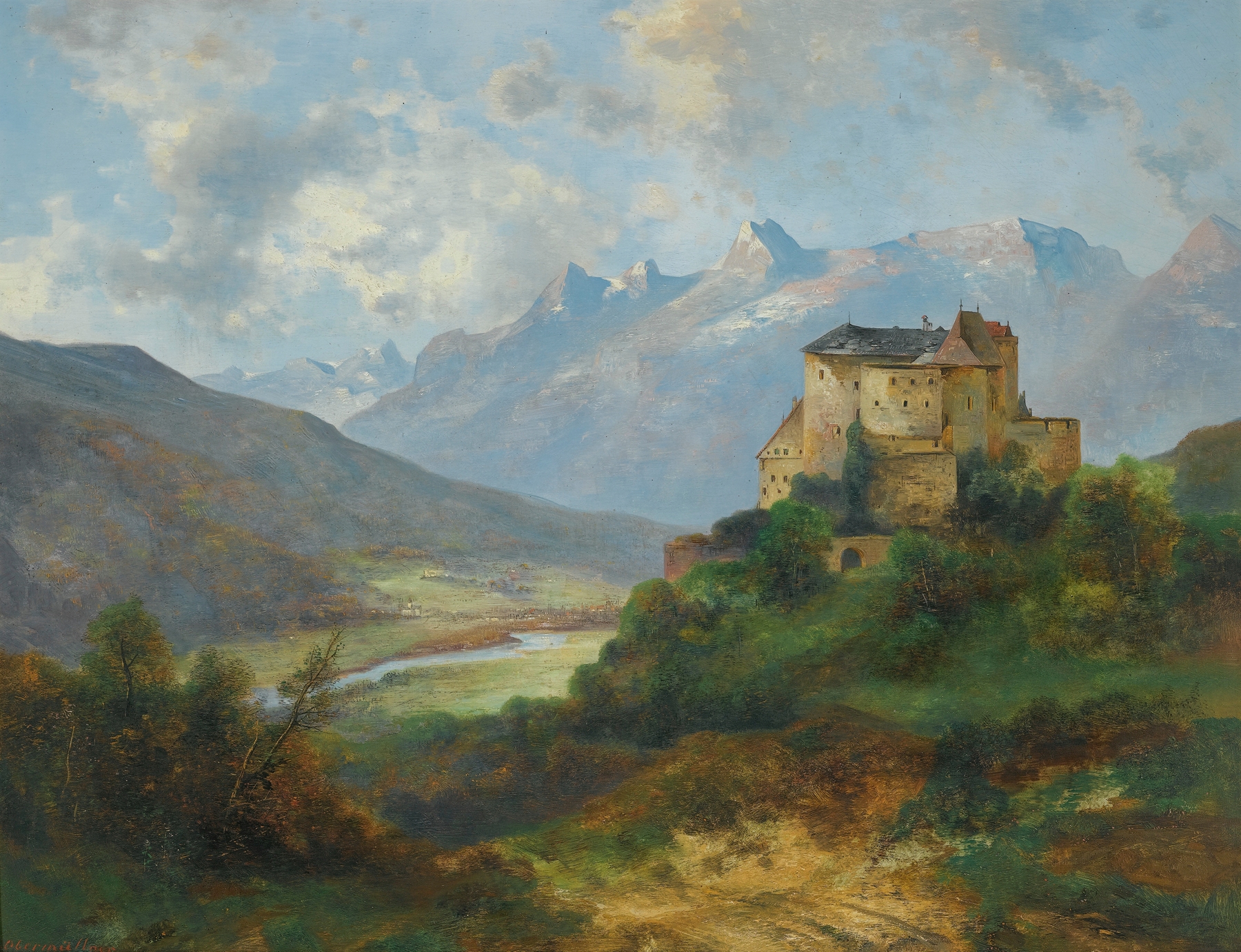
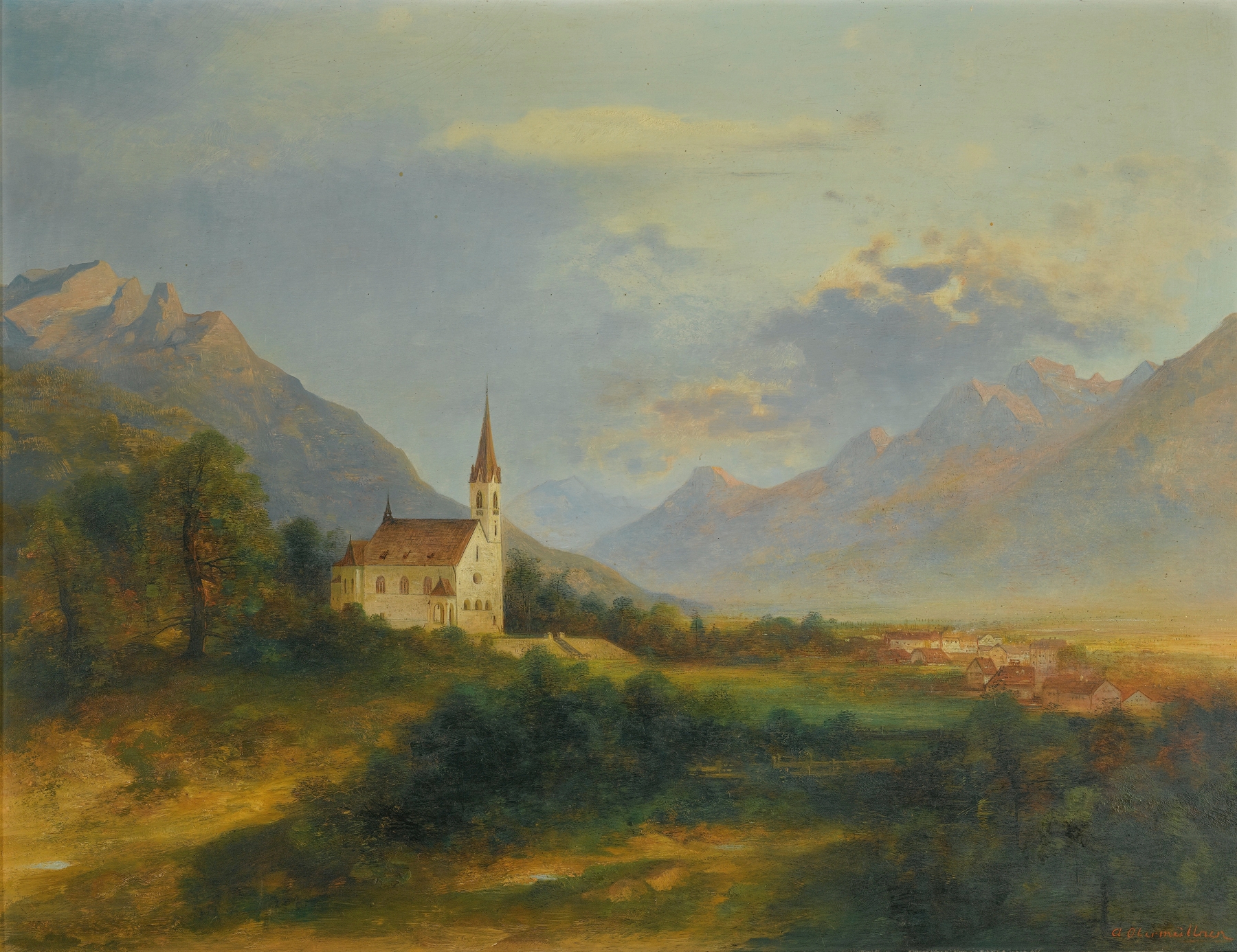
What if beauty was never meant to be finished? In Dorf mit Fluss und Burg, the viewer is enveloped by a serene landscape that breathes an ethereal quality, suggesting divinity in its untouched charm. Look to the left, where a gently flowing river reflects the soft hues of the sky, its shimmering surface inviting the eye to explore the tranquil waters. Notice how the delicate brushstrokes create a sense of movement, leading you toward the quiet village nestled at the water's edge.
The castle rises majestically in the background, its stone walls warmed by the golden light. The combination of earthy greens, blues, and warm browns evokes a harmony that feels almost celestial. As you delve deeper, consider the interplay between nature and human creation — the village, a testament to human endeavor, coexists with the vastness of the landscape, suggesting a delicate balance. The contrasting stillness of the village against the flowing river illustrates a tension between permanence and transience, inviting contemplation on what is eternal.
Each element, from the winding path leading into the scene to the distant mountains shrouded in mist, speaks to the delicate relationship between the divine and the earthly. Adolf Obermüllner likely painted this work during a quiet period in his life, reflecting the pastoral beauty of his native landscapes. Active during the late 19th century, the artist's focus on the interplay of light and natural forms aligns with a broader movement in art that sought to capture the sublime in everyday life, echoing the Romantic ideals of nature's beauty intertwined with human existence.