Schloss Vaduz — History & Analysis
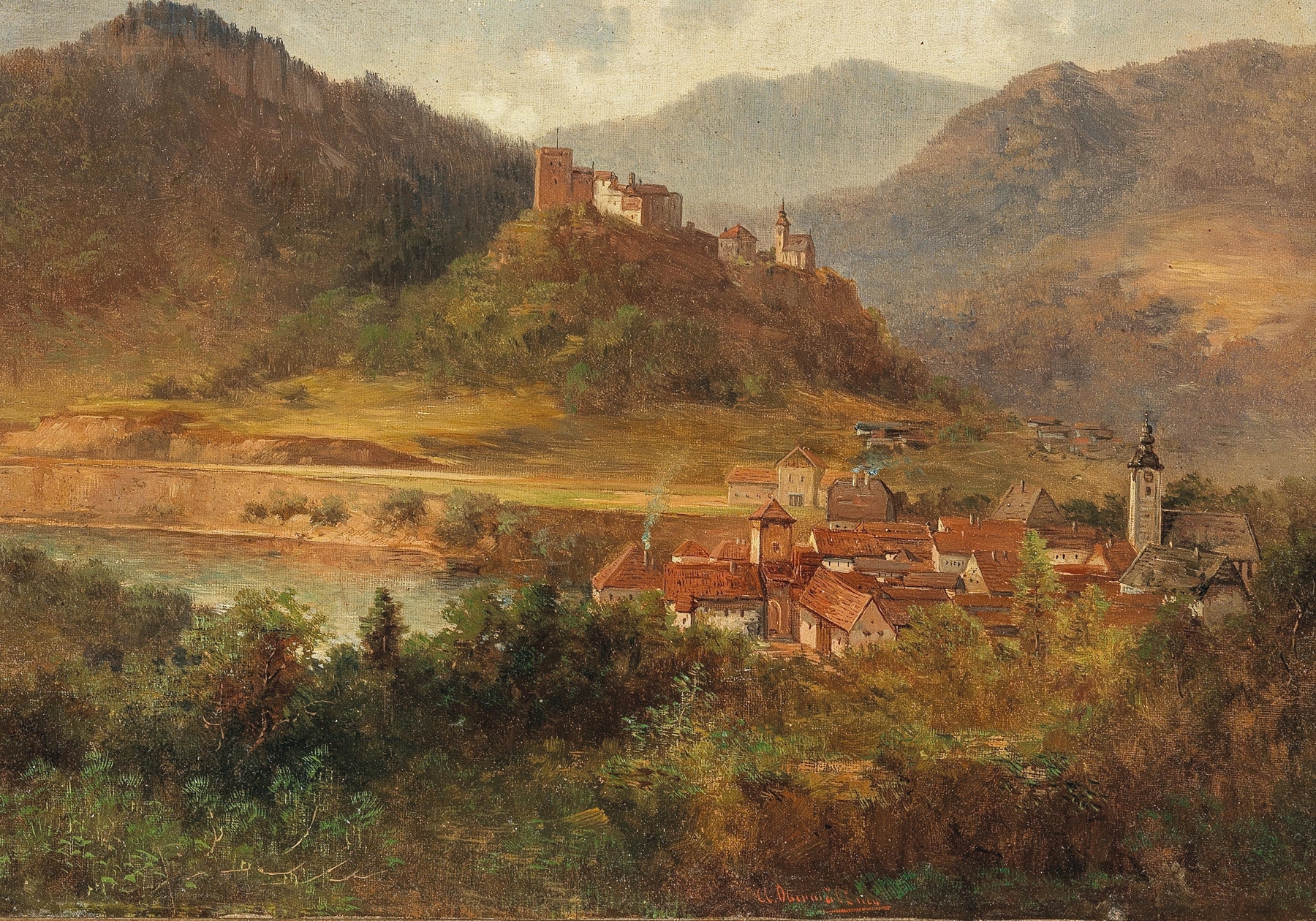
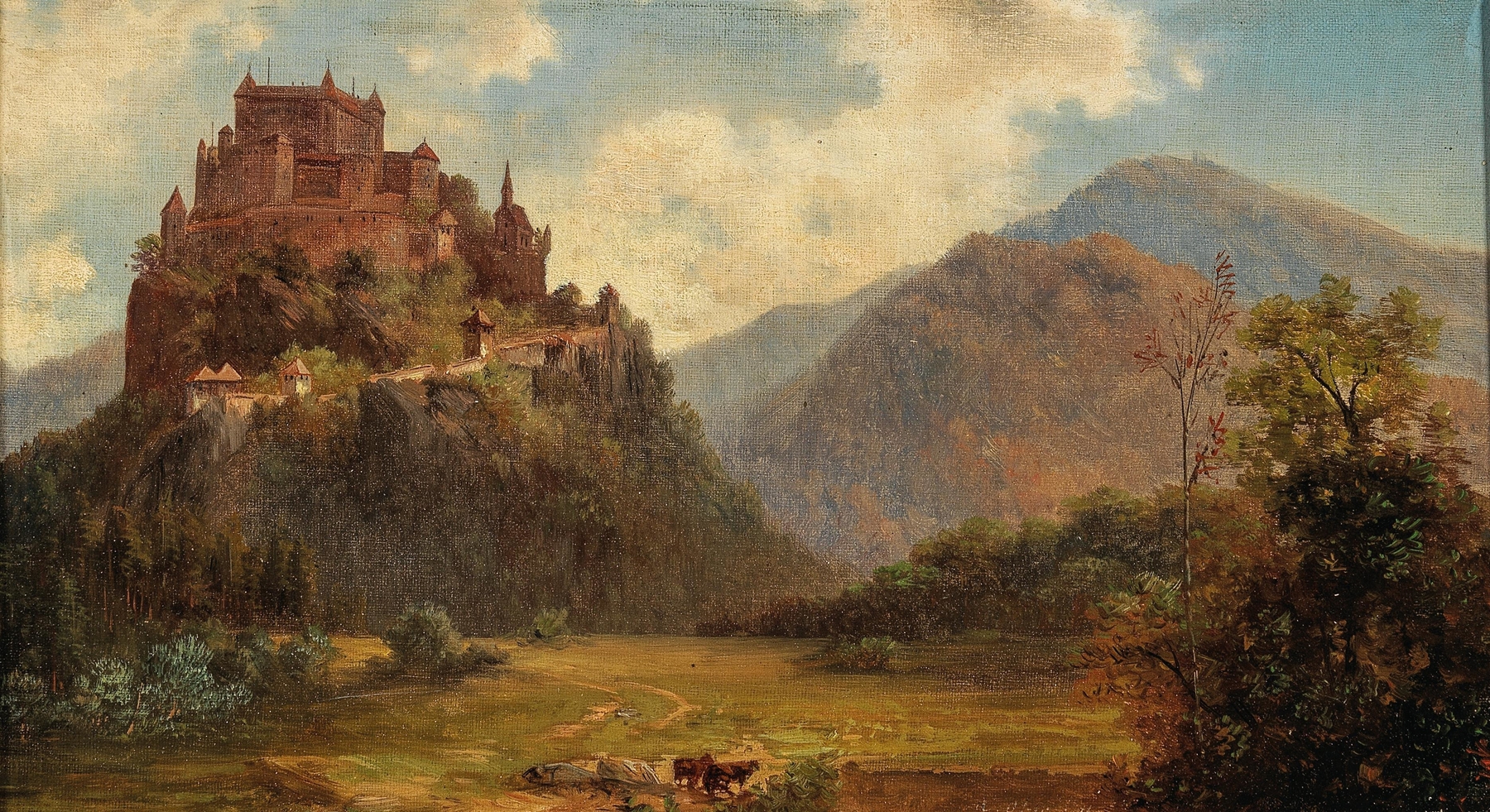
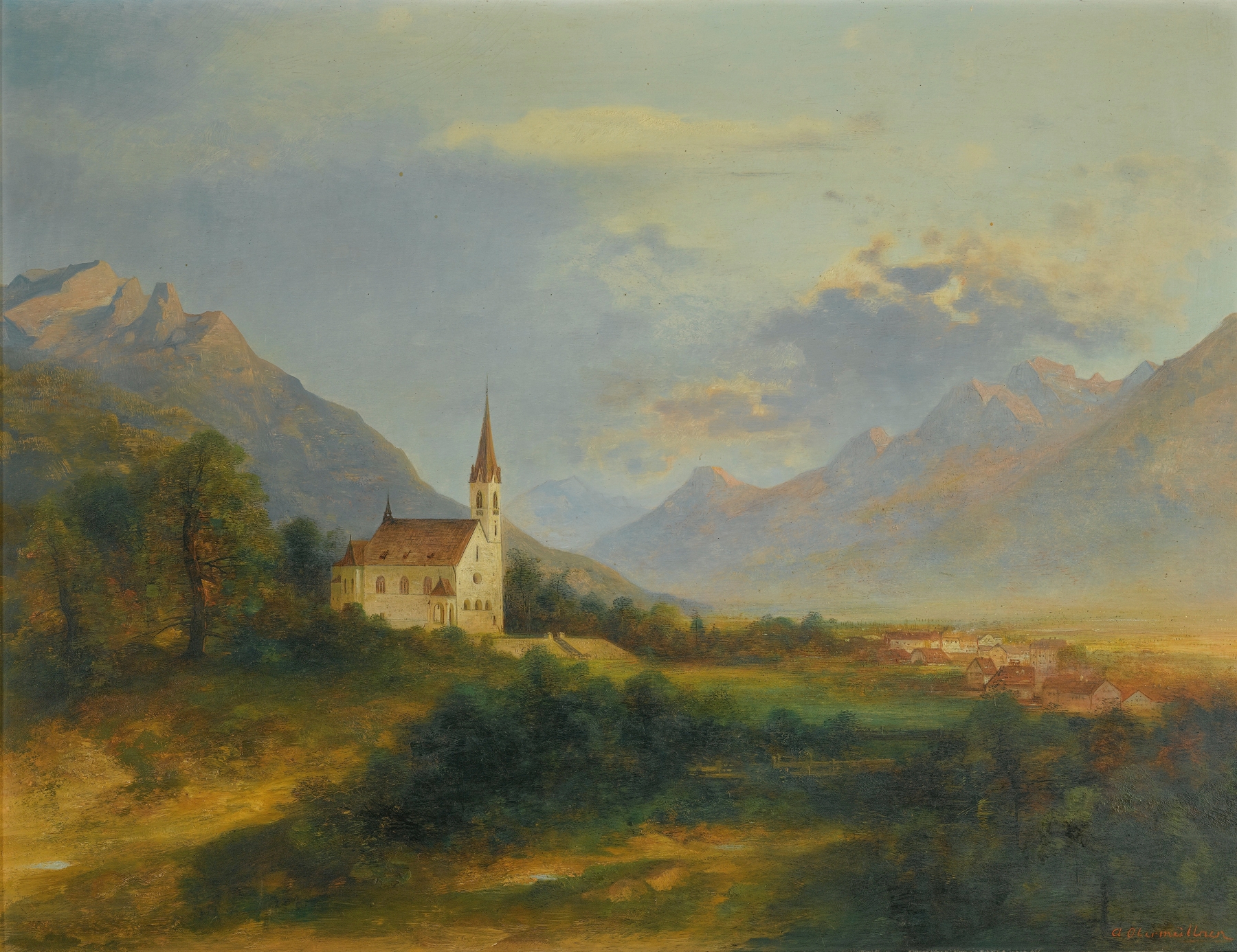
“The canvas doesn’t lie — it simply waits.” In a world that yearns for transformation, the quiet elegance of a painting can serve as a mirror, reflecting inner landscapes as much as external ones. Focus on the center of the canvas, where Schloss Vaduz rises majestically against a backdrop of rolling hills. The artist employs a muted palette of earthy tones, evoking a serene atmosphere that invites contemplation. Notice how the soft brushstrokes create a sense of texture in the castle’s stone, while the clouds above float lightly, suggesting the ephemeral nature of time.
The carefully composed lines draw your gaze upward, emphasizing the steadfastness of the castle contrasting with the gentle dynamism of the surrounding scenery. Beneath the surface, this artwork embodies a deeper narrative of resilience and change. The castle, a symbol of stability and history, stands firm as the landscape subtly shifts around it. There’s a hidden dialogue between the enduring structure and the fluidity of nature, suggesting that transformation is a constant state of being.
The interplay of light and shadow further heightens this tension, illuminating the castle while leaving parts of it enshrouded in mystery. Created during an unspecified period in his career, the artist captured Schloss Vaduz at a time when he was exploring themes of identity and permanence in a rapidly changing world. While specific events in his life remain unrecorded, the broader art movements of his time were grappling with the impact of modernity and the quest for meaning in an evolving landscape. This piece stands as a testament to those universal struggles, echoing the artist's quiet introspection.