Rauriser Goldberggletscher — History & Analysis
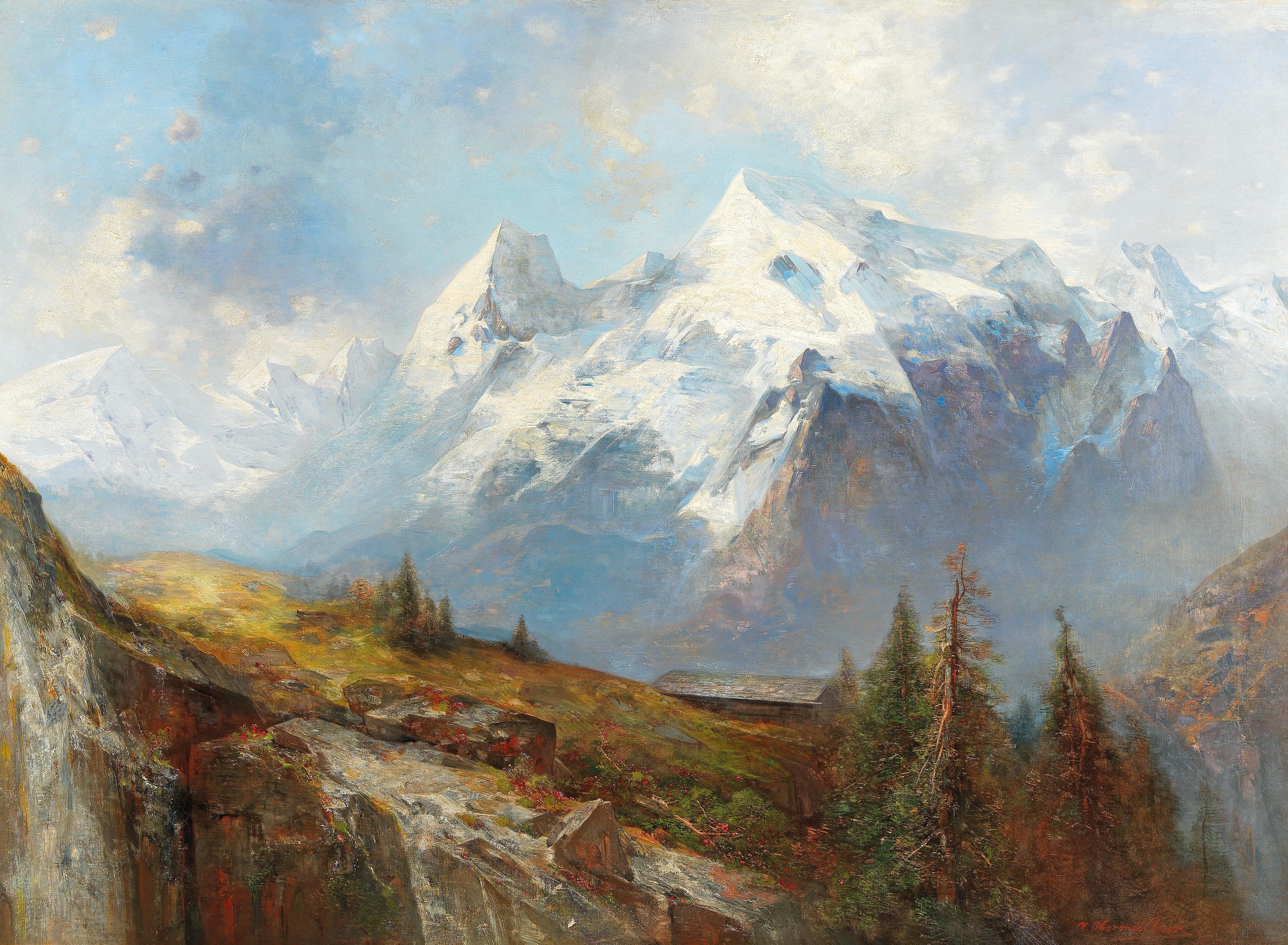
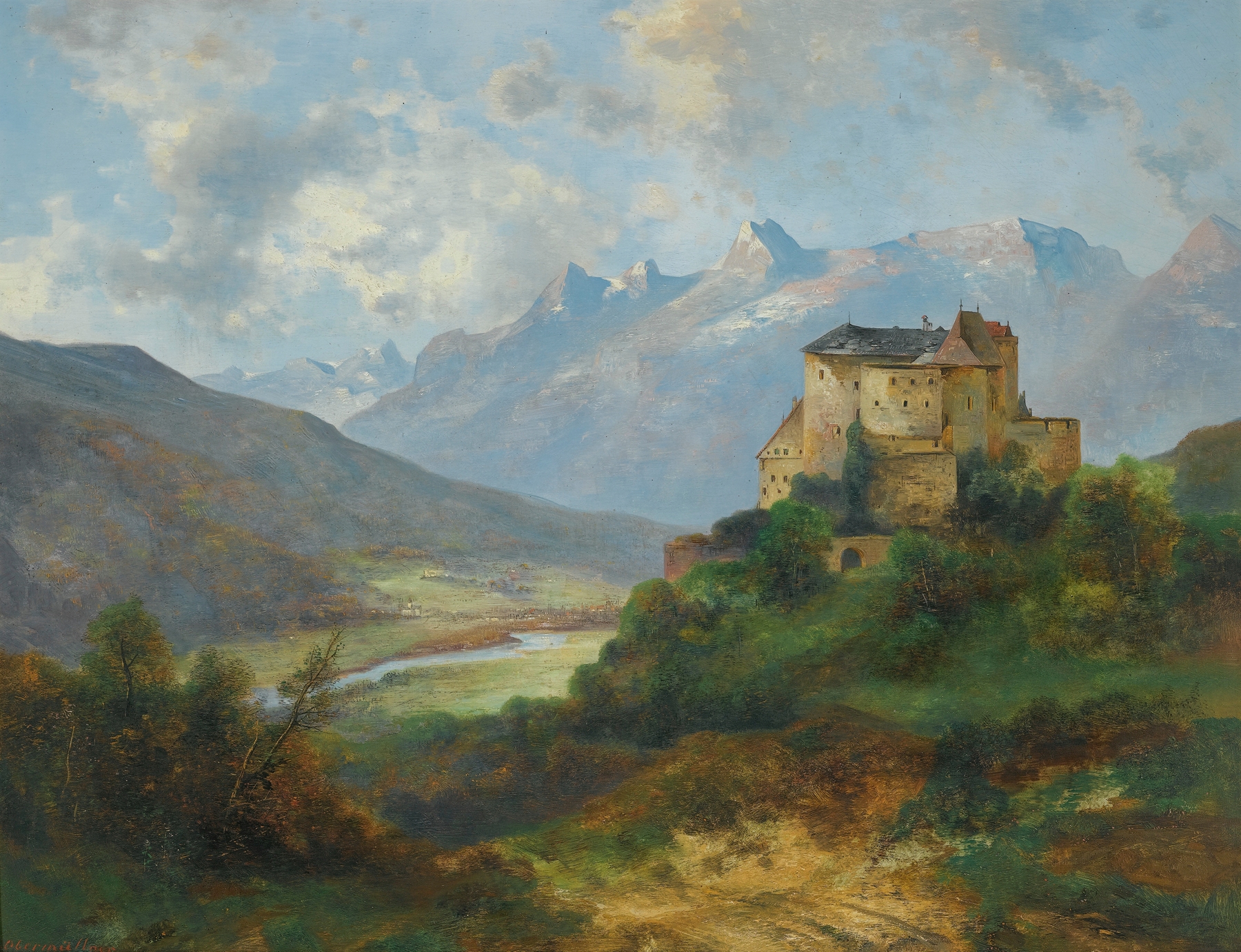
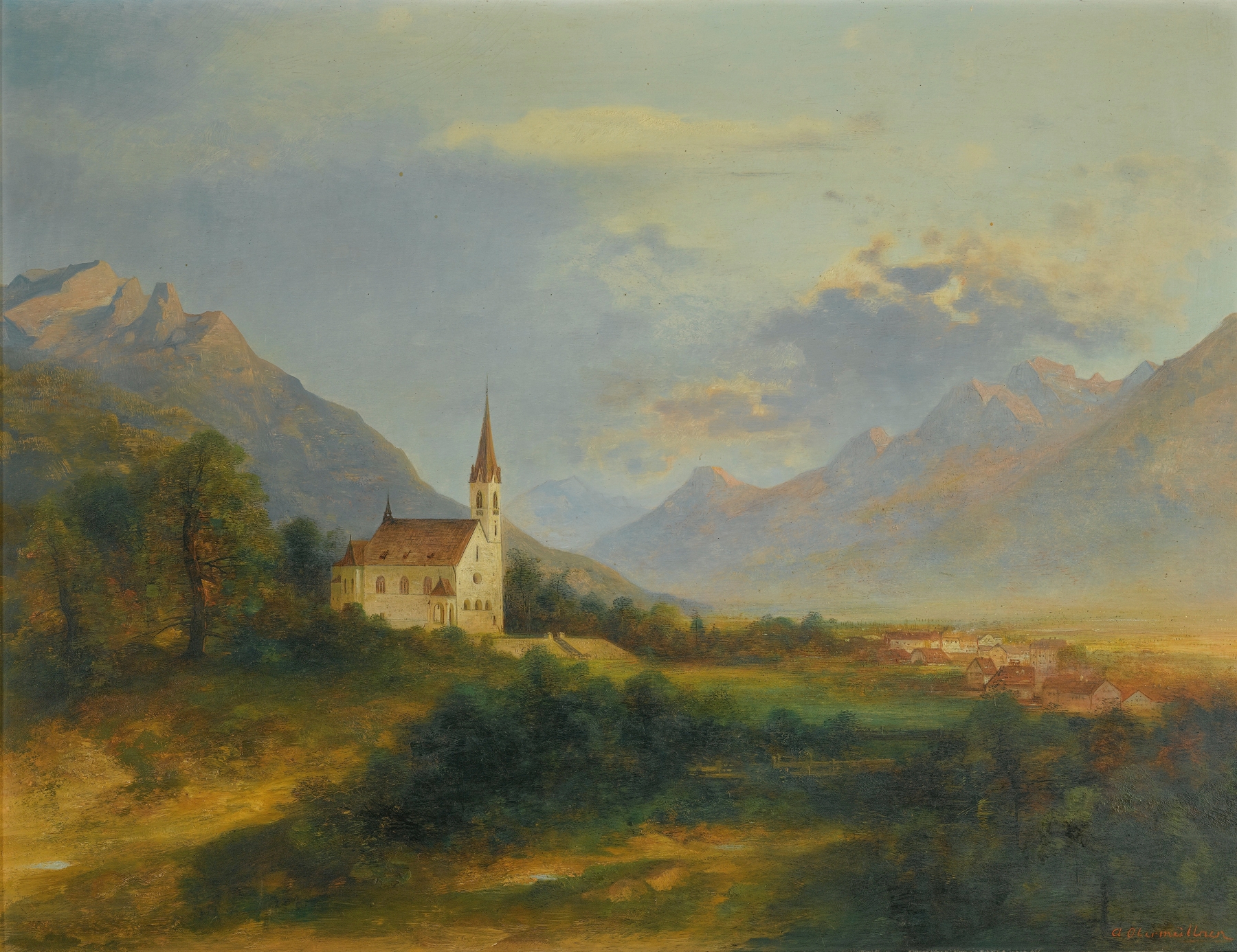
“To paint is to remember what time wants us to forget.” In a world of fleeting moments, silence becomes an echo of what remains eternal. Look to the center of the canvas where gentle slopes of the glacier rise majestically, their icy blues and whites punctuated by shadowy greys. Notice how the artist captures the subtle variations of light on the snow’s surface, imbuing it with a palpable texture that invites you to touch. The surrounding landscape, framed by distant mountains, draws the eye outward, recalling the vastness of nature’s solitude.
The pristine quality of the air resonates within this scene, creating a meditative space that invites contemplation. Beneath the surface beauty lies a deeper tension—the juxtaposition of the glaciers’ permanence against the impermanence of human existence. The untouched wilderness serves as a reminder of nature’s quiet resilience, while the whisper of fading trails from earlier adventurers reflects our transient place within it. Each stroke resonates with the silence that envelops this landscape, suggesting both tranquility and the inevitable passage of time.
In 1874, while creating this piece, the artist found himself immersed in the breathtaking landscapes of the Austrian Alps. This period marked a growing fascination with the natural world among Romantic artists, as they sought to convey the sublime beauty of unspoiled environments. Obermüllner’s work stands as a testament to this movement, reflecting not only his artistic pursuits but also the broader cultural shift towards appreciating nature amidst the rapid changes of the industrial age.