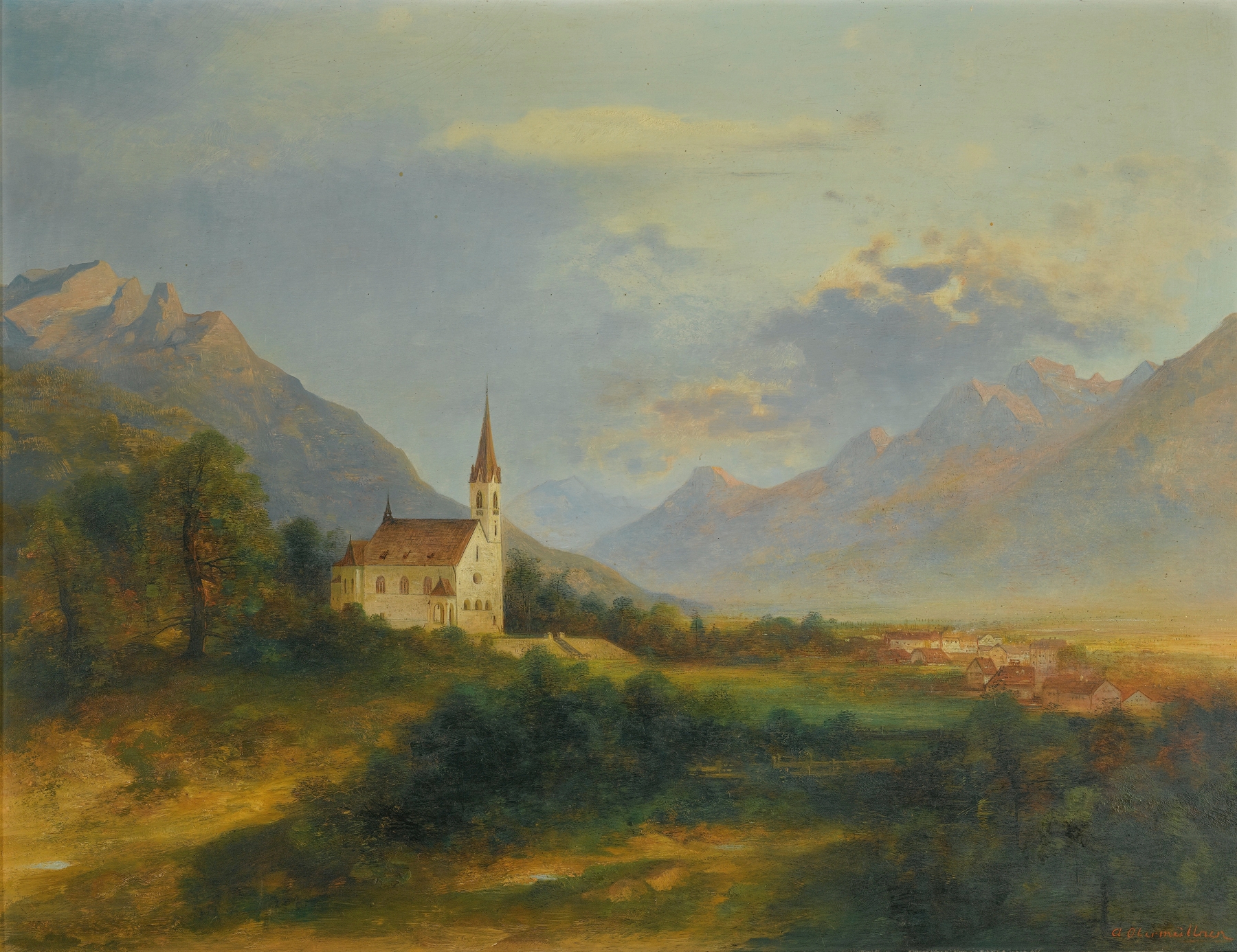
Der Hafen von Bregenz. Regenstimmung — History & Analysis
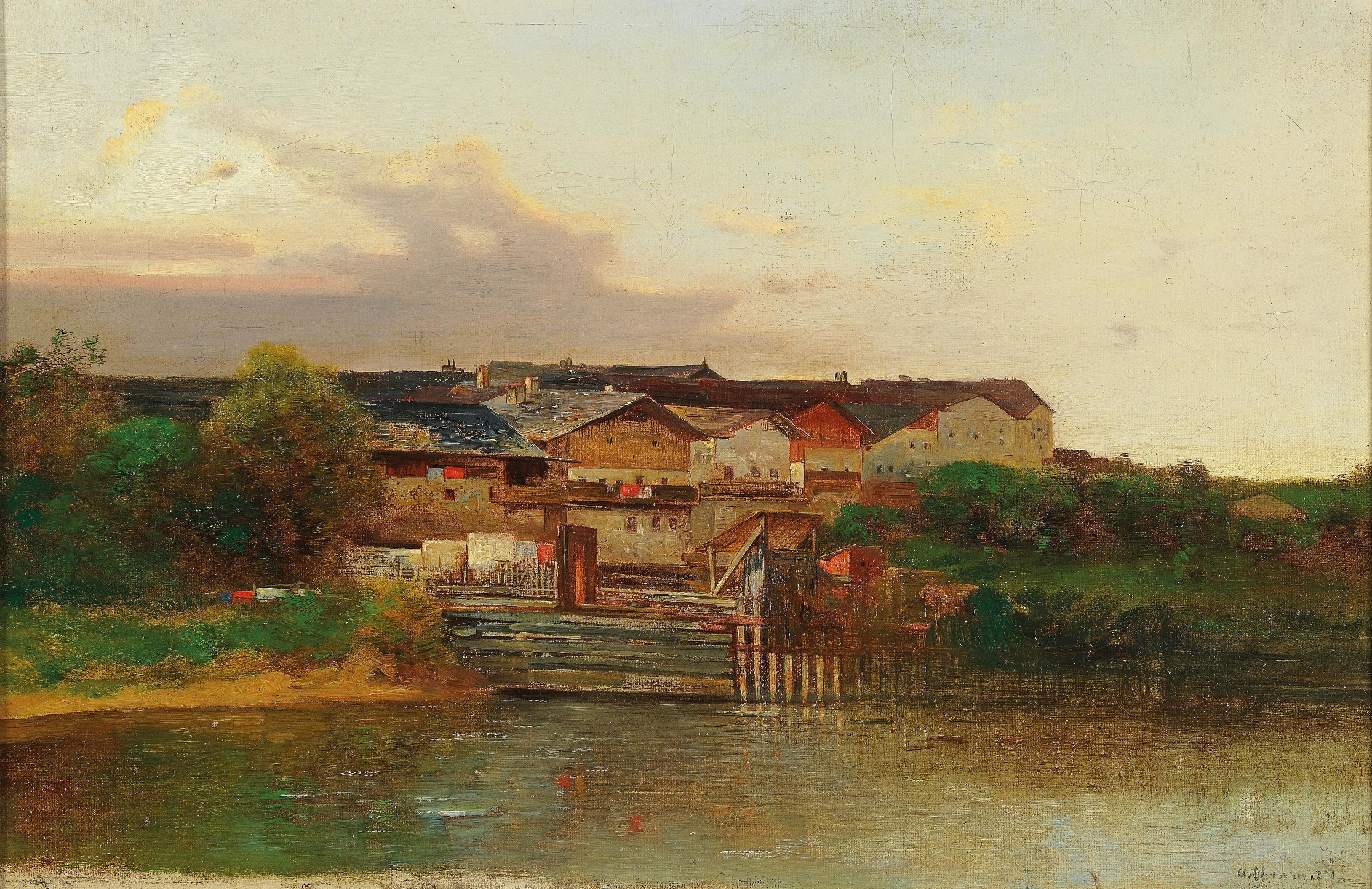
“Under the brush, chaos becomes grace.” In a world overflowing with tumult, the canvas becomes a sanctuary where madness finds its form. Look to the left of the painting where the harbor scene unfolds, a confluence of swirling blues and grays that evoke stormy skies and restless waters. The artist captures a moment of tension between the tempestuous weather and the calmness of the boats tethered in the harbor. Notice how delicate strokes define the contours of the boats, their shapes softened by the gentle drizzle that coats them, while shadows deepen the water below, hinting at the unseen depths of emotional turmoil.
As you explore further, observe the juxtaposition of movement and stillness; the raindrops appear frozen in time, yet the clouds loom ominously, suggesting a brewing storm. Each element reflects a duality—the serenity of the harbor stands in stark contrast to the chaotic energy of the stormy sky, symbolizing the tumult of human emotions often hidden beneath a placid exterior. This tension invites contemplation on the nature of chaos: sometimes suffocating, other times liberating.
Adolf Obermüllner created this piece during a time when the Austrian art scene was highly influenced by Romanticism, characterized by an emphasis on emotion and nature. Although the exact date remains unknown, the artist's work reflects his fascination with atmospheric conditions and their emotional resonance, echoing the broader movements of the late 19th century. He aimed to connect with viewers through his mastery of color and texture, embodying both the joys and turmoil of existence captured in fleeting moments.