Der Rosengarten in Wannsee — History & Analysis
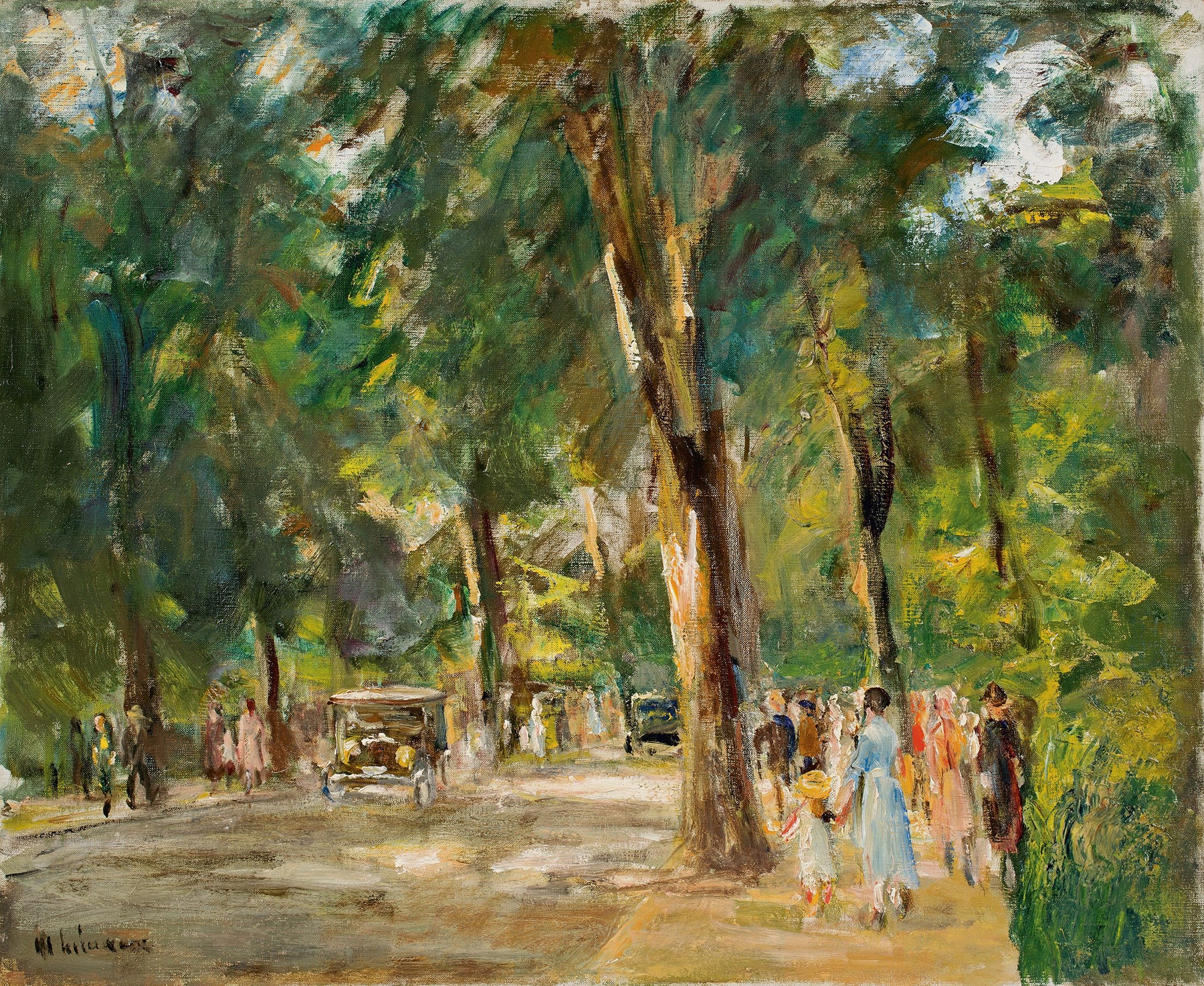
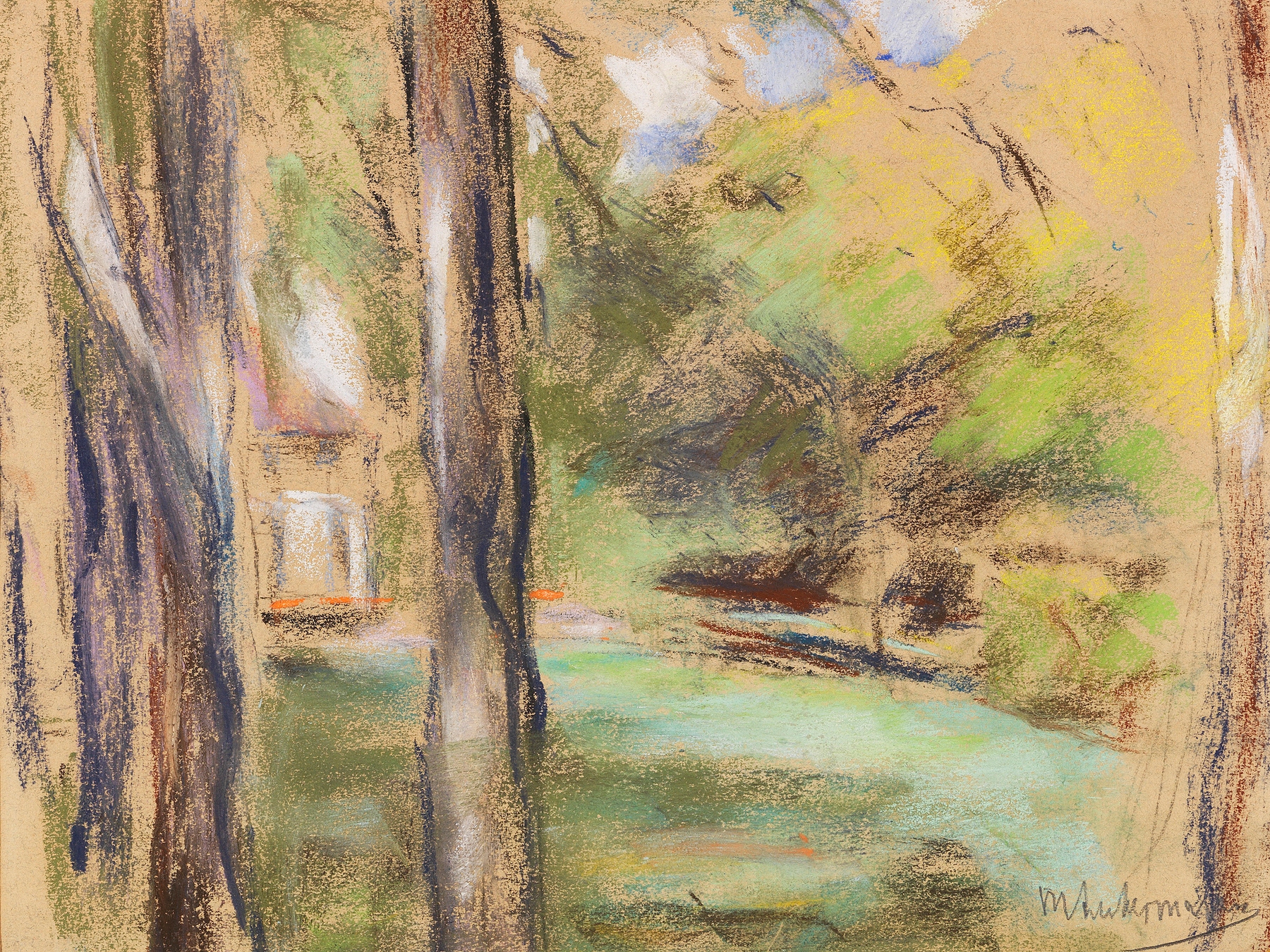
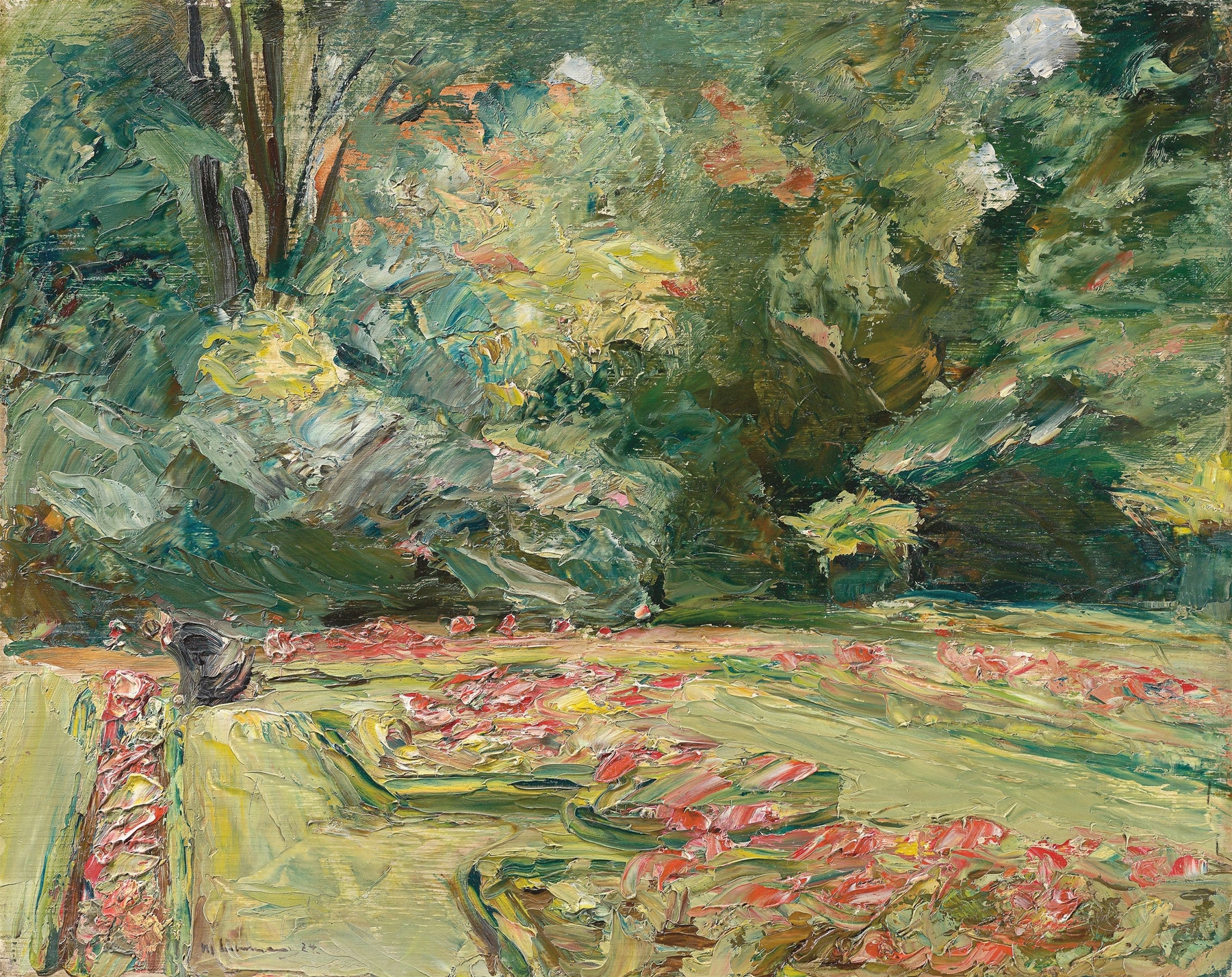
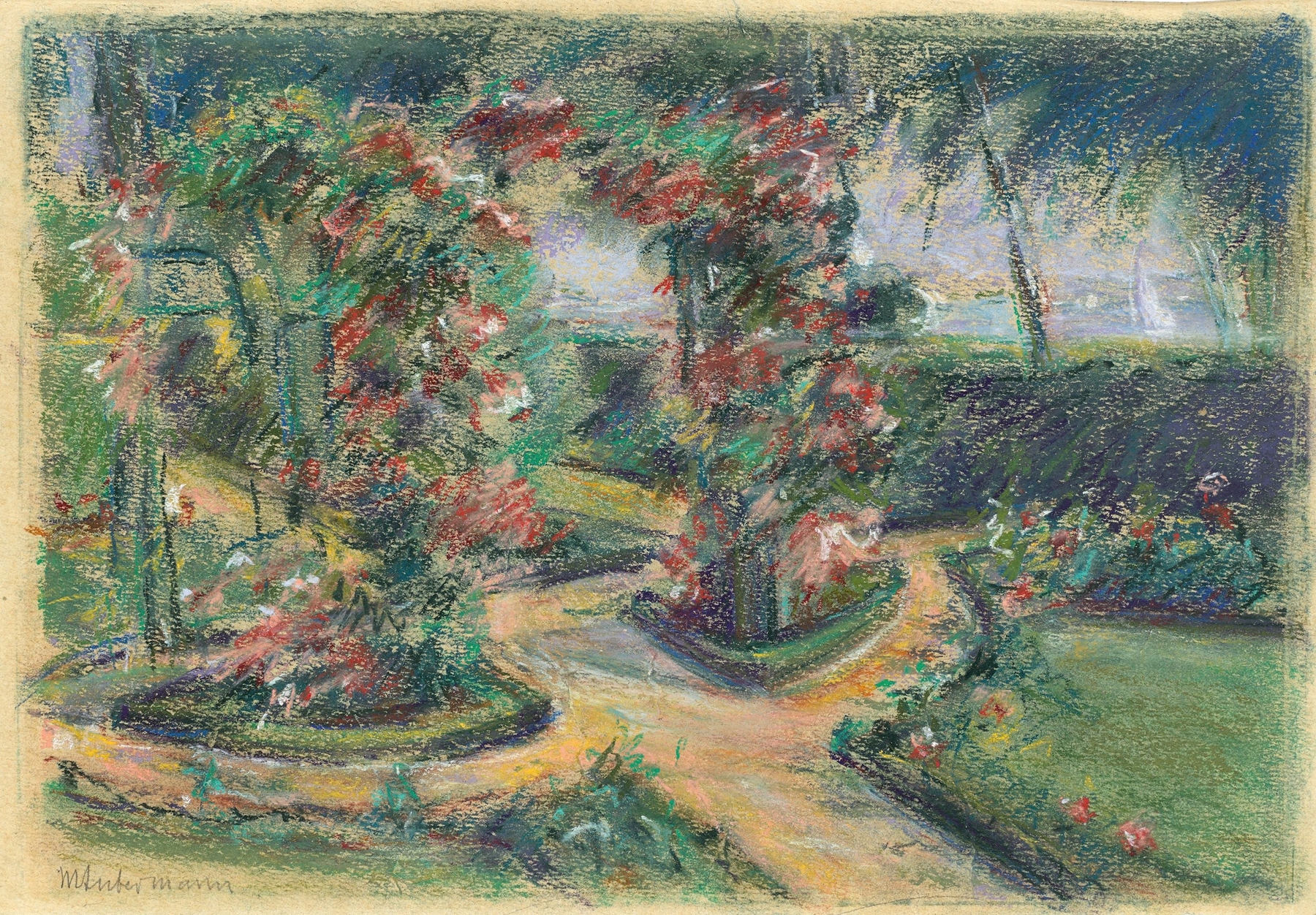
“Every silence here is a confession.” The delicate interplay of flowers and sunlight evokes a sense of divinity, inviting contemplation amidst nature’s quiet beauty. Look to the left at the lush, blooming rose bushes, their vibrant hues of crimson and coral gently contrasting with the verdant greens surrounding them. Notice how the sunlight filters through the leaves, casting dappled shadows that dance across the soft earth. The composition is meticulously balanced, with a path winding gracefully through the garden, guiding the eye toward the horizon, where the sky meets the foliage in a soft embrace of blues and whites.
Hidden within this tranquil scene lies a tension between nature's ephemeral beauty and the permanence of human emotion. The meticulous detail in each petal suggests an appreciation for the fragility of life, while the serene setting speaks to a longing for peace and connection. The garden, once a place of solitude, becomes a sanctuary for reflection and divine communion, elevating the mundane to a realm of spiritual awakening.
Created in 1928, this piece emerged during a time of significant change in Europe. Max Liebermann, a prominent figure in the Berlin Secession movement, painted this work in the waning years of the Weimar Republic, a period marked by artistic innovation yet overshadowed by social instability. In this context, the painting captures both the personal and collective yearning for beauty and solace amidst the complexities of modern life.