Diana on a Chase — History & Analysis
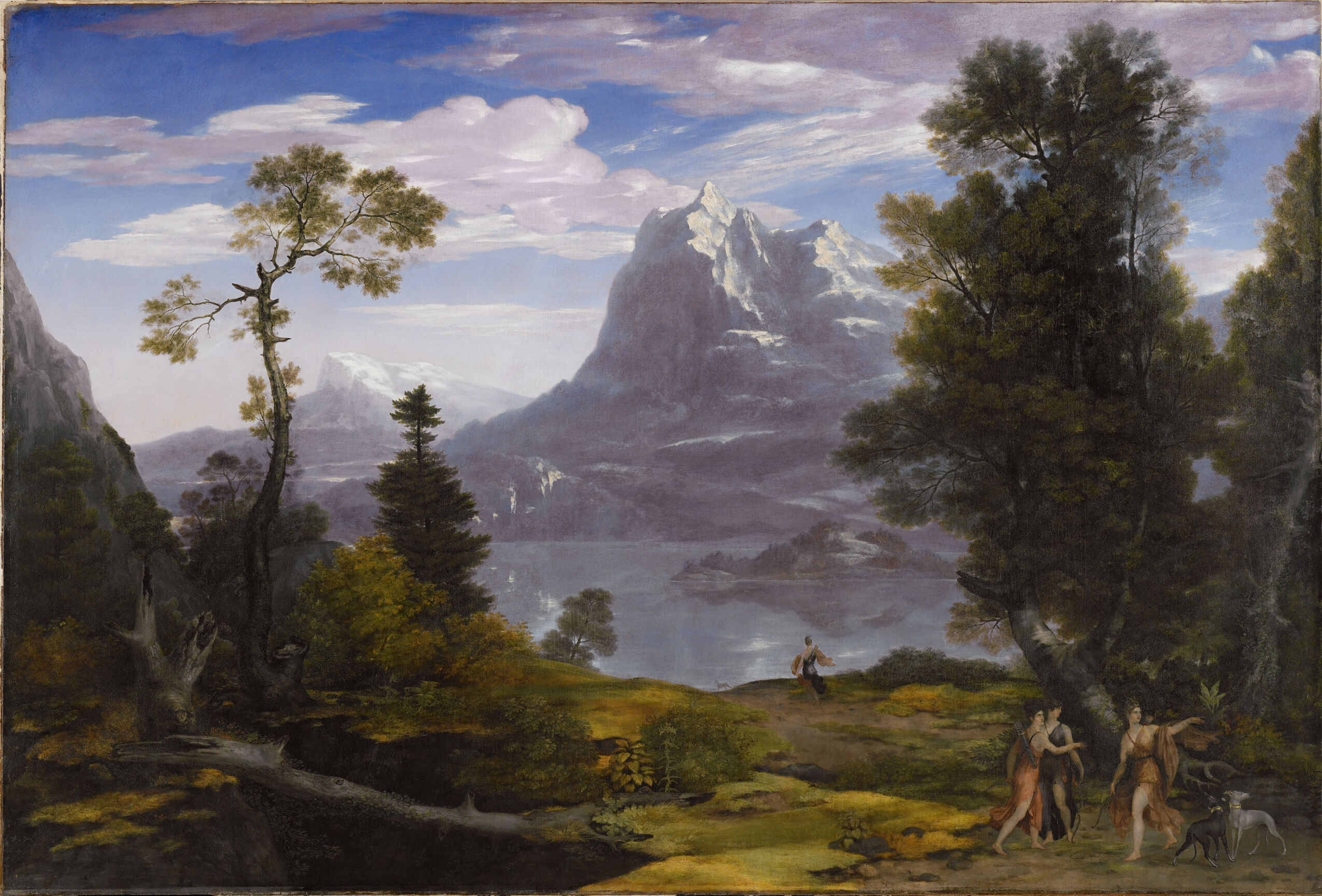
“Under the brush, chaos becomes grace.” This sentiment encapsulates the beauty of human creation, a testament to the transformative power of artistry. Look to the center of the canvas, where a radiant figure, embodying Diana, is captured in mid-chase. The sweeping lines of her drapery, flowing like liquid silk, draw the eye to the dynamic movement, while the subtle transitions of color from deep greens to muted earth tones create a lush backdrop that breathes life into the scene. The play of light highlights the contours of her figure, illuminating her determination and grace as she navigates the wild landscape.
As you explore the painting further, notice the interplay of tension and release. The wild brushstrokes convey both the chaos of the hunt and the serenity of nature, suggesting a deeper connection between the huntress and her surroundings. The subtle expressions on her face hint at a blend of resolve and exhilaration, inviting viewers to ponder the duality of pursuit and tranquility inherent in life. Fragments of foliage, almost indistinct, whisper of a world untamed, where every moment teeters on the brink of chaos and harmony.
Washington Allston created Diana on a Chase in 1805 during his time in America, emerging as a significant figure in the Romantic movement. This period was marked by a burgeoning interest in individual expression and nature, coinciding with broader cultural shifts following the American Revolution. Allston's innovative techniques and commitment to emotional depth positioned him as a pivotal artist in American painting, bridging the gap between Neoclassicism and Romanticism.