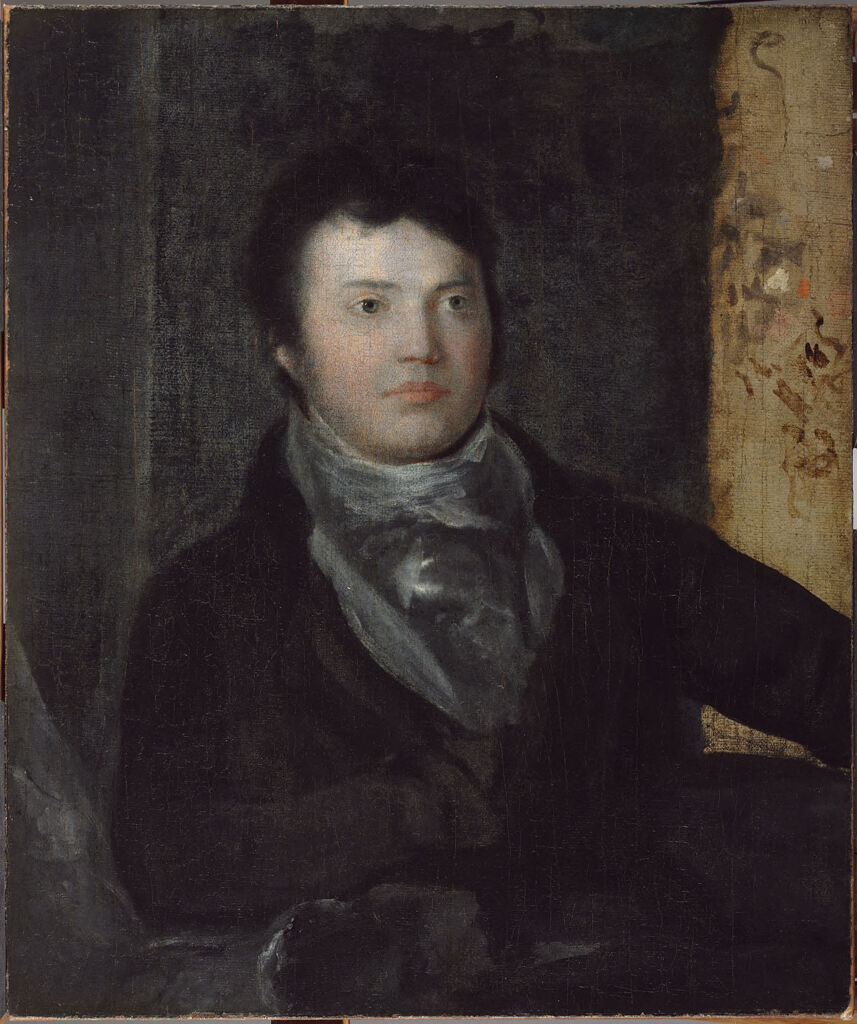
Samuel Taylor Coleridge (1772-1834) — History & Analysis
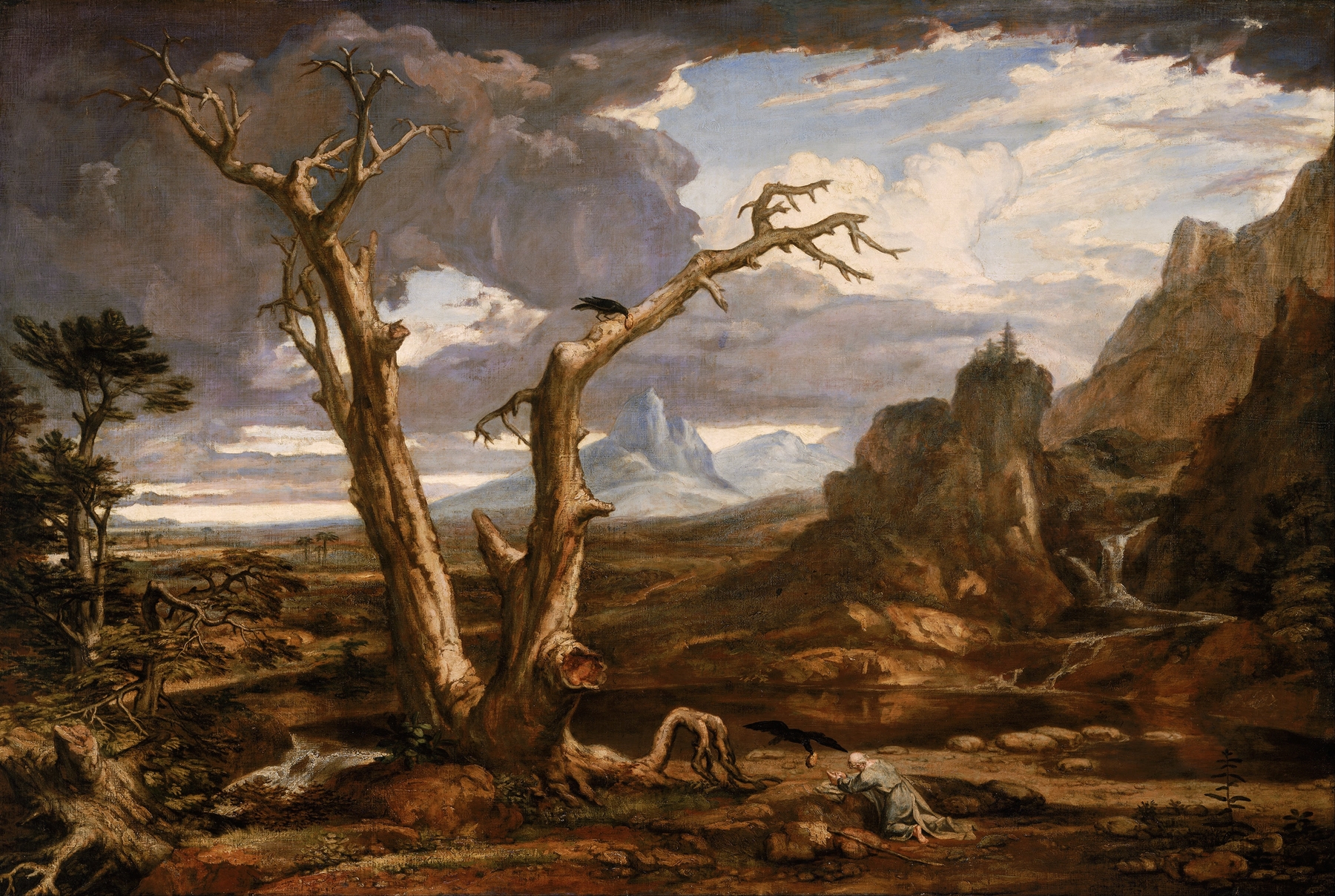
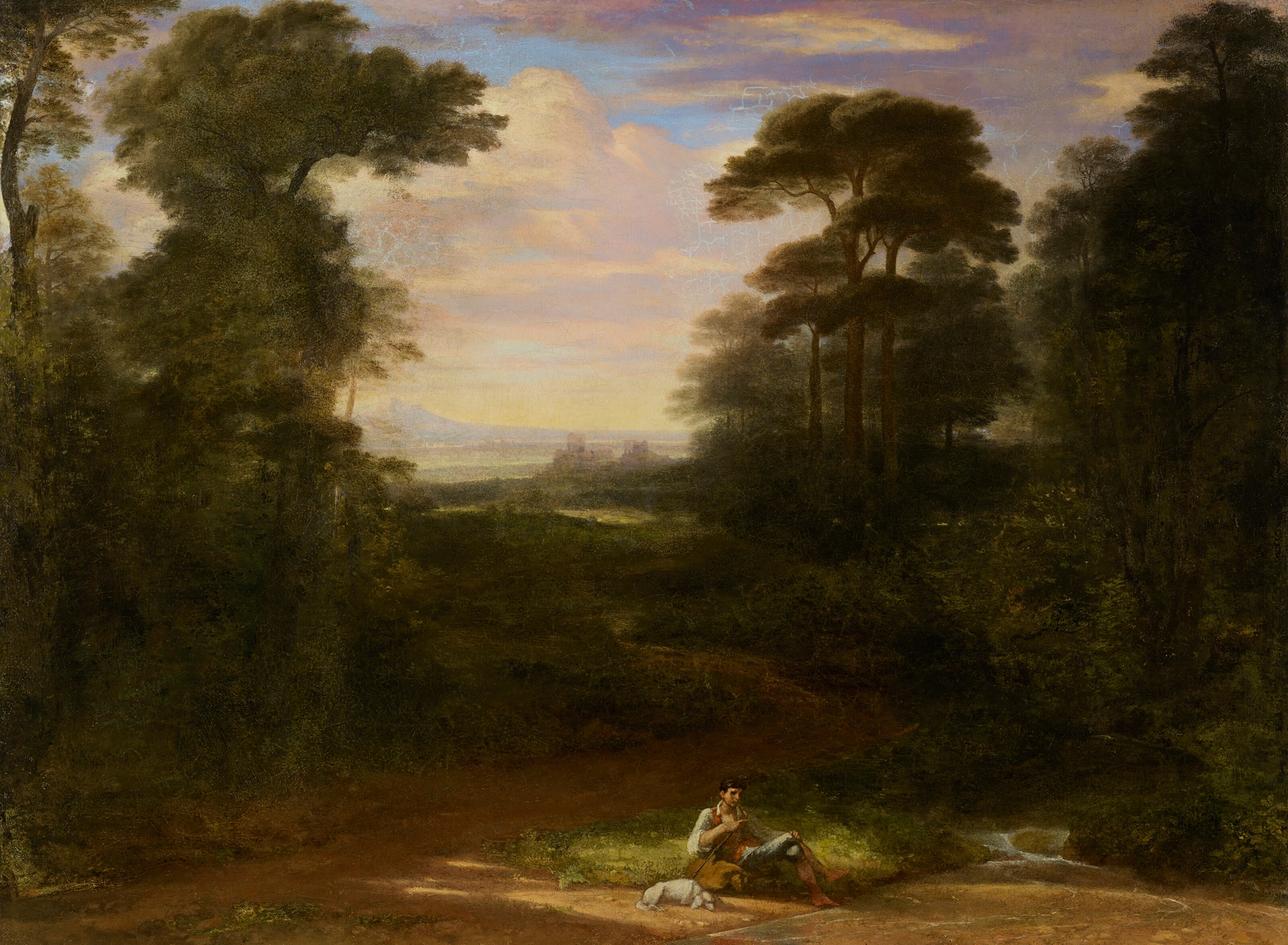
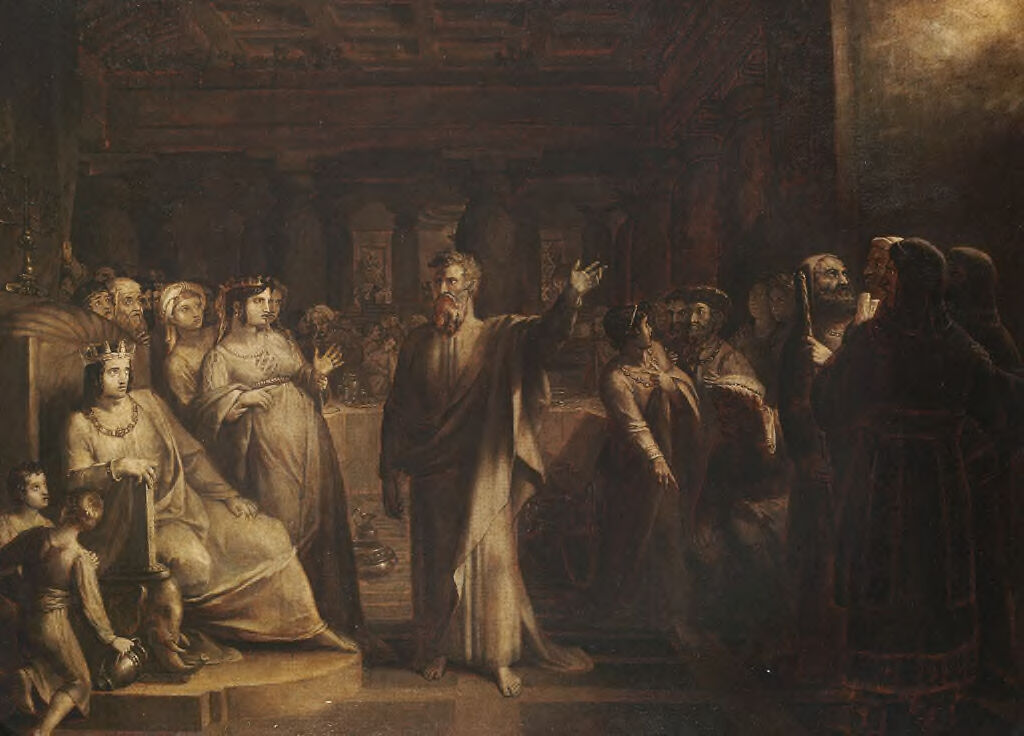
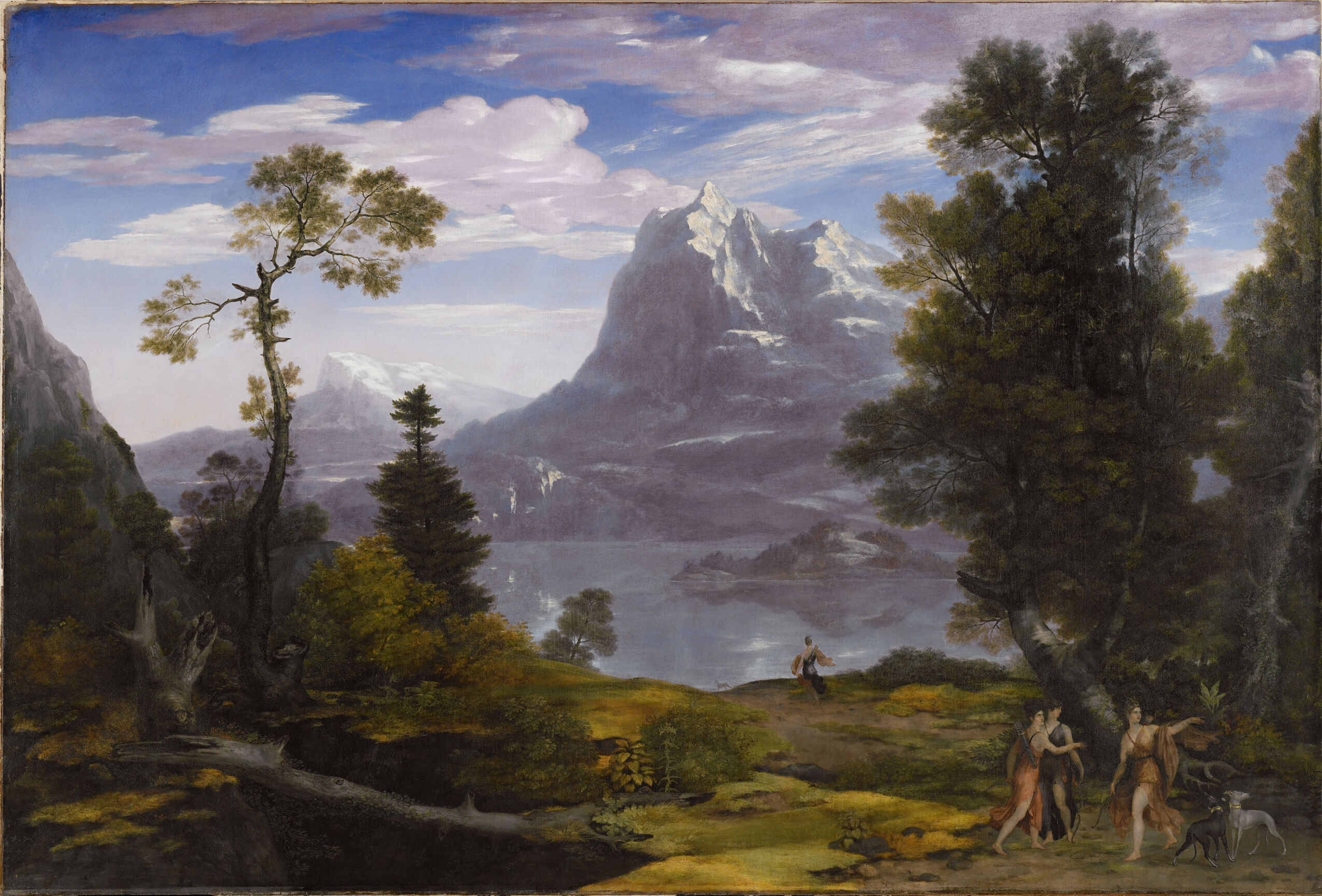
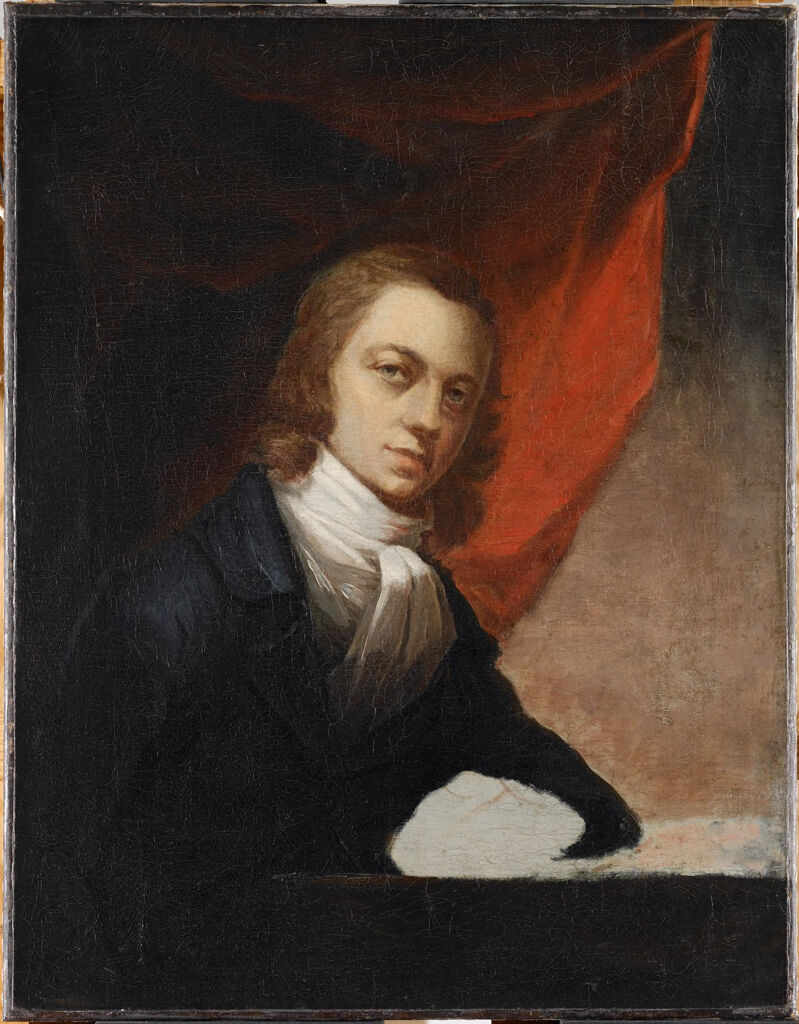
“To paint is to remember what time wants us to forget.” In the soft embrace of a brushstroke, truth emerges from the canvas, whispering secrets of the past. Look to the center of the composition, where a contemplative figure rests, immersed in thought. The artist’s deft use of light creates a halo effect around the subject, capturing the ephemeral nature of inspiration. Notice how the cool tones of blue and green envelop him, almost as if nature itself cradles his creativity.
This gentle color palette invites the viewer to ponder the depths of the poet's imagination, while the subtle shadows suggest an inner world filled with both turmoil and solace. Deeper meanings unfold in the contrasts within the piece. The juxtaposition of the subject's tranquil demeanor against the vivid hues hints at the tumult of Coleridge's internal struggles with addiction and mental health. The books and quill around him serve as symbols of his profound literary contributions, yet they also evoke a sense of isolation — a reminder of the solitary journey of a creator seeking truth amidst chaos.
This tension invites the viewer to reflect on the fragility of artistic genius. In 1806, Washington Allston was at a pivotal point in his career, having recently returned to America after studying in Europe. The early 19th century was marked by a burgeoning Romanticism in art and literature, an era that celebrated individuality and emotion. During this time, Allston's work began to explore deeper psychological themes, positioning him as a significant figure in American Romanticism as he sought to capture the essence of creativity and the complexity of the human experience.