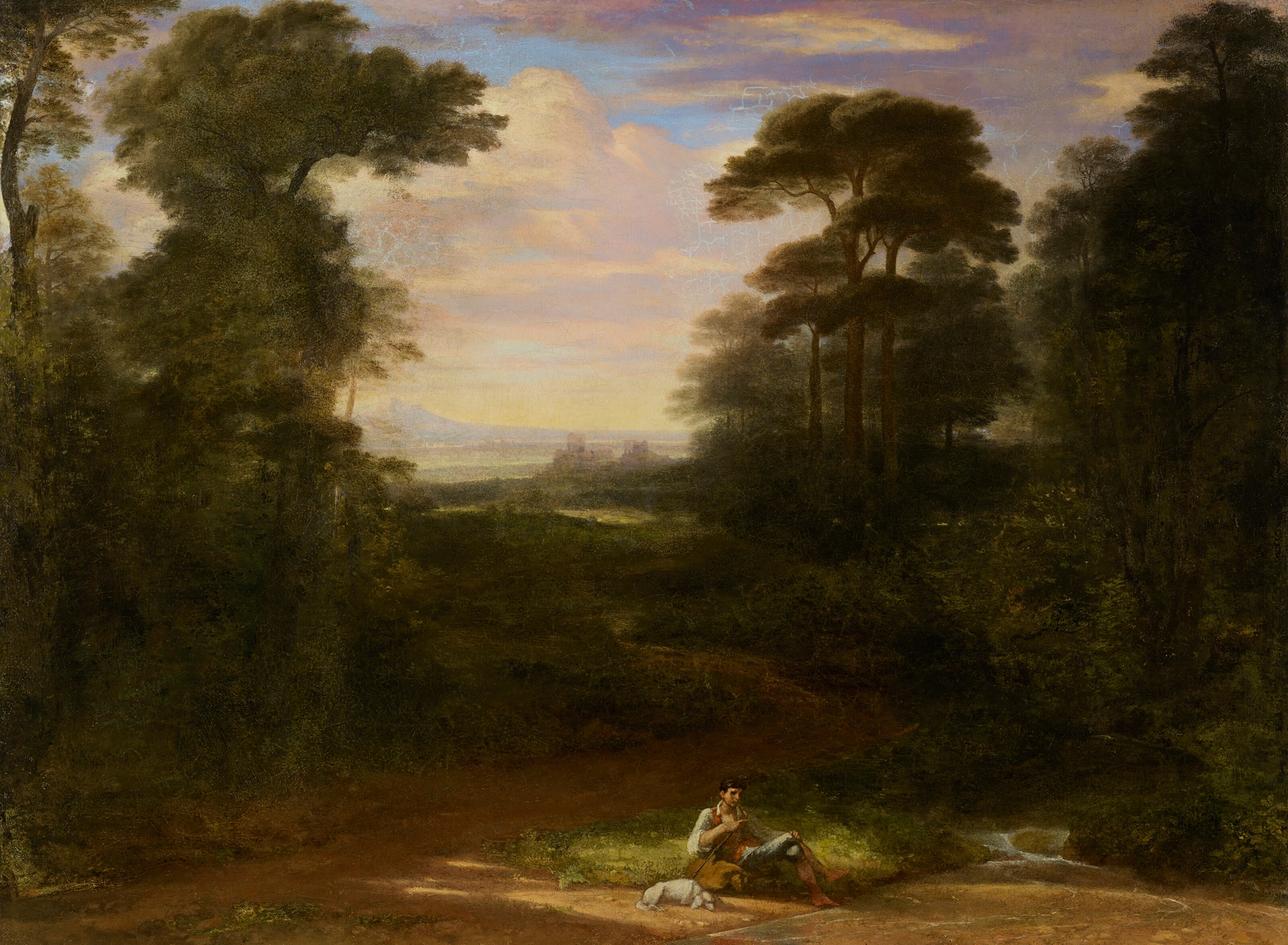
Landscape, Evening — History & Analysis
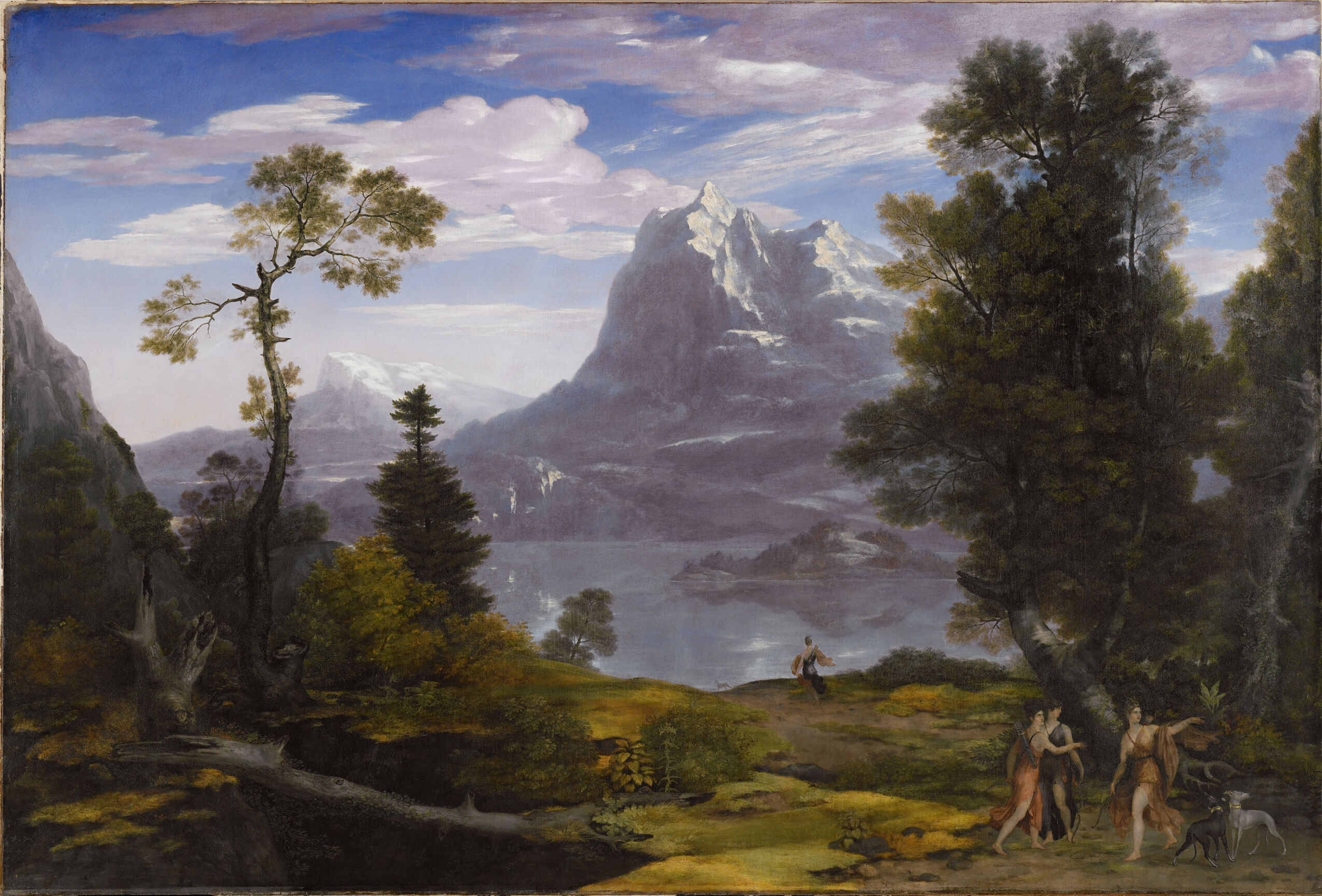
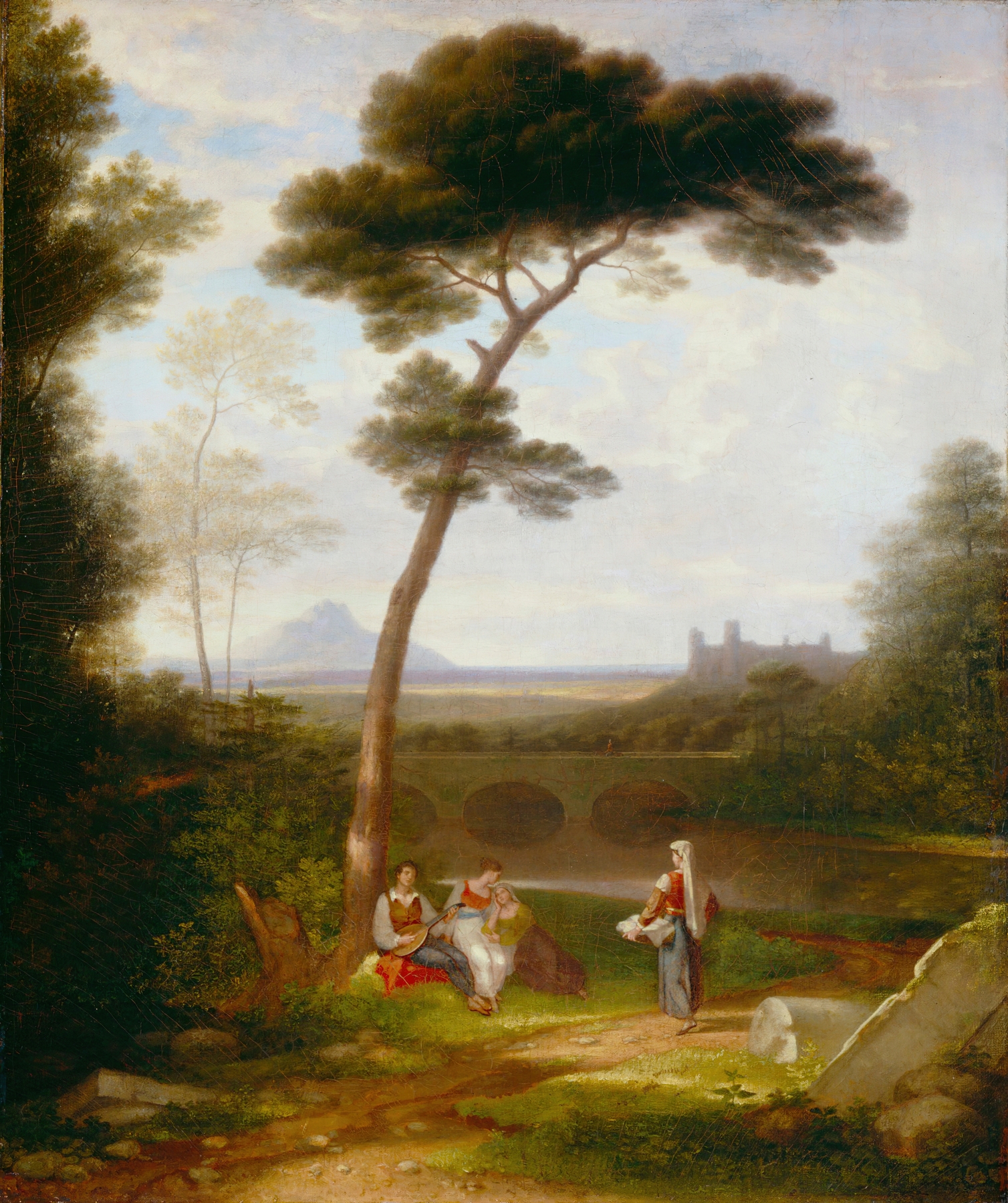
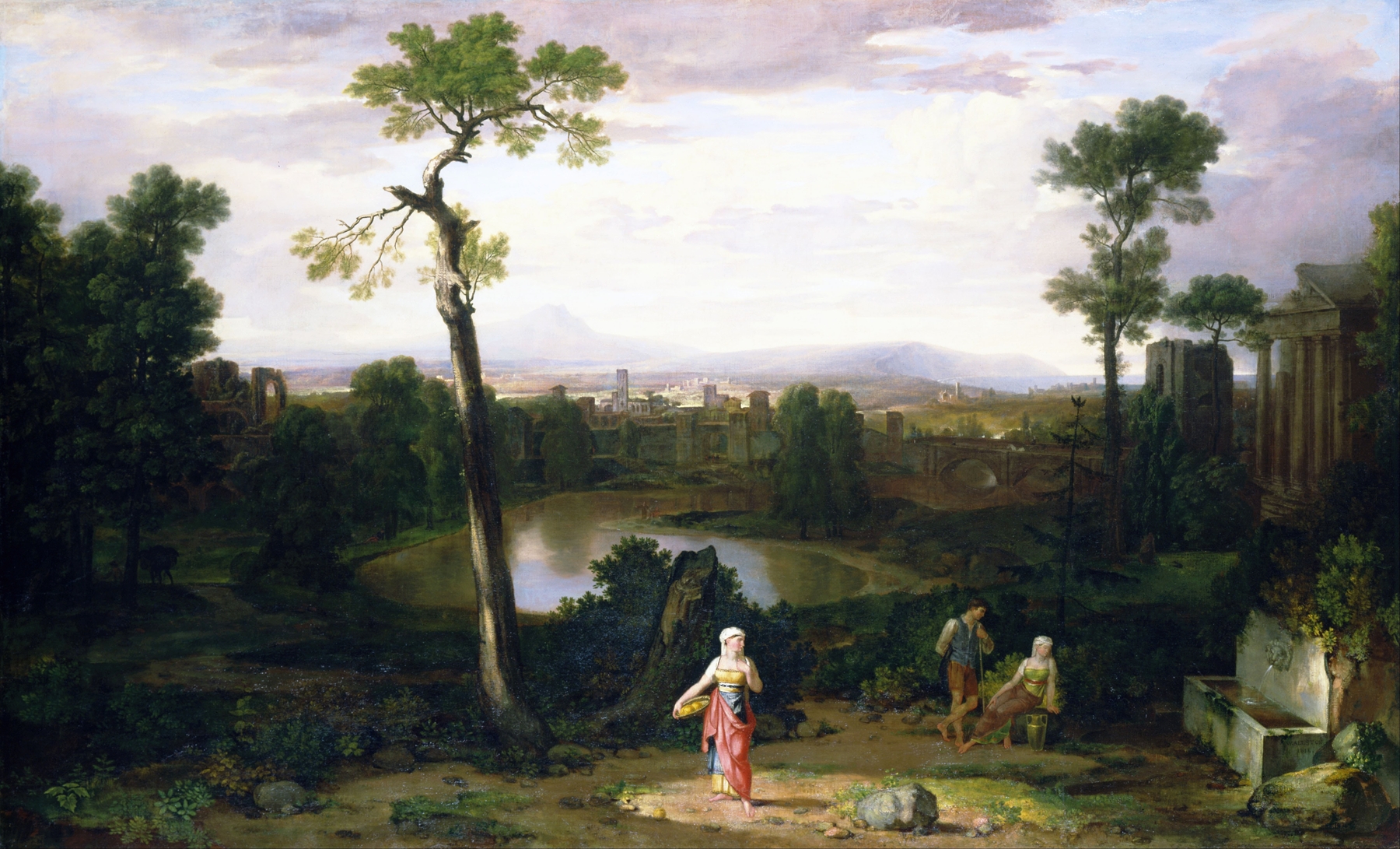
“Under the brush, chaos becomes grace.” In the stillness of twilight, memories intertwine with nature, revealing a delicate interplay between the seen and the felt. The essence of a moment, both fleeting and eternal, can be found in the subtle shifts of color and form, inviting us to pause, reflect, and remember. Look to the horizon where deep, moody blues blend into soft, muted purples, creating a sense of depth that draws you into the canvas. Notice how the light wanes, bathing the landscape in a gentle glow that hints at the day's end. The trees, painted with loose, expressive strokes, stand tall yet vulnerable, silhouetted against the fading light.
In the foreground, wisps of grass dance with an unseen breeze, their movement capturing the ephemeral quality of evening. Hidden within the layers of paint are the emotional currents of nostalgia and tranquility. The choice of colors speaks to the complexity of memories—some bright and vivid, others softened by time. The balance between the tranquil sky and the darkening earth evokes a feeling of serene acceptance, as if the artist is contemplating the passage of time, urging viewers to embrace their own memories. Each brushstroke resonates with the unspoken stories that lie within the quiet moments of life.
Washington Allston created this piece in 1821, amidst a changing landscape of American art. At this time, he was deeply engaged with Romantic ideals, blending nature with emotional expression. Living in Boston, he navigated the tensions between traditional European influences and the burgeoning American identity, marking a pivotal moment in his artistic journey. This painting reflects both his personal exploration and the broader cultural shifts of his era.