Die Anbetung des Goldenen Kalbes — History & Analysis
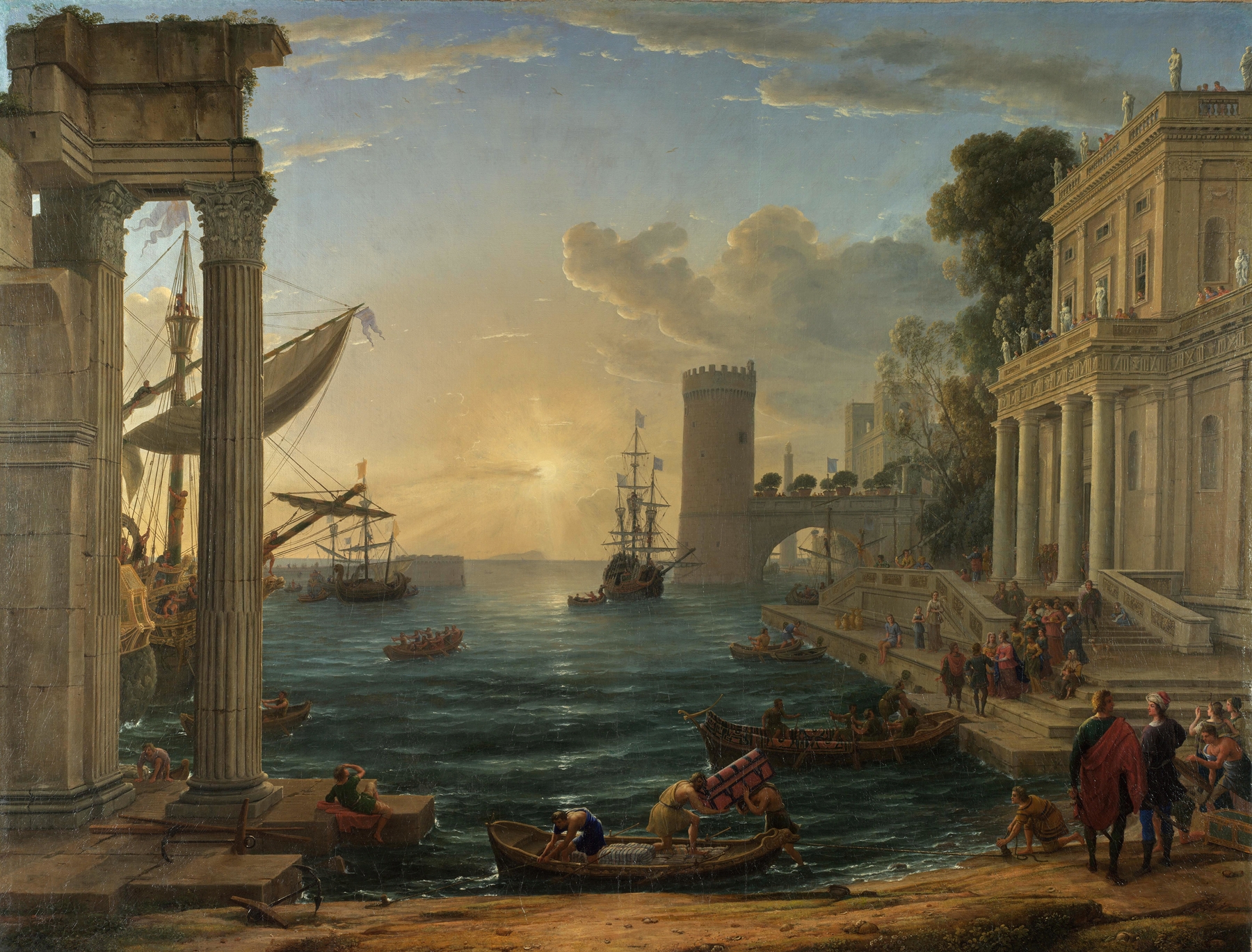
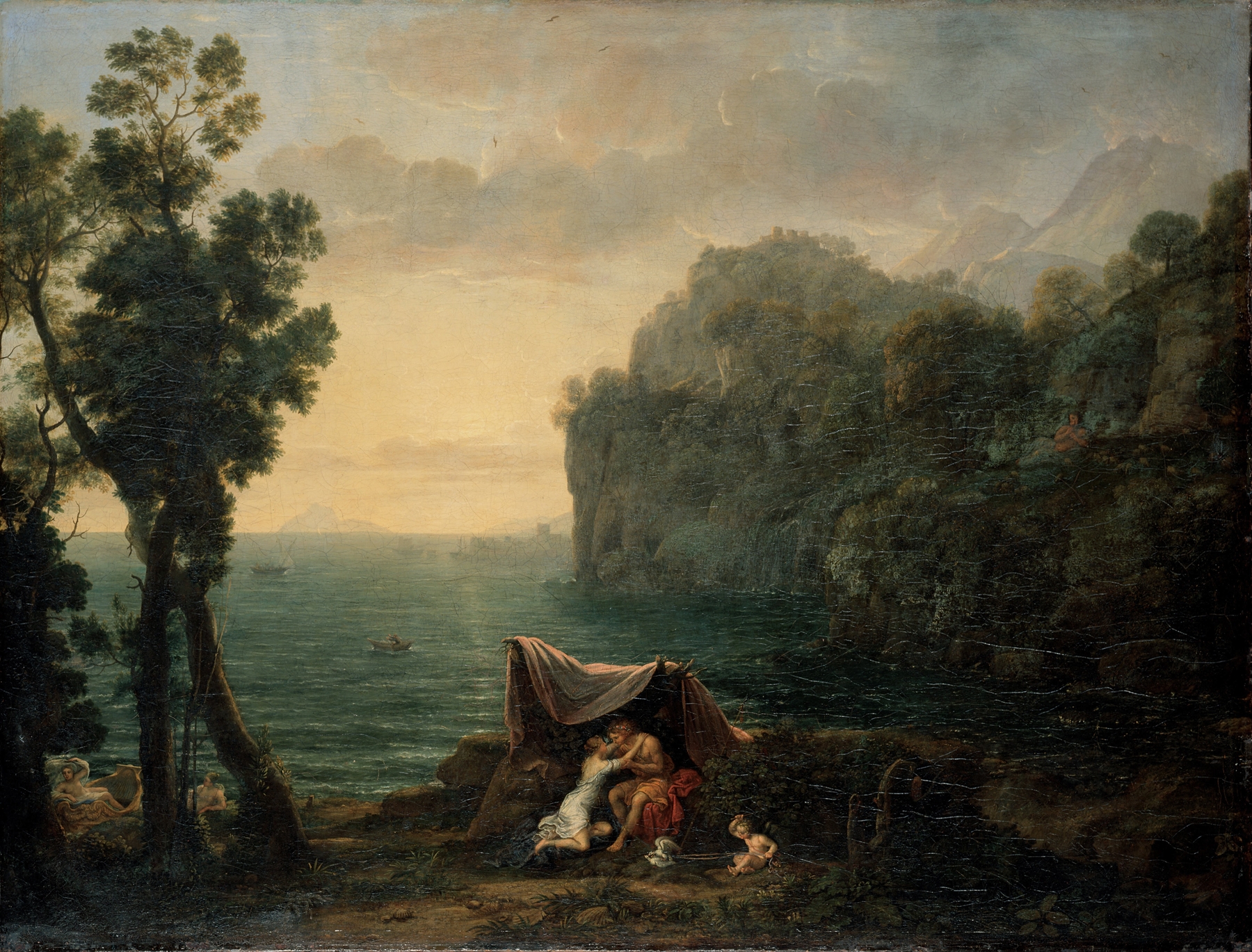
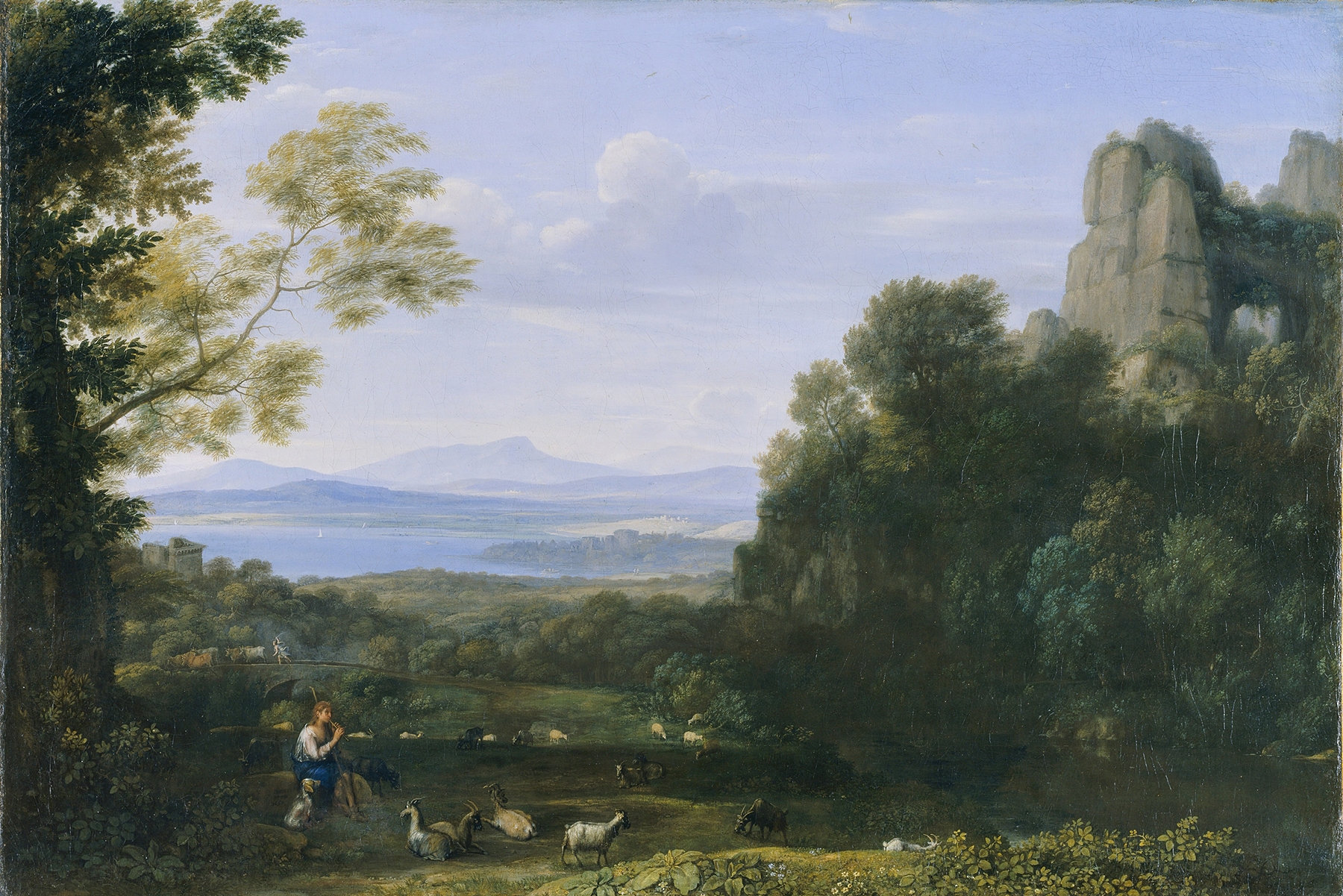
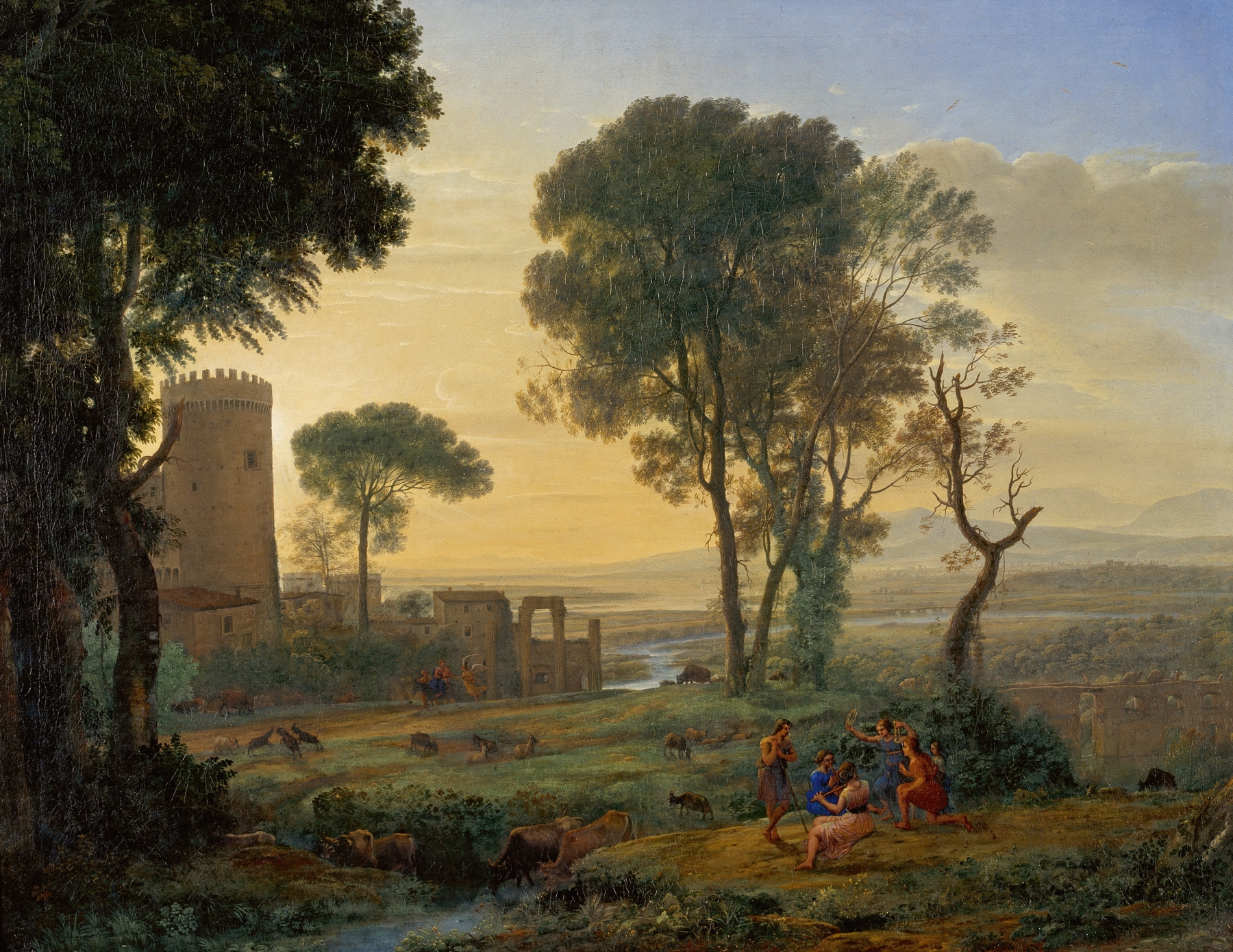
Could beauty survive in a century of chaos? The question lingers in the air, evoking an awakening from slumber, a moment of divine tension caught on canvas. Look to the center of the composition, where the golden calf, resplendent yet ominous, reigns over the worshippers. The figures surrounding it are a blend of reverence and desperation, their postures conveying a fervent devotion juxtaposed against the stark reality of their idol.
Notice how the warm light bathes the scene, illuminating the lavish gold and casting shadows that stretch back into the darker recesses of the painting, highlighting the discord between earthly temptation and spiritual longing. A deeper inspection reveals emotional currents flowing beneath the surface. The contrasting figures, from the ecstatic to the skeptical, suggest a commentary on blind faith and the perils of idolatry. The looming presence of nature, the grand backdrop of mountains and trees, serves as a reminder of the eternal amidst the transient; a silent witness to humanity's follies.
The palette, rich in golds and earthy tones, evokes a sense of both grandeur and decay, illustrating the duality of human aspiration and moral decline. Created in 1653, this work emerged during a tumultuous period in Lorrain's career, as he navigated the complexities of Baroque art and shifting societal values. Living in a Europe marked by civil strife and religious upheaval, he sought solace and expression in pastoral landscapes and historical themes. This painting stands as a reflection of his artistic evolution, capturing the delicate balance between beauty, chaos, and the inexorable pull of the human spirit.