Die Große Seestraße in Wannsee mit Spaziergängern — History & Analysis
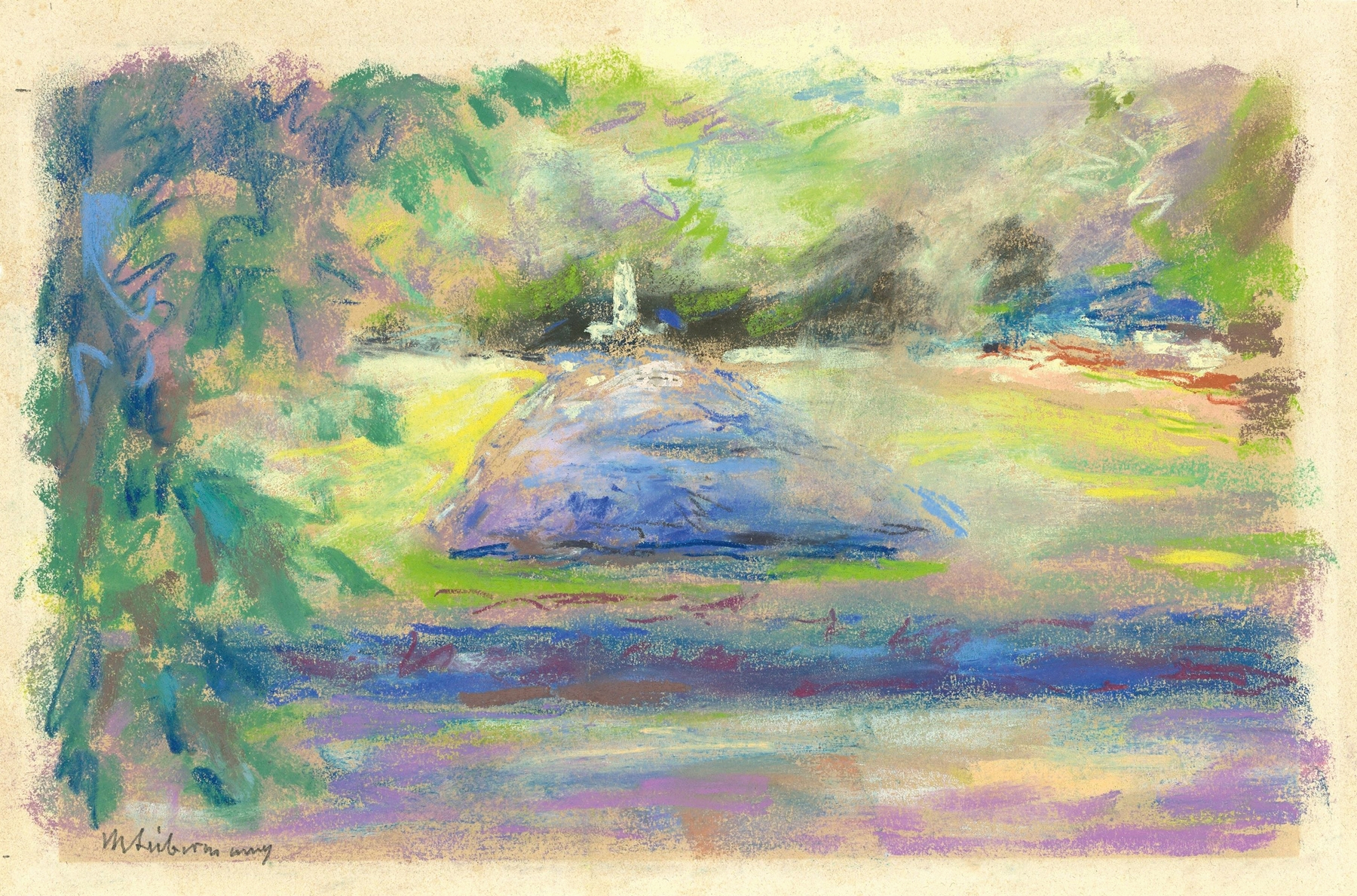
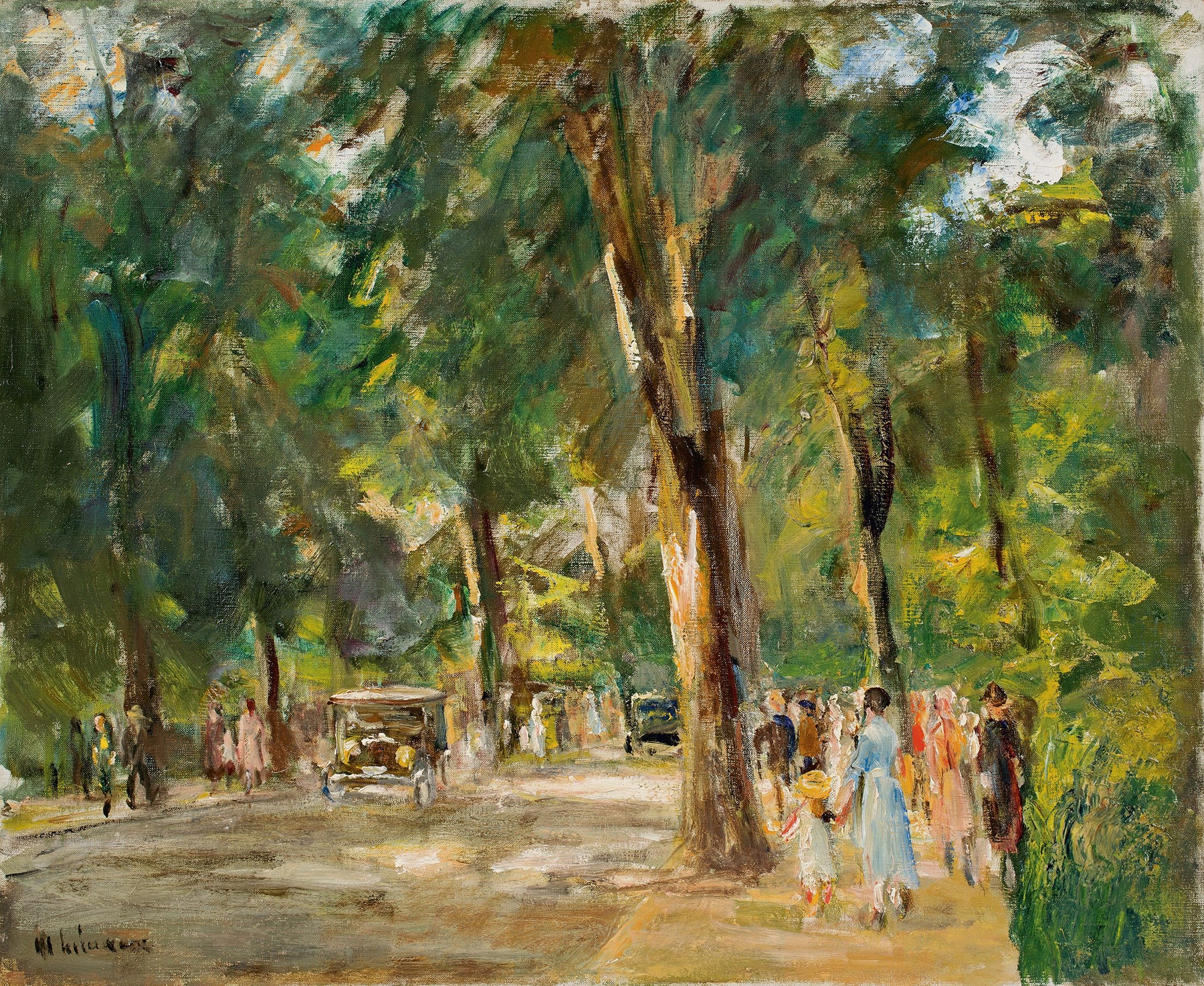
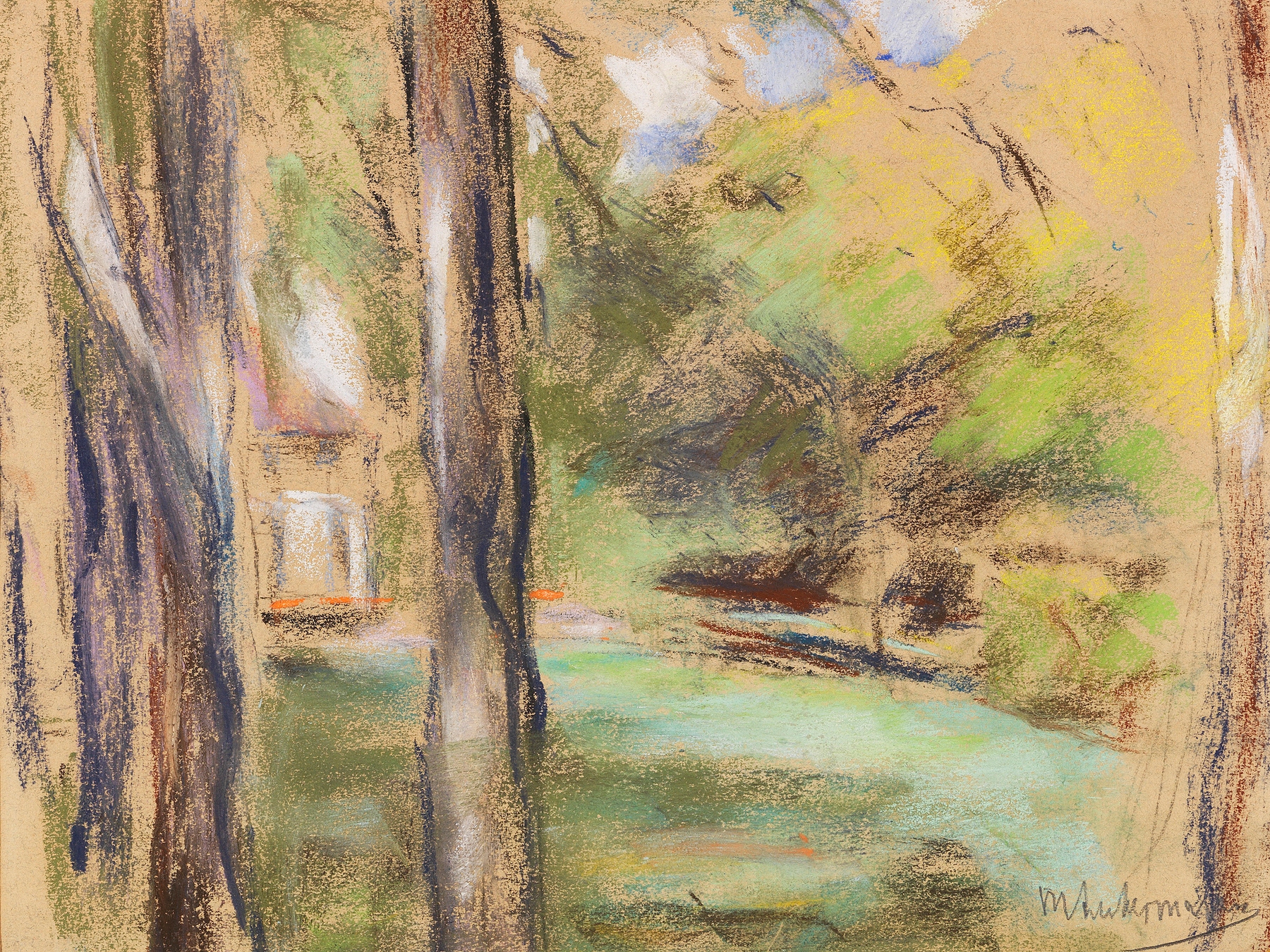
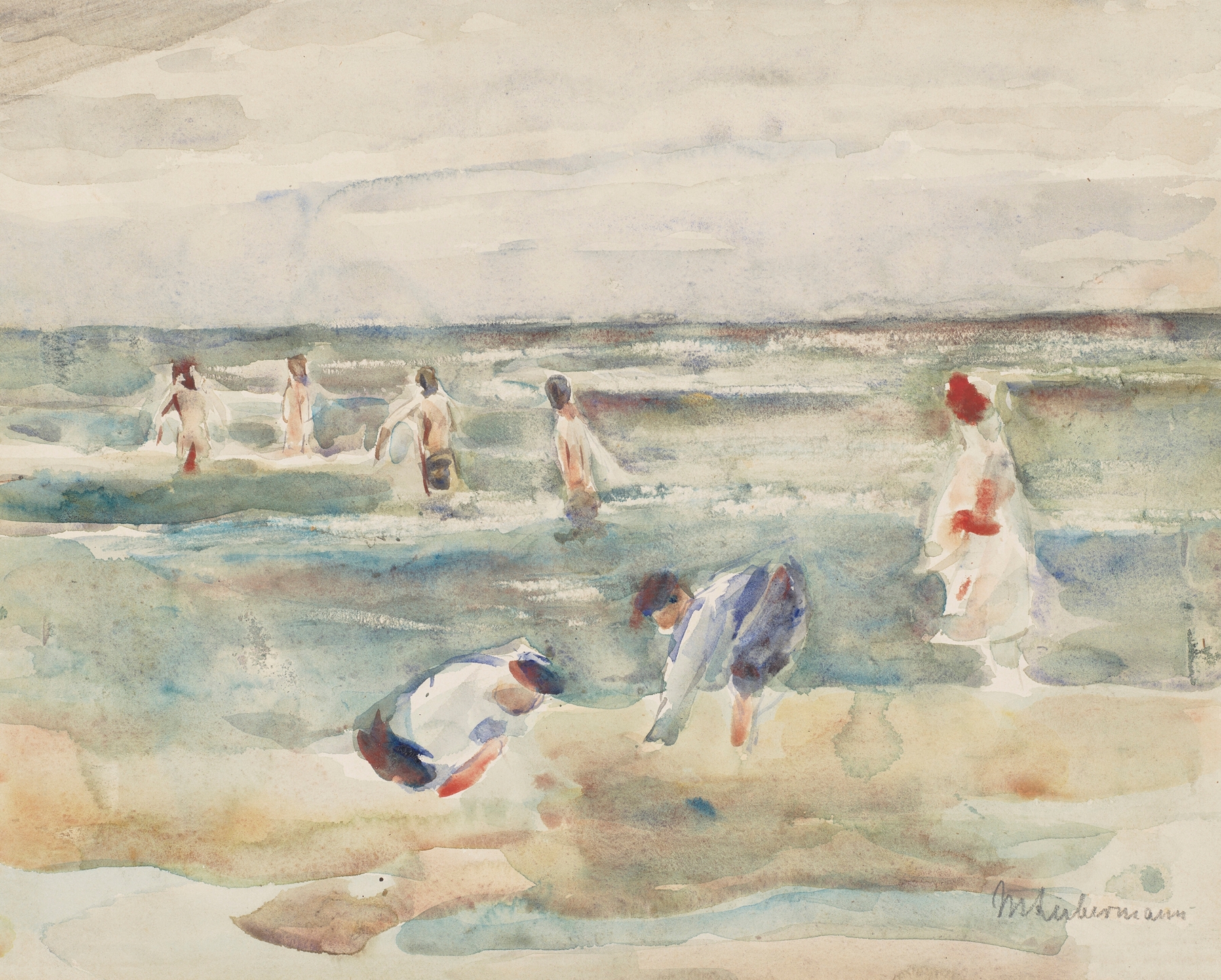
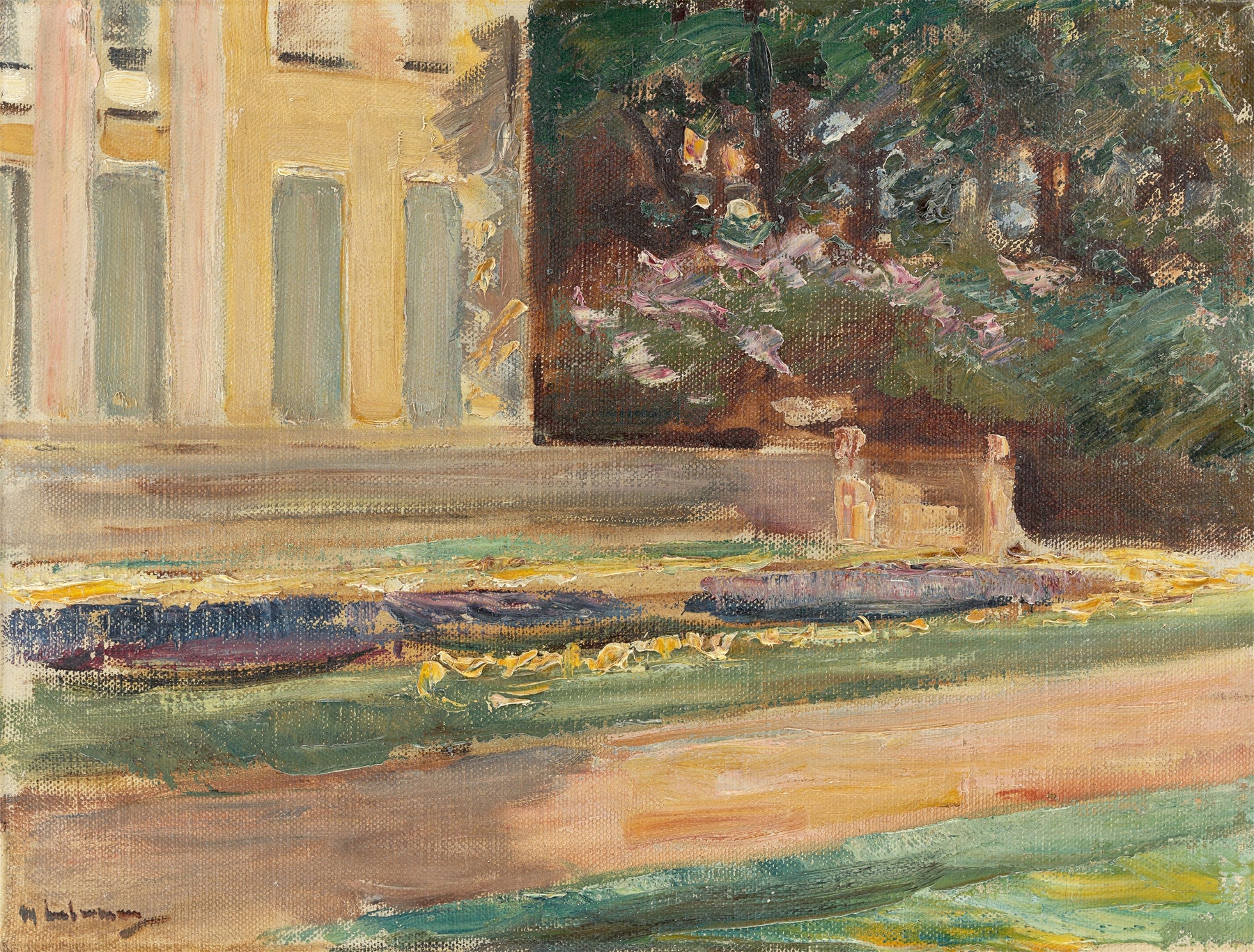
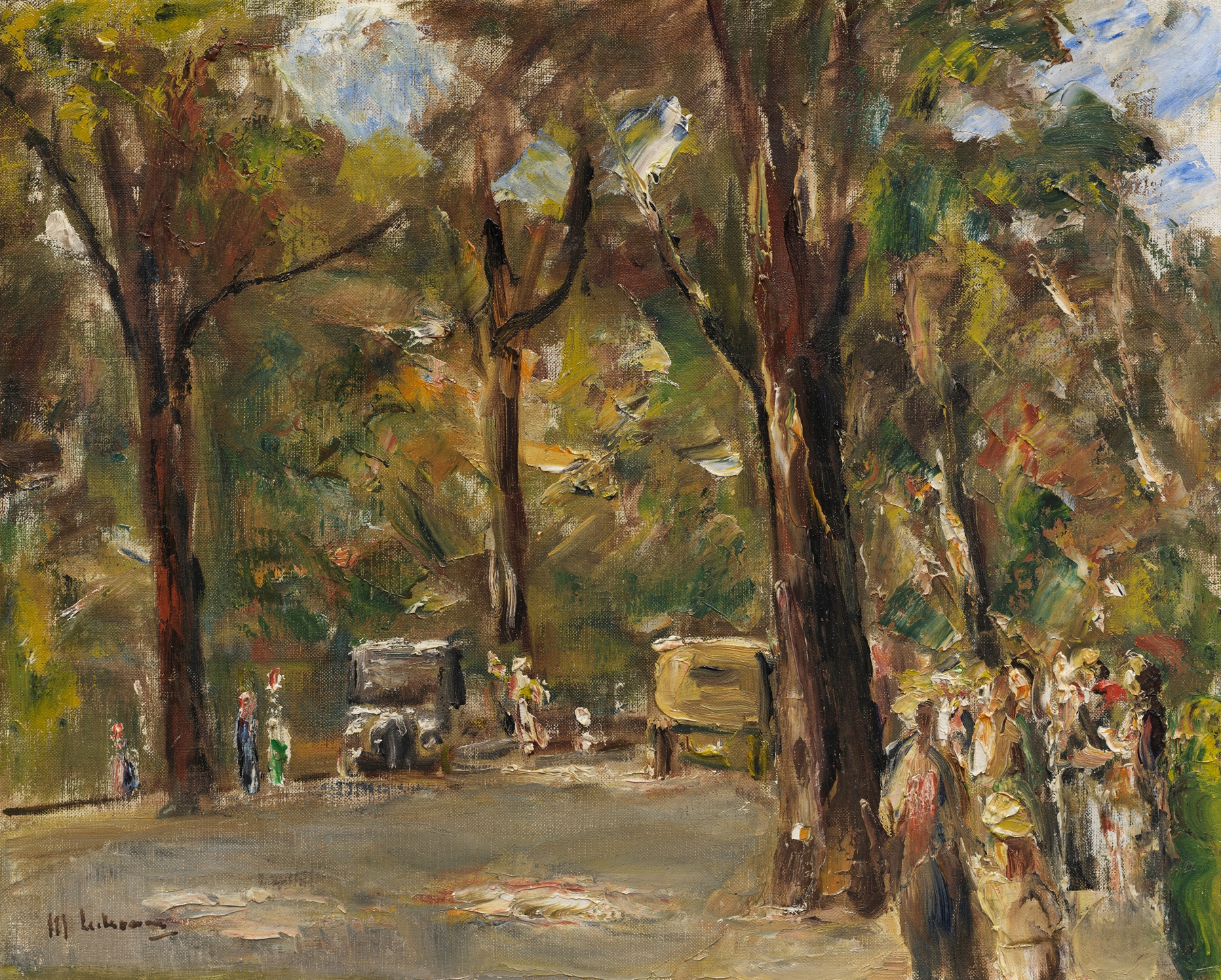
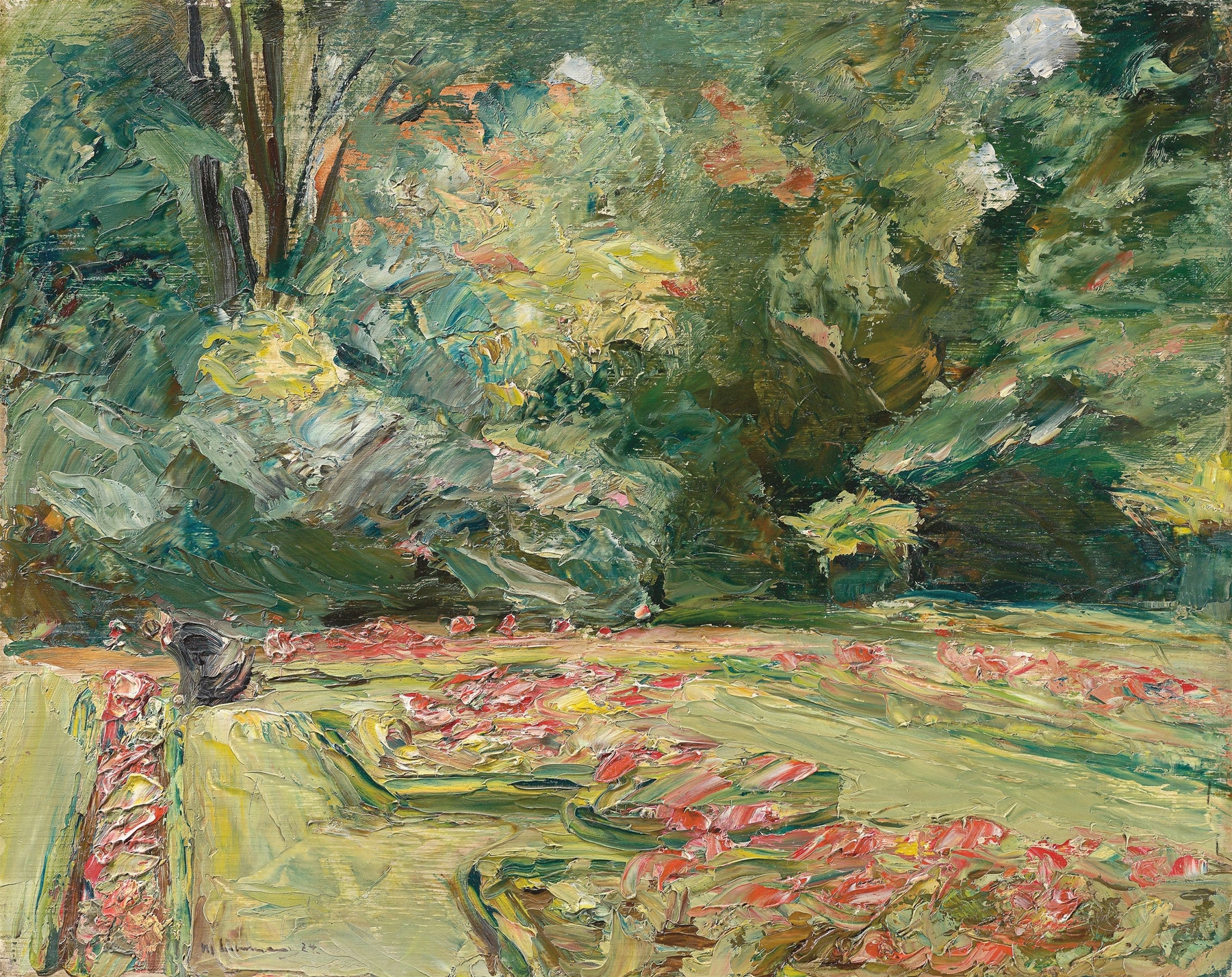
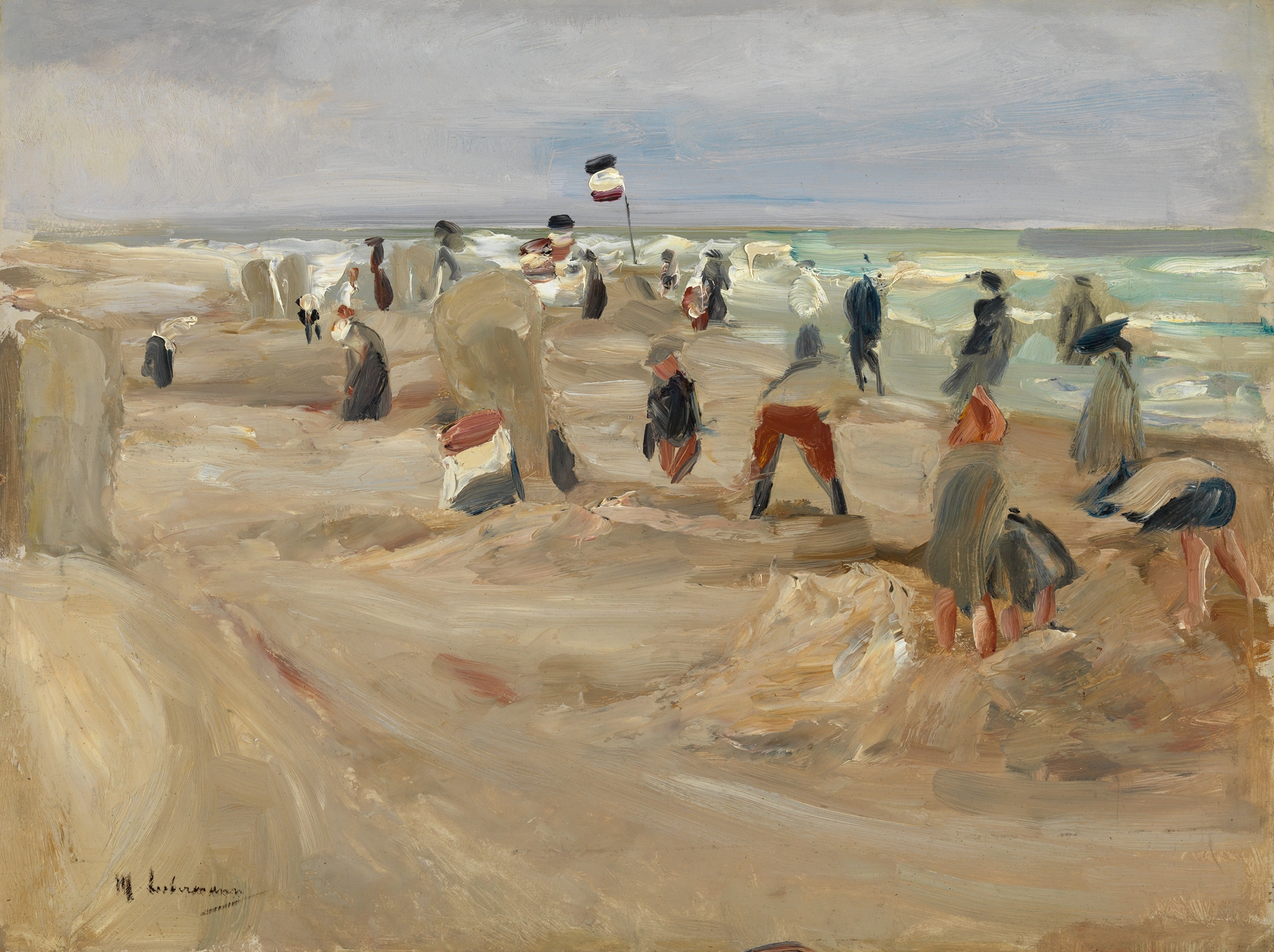
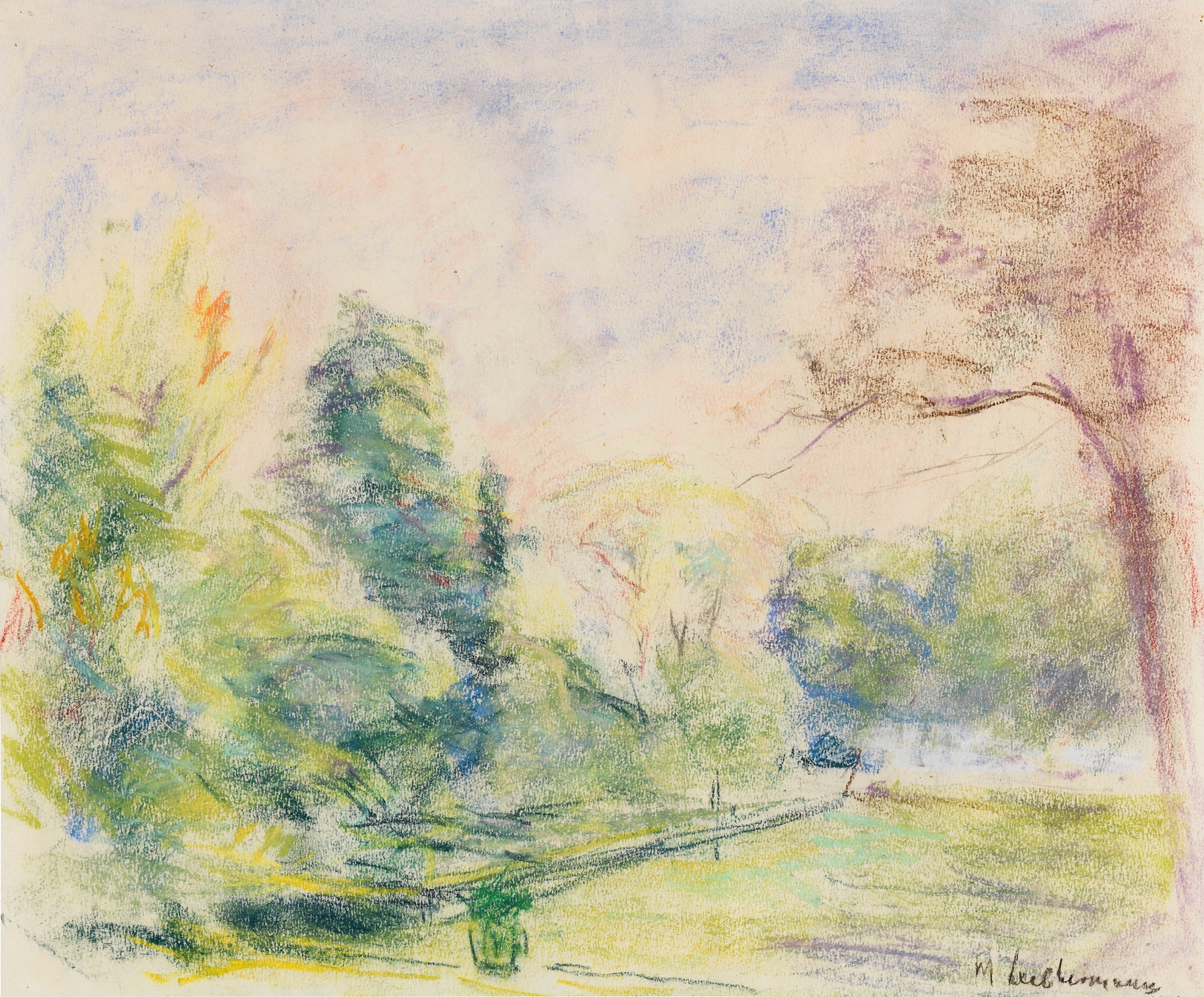
“Sometimes beauty is just pain, disguised in gold.” The serene atmosphere of a promenade can mask the deeper currents of solitude and longing that often accompany it. In this moment, as couples stroll and sunbeams dance upon the water’s surface, the viewer is invited to question the veneer of happiness displayed before them. Look to the left where light spills across an array of vibrant greens, illuminating the figures who wander nearby. Notice how the brushstrokes convey both movement and stillness, with the soft, dappled sunlight creating a harmonious interplay between warmth and shadow.
The pastel hues of the sky merge seamlessly into the tranquil waters, drawing your gaze along the path of the pathway that seems to stretch endlessly, hinting at a journey that is both physical and emotional. Amidst the idyllic charm lies an underlying tension—each figure seems isolated in their own world, a reflection of the emptiness sometimes hidden in beauty. The vibrant colors, while alluring, also suggest the ephemeral nature of happiness; what glimmers may conceal emptiness beneath the surface. The carefully composed figures juxtapose the magnificence of nature against the subtleties of human connection, raising questions about loneliness even in communal spaces.
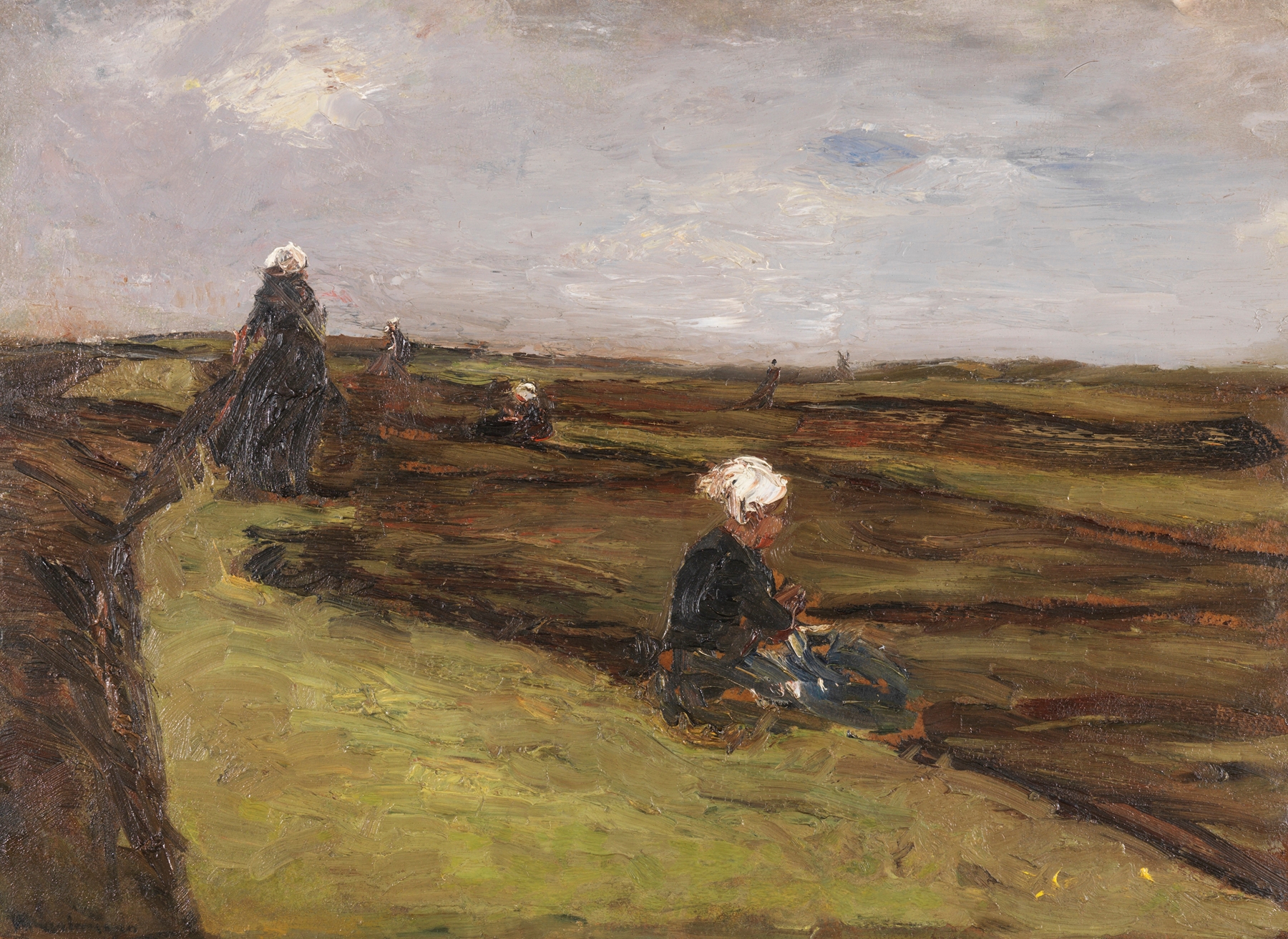
Max Liebermann painted this piece in the early 1920s, during a period of significant personal and societal change in Germany. Living in Berlin, he sought solace in landscapes, capturing the beauty of retreating nature amidst the harrowing aftermath of World War I. This work reflects not only his artistic evolution but also a collective longing for peace and connection in a world marked by turmoil.