Kronberg in the Taunus — History & Analysis
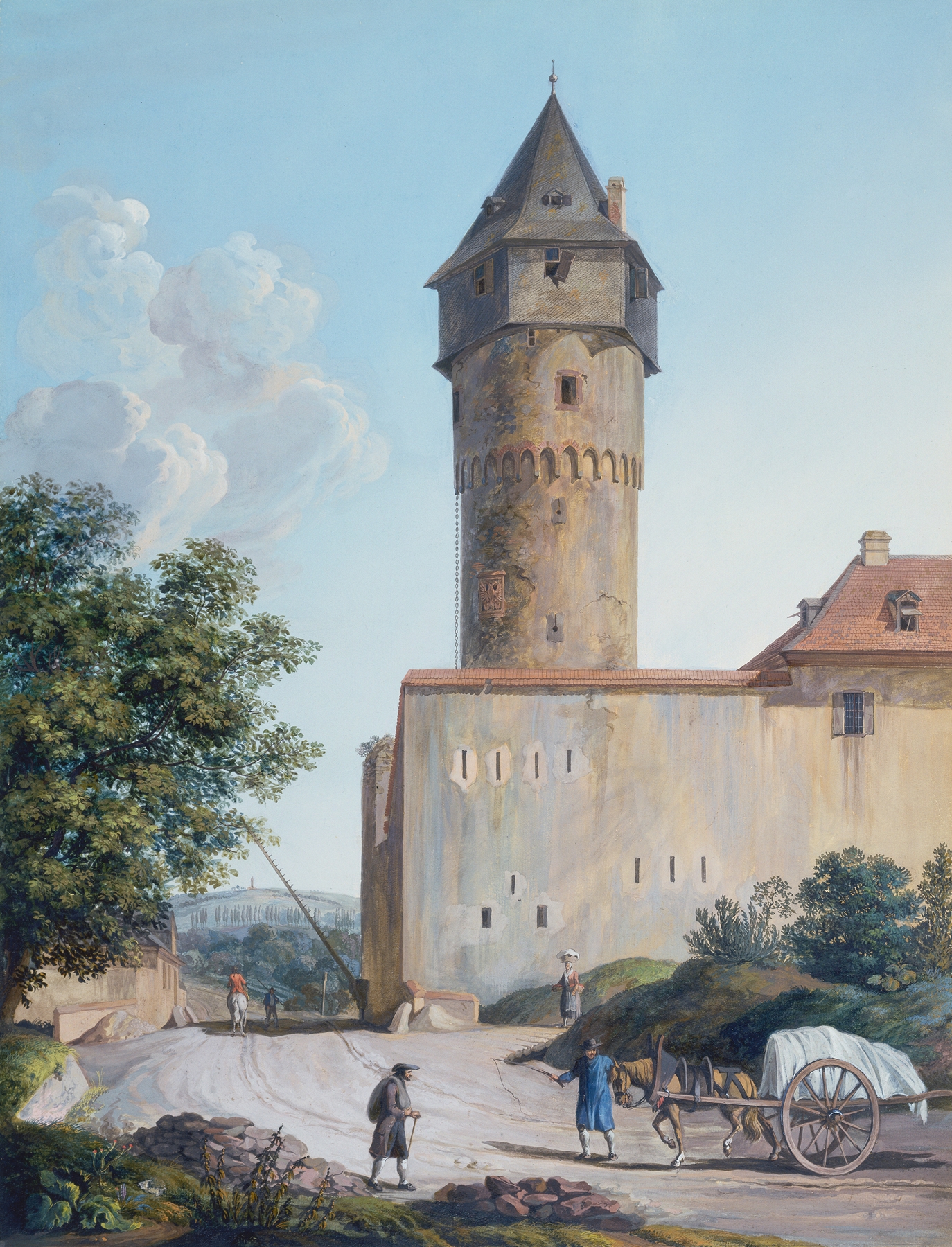
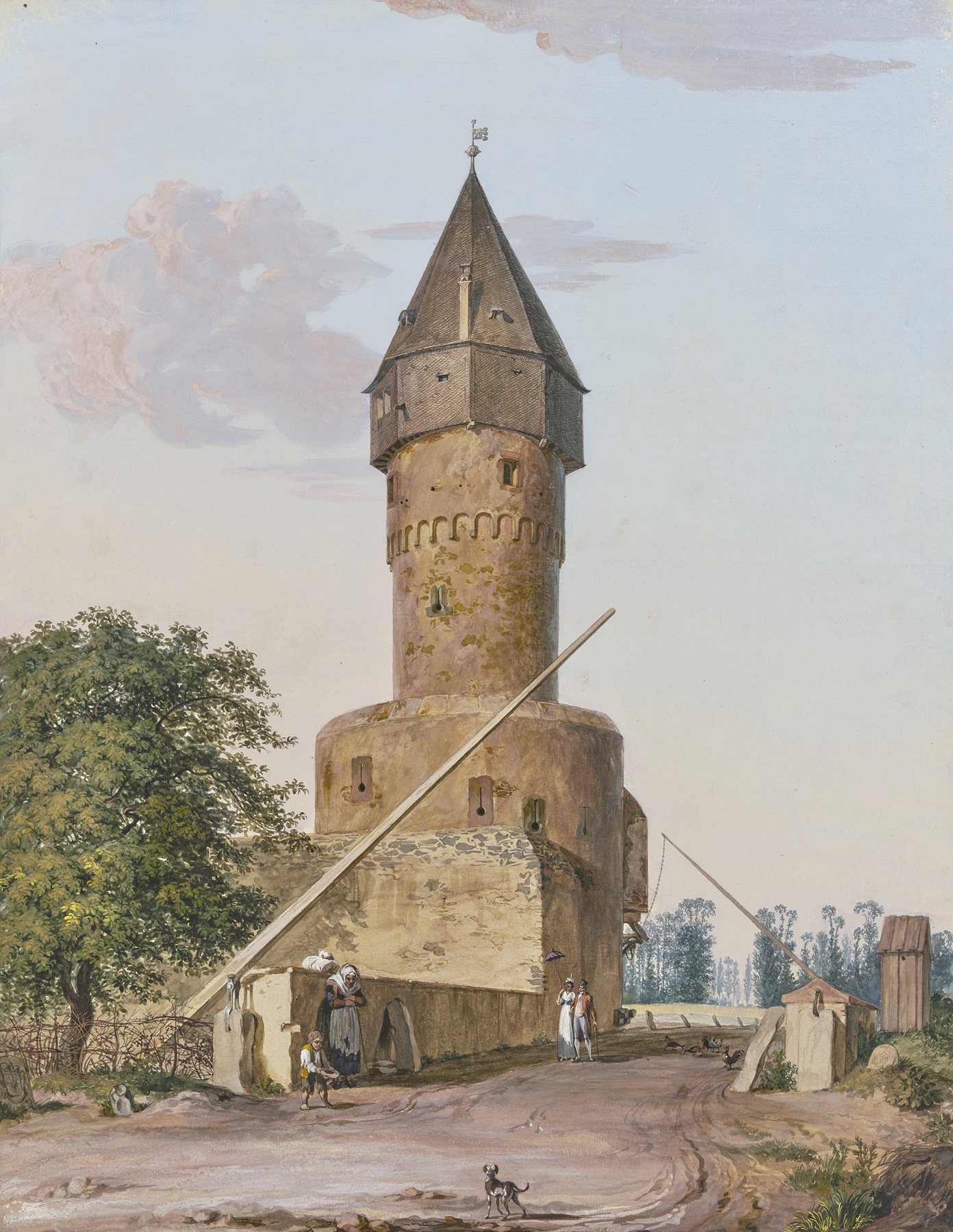
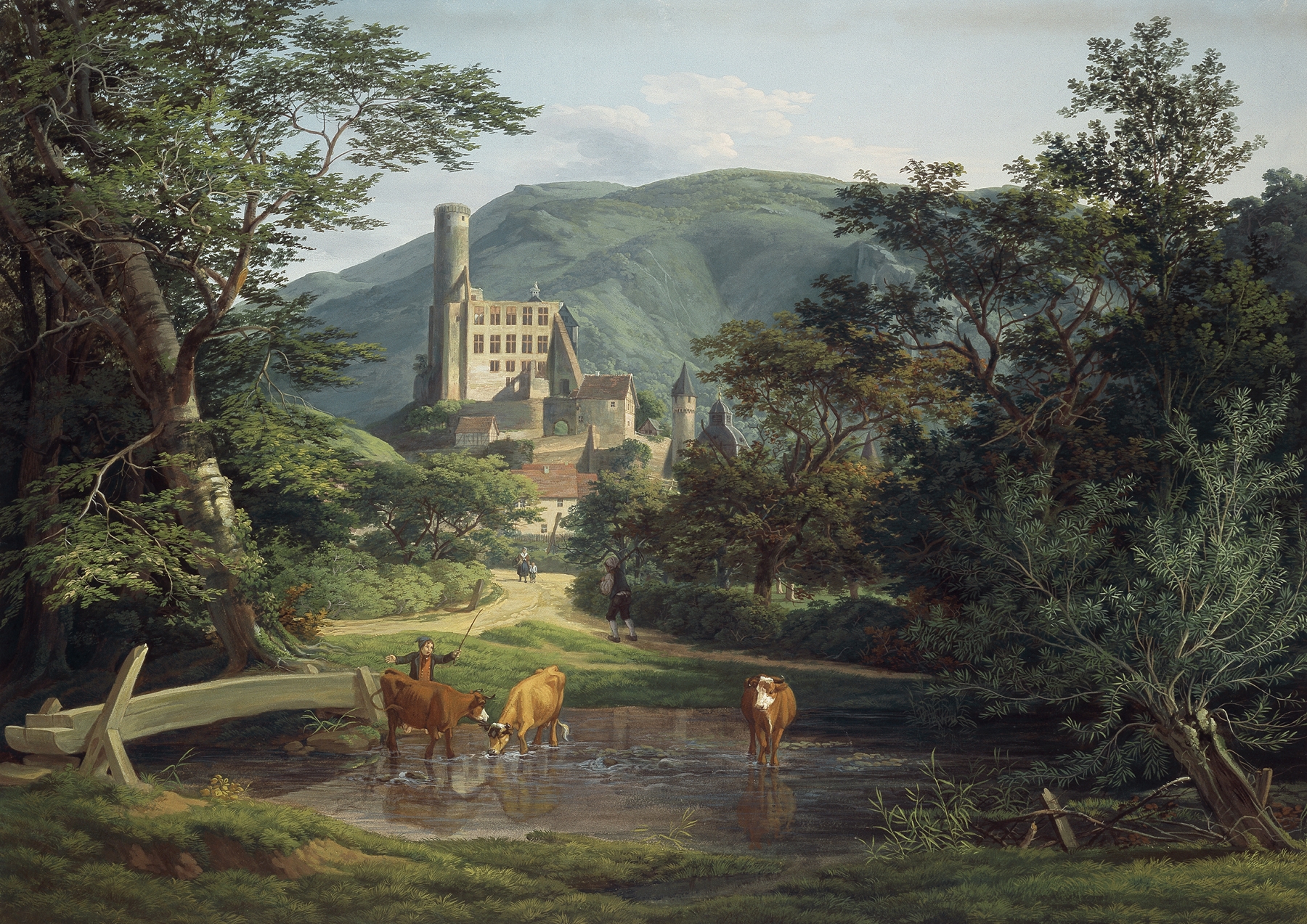
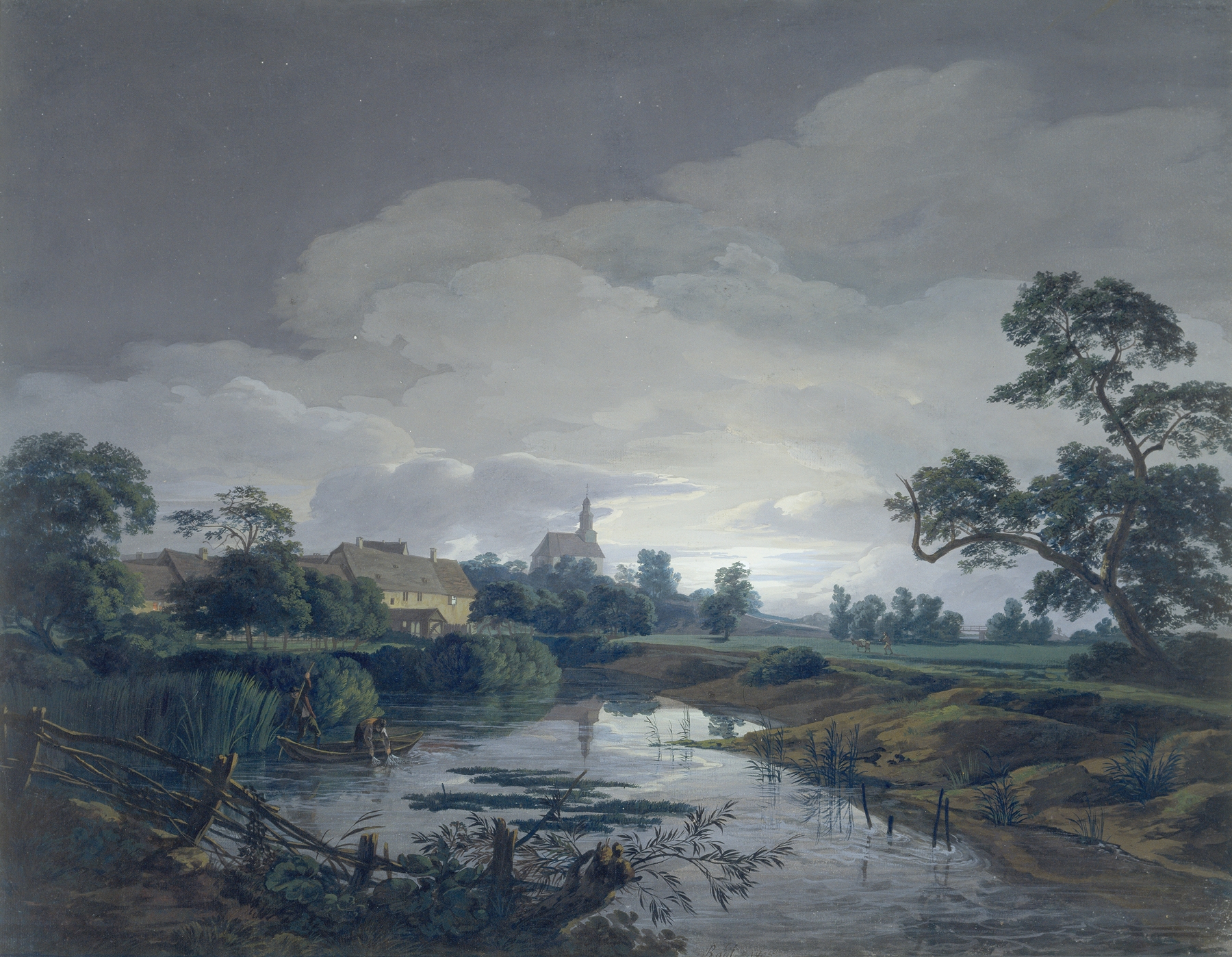
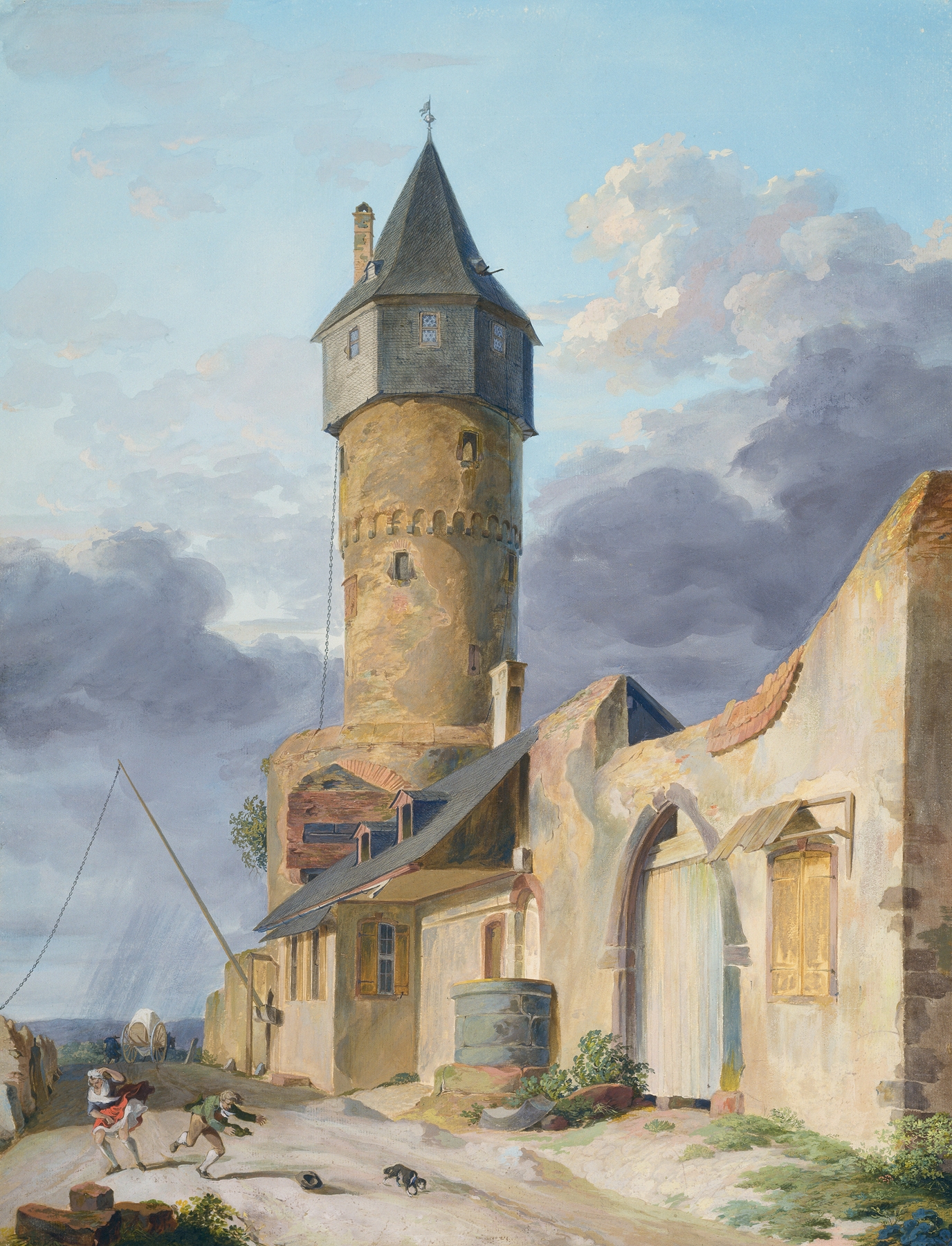
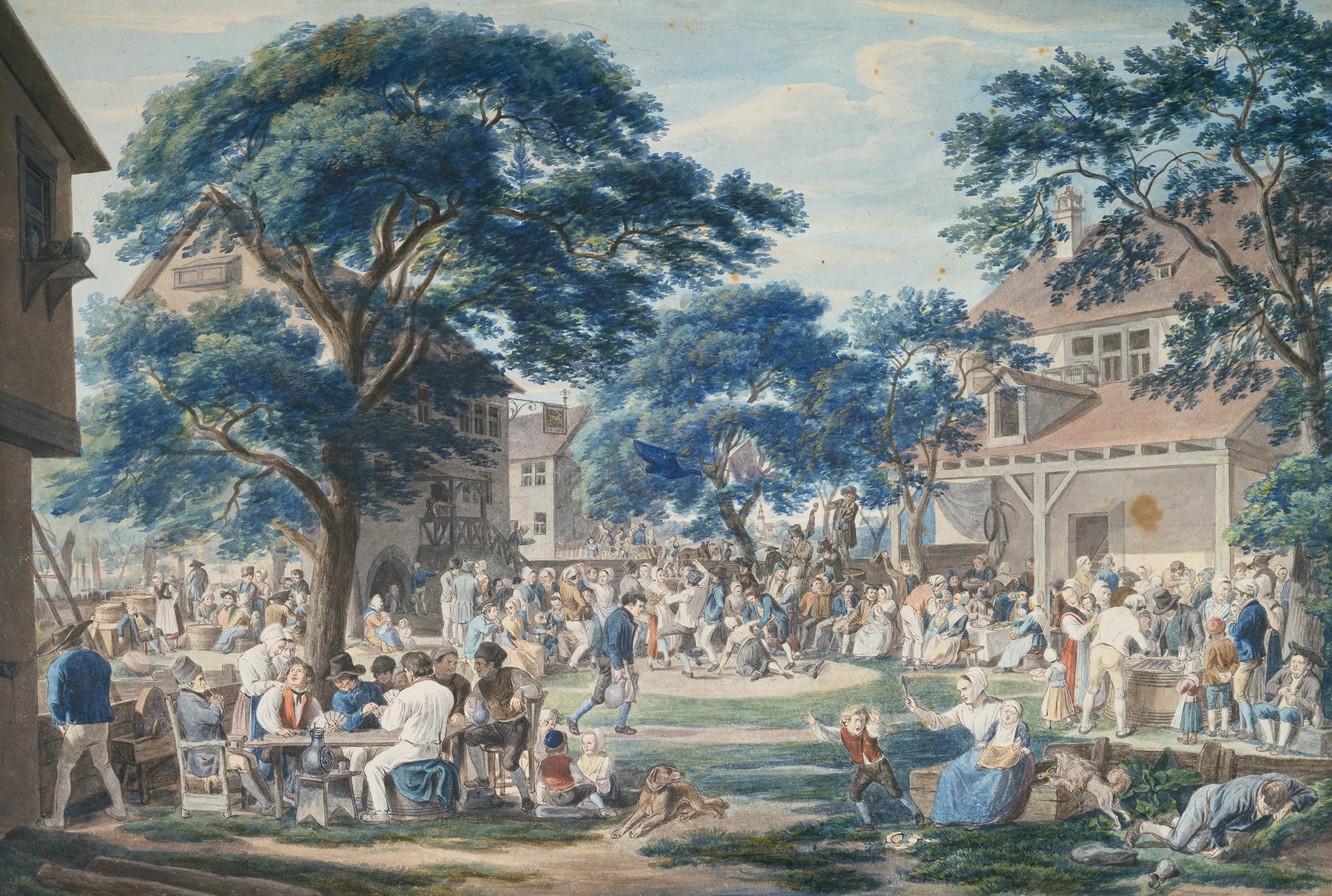
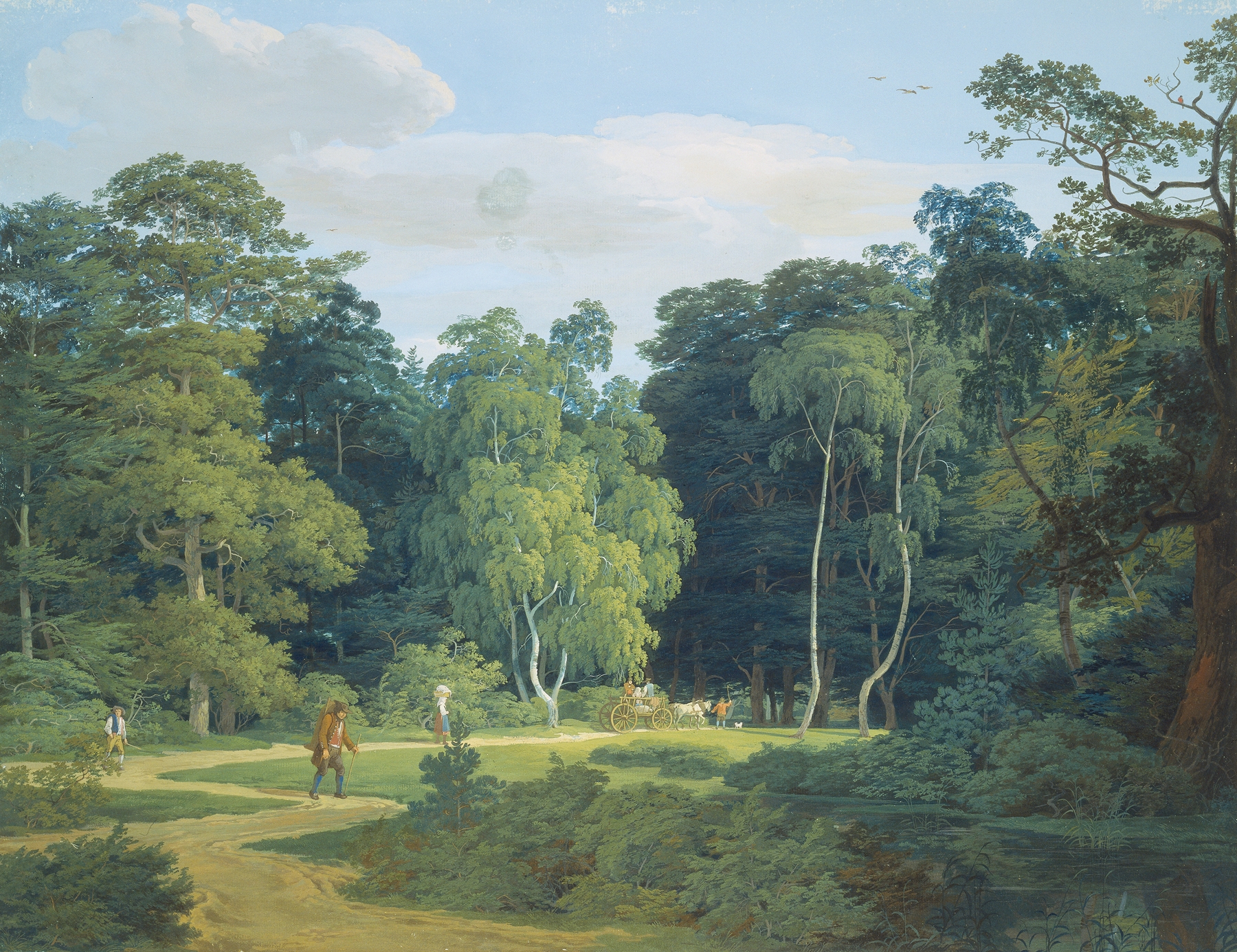
“Every silence here is a confession.” In the quiet embrace of nostalgia, memory wraps itself around the viewer like a soft, velvet cloak, drawing one into a world suspended between time and emotion. Look to the gentle undulations of the hills, where soft greens meet muted browns, inviting your eyes to linger on the rich texture of the landscape. Notice the interplay of light and shadow—a soft glow that seems to emerge from within the earth itself, giving life to the trees and their whispering leaves. The composition guides you toward a distant horizon, where the fading light hints at the passage of day, evoking a bittersweet longing for moments that have slipped away.
Within this serene panorama lies an emotional tension: the contrast between the stillness of nature and the restlessness of memory. Each brushstroke reveals a longing for connection, as if the artist seeks to capture not just a place but the very essence of recollection. The overlapping layers of color invoke a sense of depth, suggesting that what is remembered is as complex as the land itself, rich with stories untold.
Anton Radl painted this work amidst the shifting currents of early 20th-century art, a time where traditional techniques were both embraced and challenged. The exact date remains elusive, yet we can infer he was deeply influenced by the natural beauty surrounding him in Germany. As the world began to change, Radl's commitment to capturing the essence of landscapes spoke to a longing for continuity in an era marked by upheaval.