Distant view of Lord Raglan’s head quarters before Sebastopol — History & Analysis
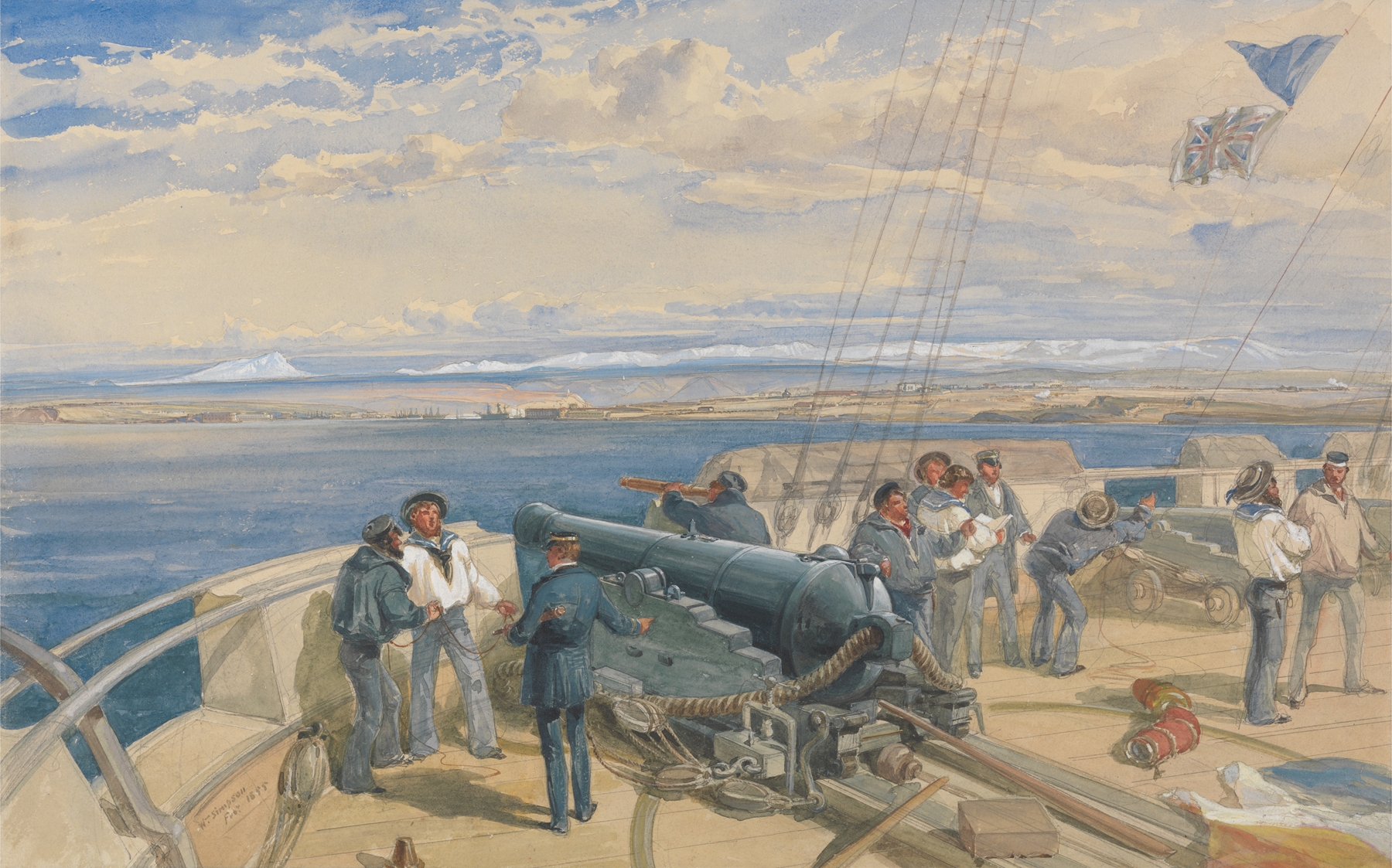
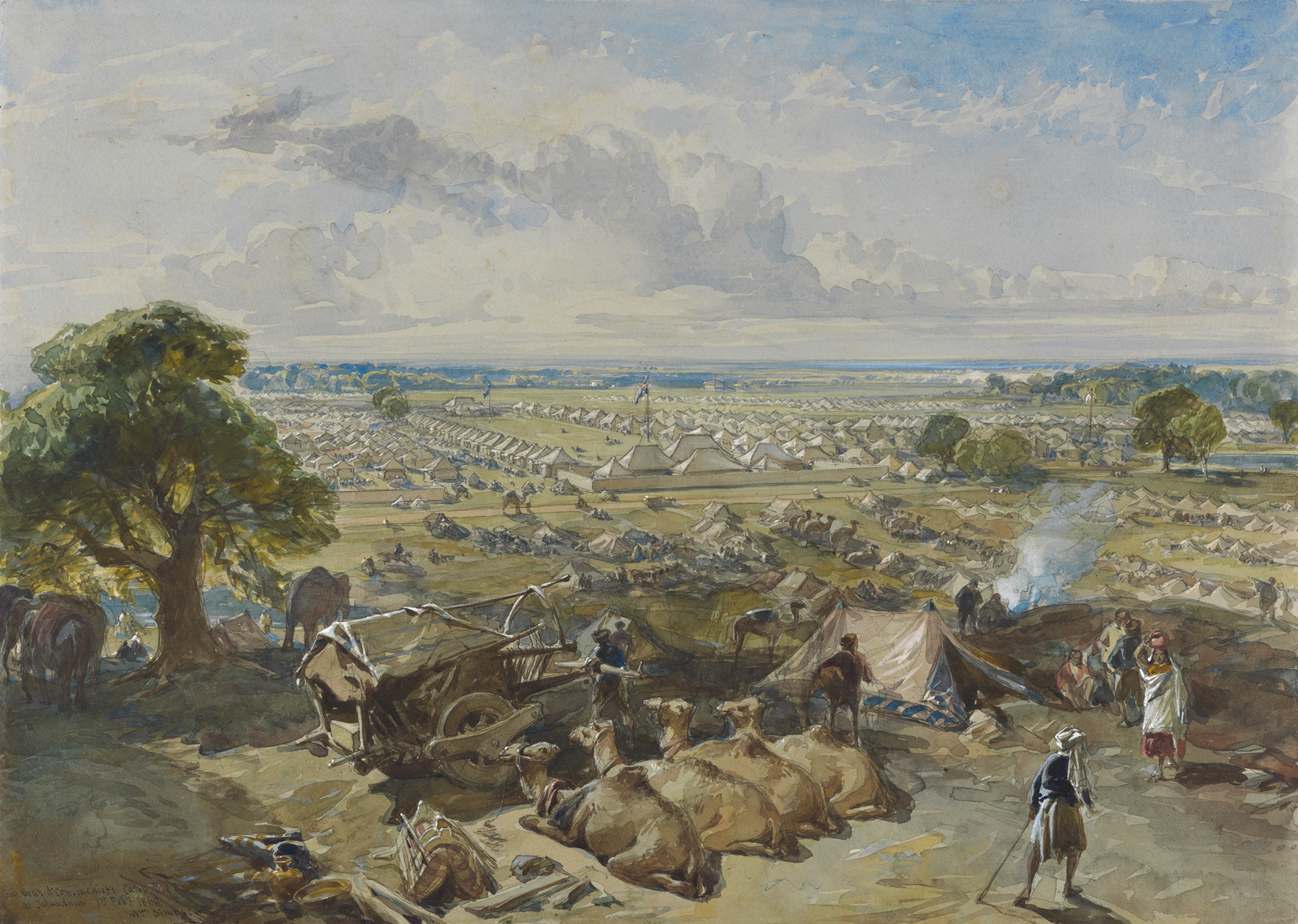
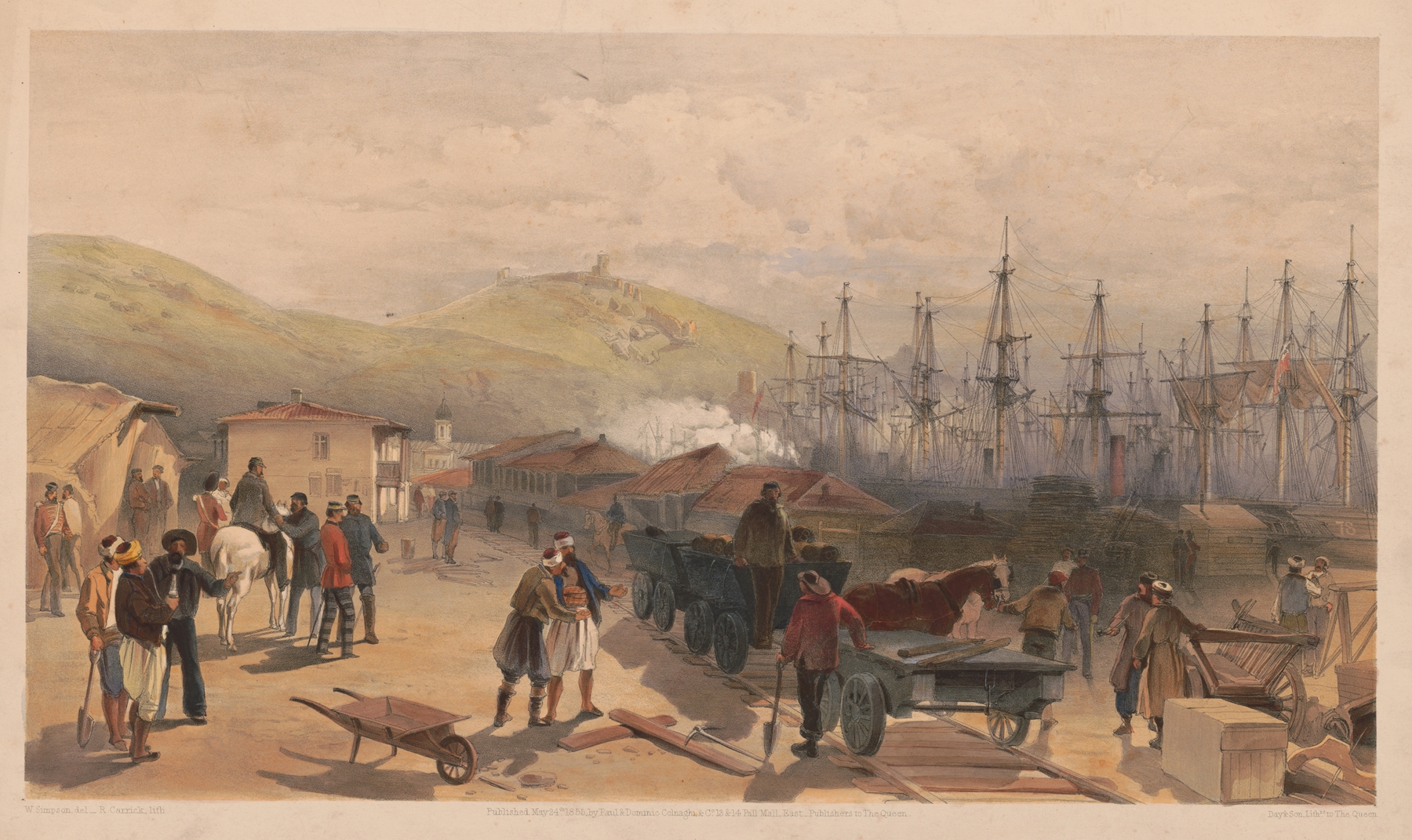
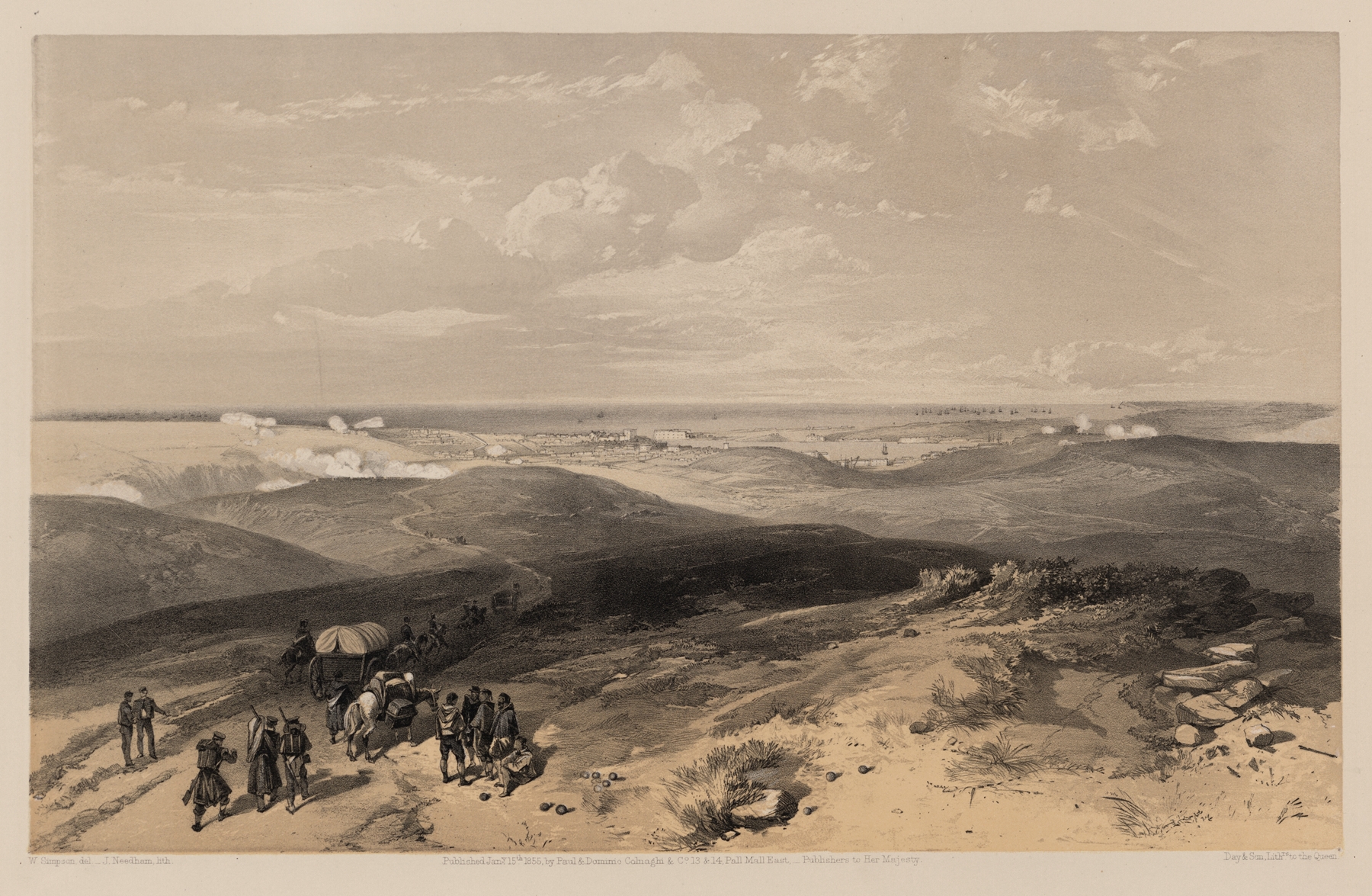
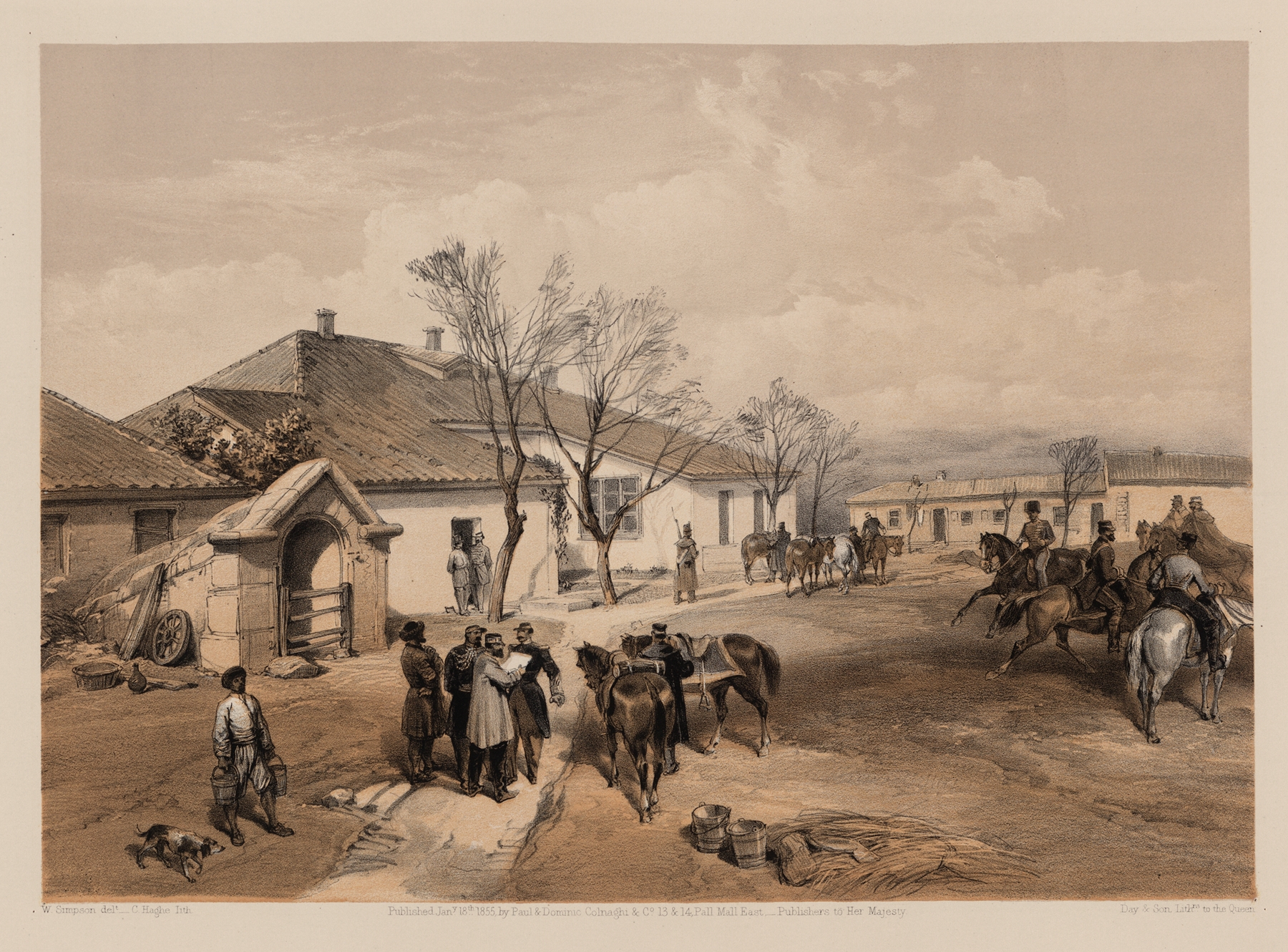
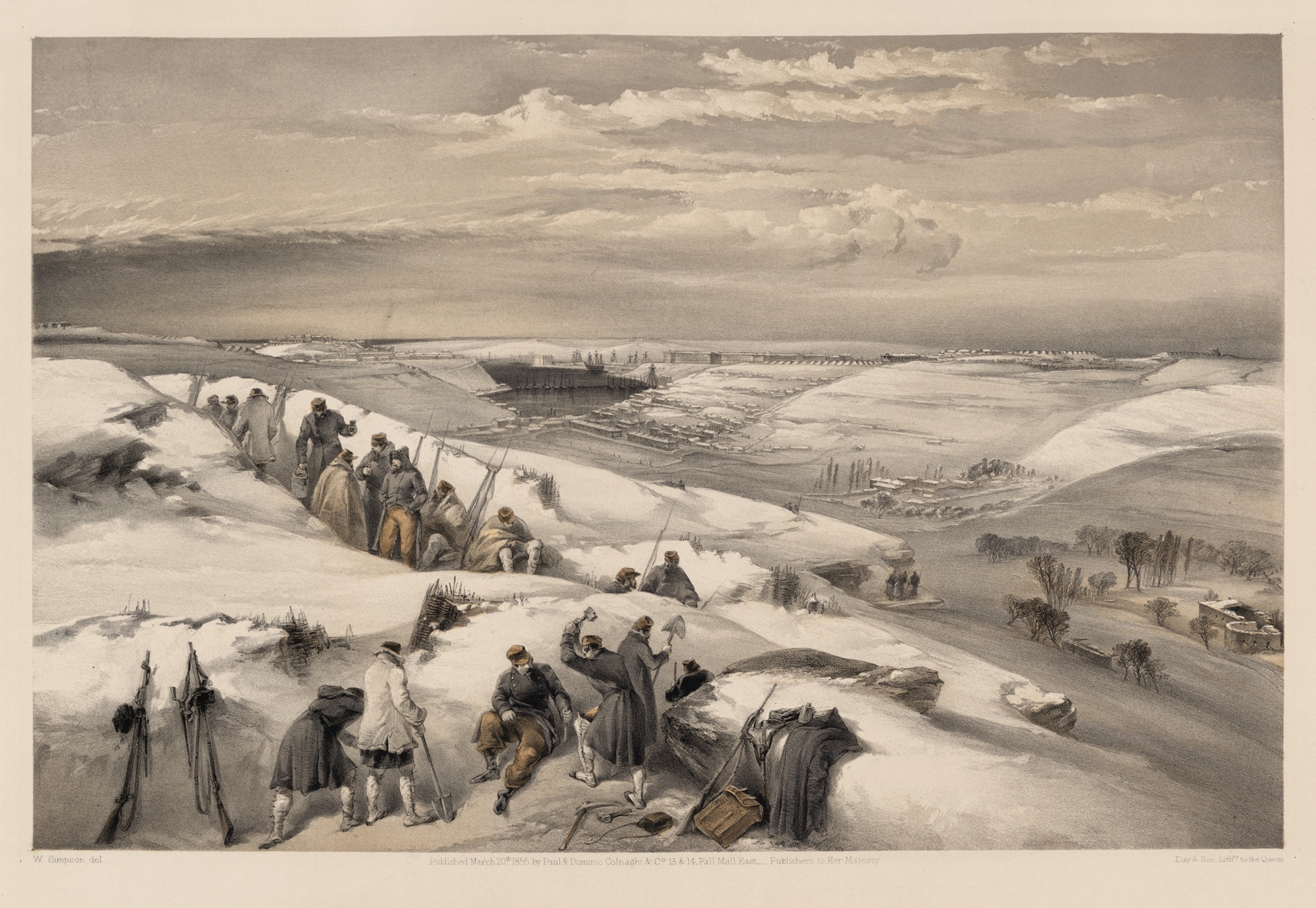
Is this a mirror — or a memory? In Distant view of Lord Raglan’s head quarters before Sebastopol, the artist captures a moment steeped in the shadows of betrayal and the aching reality of war. Each brushstroke whispers of the complex relationship between leadership and the soldiers who fight for their cause. Look to the foreground, where the tents and encampments pop against the muted tones of the landscape. Notice how the white canvas structures create a striking contrast with the earthy browns and greens of the terrain.
The sun breaks through heavy clouds, casting a soft light on the scene and illuminating the details of military life. Observe the soldiers in their stance—unmoving, yet imbued with an air of trepidation—as they brace against the harshness of their surroundings. Beneath this calm exterior lies a tumultuous tension; the painting juxtaposes the serene beauty of nature with the impending chaos of battle. The distance invites reflection, as if we’re witnessing not just a moment in time but the weight of history and the burden of leadership.
The silent presence of Lord Raglan’s headquarters serves as a symbol of power and betrayal, revealing the fragility of trust within a war-torn landscape. William Simpson created this work in 1855 during the Crimean War, a time of great upheaval and uncertainty. As an official war artist, he documented the lives of soldiers and the trials of warfare, using his experiences to shed light on the harsh realities faced by men in the trenches. This piece stands as a testament to his commitment to capturing both the beauty and the brutality of the era.