Effet de lune sur l’estuaire, Hollande — History & Analysis
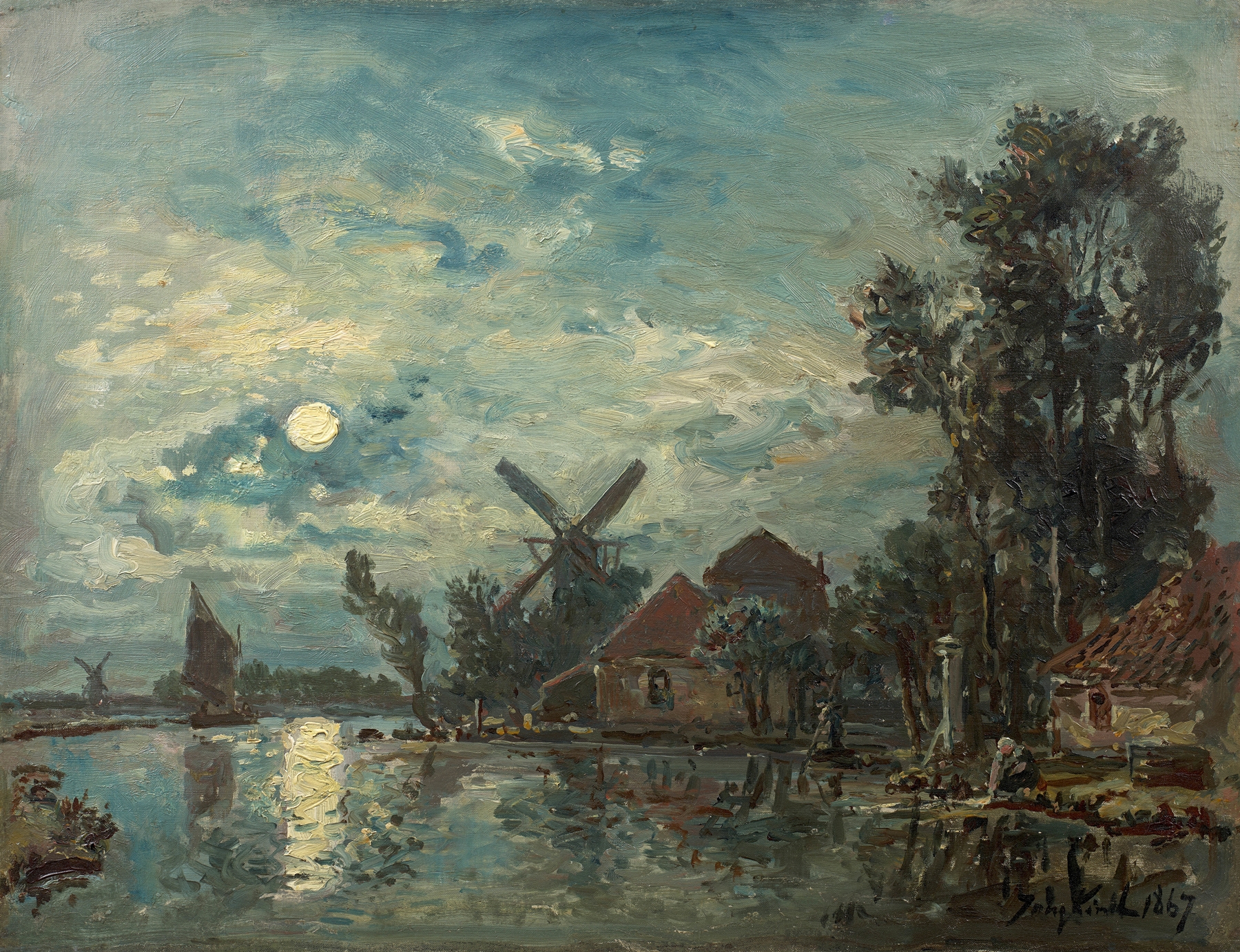
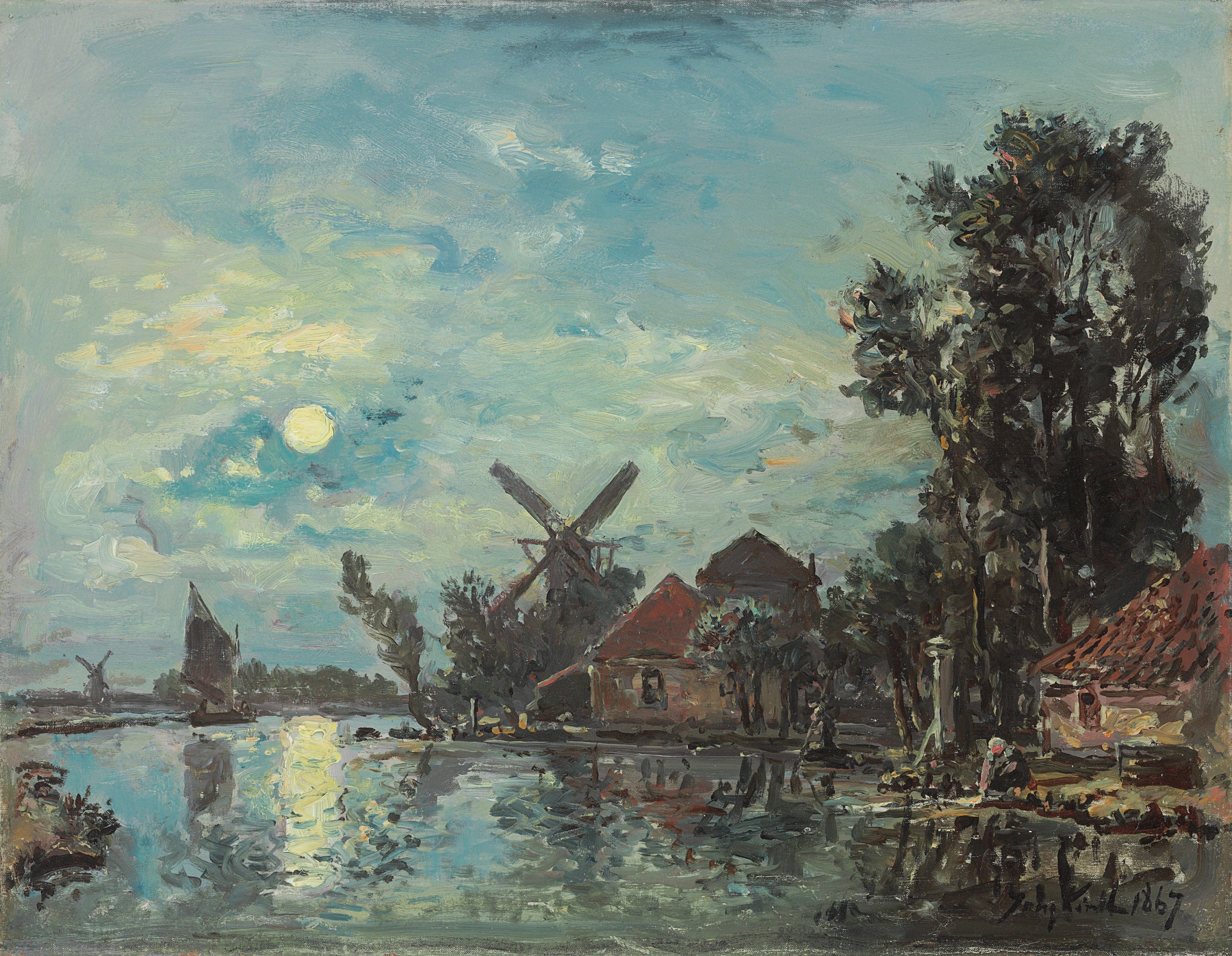
“The canvas doesn’t lie — it simply waits.” In its stillness, it captures the fleeting essence of light as it dances across the water's surface, beckoning the viewer to delve deeper into its tranquil depths. Focus on the shimmering moonlight reflecting off the estuary, where the brushstrokes blend seamlessly into a soft, dreamlike harmony. The silvery hue dominates the palette, while gentle strokes of blue and gray define the water and sky. Your gaze is drawn to the subtle lines that delineate the horizon, evoking a sense of calm and serenity. Notice how the artist plays with the interplay of light and shadow, creating both depth and a sense of ethereal beauty. Yet, beneath this serene surface lies an intricate tension. The quiet waters convey peace, while the boldness of the moonlight suggests an impermanence that echoes the transient nature of life itself. The delicate silhouettes of boats, almost ghostly, hint at human presence yet remain detached — mere observers of nature’s magnificence. This duality invites contemplation, balancing stillness with the awareness of change. In 1867, Jongkind painted this piece during a transformative period of his career in France, where he was gaining recognition amid the burgeoning Impressionist movement. Adapting his techniques from earlier influences, he aimed to capture the transient effects of light on landscape, reflecting his deep appreciation for nature and its ephemeral beauty. This artwork stands as a testament to both his personal evolution and the broader artistic currents of his time.