Elizabeth Coffin Amory (1741-1822) — History & Analysis
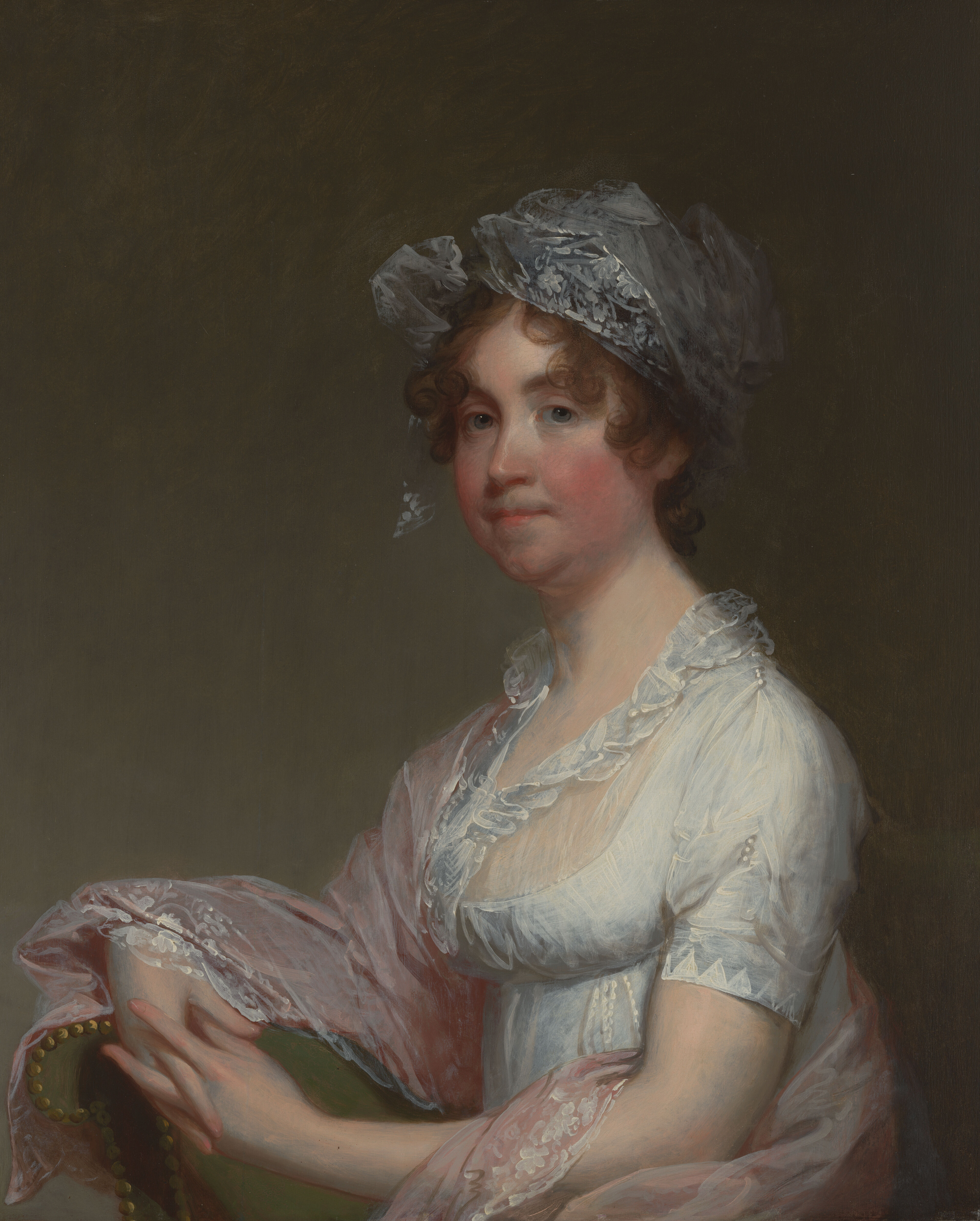
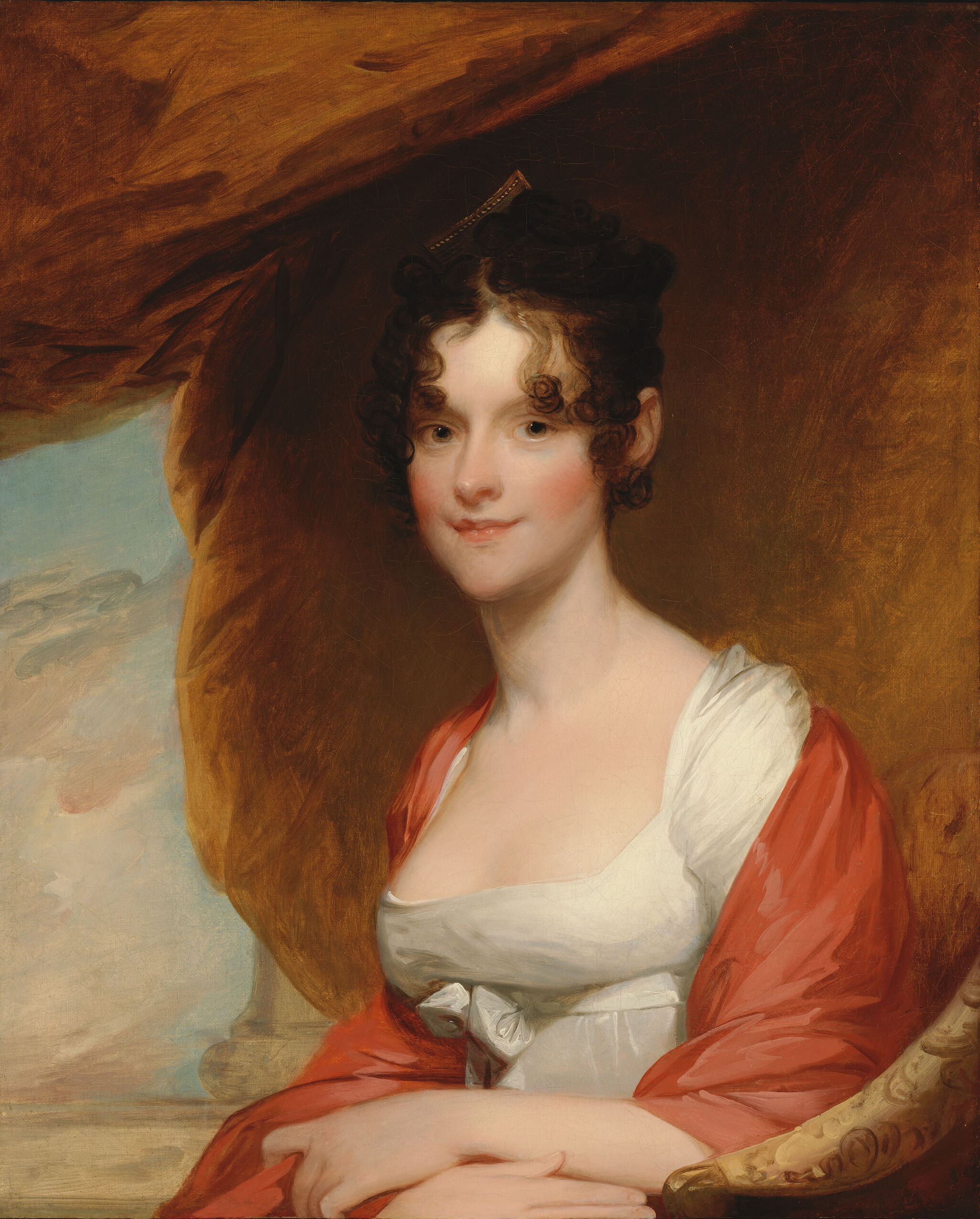
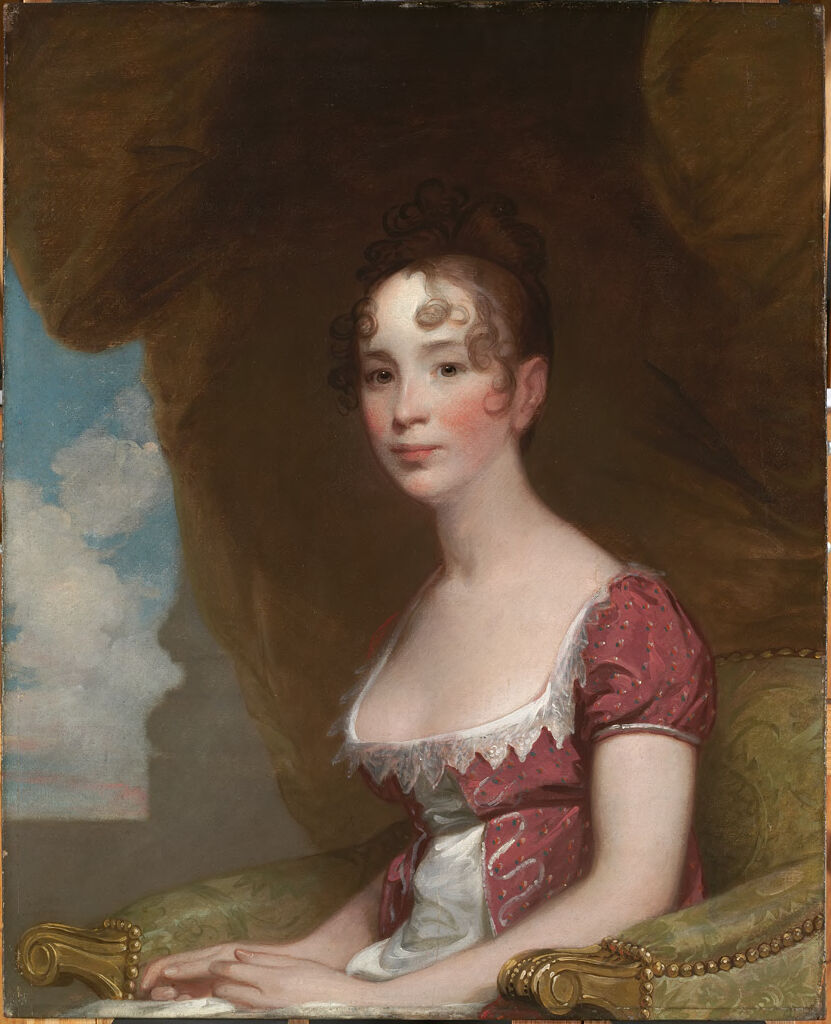
What if beauty was never meant to be finished? In Elizabeth Coffin Amory, the viewer encounters a moment frozen in time, where an illusion of perfection dances just beyond reach. Look to the left at the gentle curve of her collar, a delicate fold that captures the soft illumination of natural light. The rich, deep tones of her gown contrast beautifully with the subtle pastels of the background, creating an inviting warmth that draws the eye. Notice how the artist has skillfully rendered her gaze—poised yet enigmatic—inviting us into the intimate complexities of her character.
Stuart’s meticulous brushwork reveals not only the textures of fabric and skin but also the artist's intent to merge realism with an ethereal quality. Within the painting lies a striking tension between the subject's beauty and the transient nature of life. The meticulously painted lace hints at fragility, while her serene expression conveys a silent strength. This duality suggests that beauty, while captivating, is a fleeting illusion.
The play of light and shadow further enhances the emotional depth, offering glimpses into both the opulence of her status and the vulnerability of human existence. Gilbert Stuart painted Elizabeth Coffin Amory around 1806 in Boston, during a period marked by the early stirrings of American identity in art. At this time, Stuart was gaining prominence as a portraitist, capturing the likenesses of esteemed figures while also contemplating the cultural ramifications of his work. The early 19th century was a time of expansion and transformation in the United States, reflecting a dual desire for personal expression and national recognition, both of which resonate through this exquisite portrayal.