Sarah Inman Linzee (Mrs. Joseph Lewis Cunningham) (1787-1820) — History & Analysis
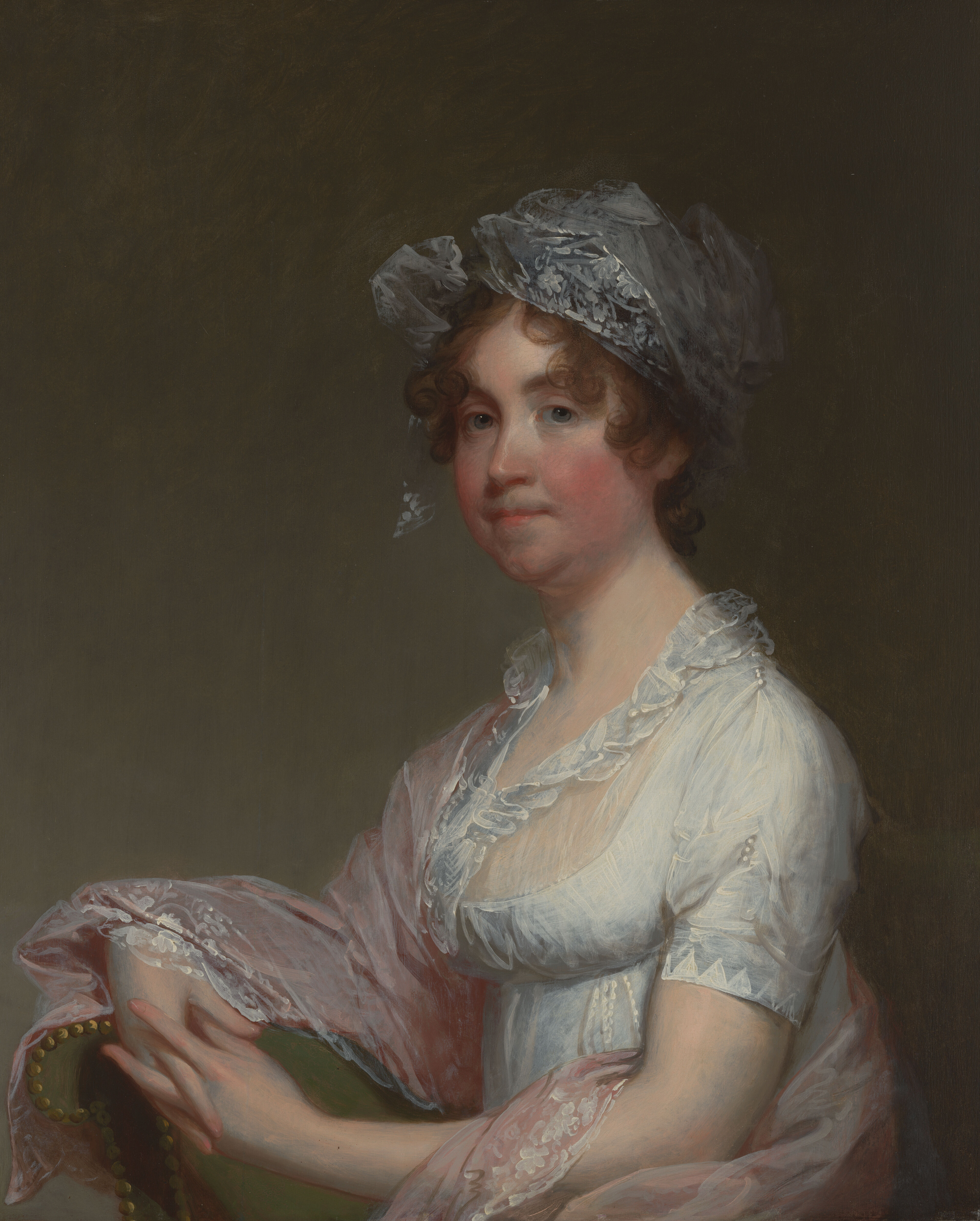
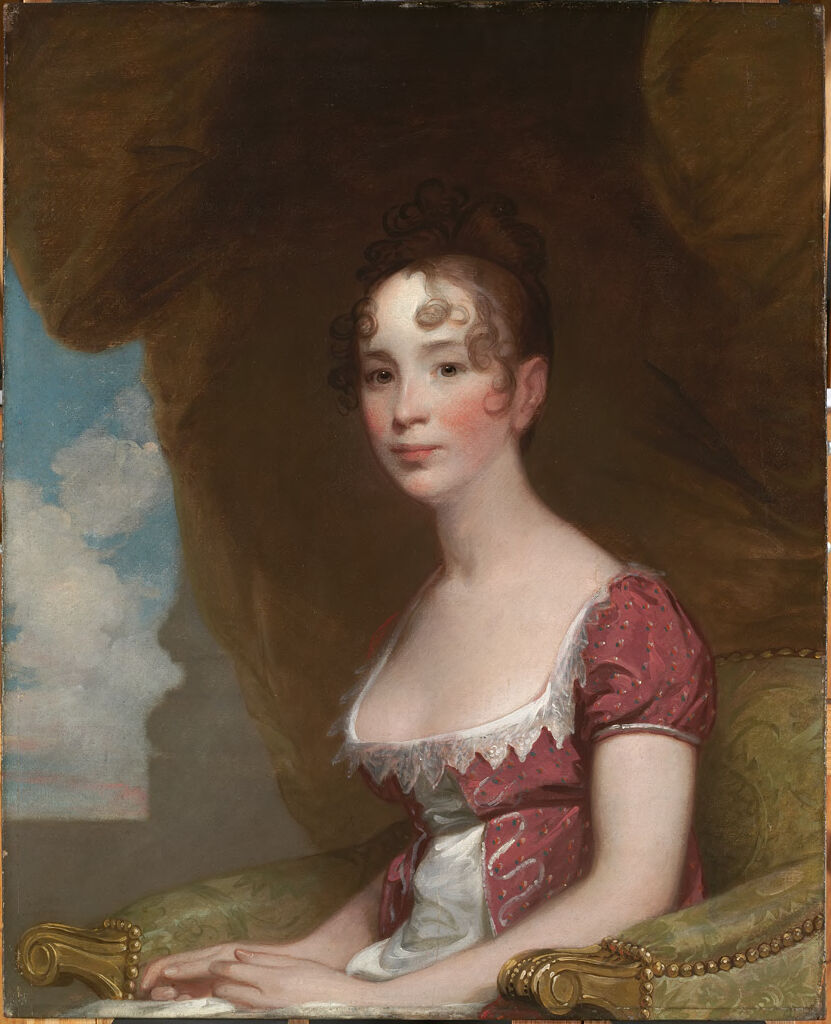
What secret hides in the quiet of the canvas? Beneath the poised exterior of this portrait lies the essence of a legacy intertwined with identity and memory. Look to the right at the delicate folds of the fabric enveloping the subject, capturing both the elegance and resilience of Mrs. Joseph Lewis Cunningham.
Notice how the soft light gracefully illuminates her face, revealing a gaze that speaks volumes—both inviting and enigmatic. The rich, muted tones blend harmoniously, allowing her pale skin and warm, inviting features to draw the viewer's attention, while the subtle brushstrokes create lifelike textures that bring an intimate connection to life. Delve deeper, and you’ll uncover the contrasts present in her serene expression against the backdrop of societal expectations. The slight tilt of her head suggests a quiet defiance, a woman asserting her presence in a world that often rendered her kind invisible.
The choice of dark, regal colors surrounding her contains an unspoken tension between grace and the weight of inherited roles, hinting at a narrative that stretches beyond the canvas into the heart of early 19th-century America. Gilbert Stuart painted this portrait in 1807 during a pivotal time in his career while residing in Boston. Known for his exceptional ability to capture the essence of his subjects, he was at the forefront of American portraiture, reflecting the burgeoning identity of the nation. The year marked a period of social and political change, with artists like Stuart contributing to the legacy of American art by portraying influential figures, thereby reinforcing their significance in a rapidly evolving society.