Sally Otis Thorndike (Mrs. Israel Thorndike, Jr.) (1793-1819) — History & Analysis
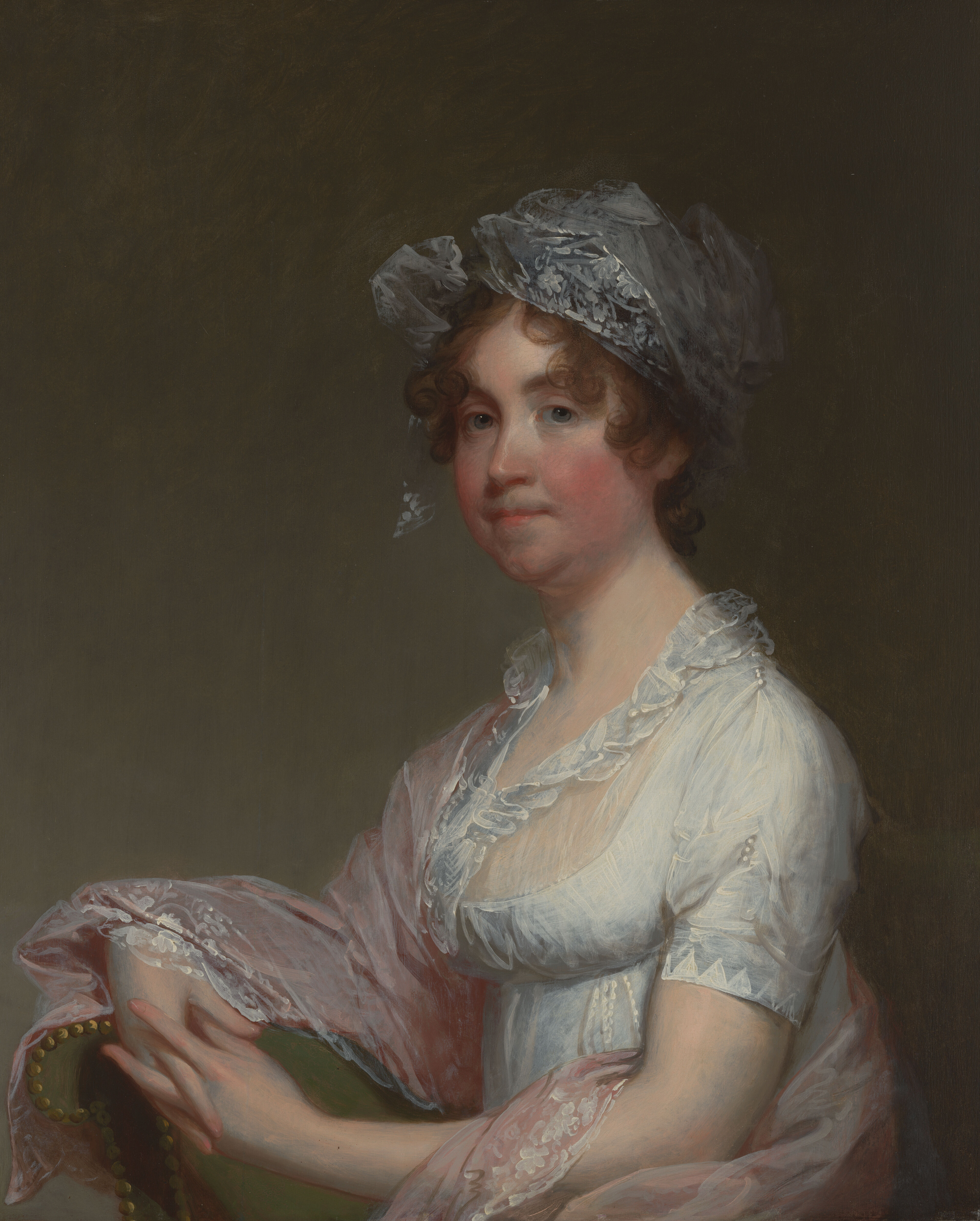
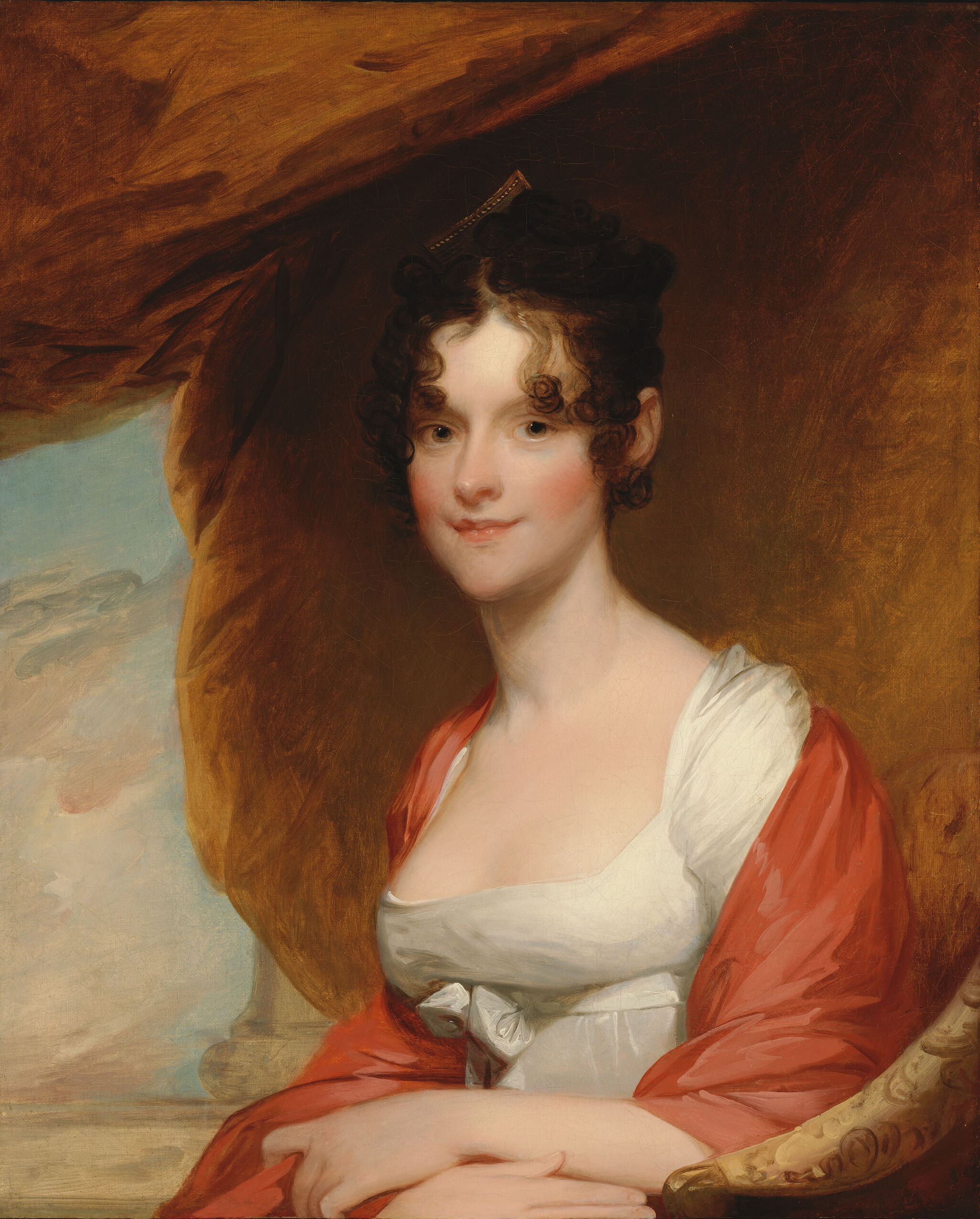
“The canvas doesn’t lie — it simply waits.” In this moment of stillness, innocence breathes, preserved in the brushstrokes of a master. A portrait speaks volumes, inviting us to unravel the layers of character and emotion captured within its frame. Look to the right at the elegant figure of Sally Otis Thorndike, poised but relaxed, her gentle expression drawing you in. The soft, muted colors of her gown contrast with the rich, dark background, enhancing her presence as if she were a whisper in a grand hall.
Notice the way the light caresses her face, illuminating her delicate features while casting shadows that hint at a deeper story, an innocence that belies the complexities of her world. Beneath the surface, the artwork reveals a tension between youth and the expectations of society. The poised yet vulnerable gaze of the sitter evokes a quiet resilience, suggesting the struggles faced by women of her time. This portrait captures not just a likeness but a moment laden with unspoken narratives—of familial duty, societal roles, and the fragility of youth amid the demands of a changing world.
In 1811, as the United States grappled with its identity in the wake of independence, Gilbert Stuart was establishing himself as a leading portraitist in American art. Working in Boston, he was navigating the complexities of a burgeoning artistic community, and his portrayal of Thorndike reflects both his commitment to realism and a subtle exploration of the emotional depth of his subjects. In this period, Stuart’s ability to capture the essence of innocence and virtue would resonate with audiences, firmly placing his work within the canon of American portraiture.