Josiah Quincy, Jr. (1802-1882) — History & Analysis
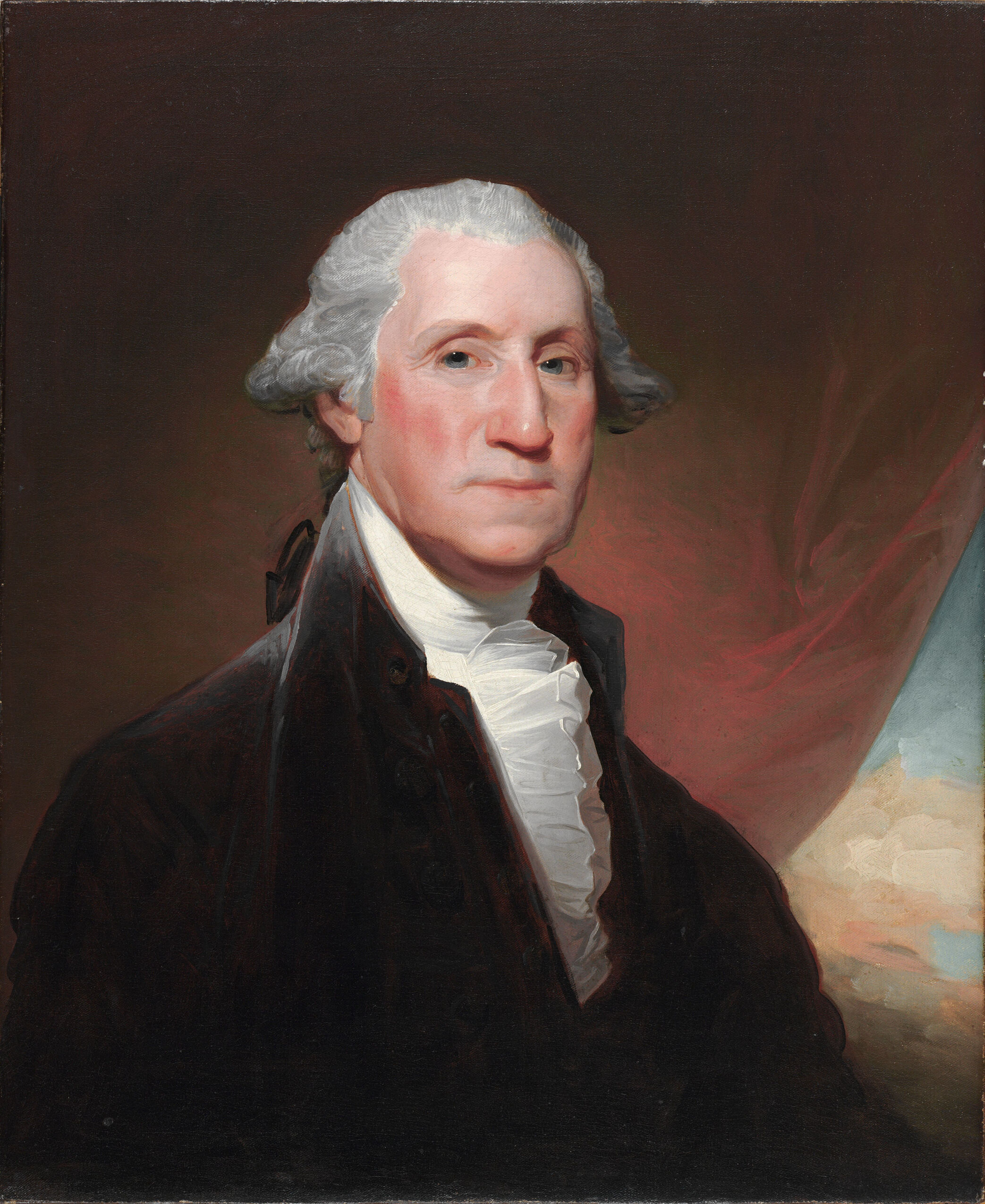
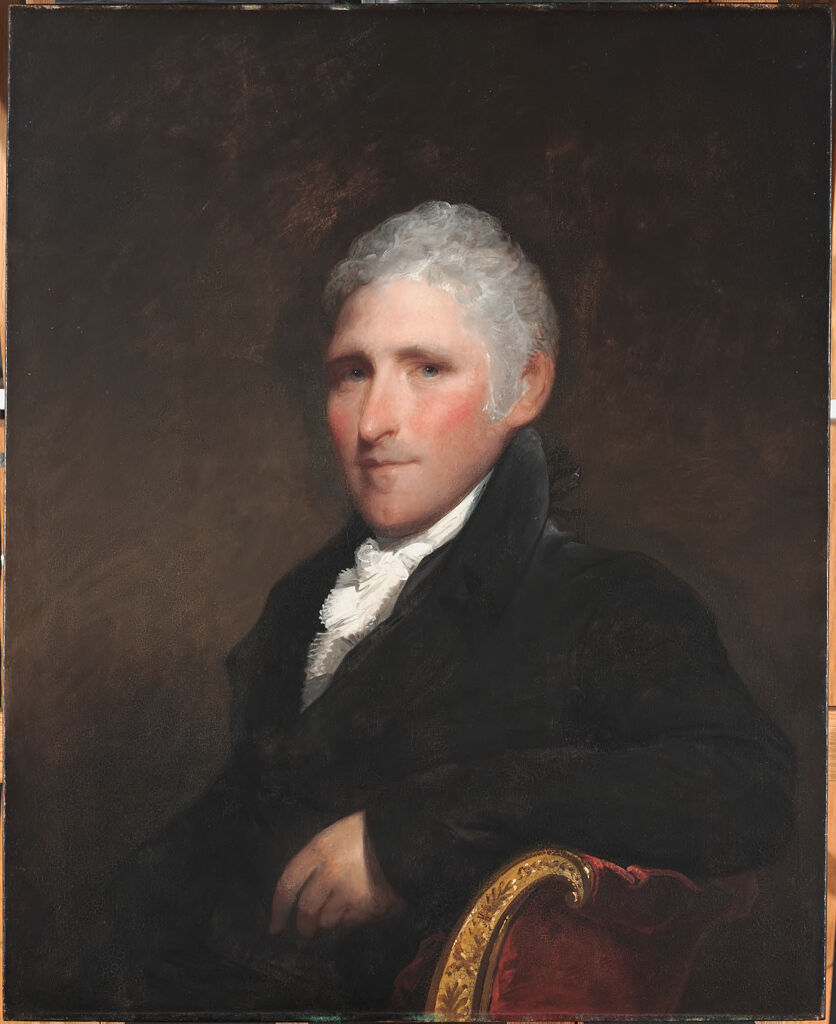
Could beauty survive in a century of chaos? In the face of historical upheaval and transformation, reflections of the human spirit endure, as captured in this striking portrait. Look closely at the sitter’s confident gaze, which draws you in and holds your attention. Notice how the artist employs soft, yet deliberate brushstrokes to define the contours of the face, bringing forth a sense of warmth and approachability.
The rich, deep hues of the background contrast with the lighter tones used for the figure, highlighting Josiah Quincy, Jr.'s dignified presence and hinting at his significance in an era marked by rapid change. Delve into the contrast between Quincy’s poised demeanor and the turbulent world outside the canvas. The simplicity of his attire speaks to the era's evolving social norms, while his piercing eyes reflect a mind engaged in the complex dialogues of his time. The subtle play of light captures not only the physical form but also the essence of a man navigating the shifting landscapes of politics and society, hinting at the responsibilities that weigh upon him.
Gilbert Stuart created this portrait in the early 1820s, during a period when he was establishing his reputation as one of America’s foremost portrait painters. Living in Boston at that time, he was immersed in the political fervor of a young nation, reflecting both the aspirations and tensions of the emerging American identity in his work. This painting stands as both a testament to his artistic prowess and a document of a pivotal moment in American history.