Environs de Paris — History & Analysis
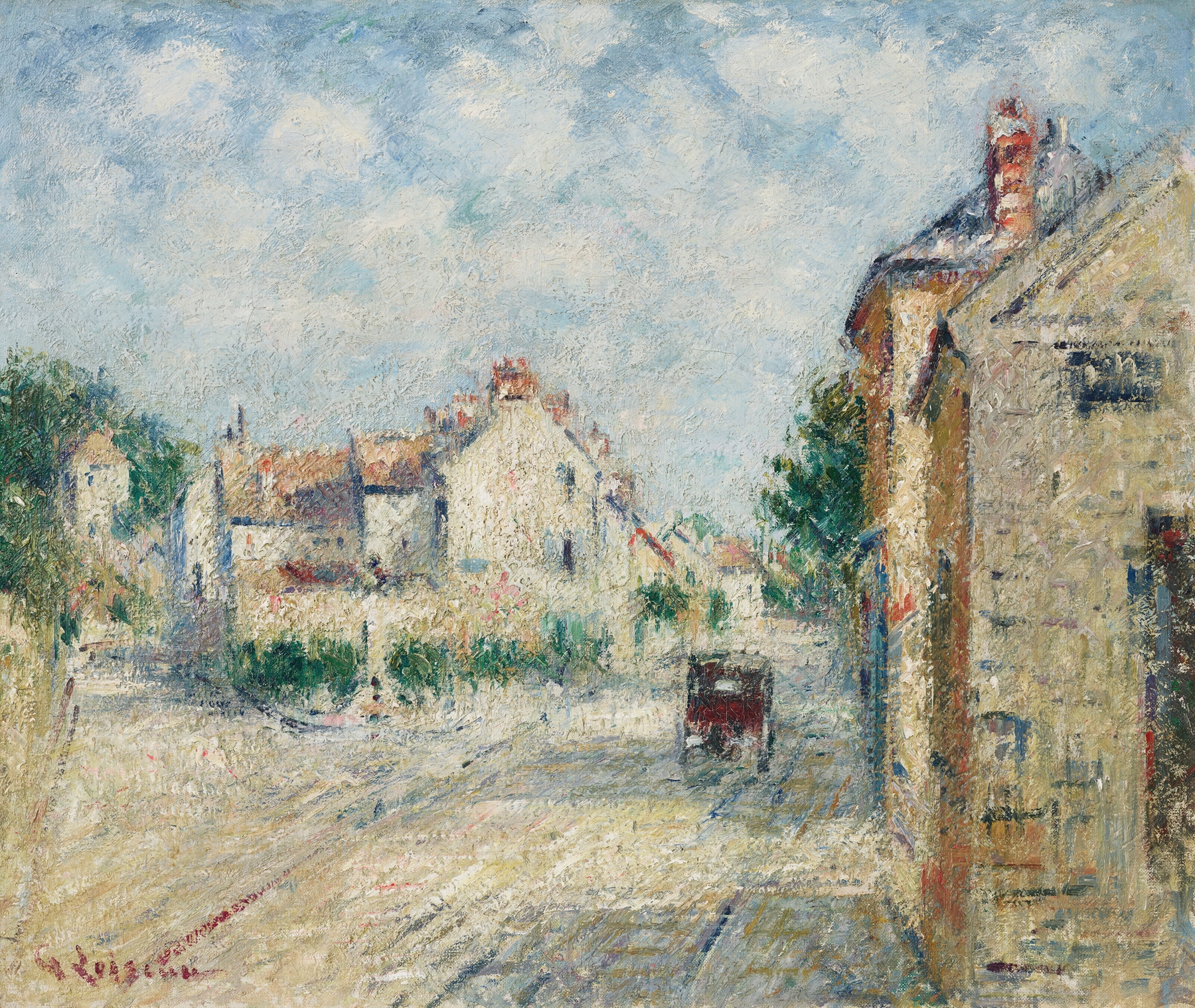
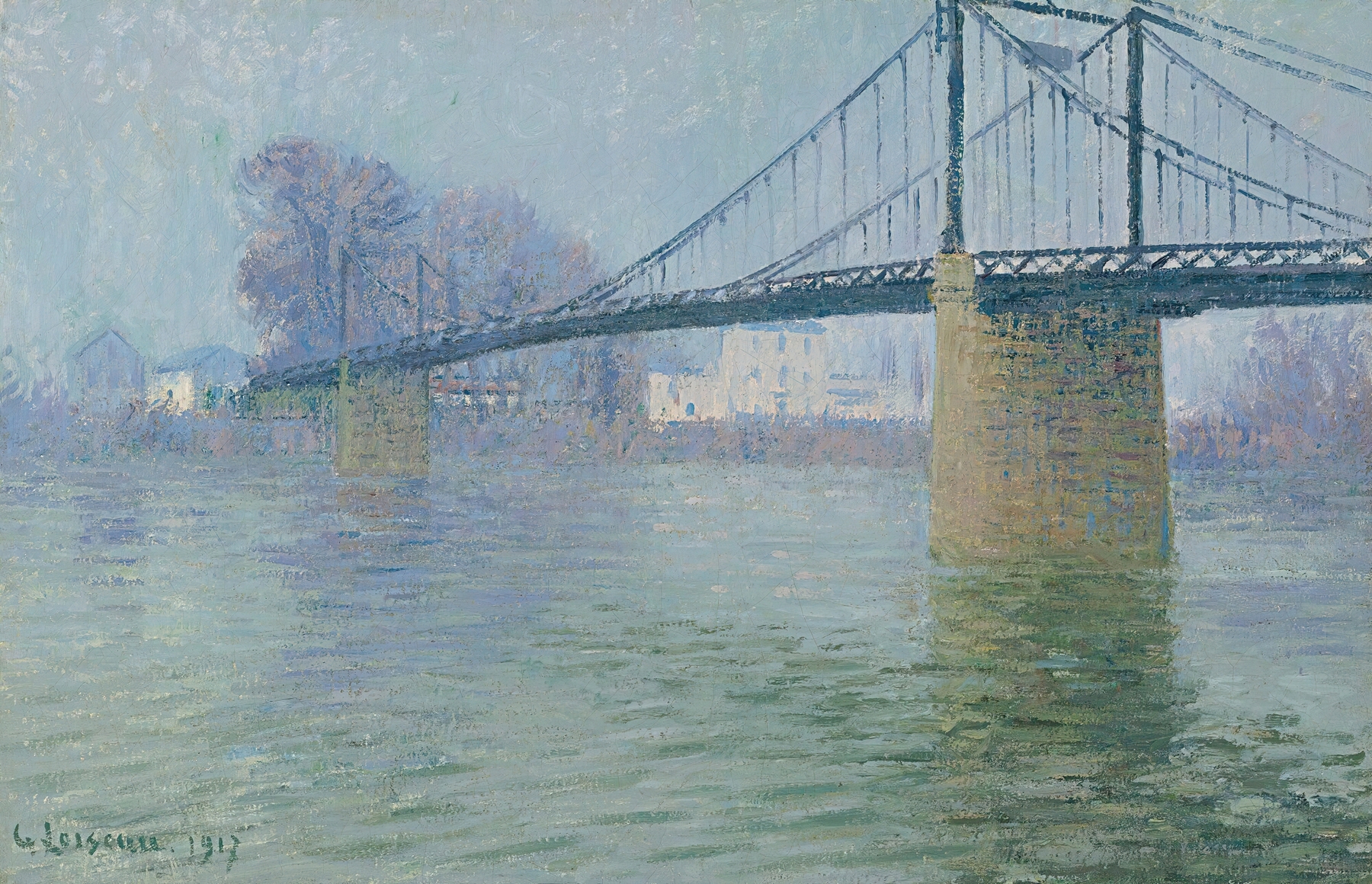
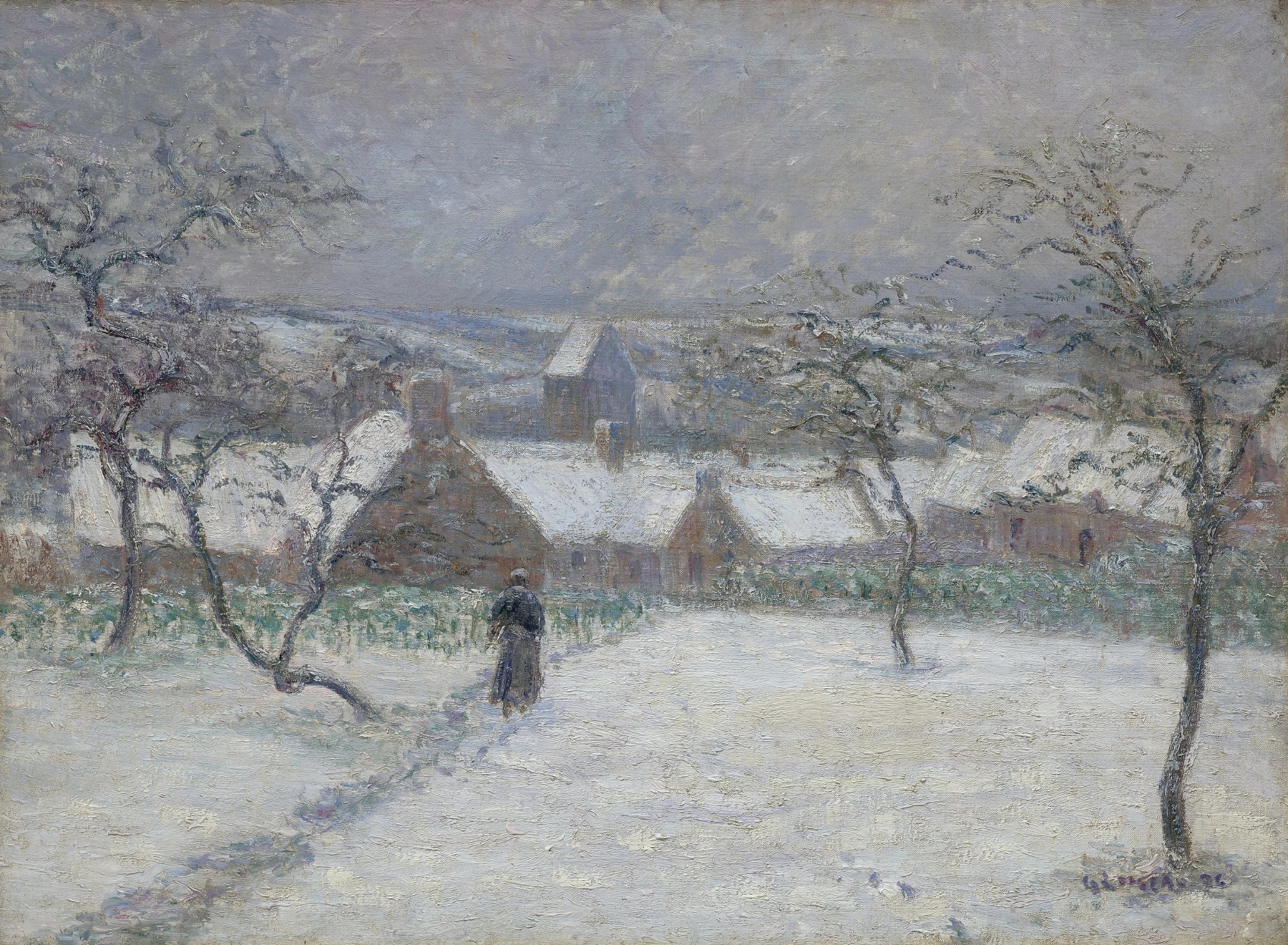
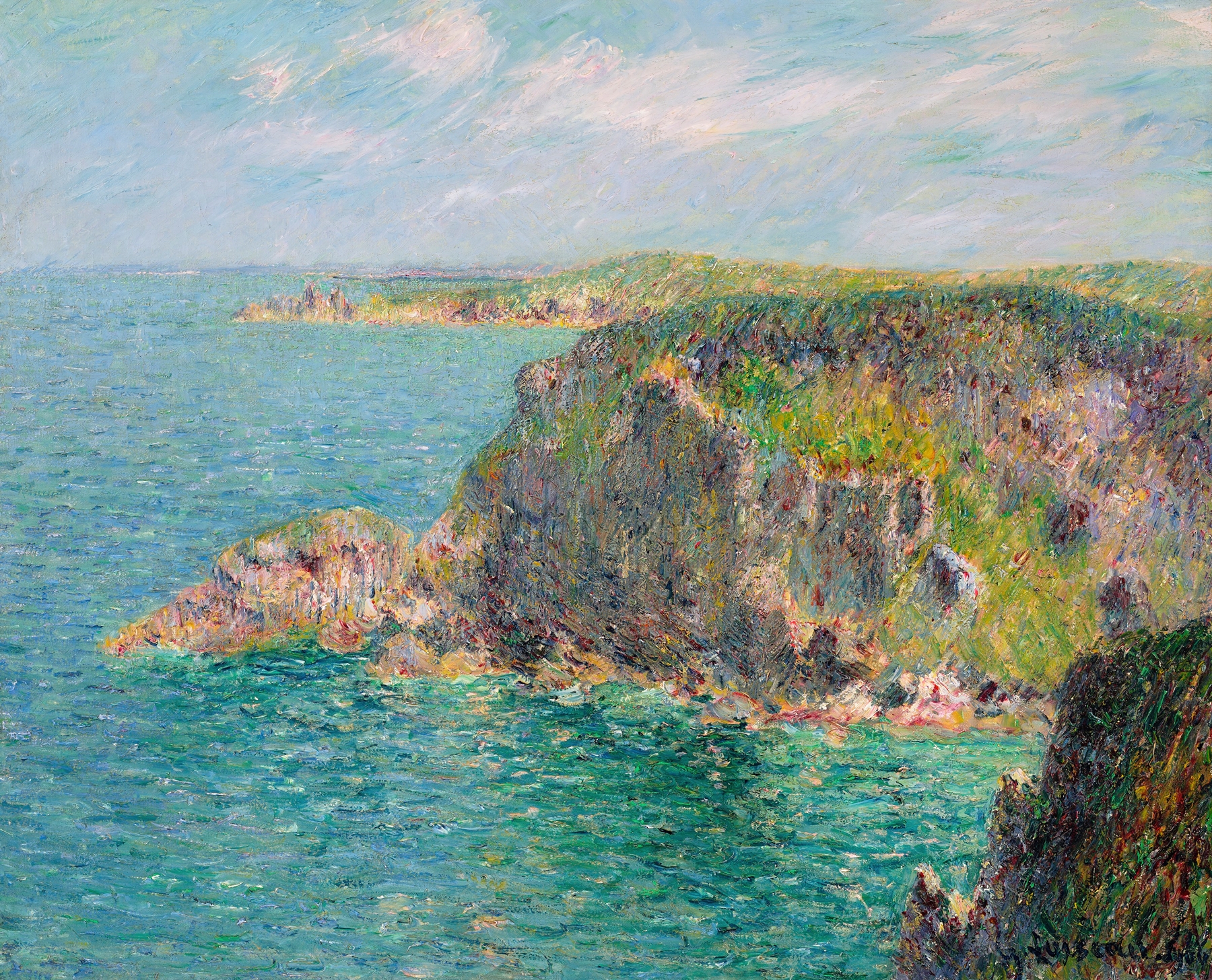
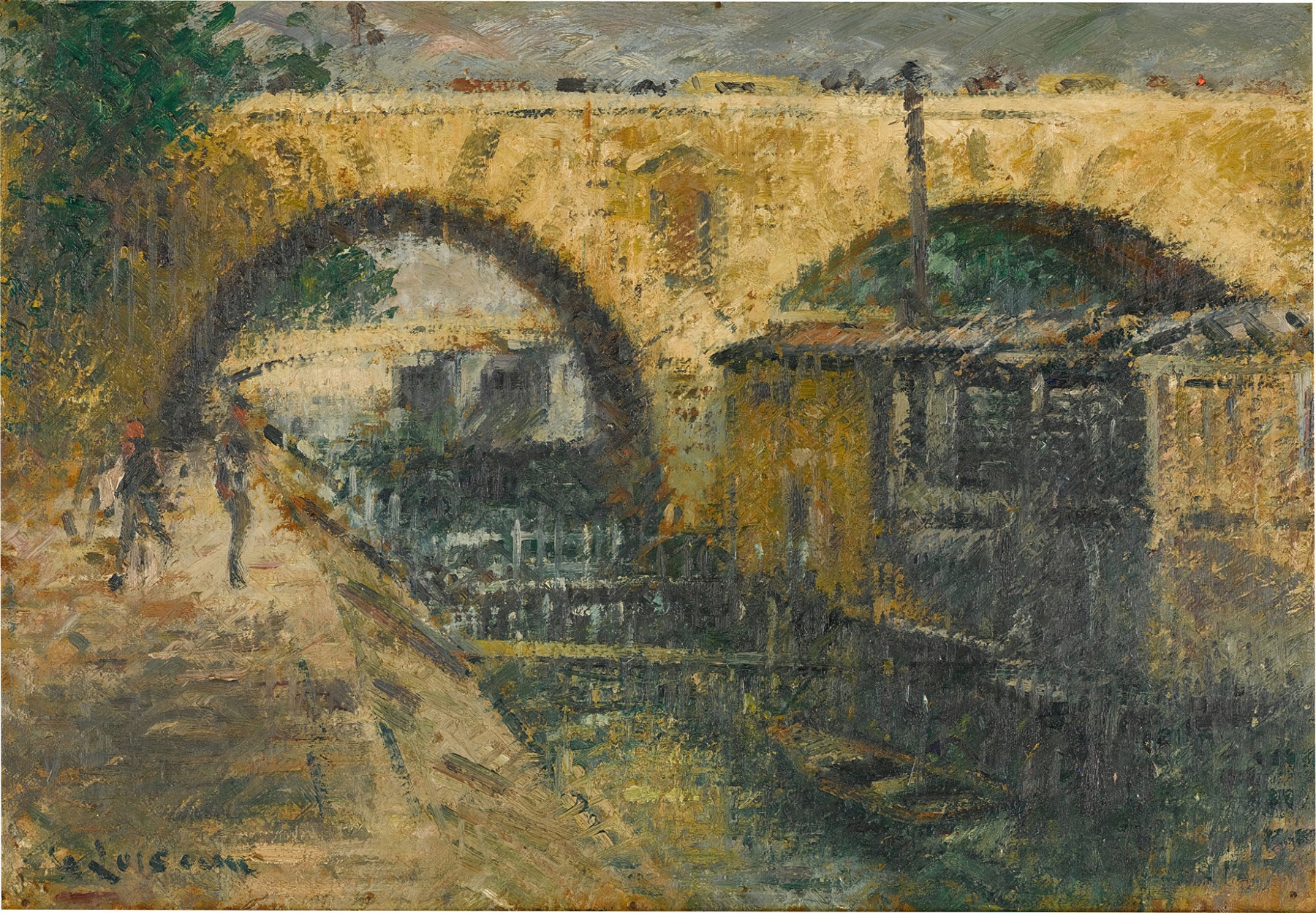
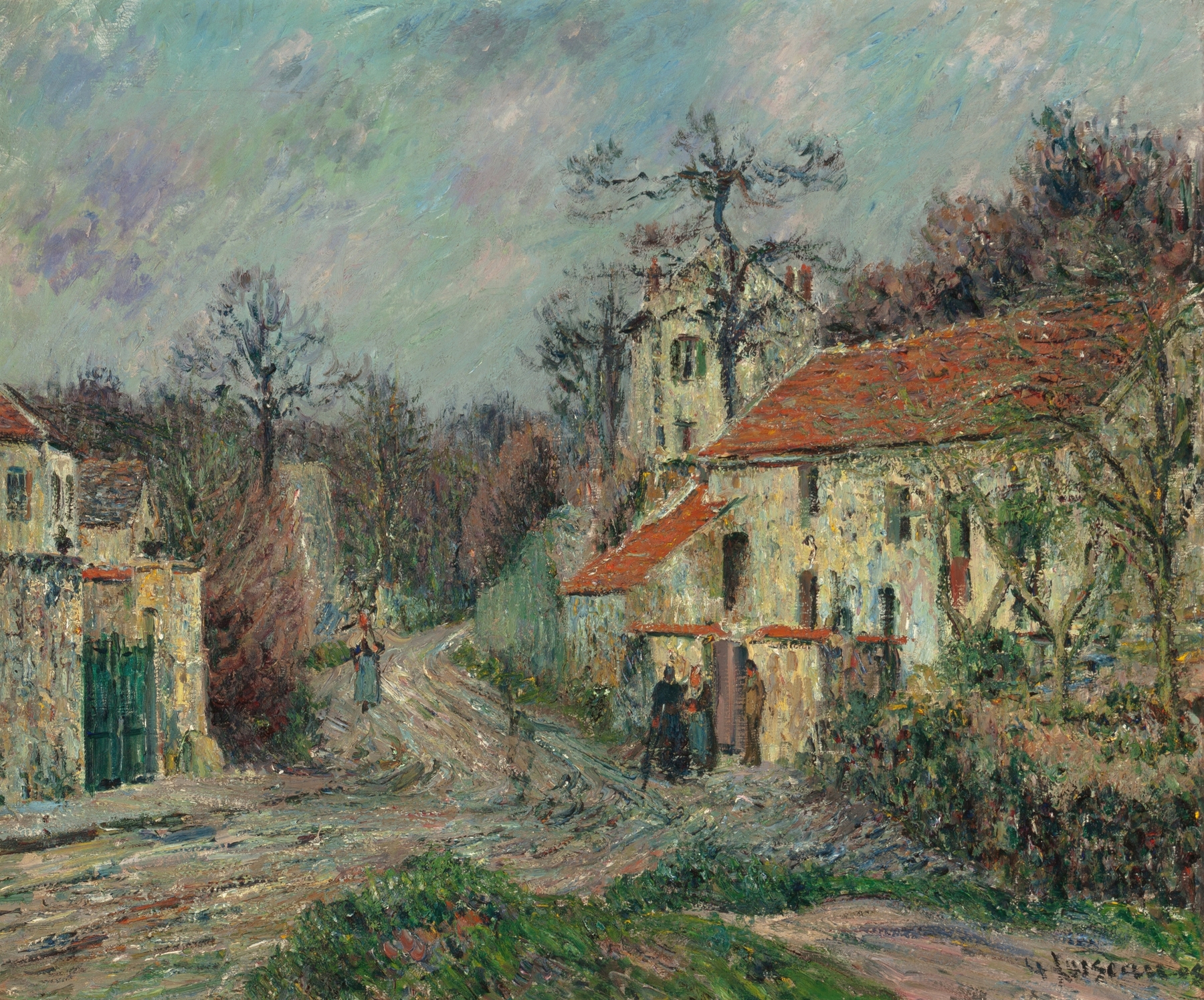
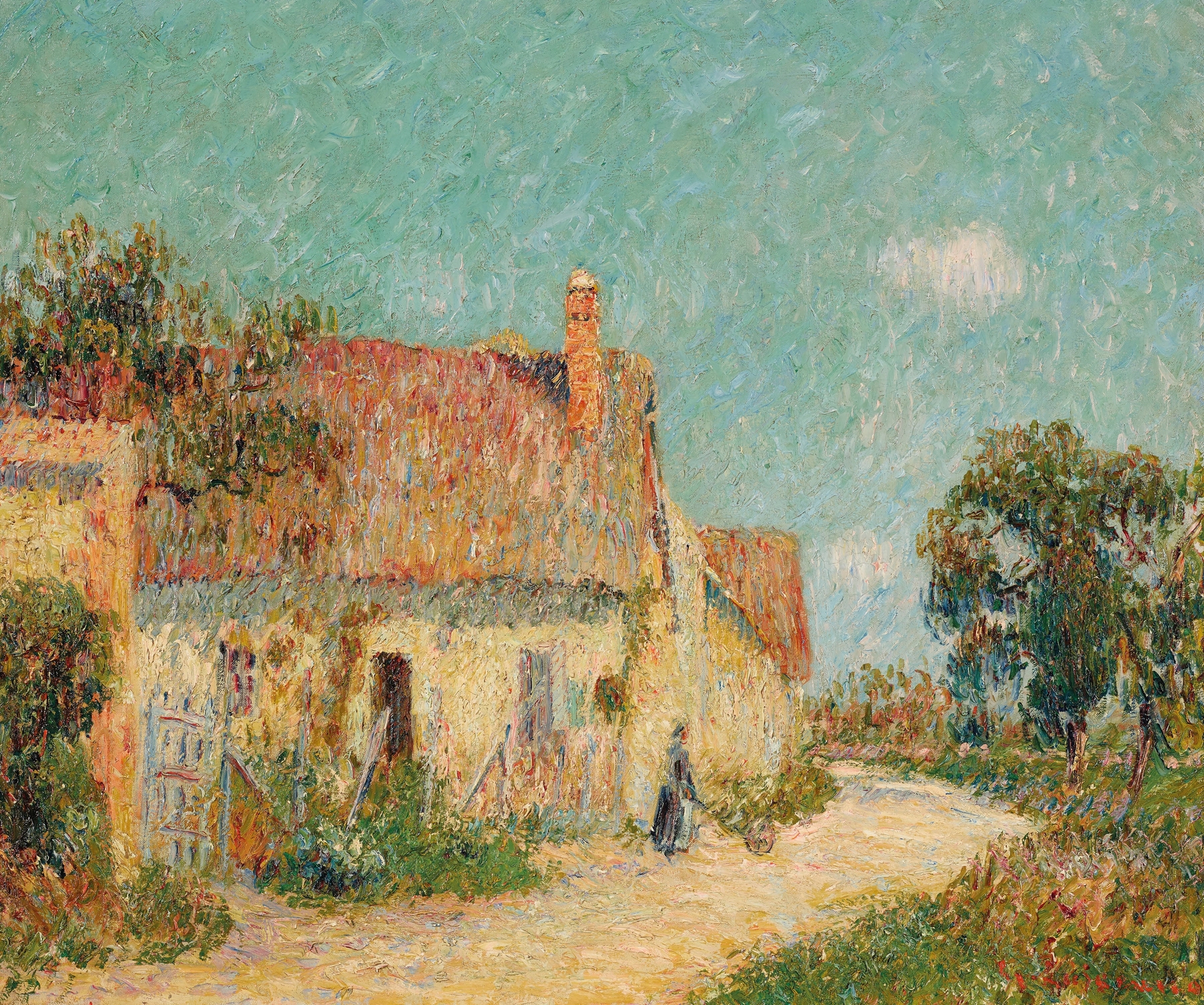
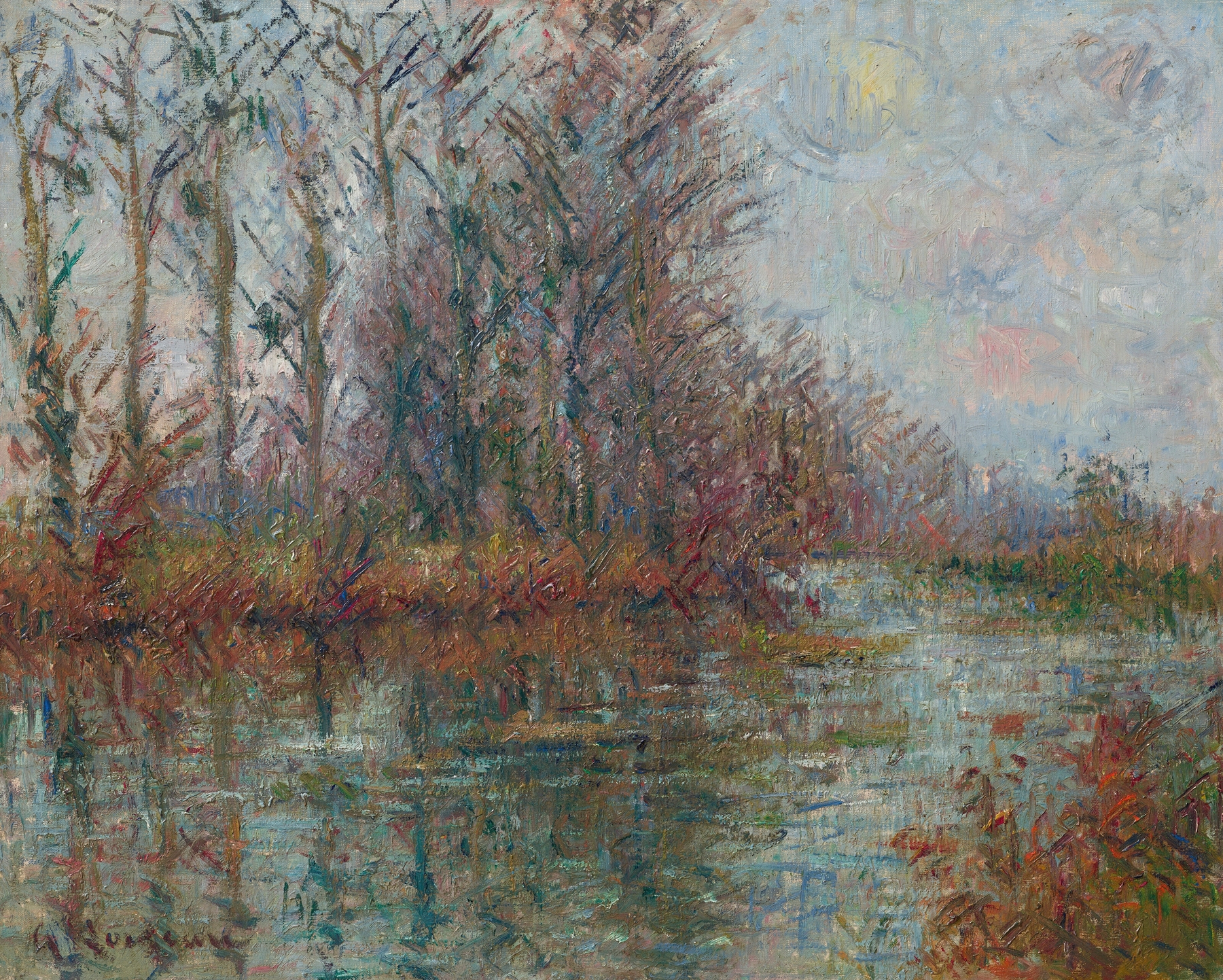
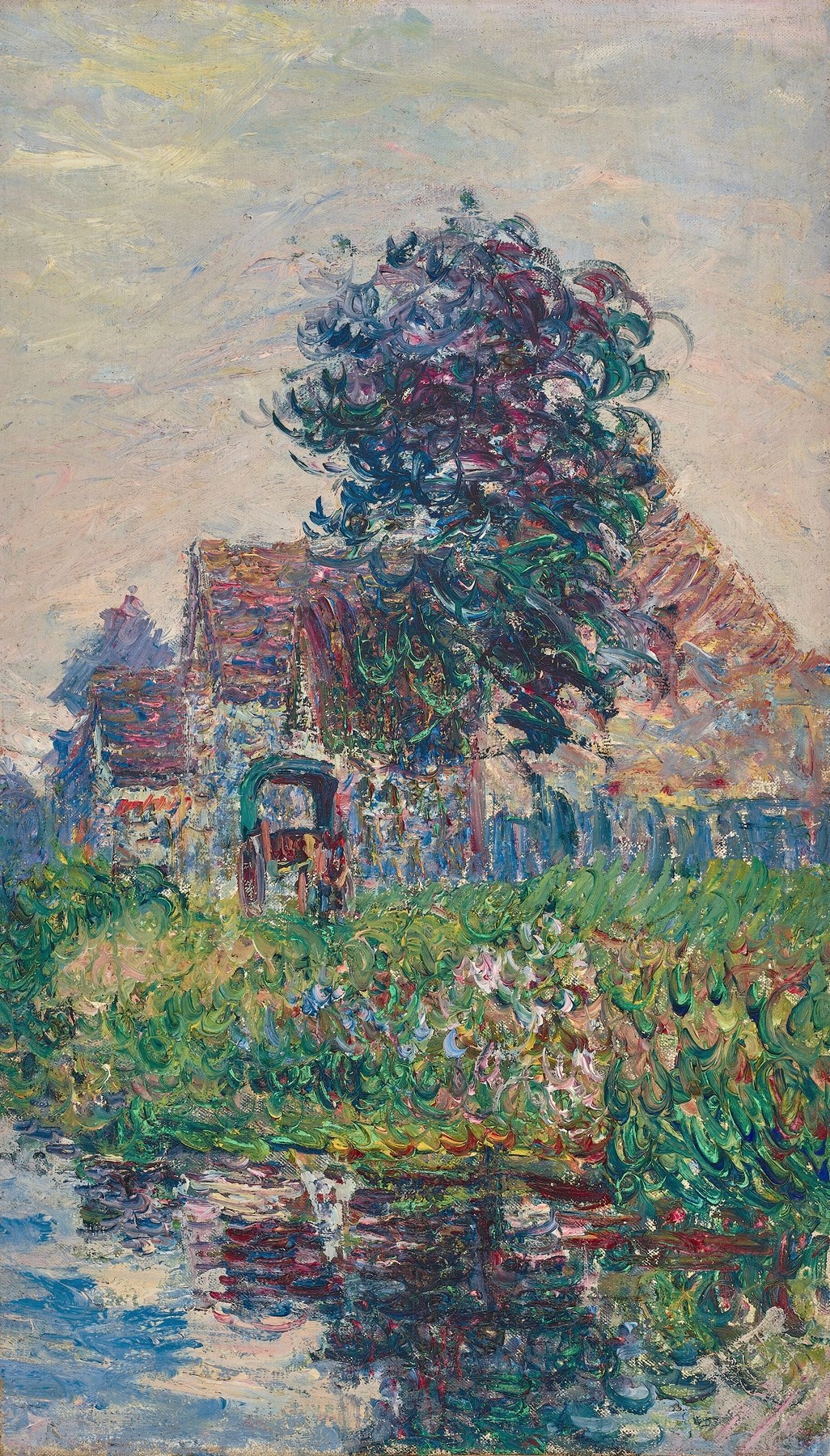
“Every silence here is a confession.” In the stillness of this landscape, the viewer finds a moment suspended in time, where the whispers of nature reveal unspoken truths. It is a revelation captured in color and form, offering an intimate dialogue between the observer and the seen. Look to the lower left, where a gentle brook meanders through the canvas, its surface reflecting the warm hues of the sun-drenched foliage. Notice the vibrant greens and soft earth tones that intertwine, creating a sense of harmony that envelops the viewer. The painter’s brushstrokes, both fluid and deliberate, evoke a sense of movement, as if the trees themselves sway in response to an unheard breeze.
The composition invites you to explore the meandering paths, guiding your gaze through the lush scenery and establishing a tranquil rhythm. Yet, within this idyllic setting lies an emotional tension. The interplay of light and shadow suggests an underlying urgency, hinting at the impermanence of this serene moment. The juxtaposition of vivid colors against deeper shades invites contemplation about nature's fleeting beauty, revealing a profound connection between life and its inevitable cycles.
Here, even the silence conveys a quiet longing, as the landscape holds within it the weight of unexpressed sentiments. During this period, Loiseau was deeply engaged in the movement of Impressionism, focusing on the enchanting effects of light in natural settings. Working in France, he sought to innovate beyond the constraints of traditional landscape painting, channeling his experiences and emotions onto the canvas. His exploration of the surroundings near Paris was not merely a depiction of the scene but a reflection of broader changes in society, art, and the perception of beauty at the turn of the 20th century.