Erntefeld — History & Analysis

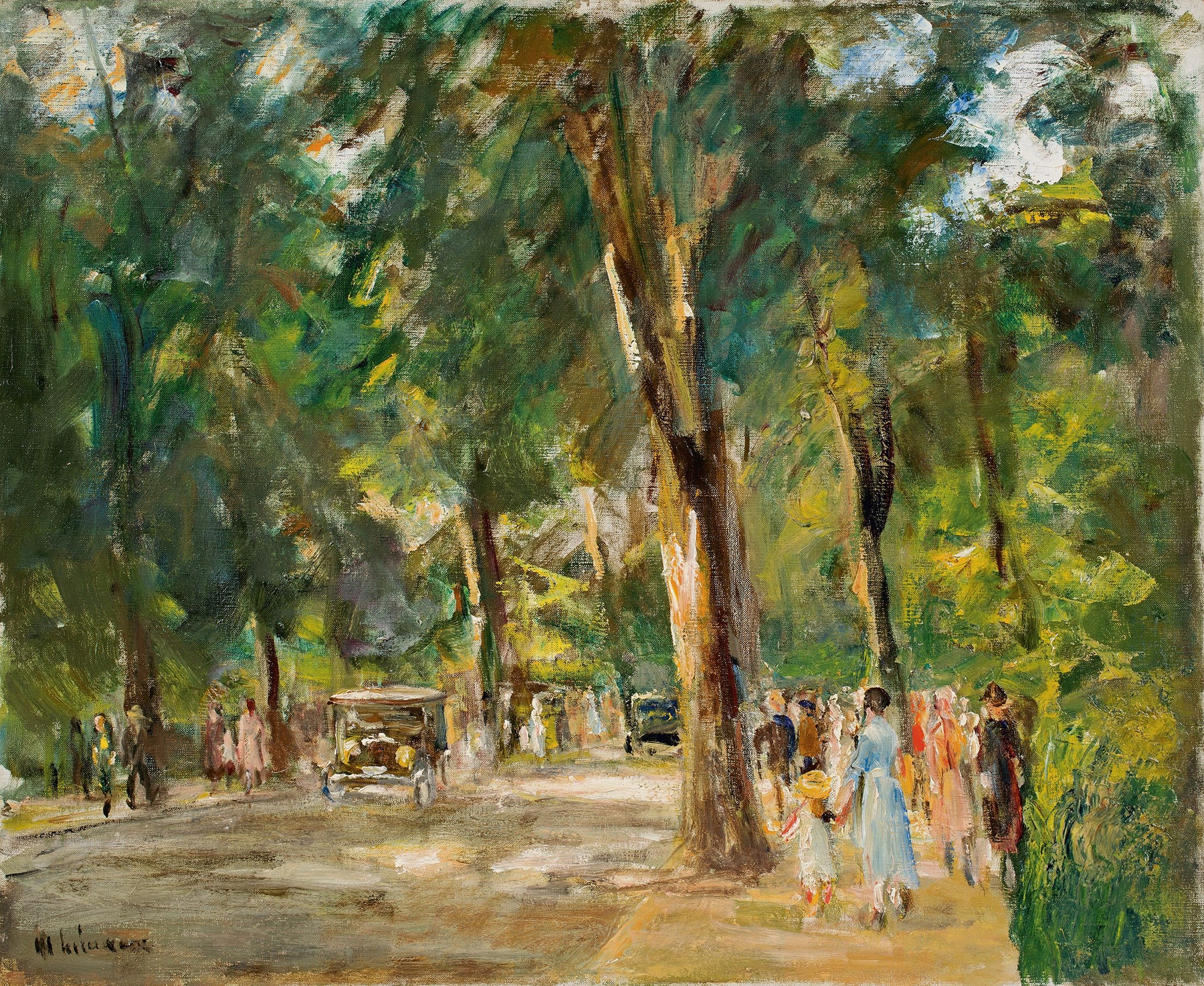
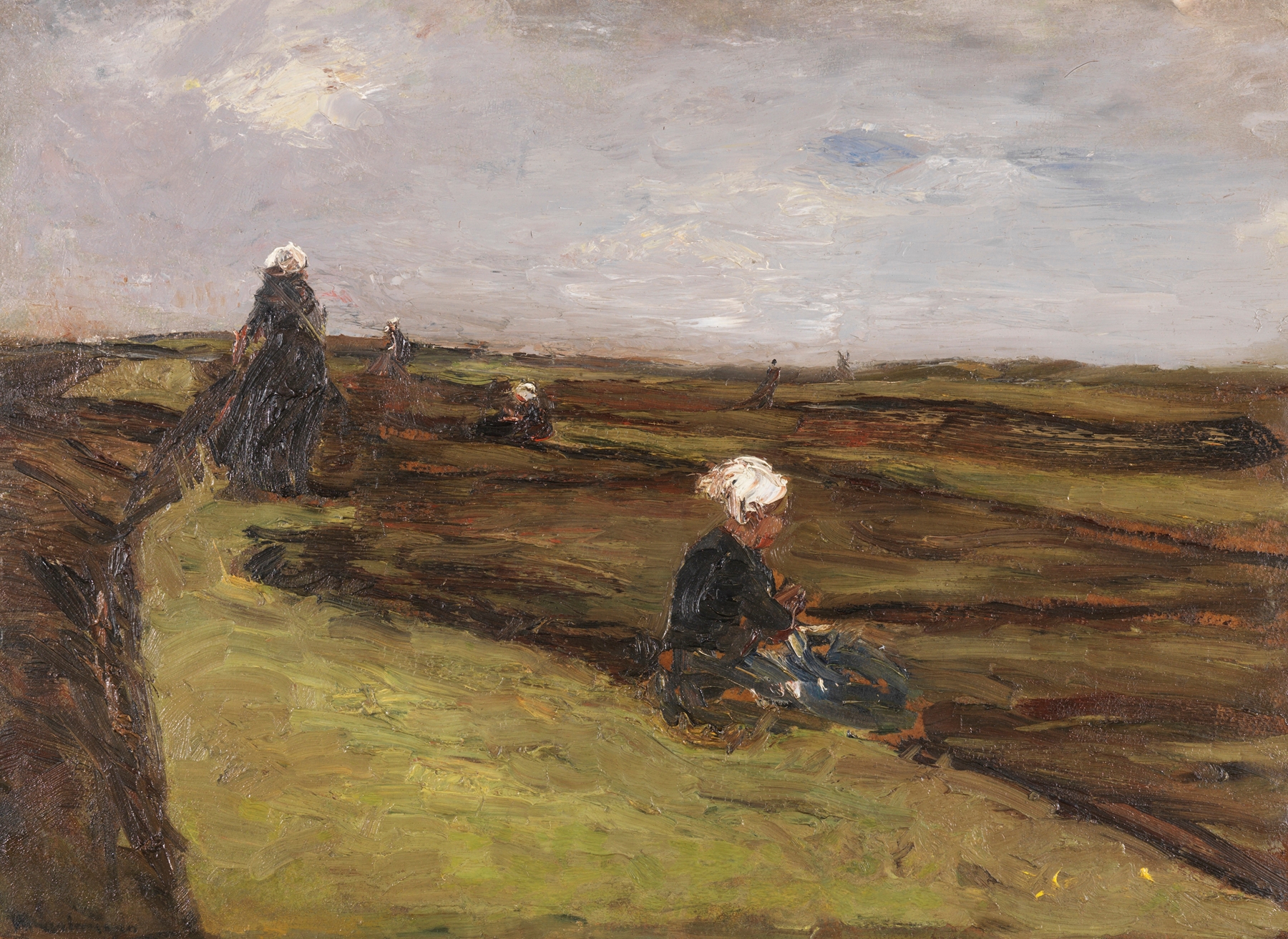
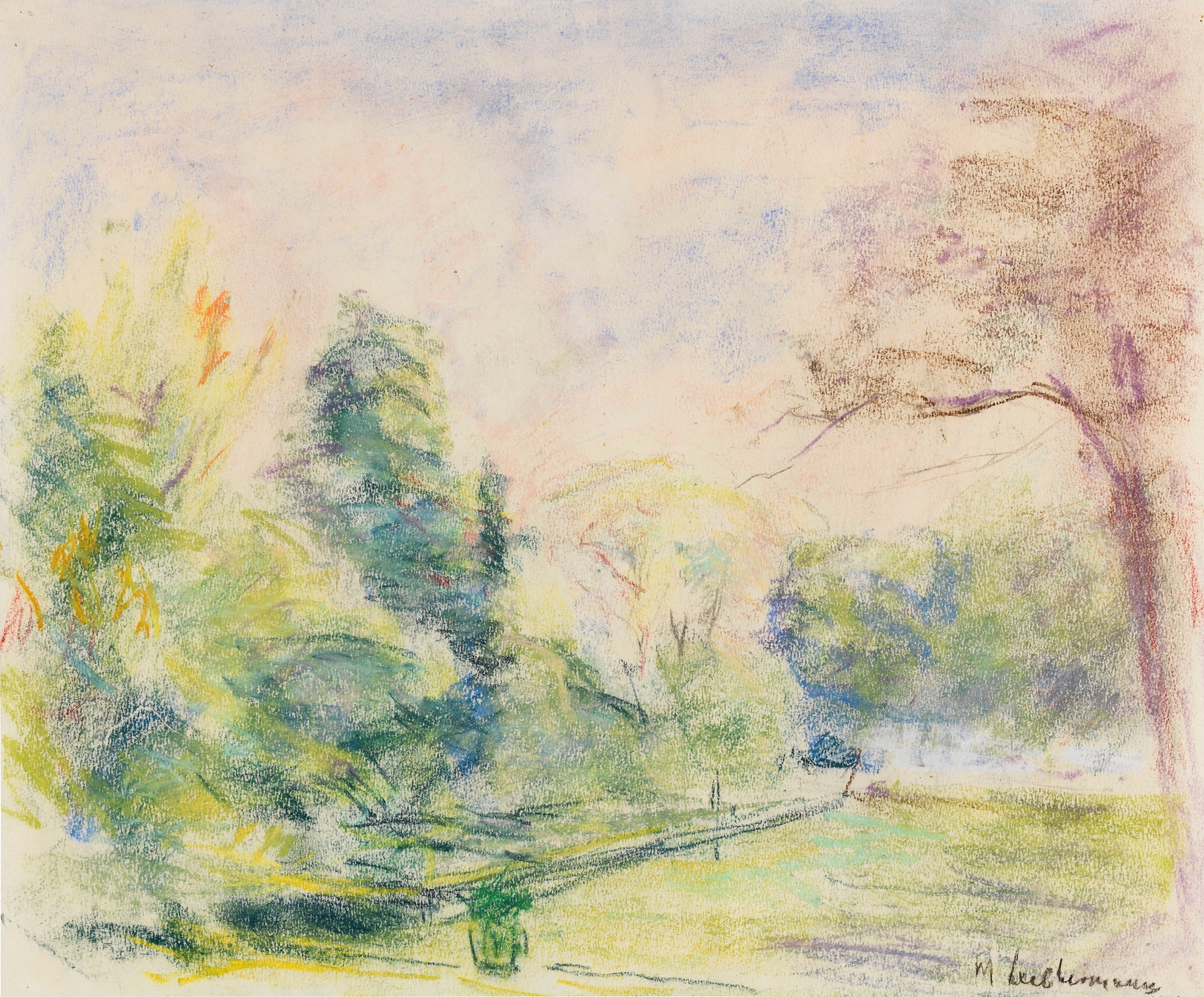
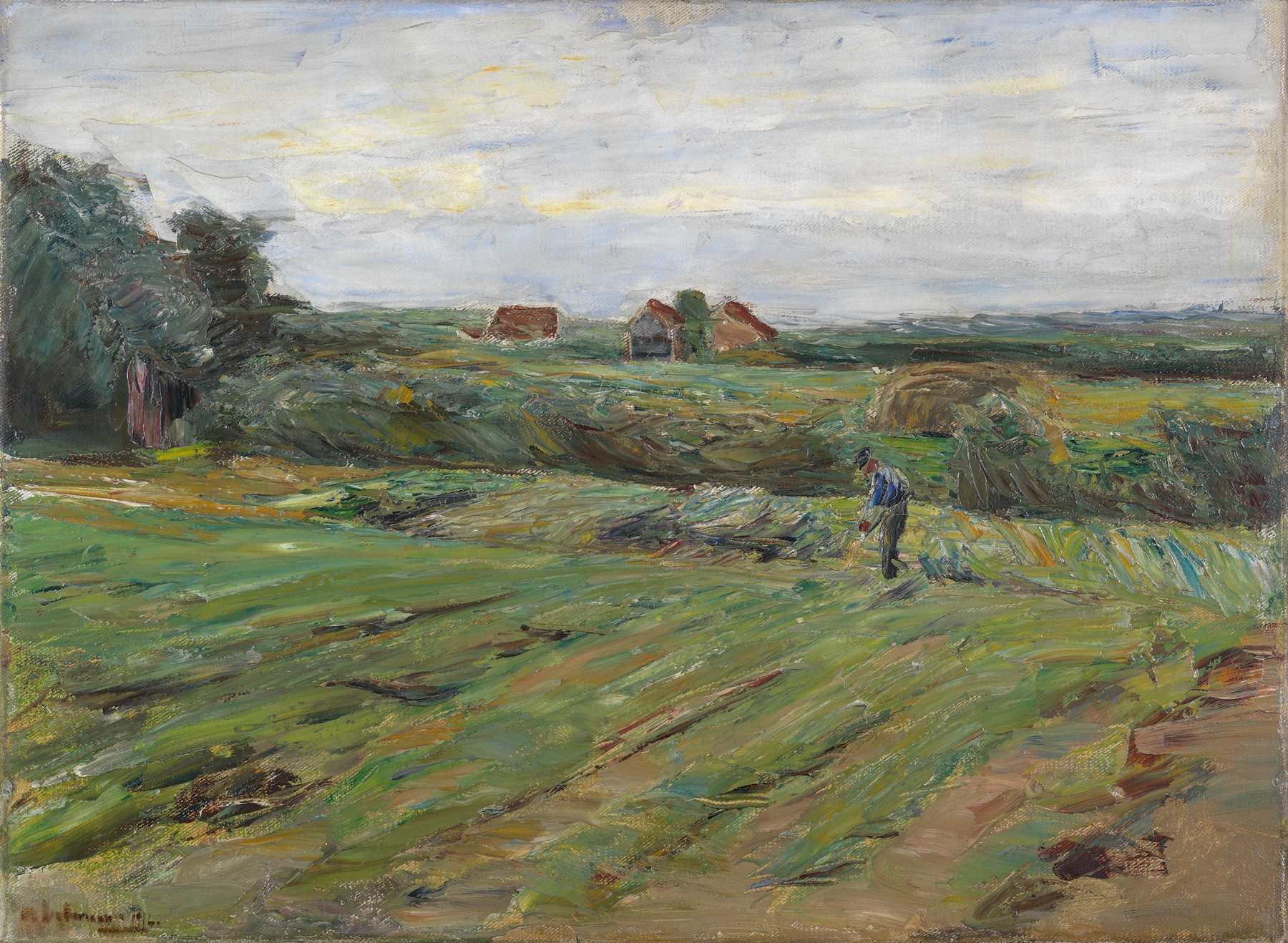
“Every brushstroke is a heartbeat remembered.” In the quiet expanse of life’s cycle, how often do we pause to reflect on the beauty and transience that surrounds us? Look to the left at the vibrant patchwork of golden wheat, each stalk captured with delicate precision and gentle strokes. The warm hues dance under the warm sun, contrasting subtly with the cool, earthy tones of the figures laboring in the field. Notice how the light falls upon their backs, illuminating their hard work and the essence of life itself.
This interplay of light and shadow reveals not only their toil but also a profound connection to the land—a moment suspended in time, where nature and humanity entwine harmoniously. The emotions linger just beneath the surface. The figures, though industrious, appear almost ghostly against the backdrop of the abundant harvest, suggesting the fragility of life and the inevitability of mortality. Each grain represents both sustenance and the ephemeral nature of existence.
The gentle movement of their bodies suggests labor's weight, yet there’s an underlying serenity that invites viewers to contemplate the beauty of embracing one's fate within the cycle of life. Max Liebermann created Erntefeld in 1912, during a period marked by significant changes in German art and society. Working in Berlin, he was deeply influenced by the Impressionist movement, which sought to capture moments of contemporary life. The world was on the cusp of upheaval, as the shadows of war loomed on the horizon, prompting Liebermann to reflect upon the simplicity and dignity of rural life amidst the complexities of modern existence.