Extensive landscape with a shepherd and shepherdess and their flock — History & Analysis
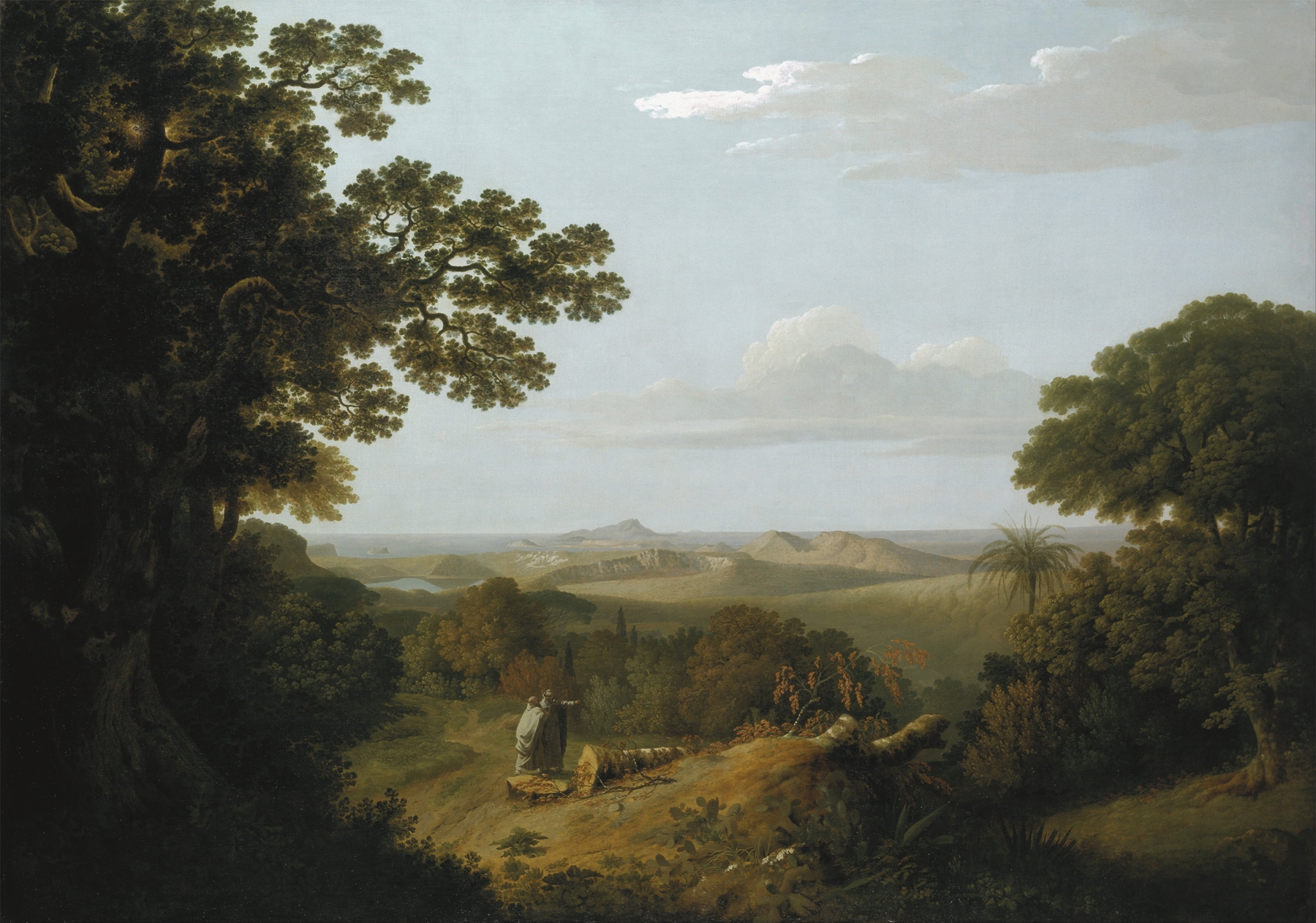
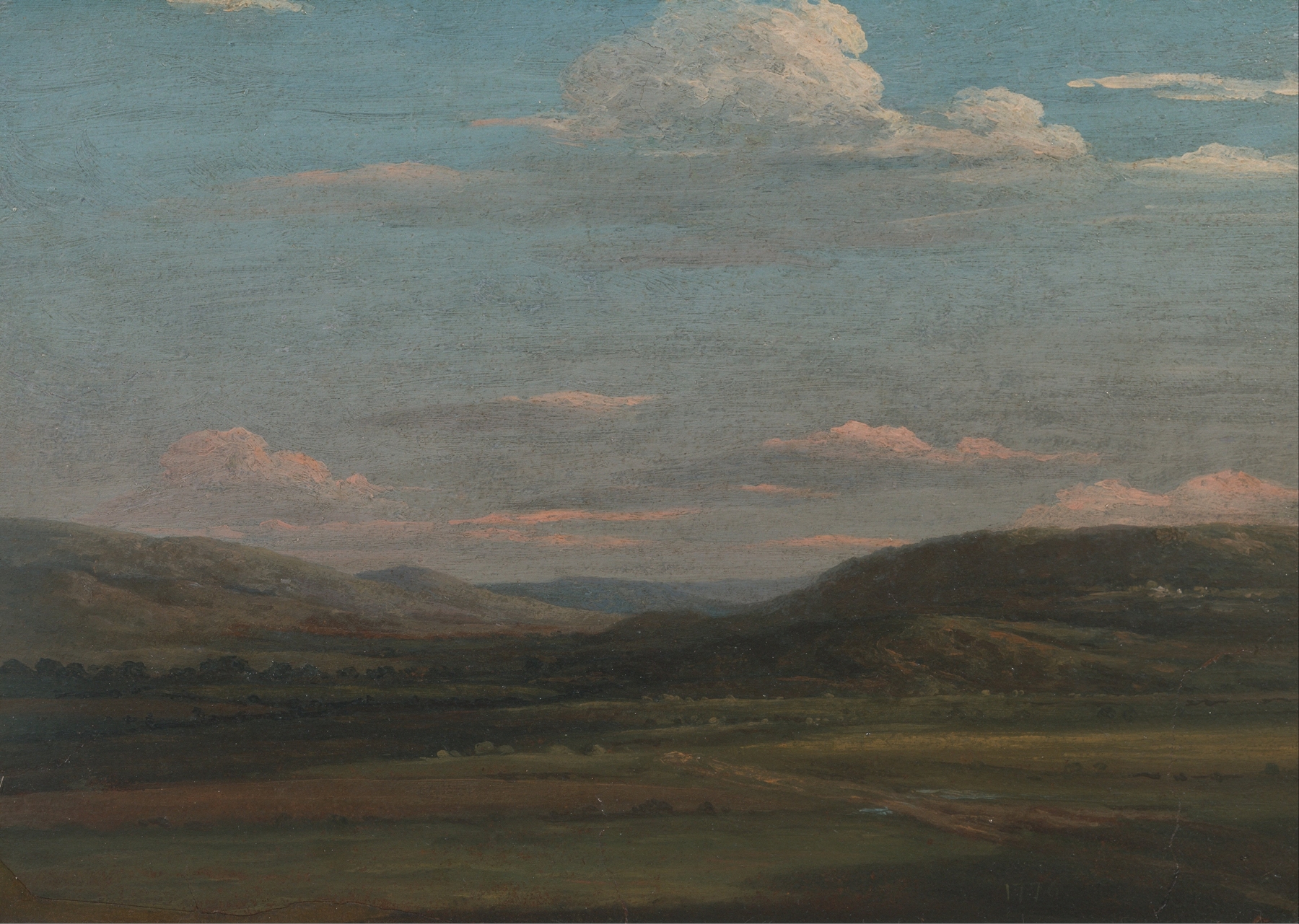
Did the painter know this moment would outlive them? In the quiet embrace of nature, truth unfolds beneath the sweeping expanse of sky and rustling grass, inviting introspection about the passage of time. Look to the left at the shepherd, his figure a steady anchor amid the gentle undulations of the landscape. Notice how the sunlight bathes him in a golden warmth, contrasting with the cooler shades of the sheep clustered around him. Shift your gaze to the shepherdess on the right, her graceful posture and soft hues mirroring the tranquility of her surroundings.
The interplay of light and shadow creates a rich tapestry, inviting the viewer to wander through the scene, feeling the land breathe beneath their feet. Amidst the idyllic setting lies a tension between solitude and companionship. The shepherd and shepherdess, seemingly at ease with one another, embody the age-old bond between humanity and nature. Yet, their isolation in such a vast landscape provokes questions about their place in the world.
The flock of sheep, both a source of livelihood and a symbol of pastoral life, hints at the delicate balance between freedom and duty, creating a narrative thread that runs through the work. Thomas Jones painted this piece during the late 18th century, a time marked by a growing appreciation for the sublime beauty of untouched landscapes. He resided in the picturesque region of Wales, where the serene scenery influenced his artistic vision. The era was characterized by a shift towards Romanticism, as artists sought to capture the emotional resonance of natural beauty and the human condition—an exploration that this work exemplifies in its attention to detail and deep sense of place.