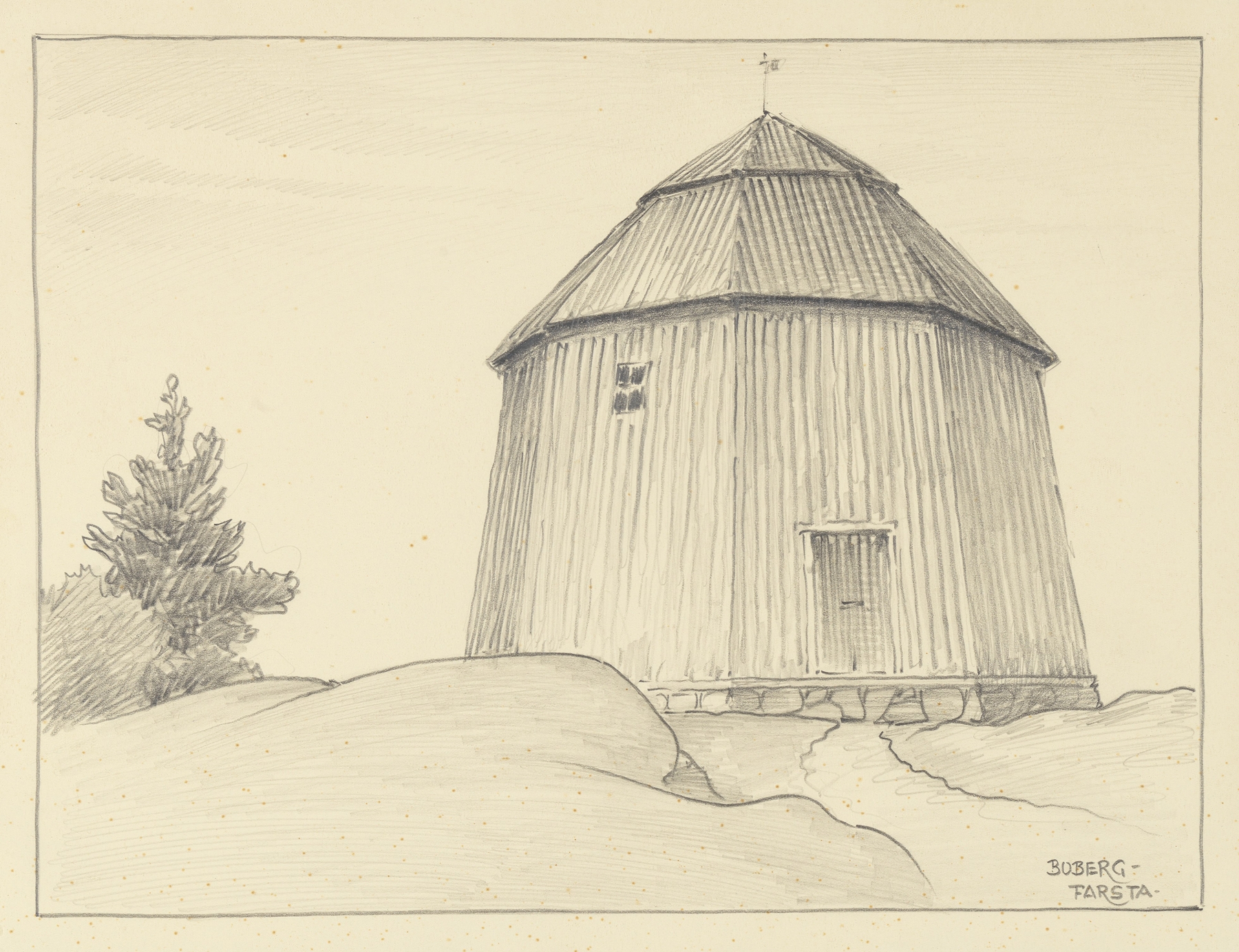
“Art reveals the soul when the world turns away.” In *Farsta*, vibrant hues dance across the canvas, inviting us to delve into the emotional landscape that color can evoke. Look to the left at the bold strokes of cerulean and emerald, swirling together in a way that suggests both chaos and harmony. Notice how these colors interact with softer, muted tones on the right; there lies a deliberate contrast, evoking the tension between the vibrant essence of life and the sedate calm of introspection. The composition, with its fluid lines and layered textures, beckons the viewer to navigate the vibrant world portrayed while feeling the understated pull of serenity. Within this visual dialogue, the piece speaks to a balance of emotion and environment; the cooler tones seem to cradle the warm splashes of yellows and reds, hinting at the coexistence of joy and sorrow. This duality offers a glimpse into the artist's exploration of human experience, embodying the struggle between light and darkness, both literally and metaphorically. Each brushstroke encapsulates a moment of reflection, revealing deeper layers of meaning hidden behind the colorful façade. At the time *Farsta* was created, Ferdinand Boberg was immersed in a period of artistic exploration while living in Sweden, between 1915 and 1924. This era was marked by a shift towards modernism in art, and he was influenced by a blend of traditional and avant-garde aesthetics. The post-war world was tumultuous, yet transformative, and Boberg's work during this period reflects his pursuit of a new artistic language that speaks to the complexities of the human condition.