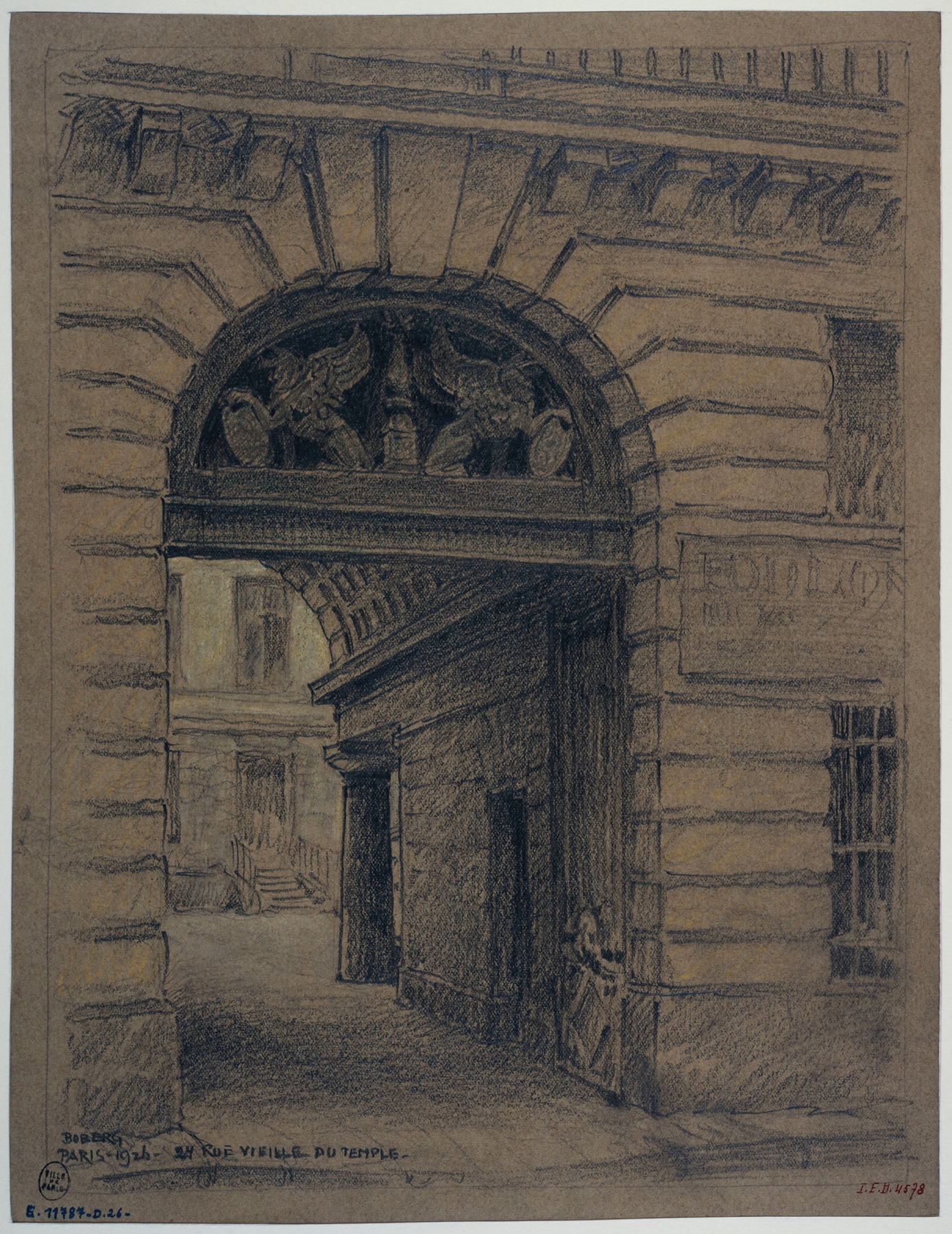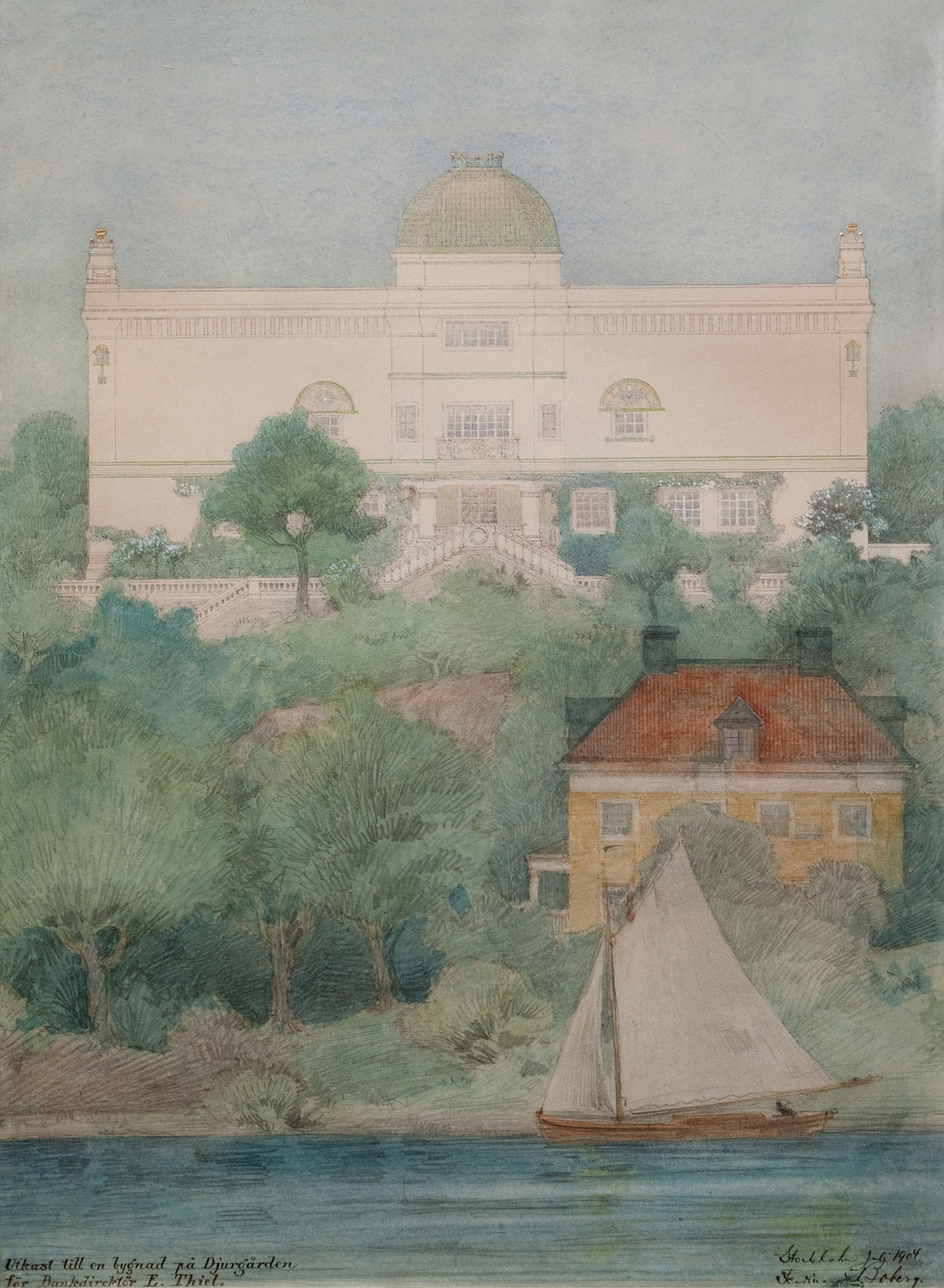
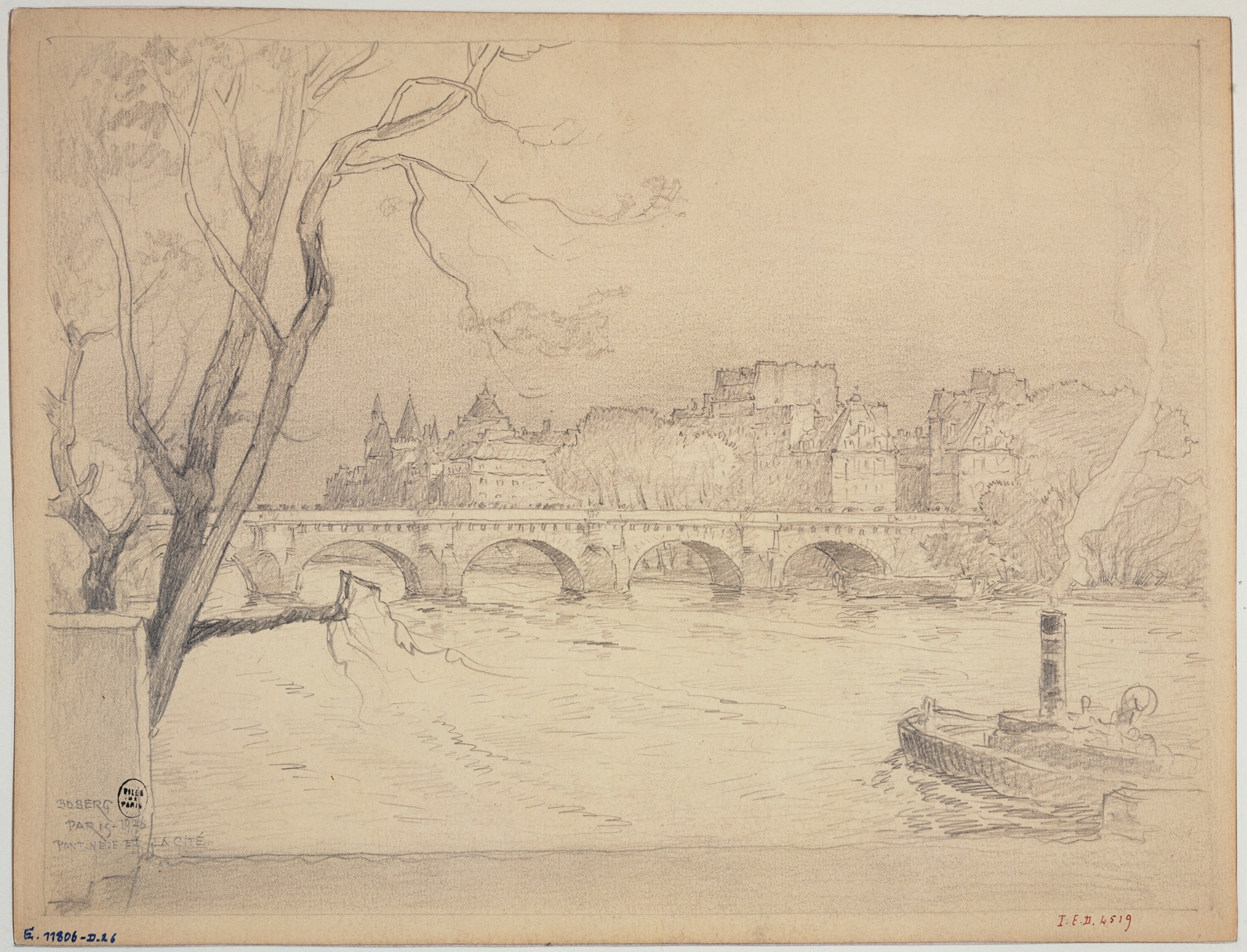
What if beauty was never meant to be finished? In the delicate yet chaotic lines of a design, the whisper of madness intertwines with the pursuit of perfection. Focus on the sinuous curves that dominate the composition, drawing your gaze toward an archway that seems to beckon into an unknown realm. Notice how densely packed details are juxtaposed against the ethereal spaces left untouched, crafting a tension that echoes the artist's restless spirit. The soft strokes of graphite mingle with the crispness of ink, creating a conversation between chaos and order, shadow and illumination. Hidden within this sketch lies a rich narrative of ambition overshadowed by uncertainty. The intricate filigree hints at an elaborate facade, yet the unfinished nature conveys a sense of longing for resolution. Each line, though seemingly spontaneous, reflects the struggle between creative brilliance and the madness that often accompanies it—suggesting that perhaps the act of creation itself is a journey without a definitive end. In 1904, amidst a burgeoning artistic movement, Ferdinand Boberg was in the throes of his architectural career, seeking to merge the beauty of nature with structural innovation. Living in Sweden, he grappled with the evolving styles around him while infusing his designs with a sense of whimsy and fantasy. This period marked a pivotal moment in his exploration of how buildings could be more than mere structures; they could resonate with the complexities of human emotion and aspiration.