Rue de l’Hôtel de Ville; l’hôtel de Sens — History & Analysis
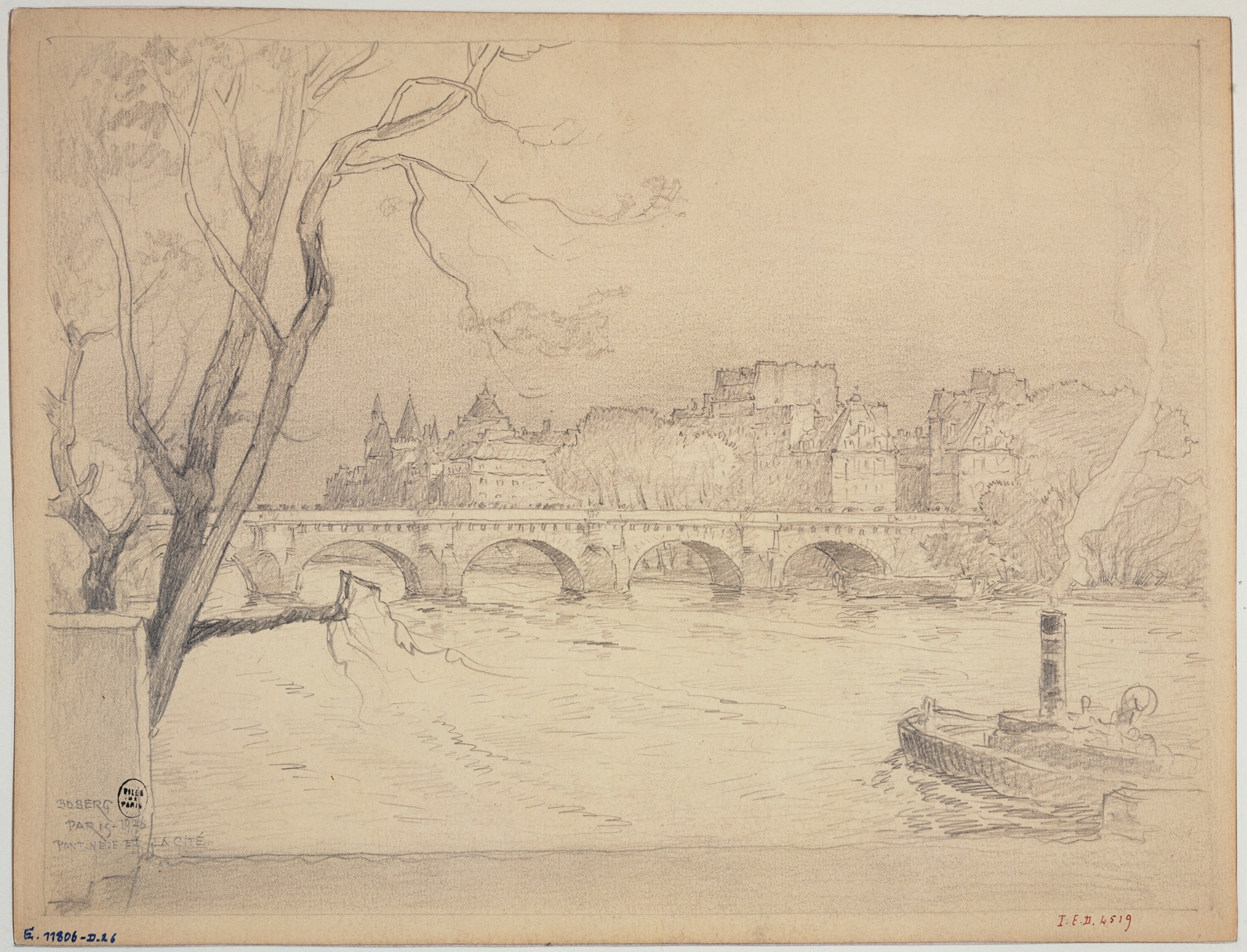
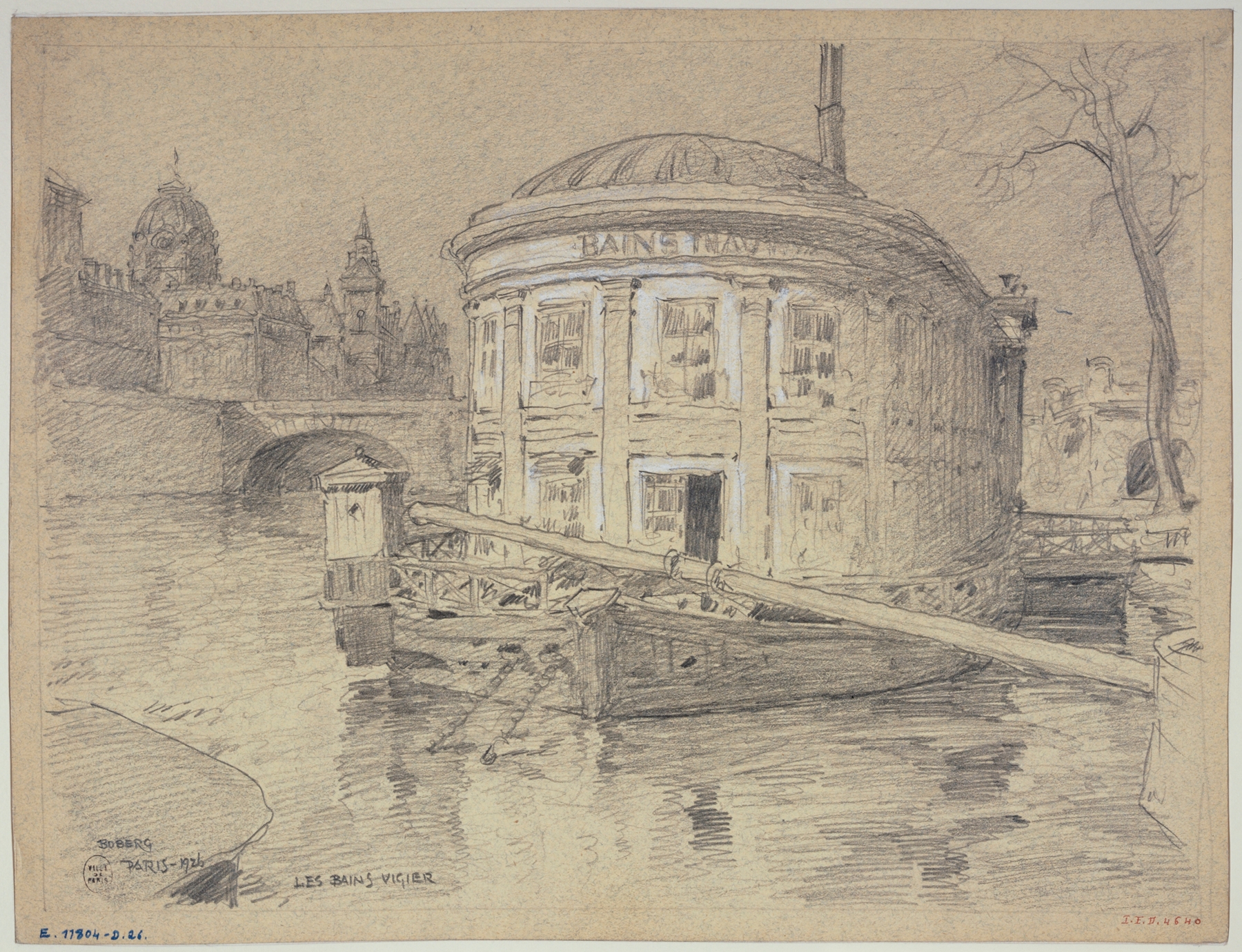
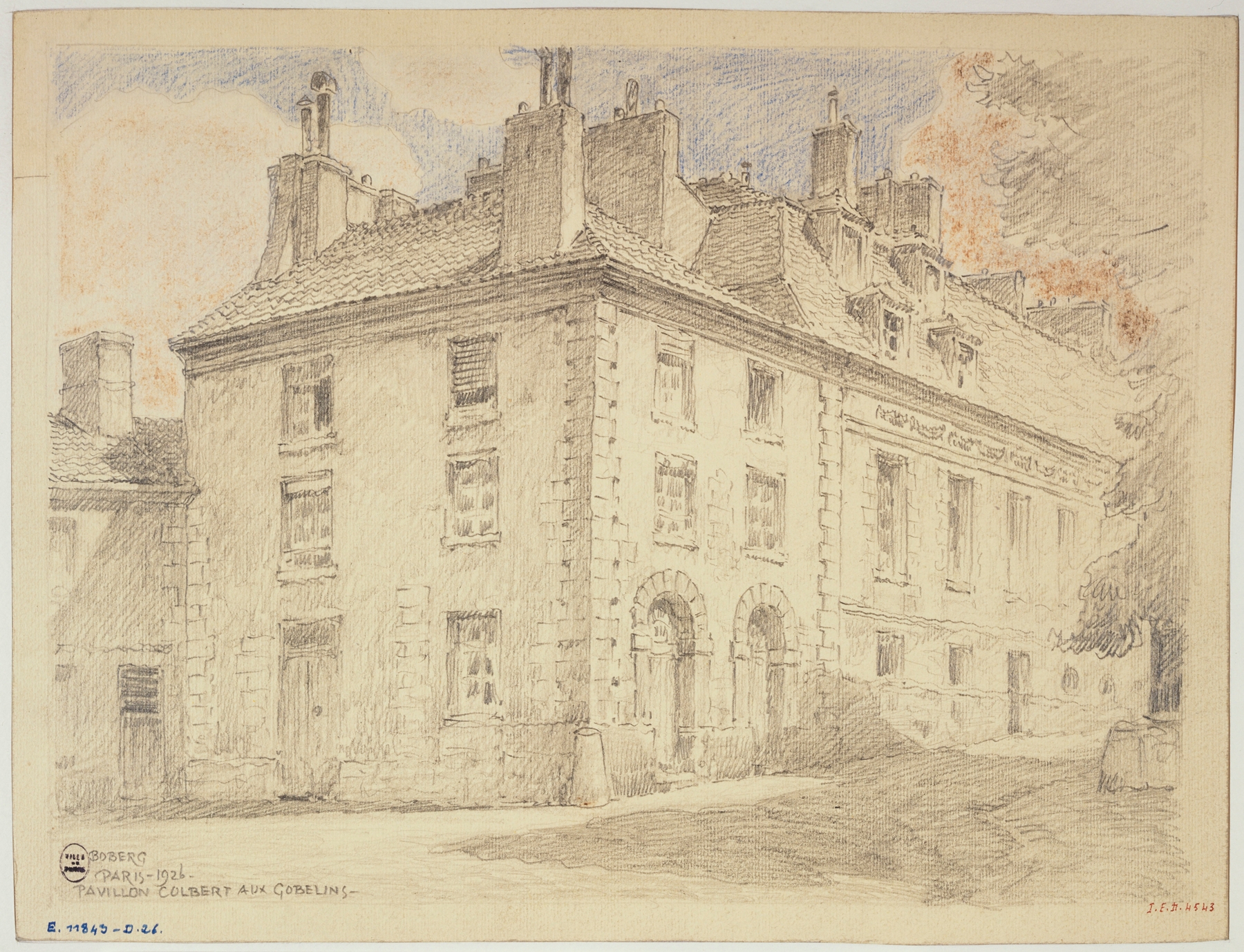
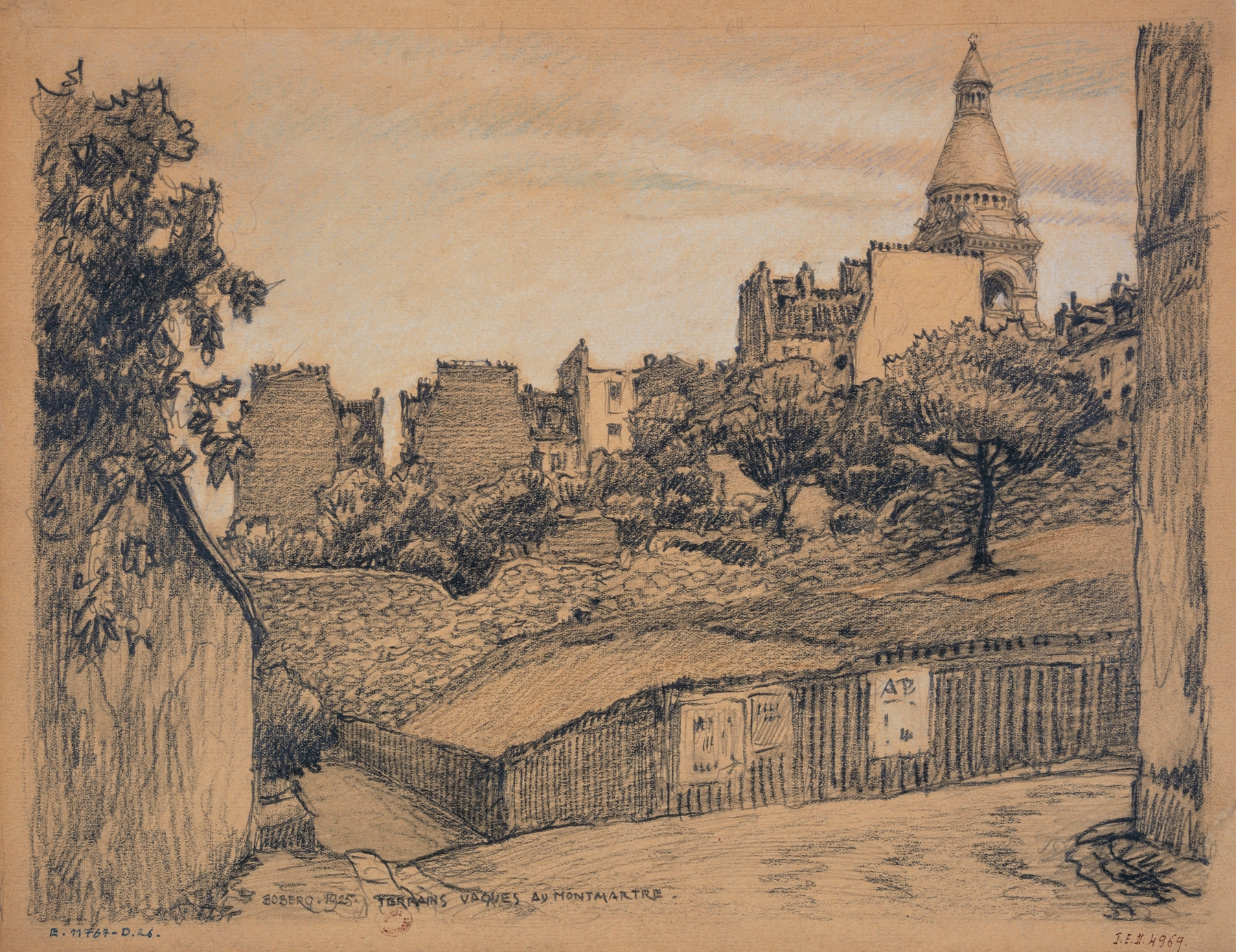
What if beauty was never meant to be finished? The delicate brushstrokes in this evocative piece whisper secrets of a city caught between time and transformation, where each corner holds a story of longing and unfulfilled promise. Look to the left at the intricate architectural details of the Hôtel de Sens, its medieval facade framed by the vibrant hues of a Parisian twilight. Notice how the soft light dances upon the surfaces, creating a warm glow that contrasts sharply with the shadows lurking in the alleys, suggesting a tension between the beauty of the moment and the whispers of betrayal hidden beneath the surface.
The interplay of light and dark invites an exploration of both the magnificent and the melancholy. In this artwork, the juxtaposition of the ornate buildings against the mundane elements of urban life becomes a metaphor for human experience. The glimmers of sunshine filtering through the clouds hint at hope, while the encroaching shadows signal the inevitable passage of time and the betrayal of our expectations.
The painting captures a fleeting moment, suggesting that beauty, though resplendent, is always tinged with the bittersweet reality of life’s imperfections. Created in 1926, this work emerged during a period when Ferdinand Boberg was deeply engaged with the Art Deco movement, blending traditional architecture with modernist sensibilities. Living in Paris, a city experiencing both cultural renaissance and social upheaval, Boberg found inspiration in the contrast between the grandeur of historical landmarks and the changing urban landscape, resulting in a poignant reflection on beauty and transience.