Les bains Vigier au Pont-Neuf — History & Analysis
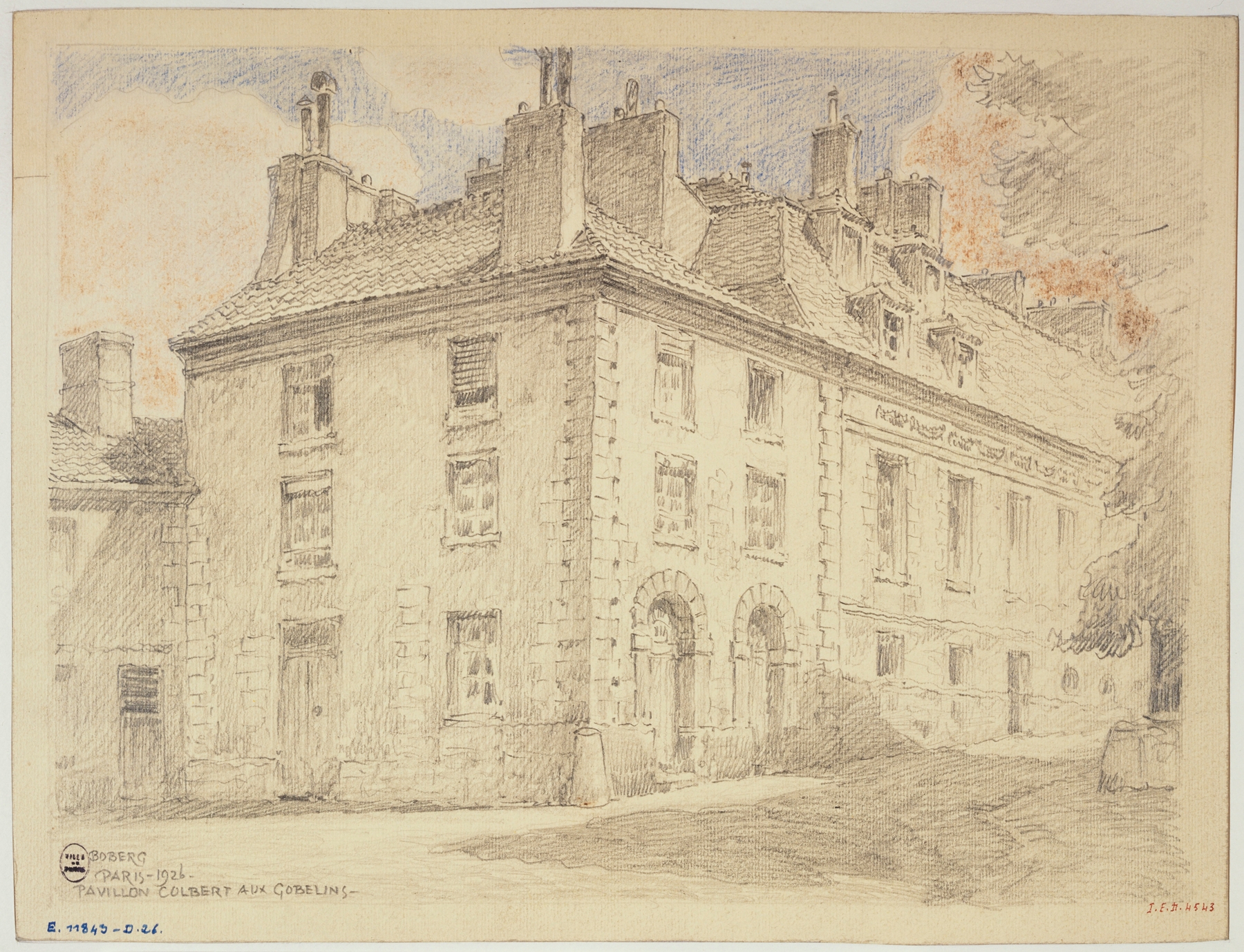
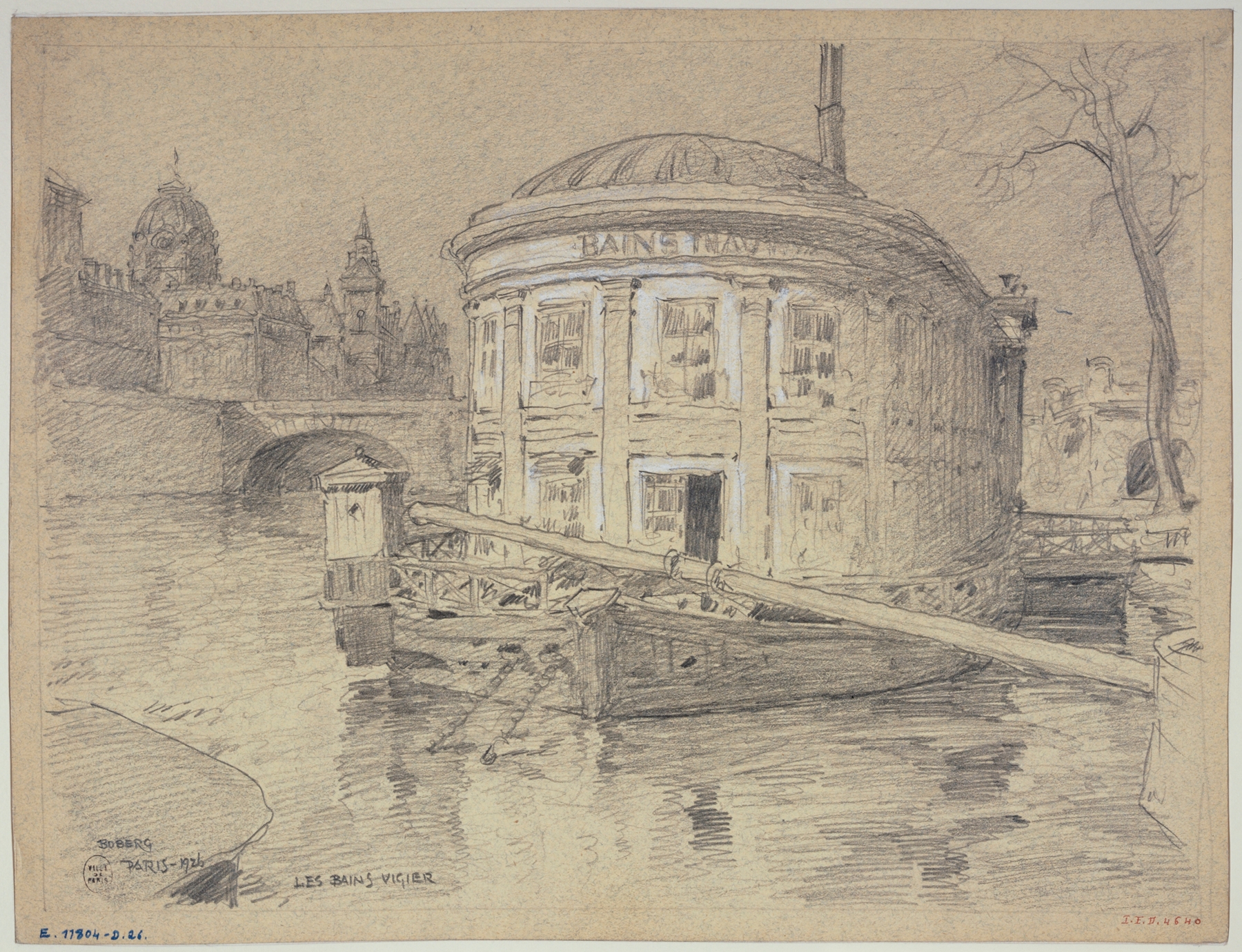
“Art reveals the soul when the world turns away.” In a time marked by rapid change and the chaos of modernity, beauty stands as a refuge for the weary spirit. It invites introspection and offers a glimpse into the intricate interplay between place and emotion. Focus on the elegant arching lines of the building in *Les bains Vigier au Pont-Neuf*, where architectural grace meets the fluidity of water. Look closely at the soft ripples in the reflecting pool, mirroring the serene façade that stands against the bustling backdrop of Parisian life. Notice how the muted palette of blues and earth tones evokes a sense of calm, inviting the viewer to linger in this tranquil oasis amidst the urban sprawl. Yet, beneath the surface beauty lies a subtle tension. The juxtaposition of the stillness of the baths against the movement of the city reveals a deeper narrative about longing and retreat. The architectural details hint at a world that both embraces and distances itself from nature, illustrating the complexities of modern existence. Each brushstroke whispers of the silent stories of those who come to find solace and rejuvenation within its walls. In 1926, during a period of transformation in France, Boberg painted this piece while exploring the evolving relationship between architecture and its surroundings. His work reflects the tensions of modernity, as society grappled with the rapid changes brought on by industrialization. In this time of discovery and disquiet, the artist sought to capture a moment of beauty, allowing viewers to escape the noise and appreciate the serene elegance of a beloved Parisian landmark.