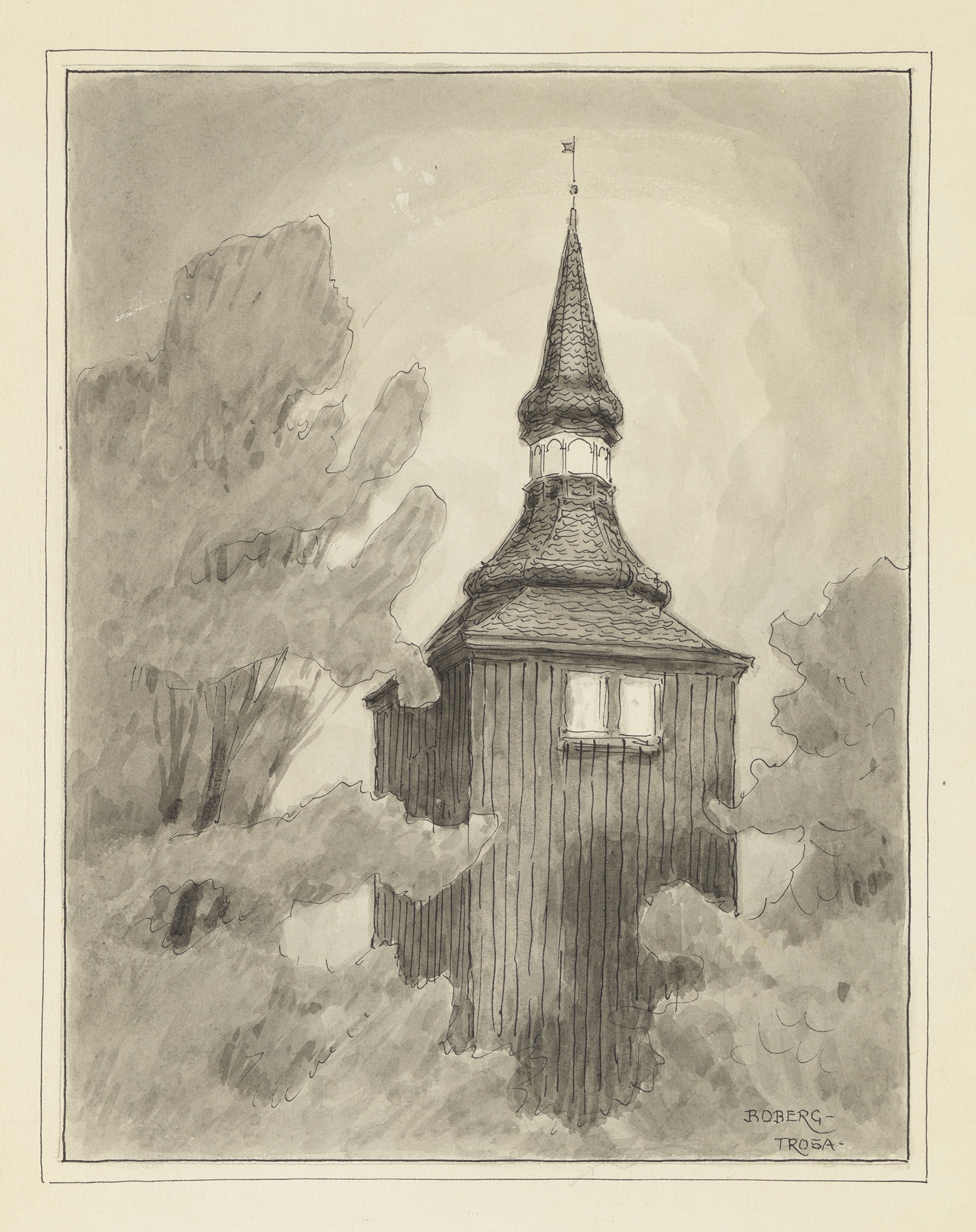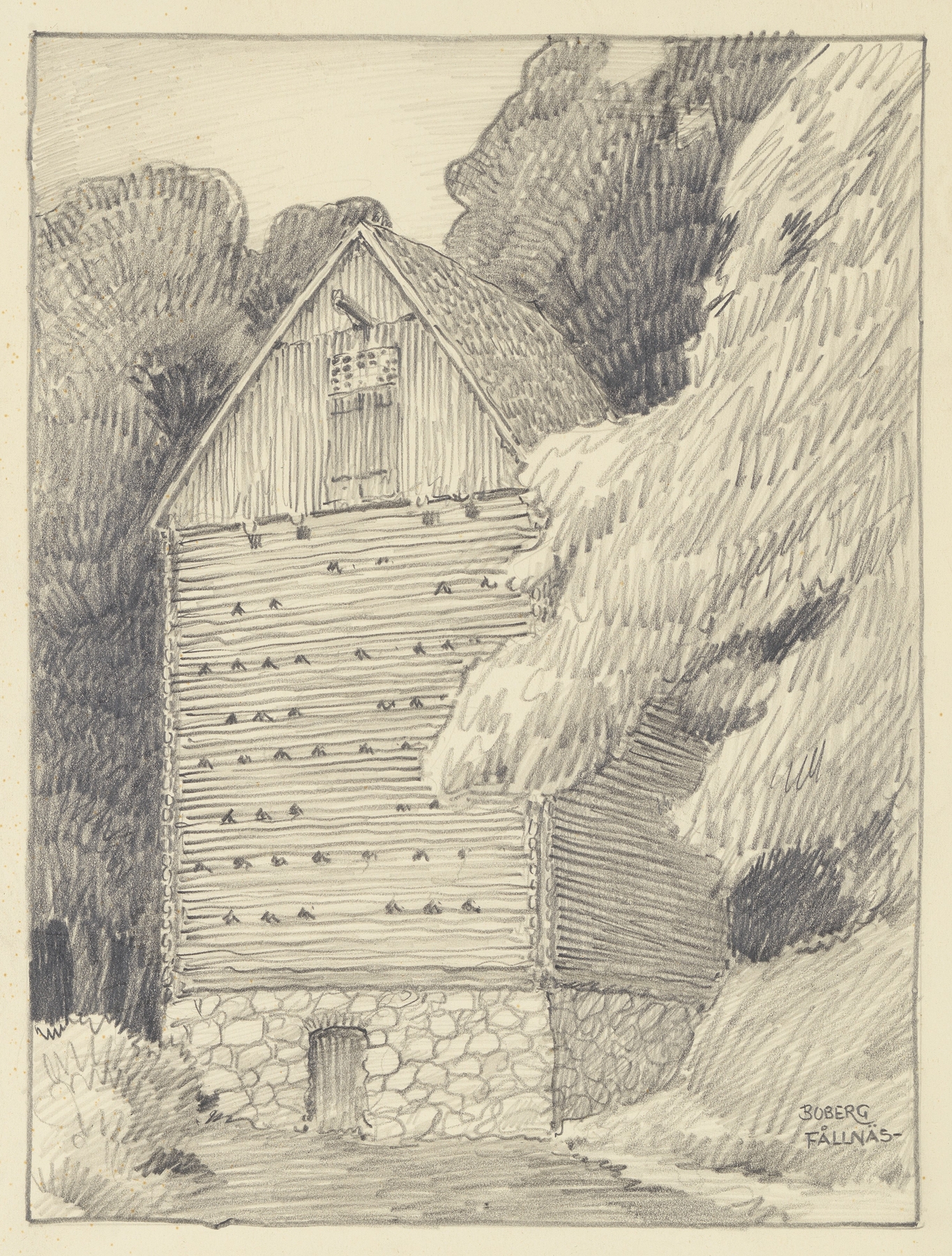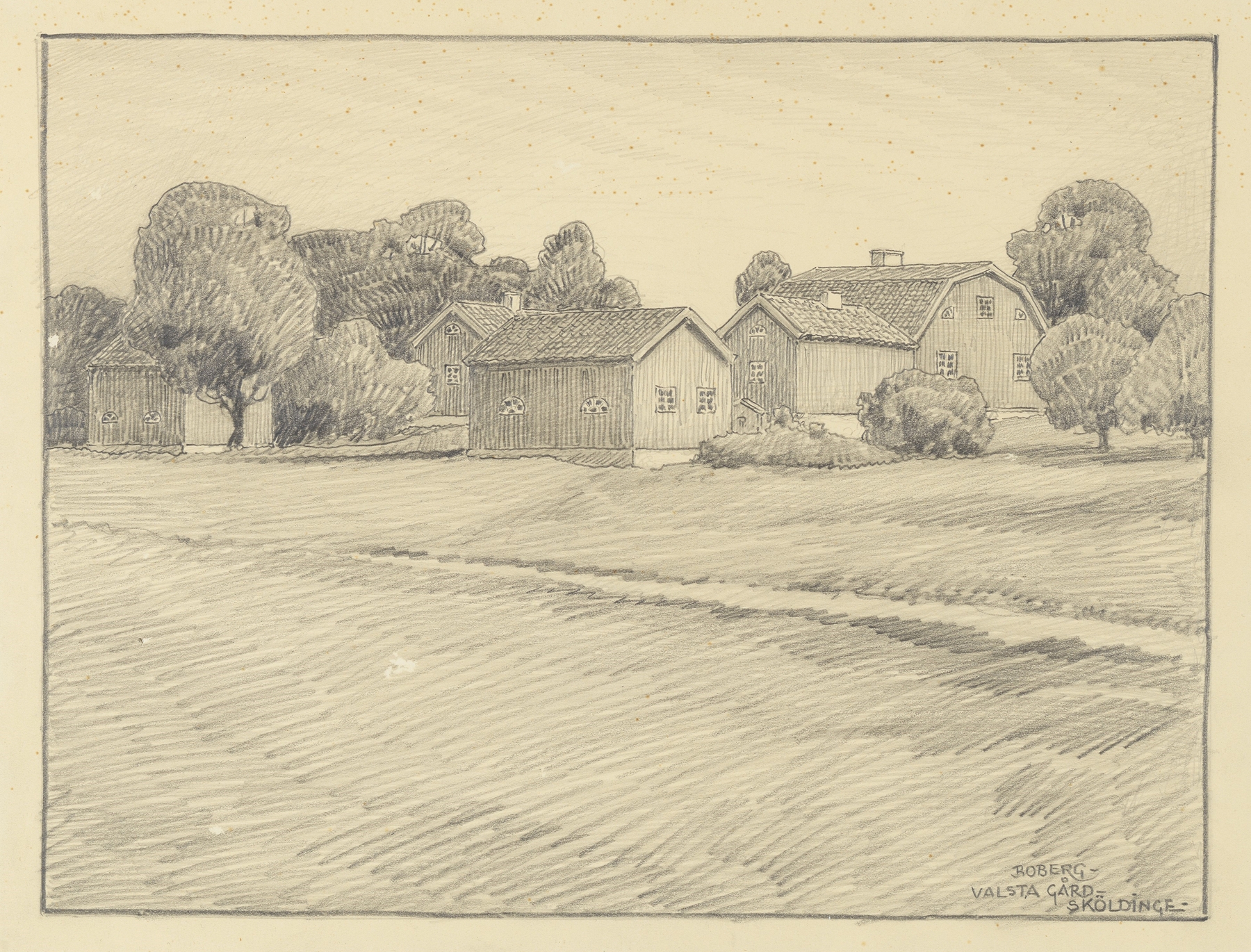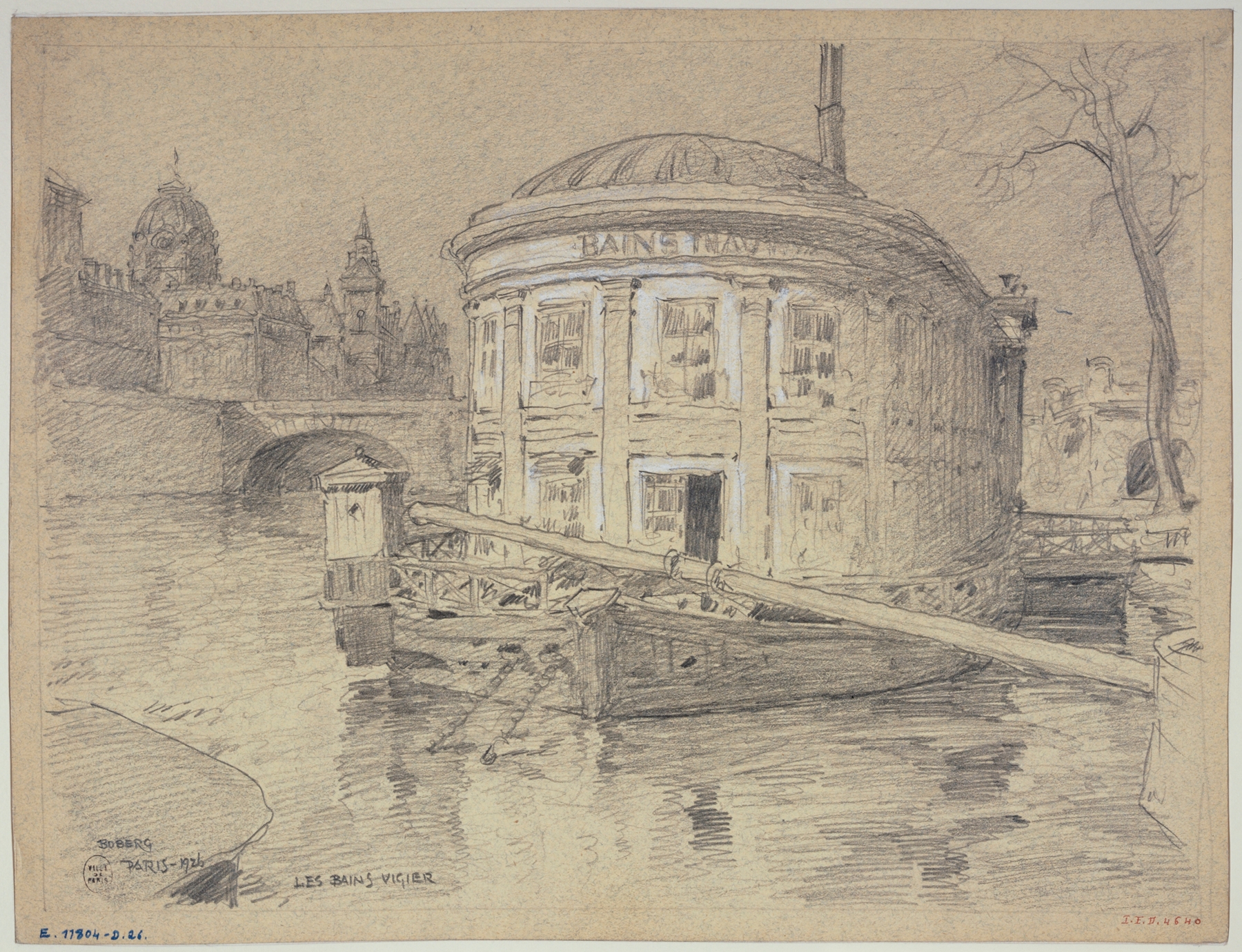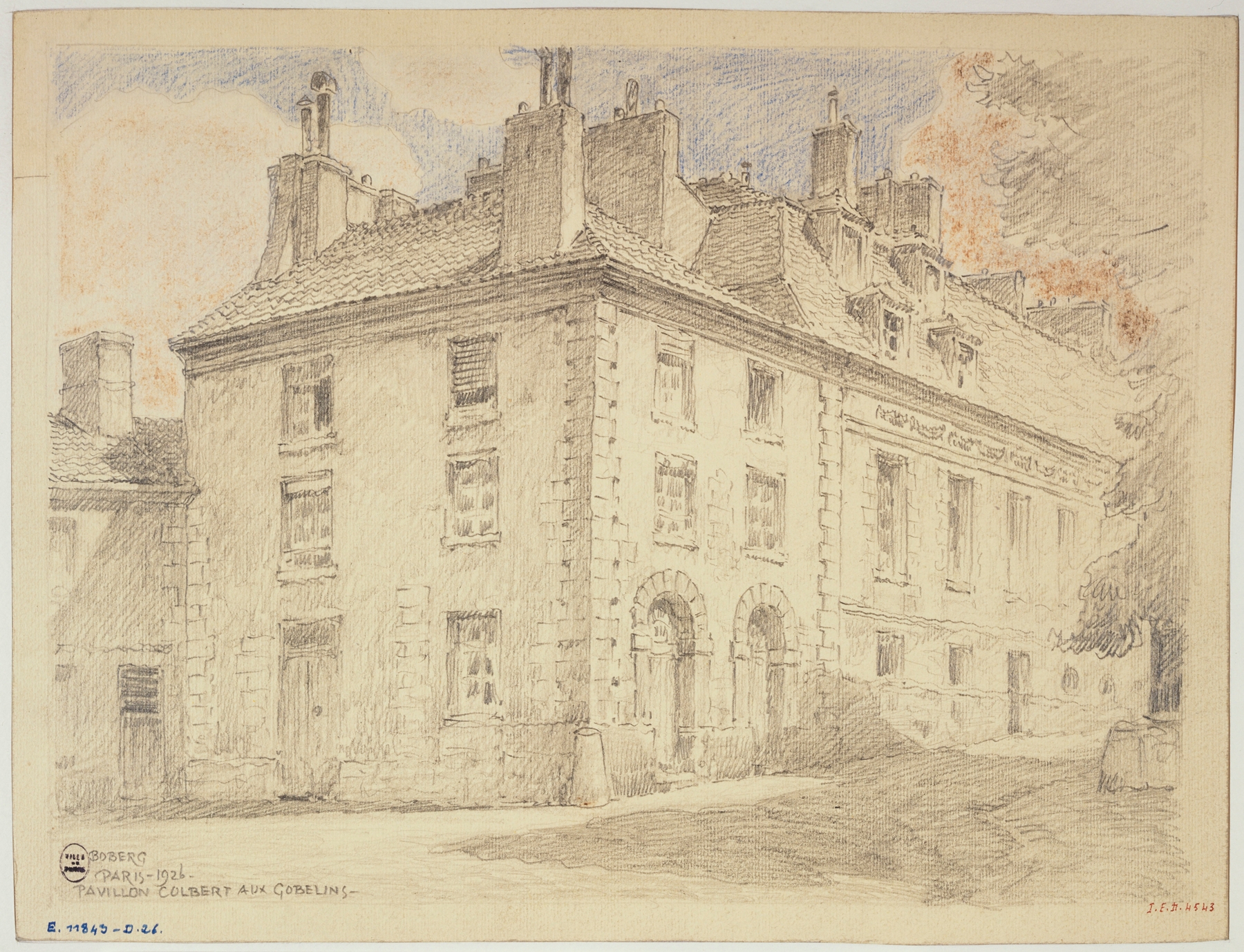
What if beauty was never meant to be finished? This notion hangs delicately in the air, much like the subtle elegance captured in a serene moment of fleeting innocence. Look to the foreground, where the pavilion stands proudly amidst a lush tapestry of greenery. Notice how the soft pastel hues of the building contrast with the vibrant greens of the surrounding gardens. The carefully rendered details of the architecture draw the eye with ornate embellishments, while dappled sunlight filters through the leaves, casting playful shadows that seem to dance upon the ground. The composition exudes harmony, inviting contemplation of both the structure and its natural setting. In this artwork, the juxtaposition of man-made beauty against the organic world prompts reflection on the ephemeral nature of innocence itself. The flawless lines of the pavilion speak to human achievement, yet the encroaching wildness of nature suggests a timeless cycle of growth and decay. Together, they evoke a poignant tension, one that reminds viewers of the fragility of moments that feel complete, yet are inevitably subject to change. In 1926, the artist created this piece during a time when Europe was reflecting on its cultural heritage while integrating modern ideas. Living in Paris, Boberg was influenced by the Art Deco movement, which embraced elegance and sophistication. This period saw a reinvigoration of decorative arts, and *Le pavillon Colbert aux Gobelins* embodies this spirit, capturing both the era's charm and the artist’s keen eye for the beauty of architecture woven into nature.