Fischerboot auf stürmischer See — History & Analysis
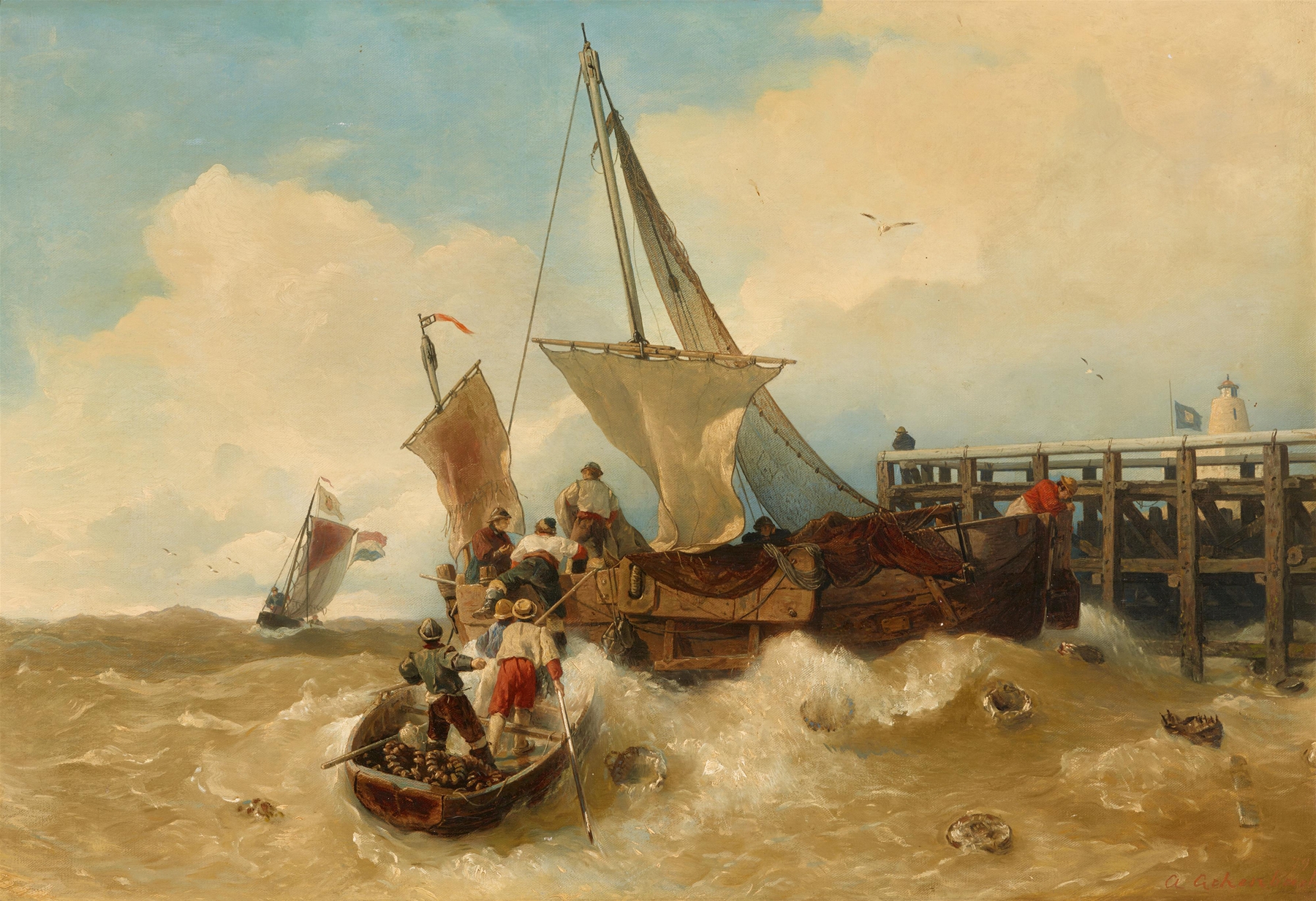
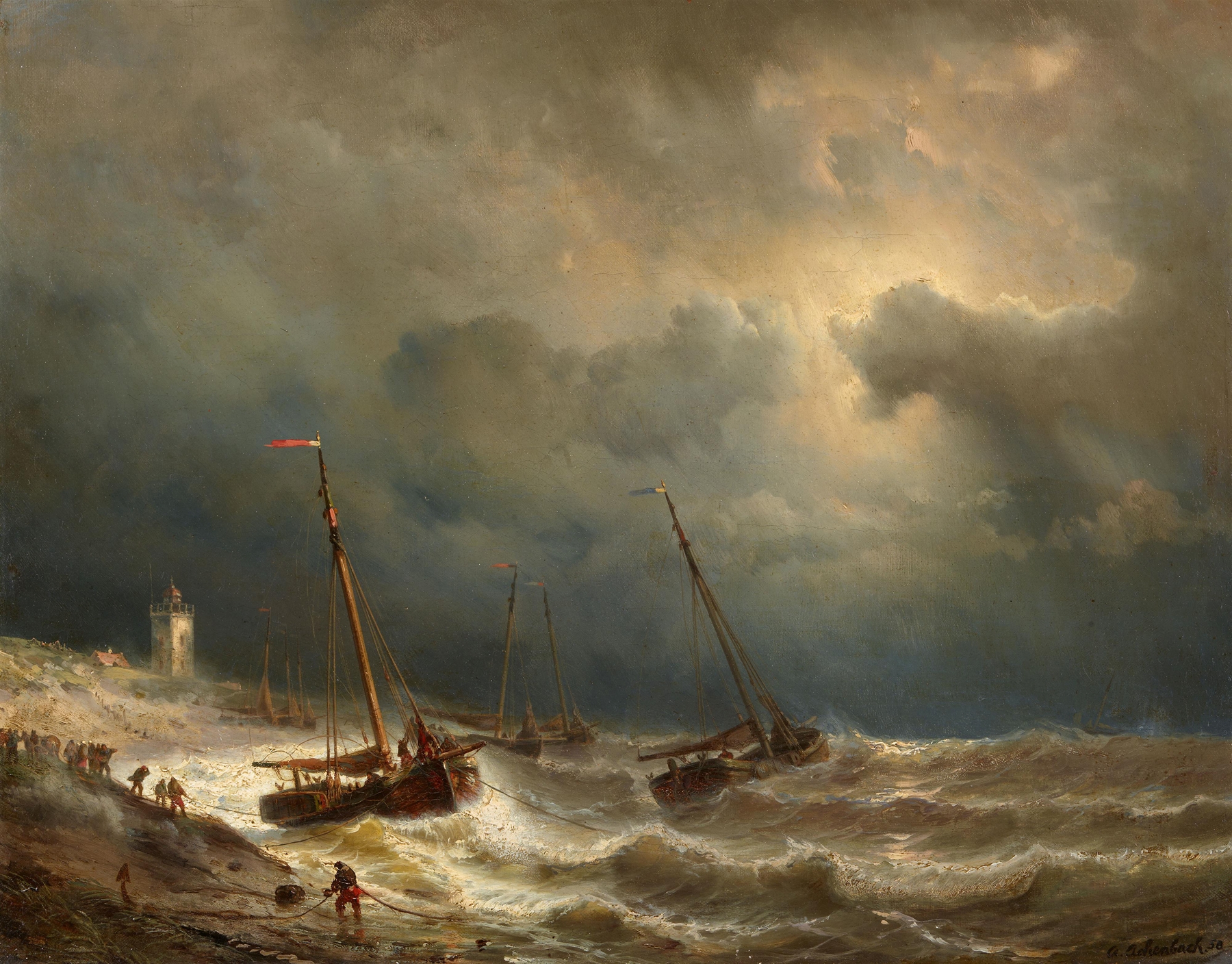
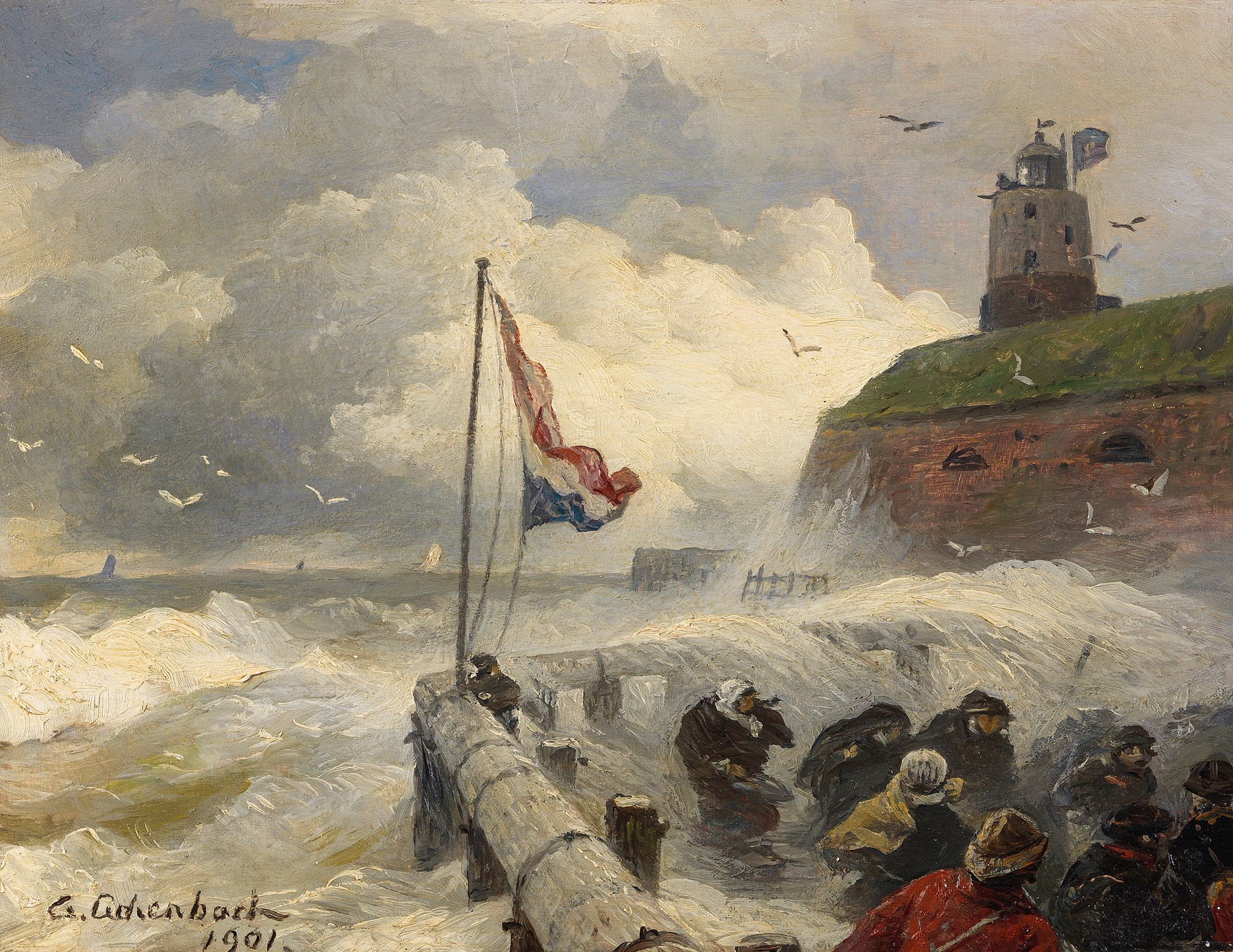
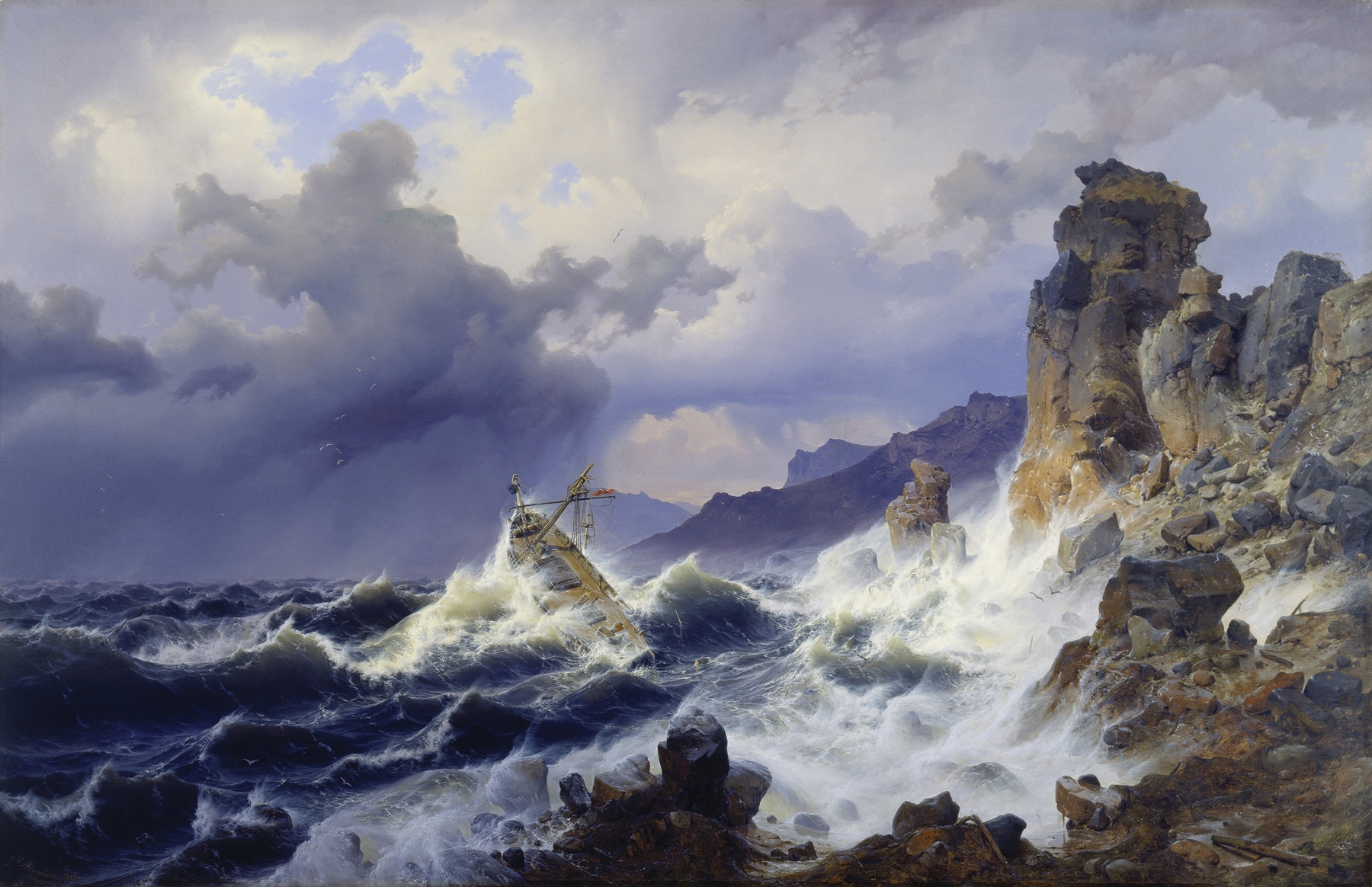
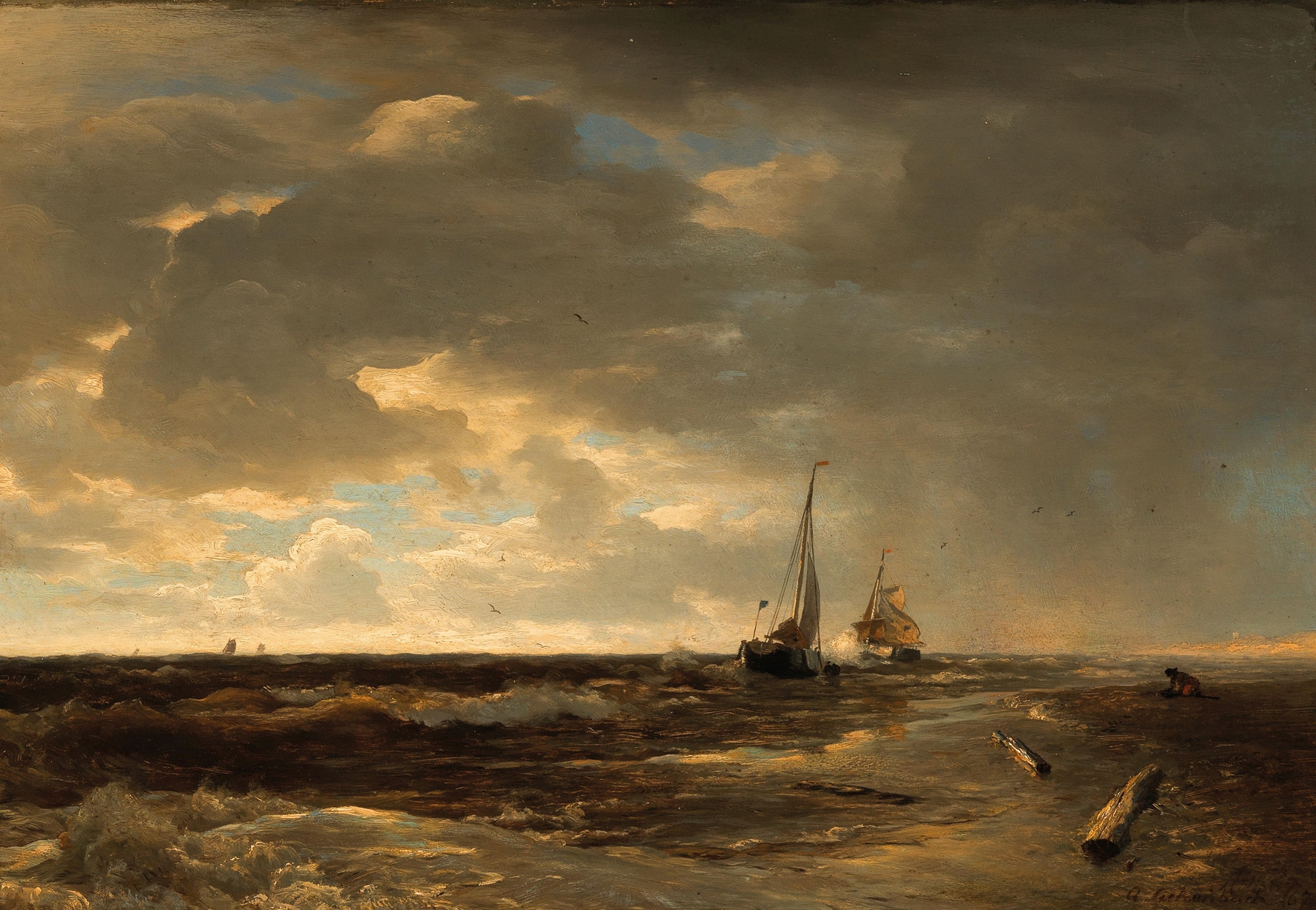
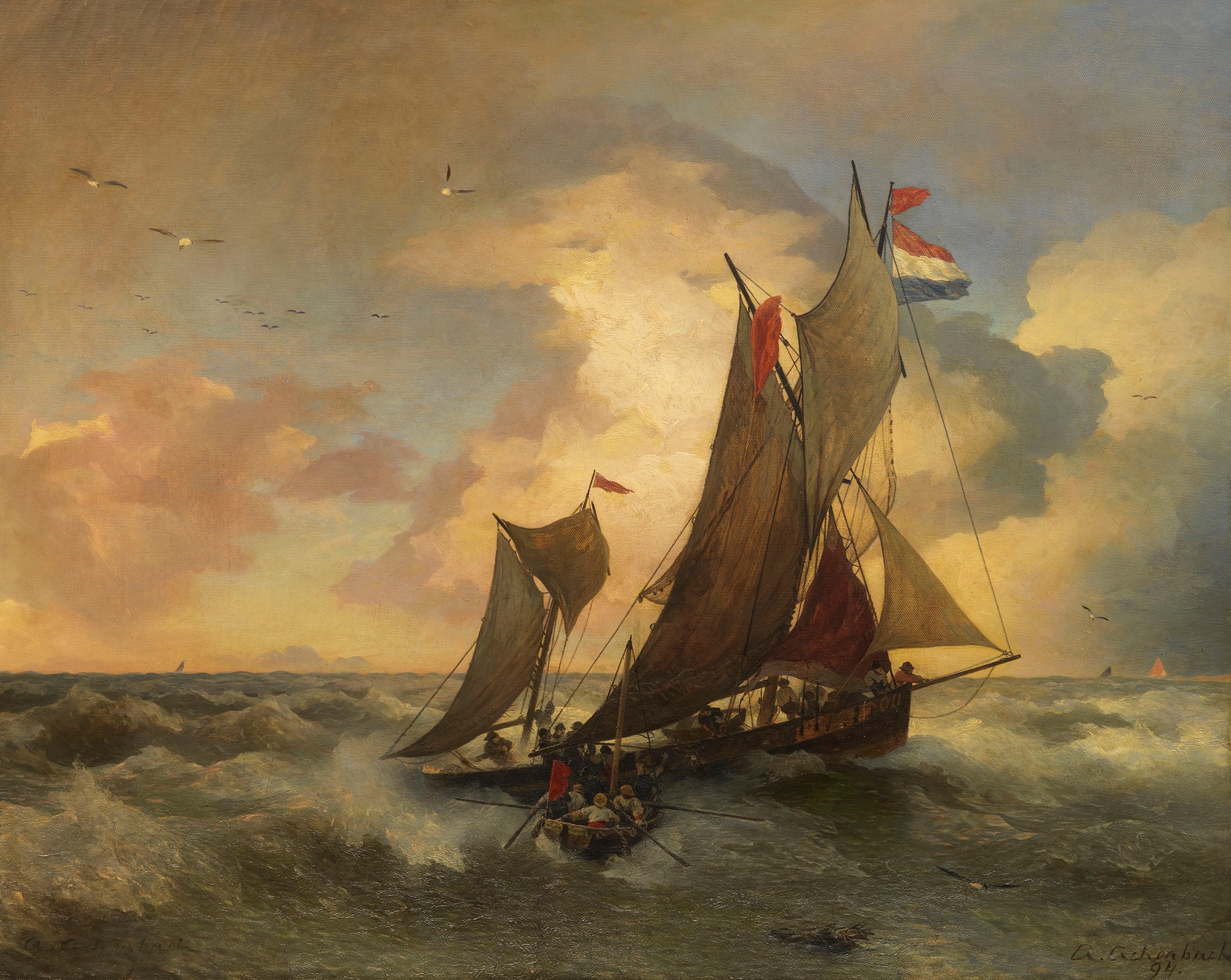
What if silence could speak through light? In Fischerboot auf stürmischer See, the tumultuous waves echo with an unsaid longing, a desire etched into the very fabric of nature's chaos. Look to the center of the canvas, where the small fishing boat fights against the churning sea, its sails taut and straining against the wind. Notice how the stormy sky, painted in tumultuous grays and whites, contrasts sharply with the depth of the dark waters below.
The artist's masterful brushwork captures the wildness of the waves, which appear almost to writhe, while the flicker of light breaking through the clouds casts an ephemeral glow on the boat, drawing the viewer's eye directly to this fragile vessel in a world of turmoil. Amidst the raw power of the storm, one can sense a deeper emotional tension: the struggle between man and nature, and the unyielding desire for survival. The colors used evoke a sense of urgency and danger, yet there is also a poignant beauty in the harmony between the boat and the waves. The unsettled water reflects not just a physical challenge but also an inner turmoil, hinting at humanity's constant quest against the overwhelming forces of the universe.
In 1895, when this piece was created, Andreas Achenbach was a prominent figure in the Düsseldorf school of painting, known for his breathtaking landscapes and seascapes. During this period, he was exploring the dramatic contrasts of light and emotion in nature, responding to the burgeoning Romantic movement that sought to connect human experience with the sublimity of the natural world. The painting embodies this interplay of tension and beauty, capturing a moment of both struggle and awe.