Fishing Village, Brittany — History & Analysis
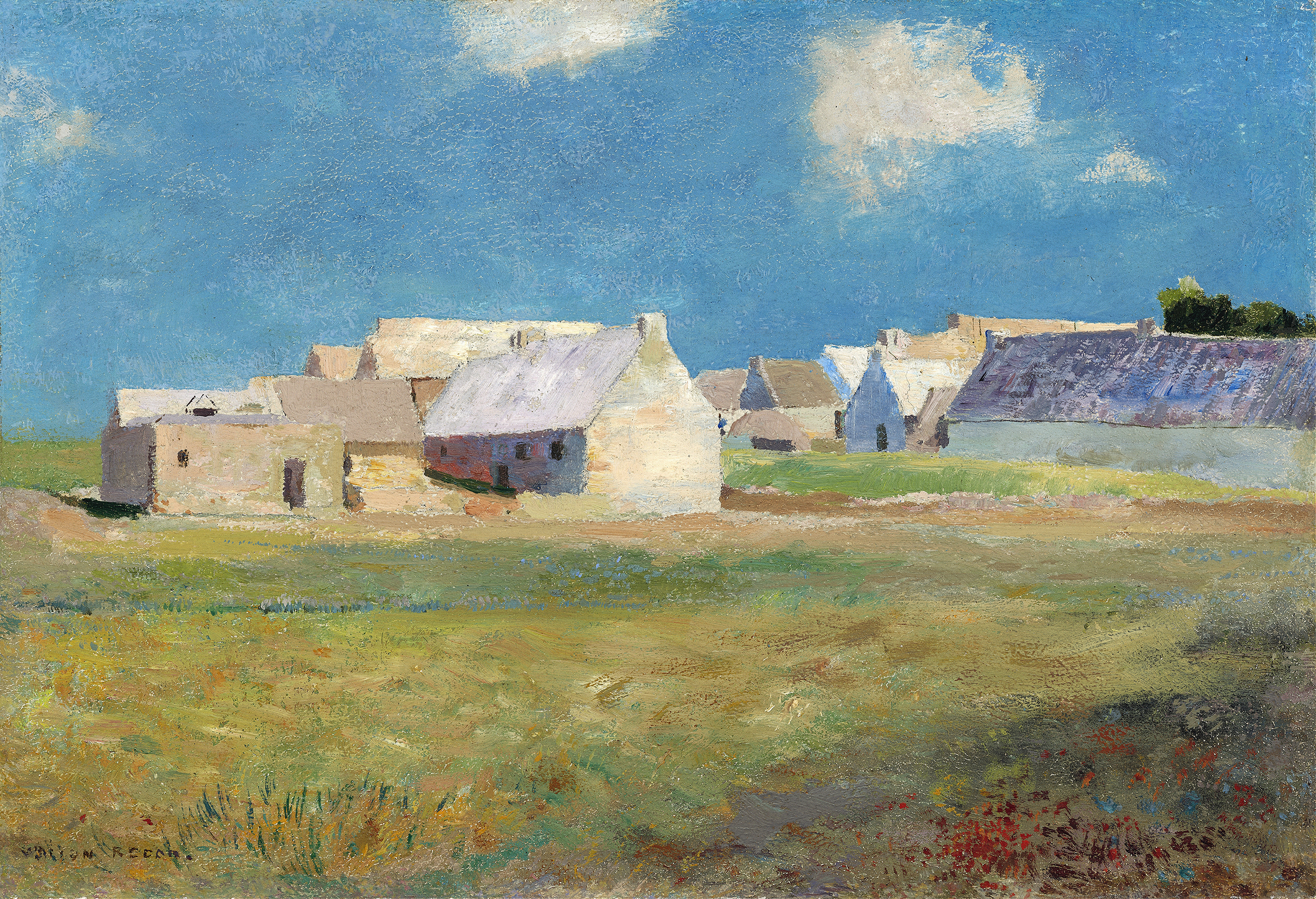
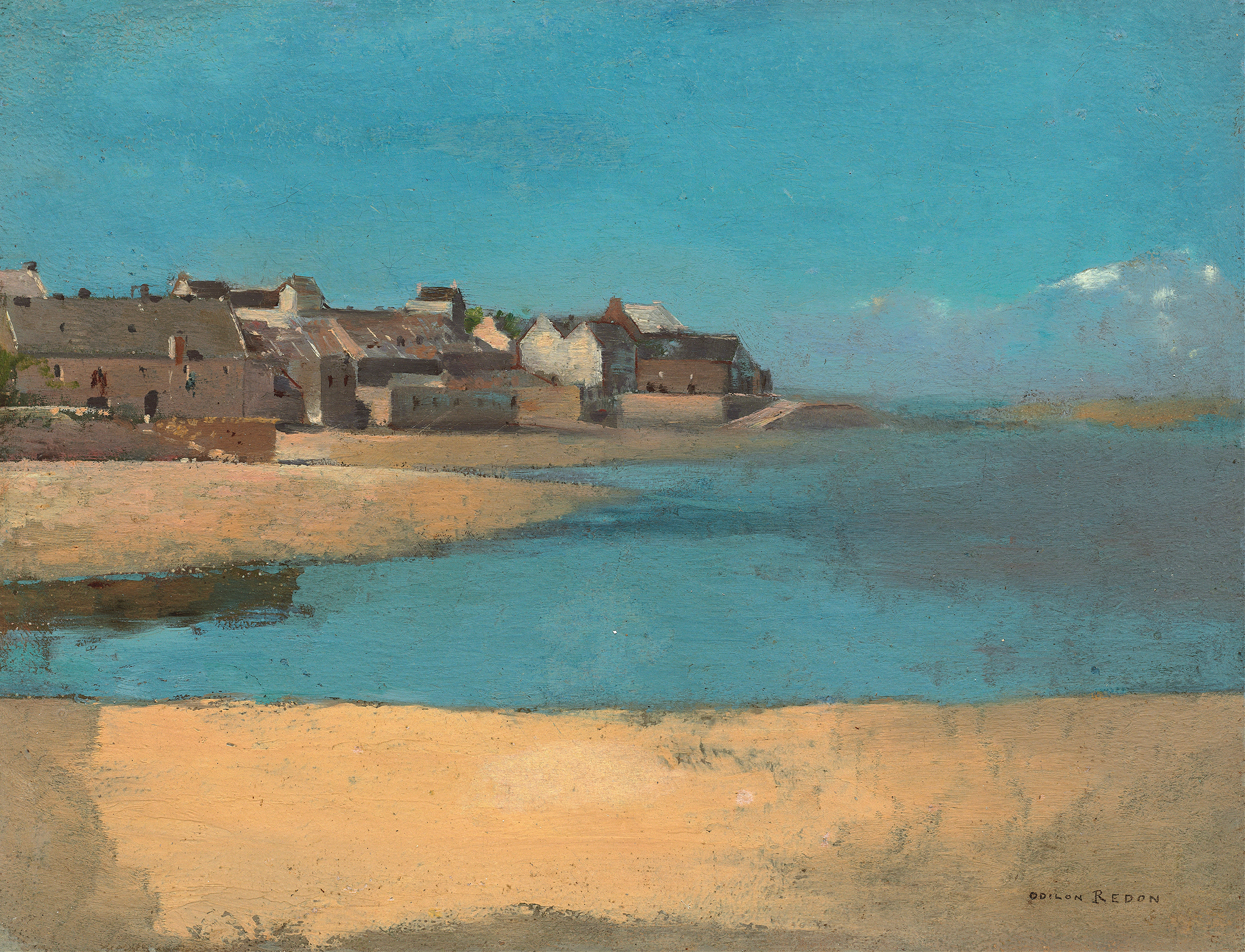
Is this a mirror — or a memory? The ethereal quality of the scene invites contemplation, blurring the lines between what is real and what lingers in the mind like a fleeting thought. Look to the left at the soft, undulating hills, kissed by the golds and greens of a late afternoon sun. The village sits quietly, its buildings each unique yet harmoniously arranged, while reflections in the water shimmer like whispers of the past.
Notice how the delicate brushwork captures both the vibrancy of life and the shadows that stretch across the canvas, creating a calming contrast between light and dark. The interplay of shadow reveals deeper layers of nostalgia and tranquility. Here, the fishermen seem to be caught between their toil and the fading light, evoking a poignant sense of time’s passage. The muted colors enhance the emotional depth, as if the scene itself breathes a sigh of remembrance.
In this landscape, the ordinary becomes a vessel for introspection, inviting viewers to reflect on their own connections to place and memory. In 1883, Redon was living in Paris, immersed in the Symbolist movement, which aimed to transcend realism through mystical and dreamlike imagery. This period was marked by artistic experimentation and personal exploration, as the artist sought to convey emotions and ideas beyond mere representation. Fishing Village, Brittany encapsulates this ethos, channeling both the physical landscape and an internal, emotional geography, reflecting not just his surroundings but also his innermost thoughts.