The Death of Orpheus — History & Analysis
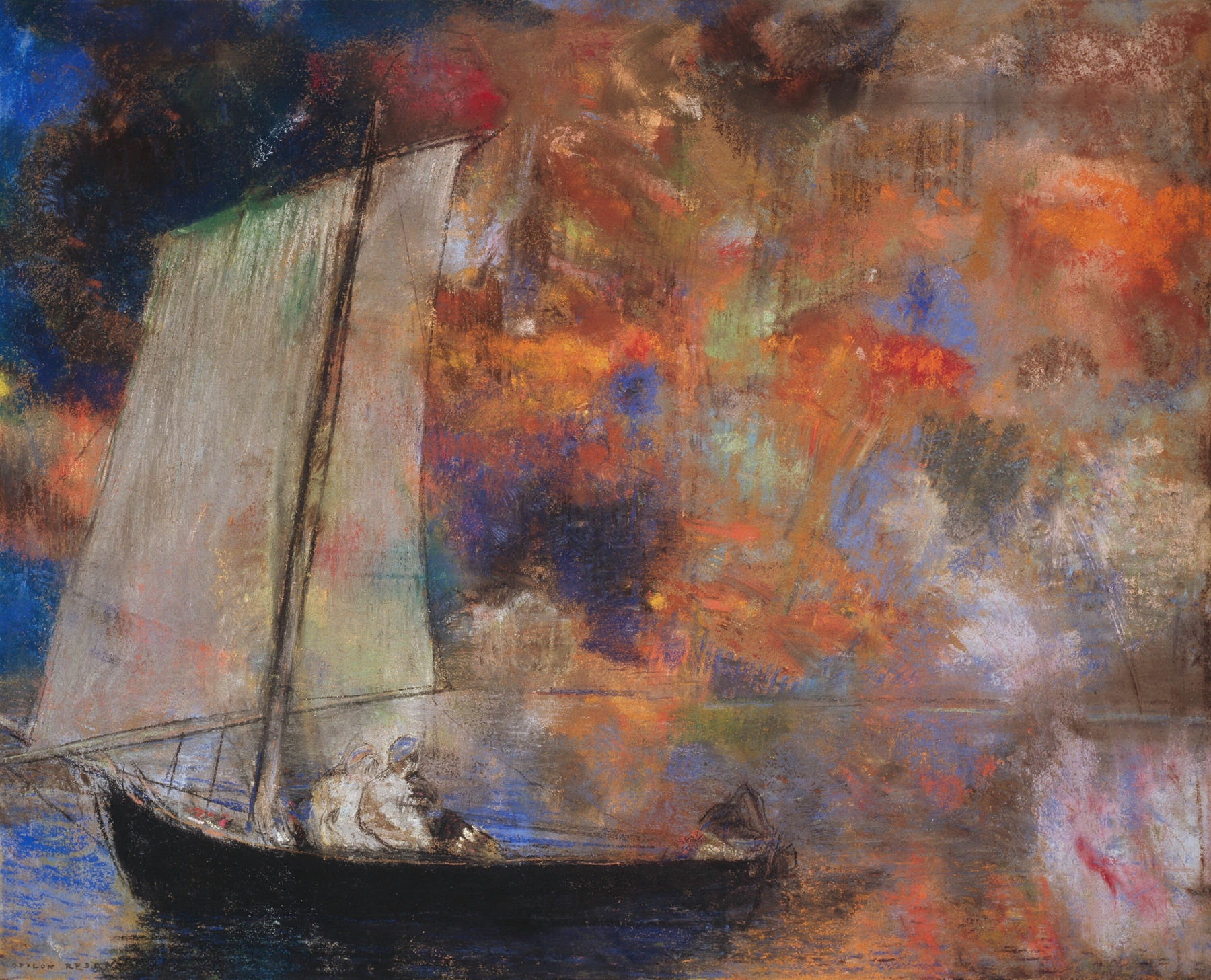
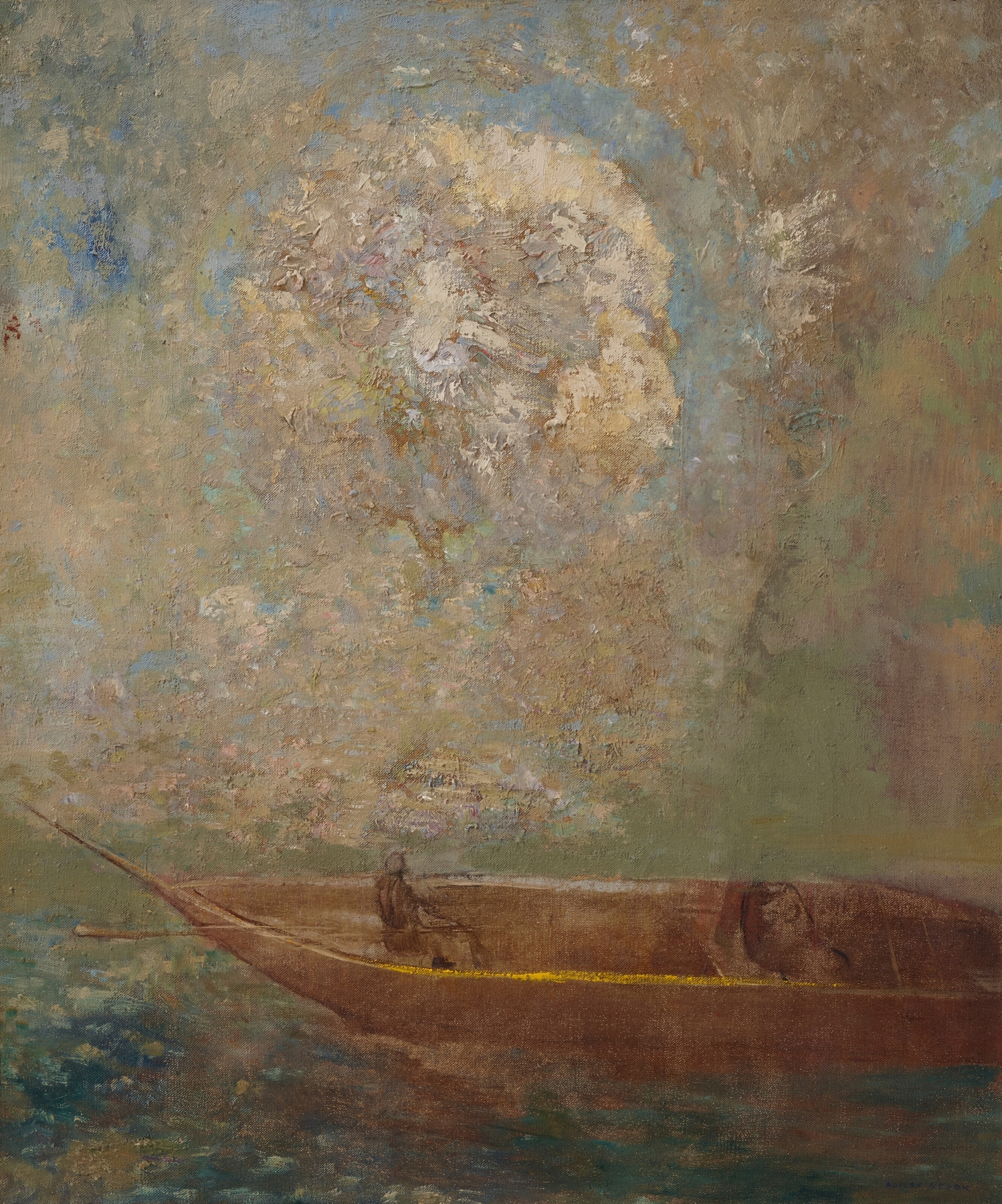
In the twilight of a dream, Orpheus lies lifeless amidst a surreal landscape. His lyre, once a beacon of melody, now rests in silence, surrounded by ethereal figures cloaked in shadows. The air is thick with an unsettling stillness, where the soft hues of the fading day meld with the starkness of impending loss, igniting a profound tension between life and death. Look to the left at the delicate tendrils of bright white flowers, their eerie luminescence juxtaposed against the darkened figures lurking in the background.
Each brushstroke captures the haunting beauty of grief, as swirling lines create a rhythm that echoes the haunting notes of Orpheus’s music. Notice how the muted colors reflect a melancholic atmosphere, the vibrant blues and greens melding into the somber yellow and black, guiding your eye towards the heart of sorrow. The flowers symbolize the fragility of beauty and the inevitable transience of life. While the figures encircle Orpheus, they evoke feelings of isolation and despair, amplifying the sense of loss.
The contrast between the vibrant elements of nature and the dark surroundings reveals the duality of existence; life continues to flourish even as death takes center stage, suggesting a revelation about the inescapable cycle of creation and destruction. In 1904, Odilon Redon crafted this poignant scene during a period of introspection and innovation in the art world, where he sought to explore the emotional and psychological depths of human experience. Living in France, he was increasingly drawn to symbolism and the metaphysical, searching for ways to express his innermost thoughts and feelings through visual narratives that transcended reality.