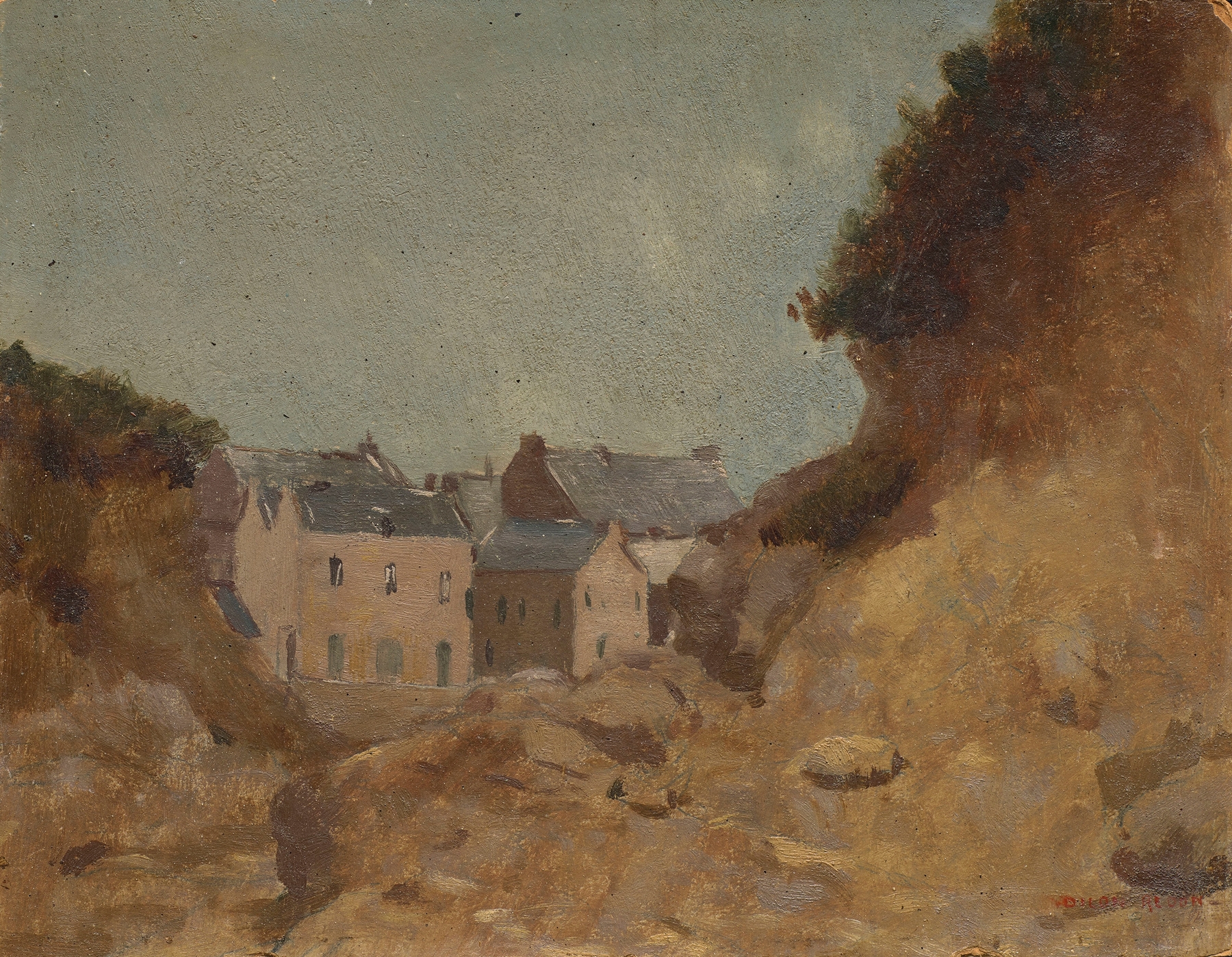
Still Life with Flowers — History & Analysis
What secret hides in the quiet of the canvas? In the world of still life, every petal and shadow whispers truths waiting to be unveiled. Look to the center of the composition, where a splendid bouquet bursts with color—vivid reds, gentle yellows, and deep violets. The interplay of light caresses the soft petals, revealing their delicate textures while casting a gentle glow upon a shadowy background.
Notice how the vibrant hues coalesce in a dance of warmth, yet the muted backdrop creates an atmosphere of introspection, inviting the viewer to pause and reflect. Beneath the surface beauty, echoes of duality linger: life and decay, vibrancy and isolation. The contrasting elements stir emotions, suggesting the fleeting nature of existence—flowers that bloom with glory yet are destined to wilt. In these small, intricate details, one can sense the artist’s contemplation on the transient beauty of life, an invitation to explore the balance between joy and melancholy.
In 1905, Redon was deeply entrenched in exploring symbolism and color theory, living in Paris among the post-impressionists who were reshaping the art world. This period marked a transition in his work, as he sought to convey the inner truths of human experience through dynamic visual language. The still life genre allowed him to juxtapose beauty with the underlying themes of existence, art, and emotion, weaving a narrative that resonates beyond the canvas.