La barque aux âmes inanimées — History & Analysis
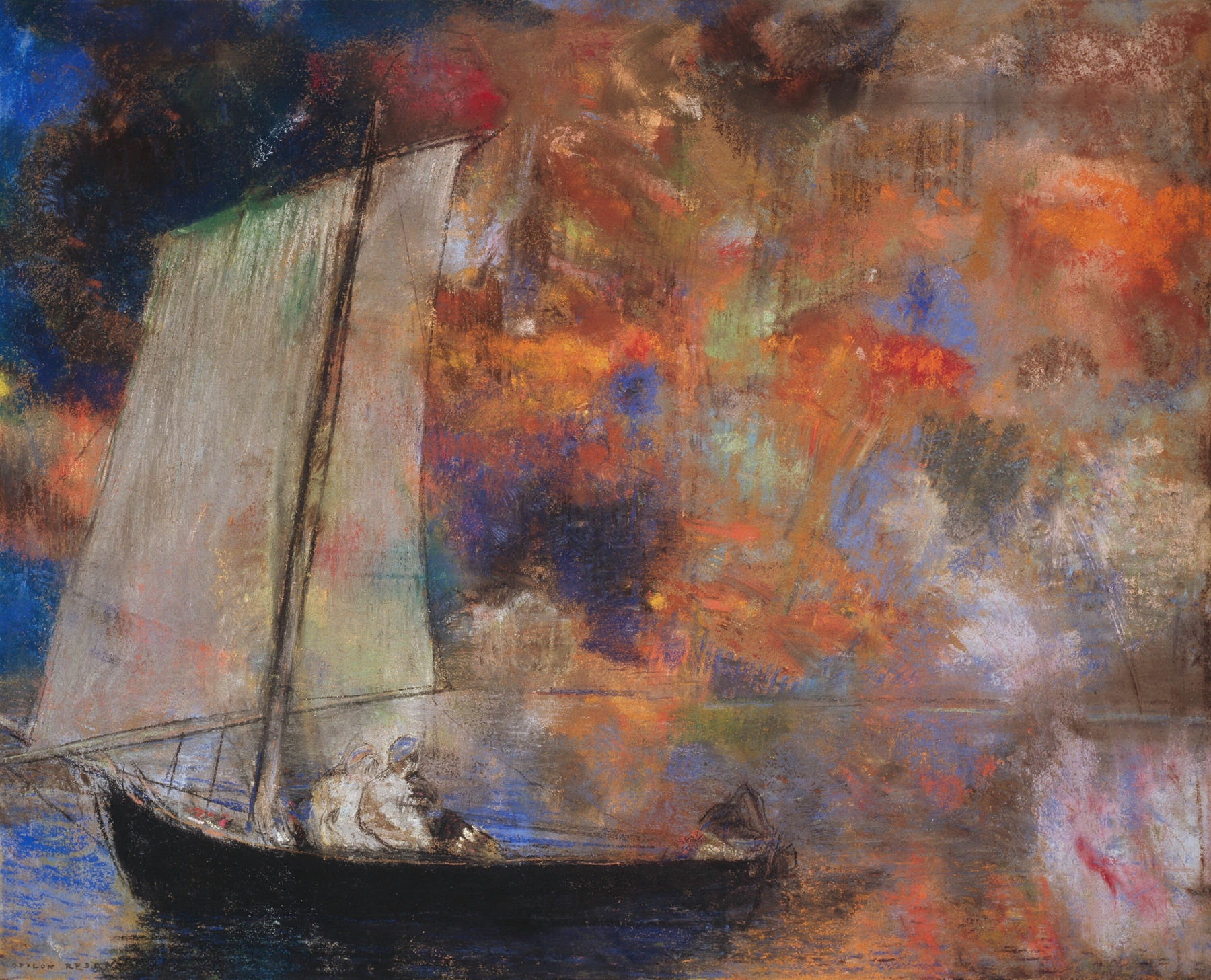
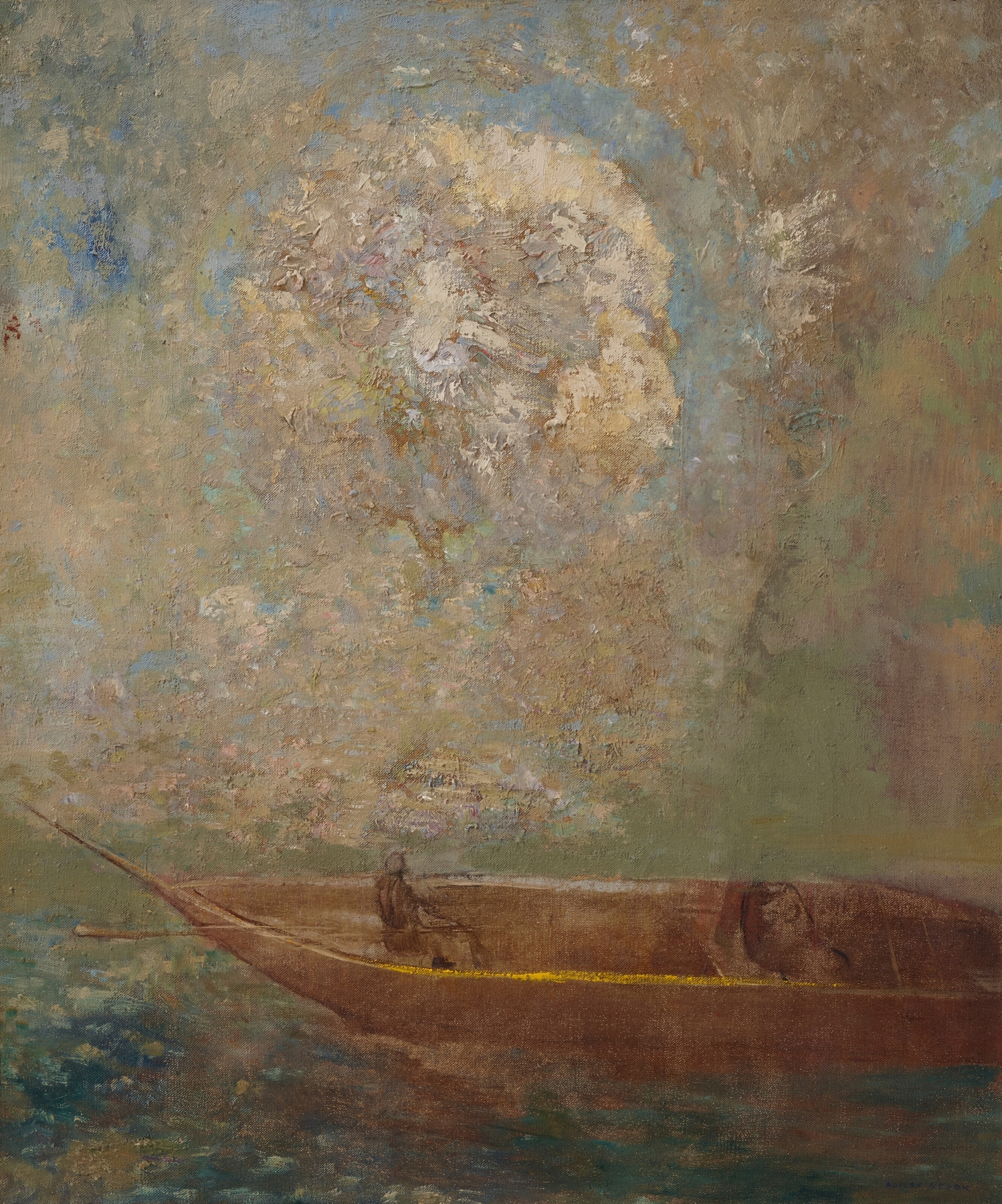
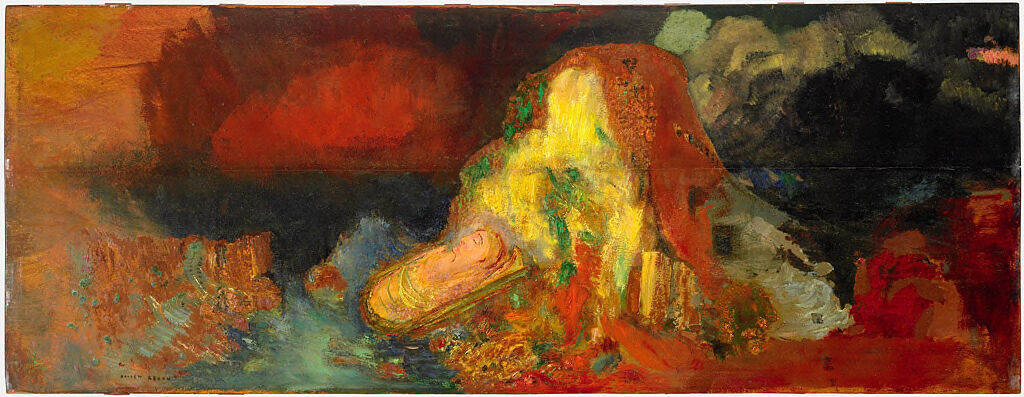
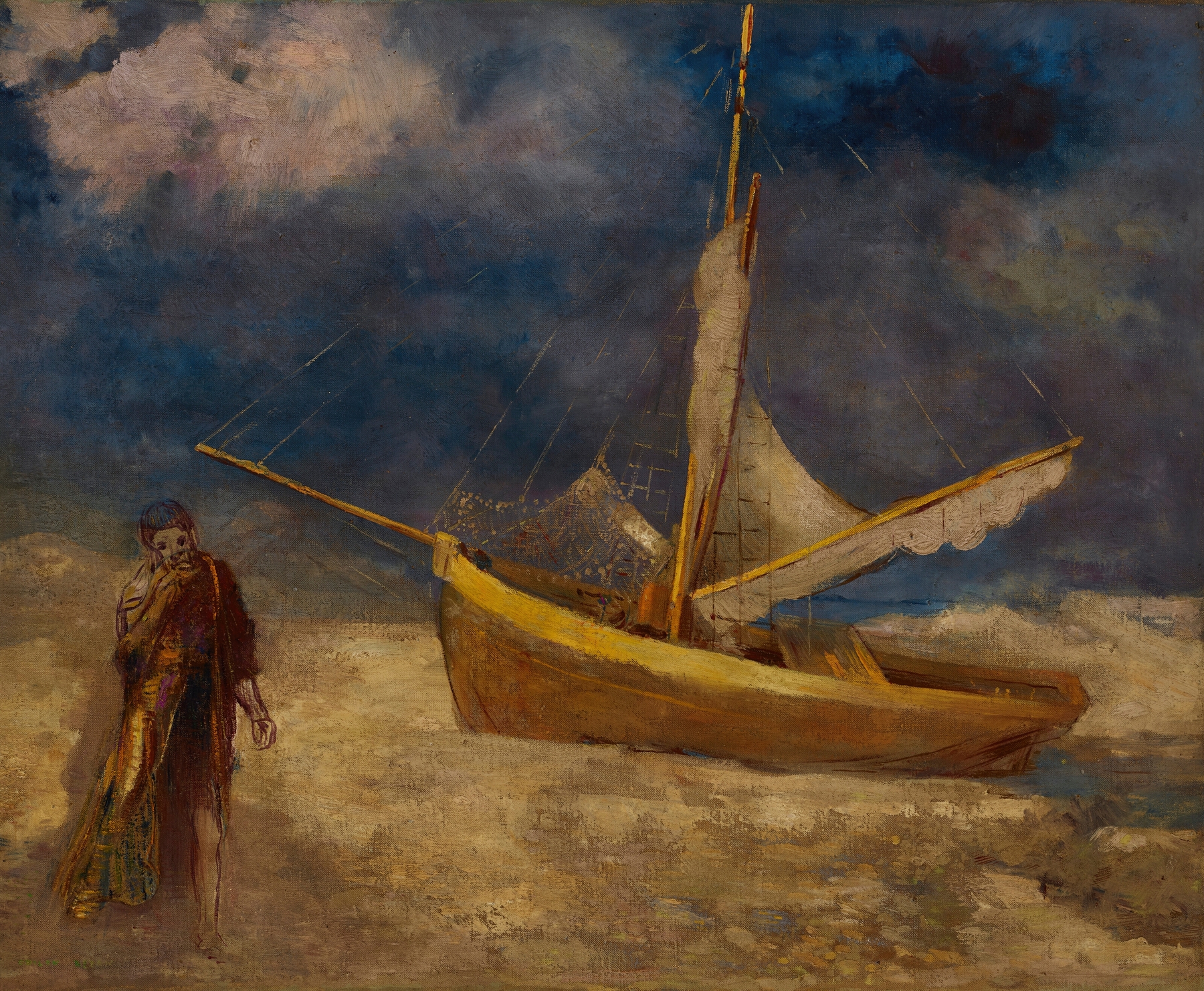
“To paint is to remember what time wants us to forget.” In La barque aux âmes inanimées, the echoes of forgotten fears reverberate through shadowed forms, weaving a tapestry of unspoken dread and profound mystery. Look closely at the central figure, a spectral boat that drifts silently upon an abyss of dark hues. The muted palette, dominated by deep blues and swirling blacks, pulls you into its depths, while ethereal figures emerge from the shadows, their expressions haunting yet vacant. Notice how the subtle play of light enhances the ghostly quality of the scene, illuminating the edges of the boat as if it hovers somewhere between reality and the realm of the lost.
In the surrounding darkness, contrasts arise between the tangible and the ethereal, evoking a sense of unease. Each figure, seemingly trapped in the boat, represents a fragment of the human experience, embodying a fear of isolation and the unknown. The juxtaposition of the serene boat and the chaos of the dark background creates an emotional tension that grips the viewer, inviting reflection on the nature of existence and the anxiety of what lies beyond.
During the late 19th century, a period marked by artistic upheaval, Redon explored themes of the subconscious and the fantastical. Working in Paris, he was deeply influenced by Symbolism and focused on translating intangible emotions into visual form. His creation of La barque aux âmes inanimées reflects a poignant moment in his life when he sought to navigate the treacherous waters of human fear and memory through his art.