Flußufer — History & Analysis
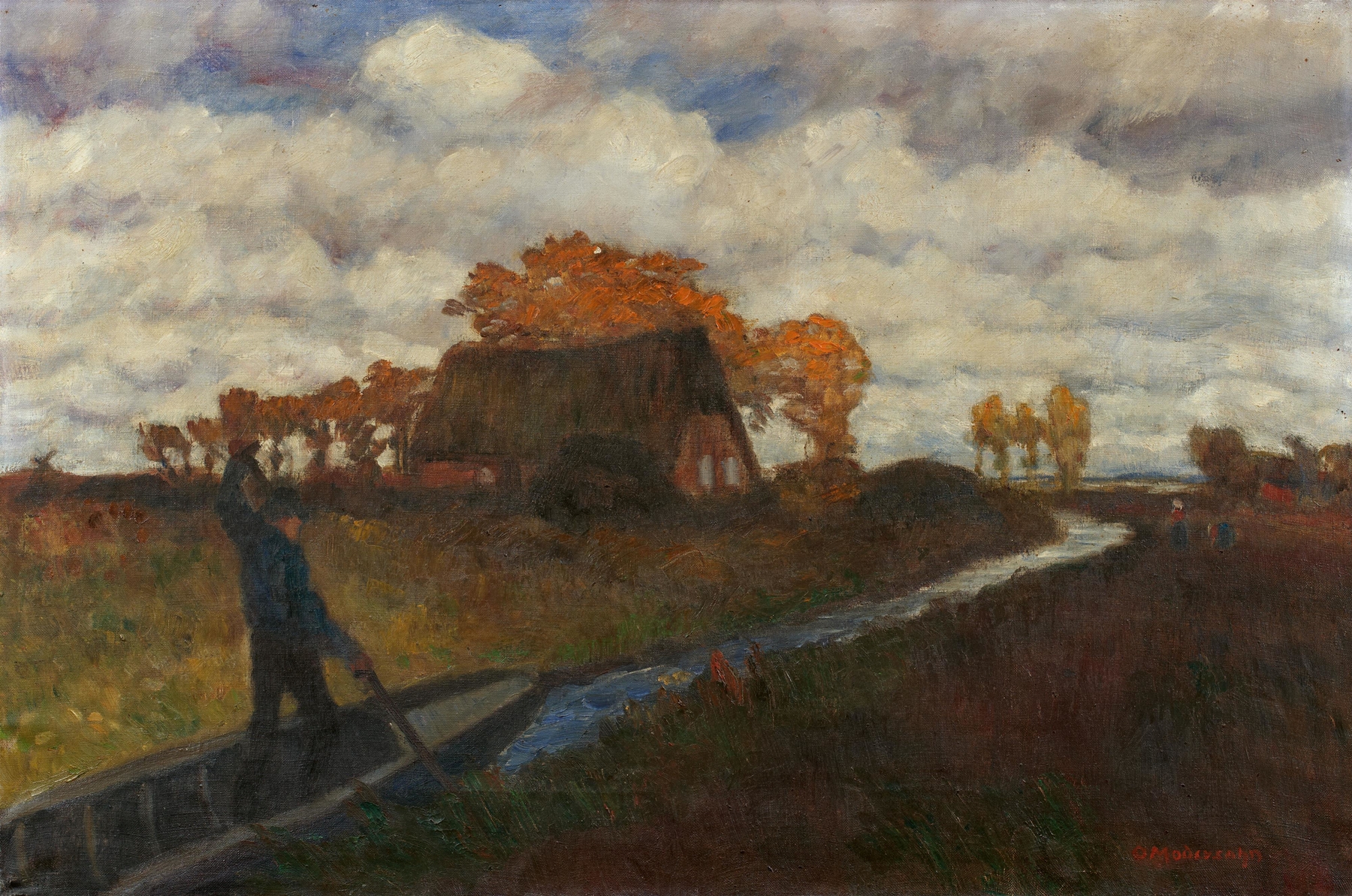
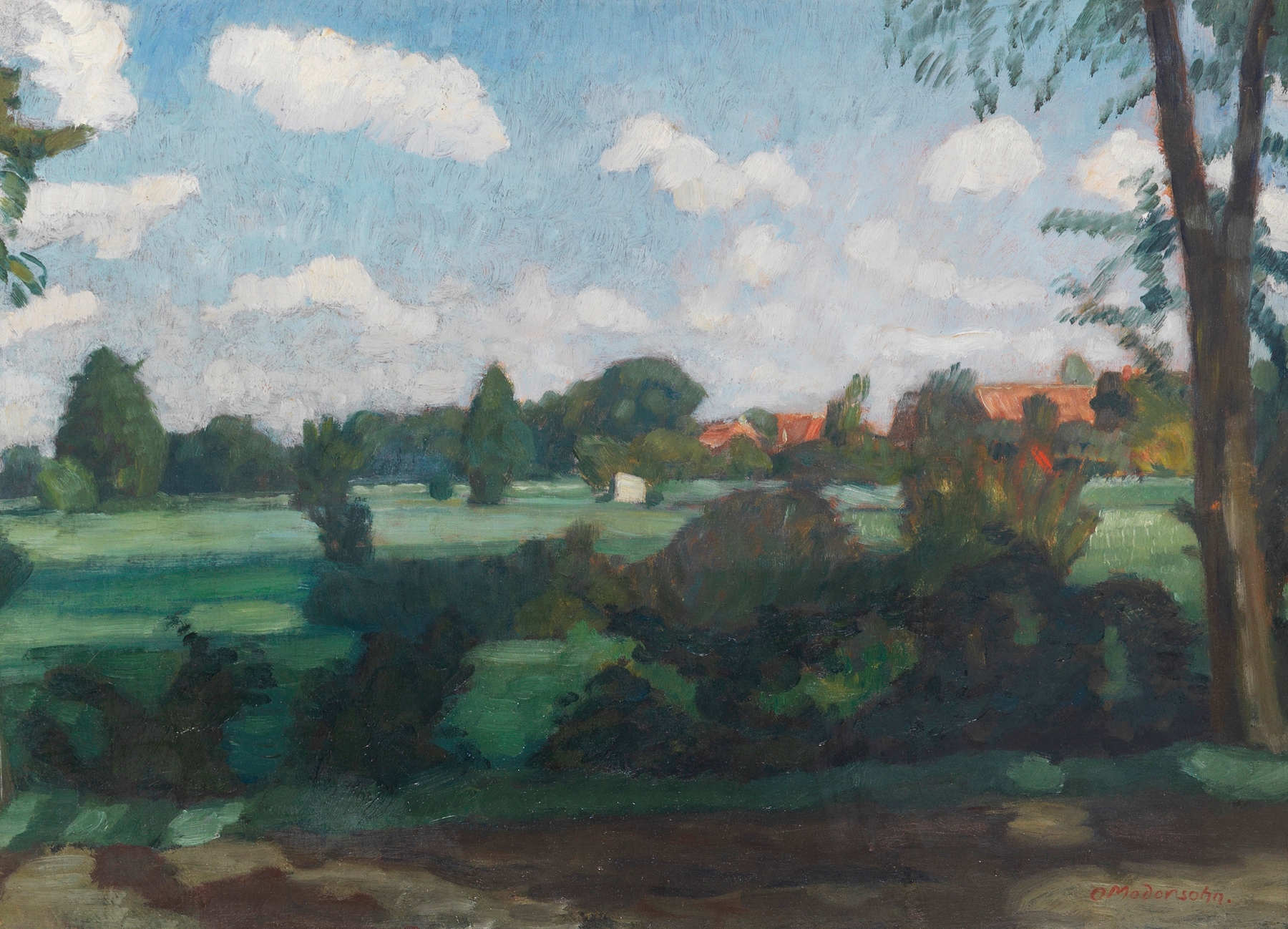
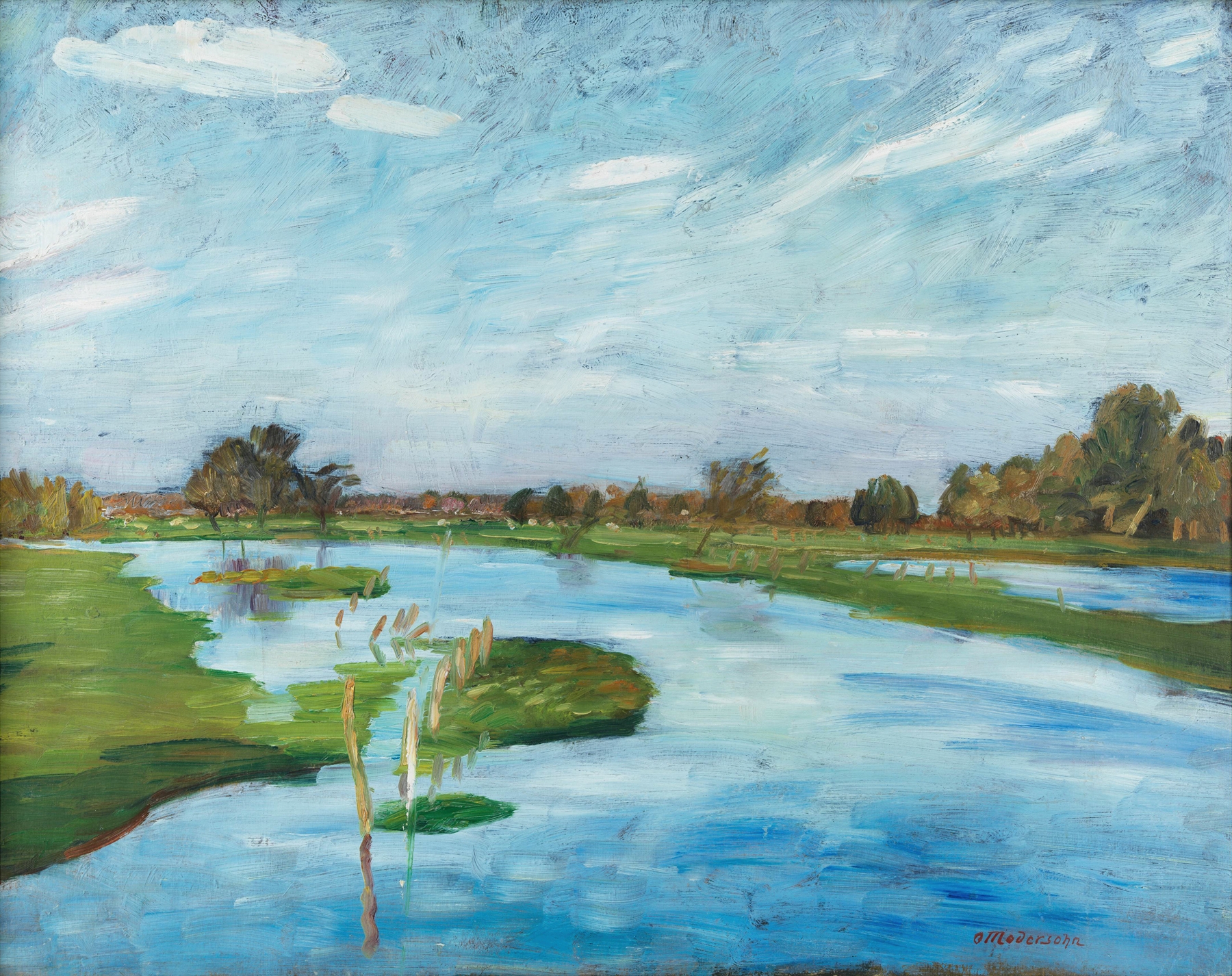
Did the painter know this moment would outlive them? In Flußufer, the essence of stillness resonates like a quiet echo, inviting viewers to confront the inherent emptiness dwelling within beauty. Look to the left at the gently flowing river, painted with soft, muted tones of blue and green. The water seems to embrace the shoreline, while patches of sunlight dance across the surface, beckoning the eye to explore further.
Notice the subtle interplay of light and shadow on the sandy bank, where the artist expertly captures a fleeting moment suspended in time. The trees, with their somewhat somber hues, frame the composition, guiding the viewer’s gaze toward the horizon where earth meets sky. The emptiness in this work speaks volumes, contrasting the vibrant life reflected in nature with the profound solitude of the human experience. The unoccupied banks suggest a silence, a pause for reflection, evoking feelings of longing and contemplation.
Each brushstroke conveys an emotional depth that resonates with the viewer, hinting at a universal search for connection amidst nature's tranquility. In 1909, Otto Modersohn created Flußufer while living in Worpswede, Germany, a community known for its artists who sought to capture the essence of the landscape. This period marked a significant development in his artistic approach, as he began exploring the emotional resonance of nature. The early twentieth century was characterized by a growing interest in Impressionism, and Modersohn's work reflects both the influence of his contemporaries and his evolving personal vision.