Zillenbachbrücke (Weg nach Gailenberg oberhalb von Hindelang im Allgäu) — History & Analysis
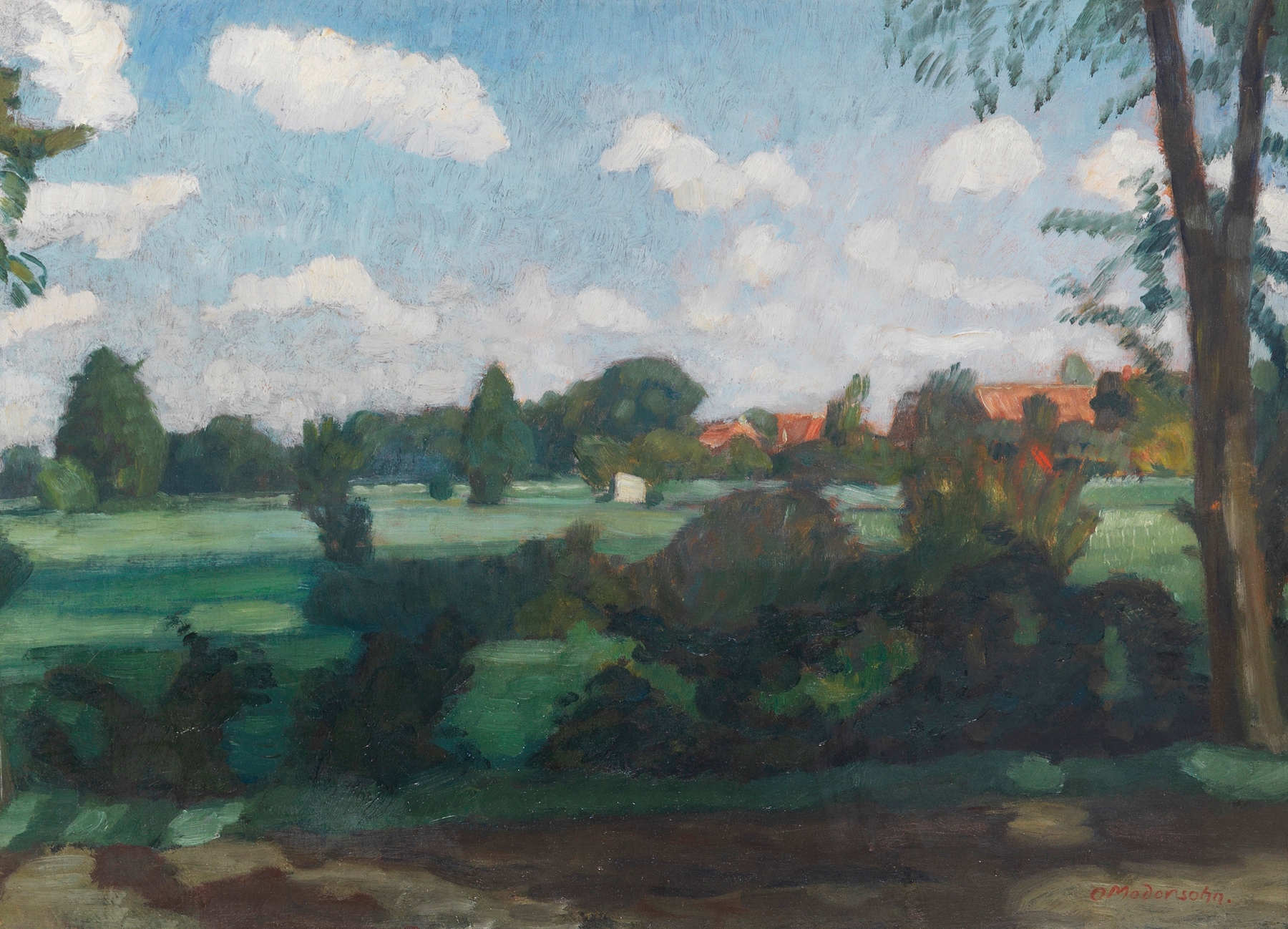
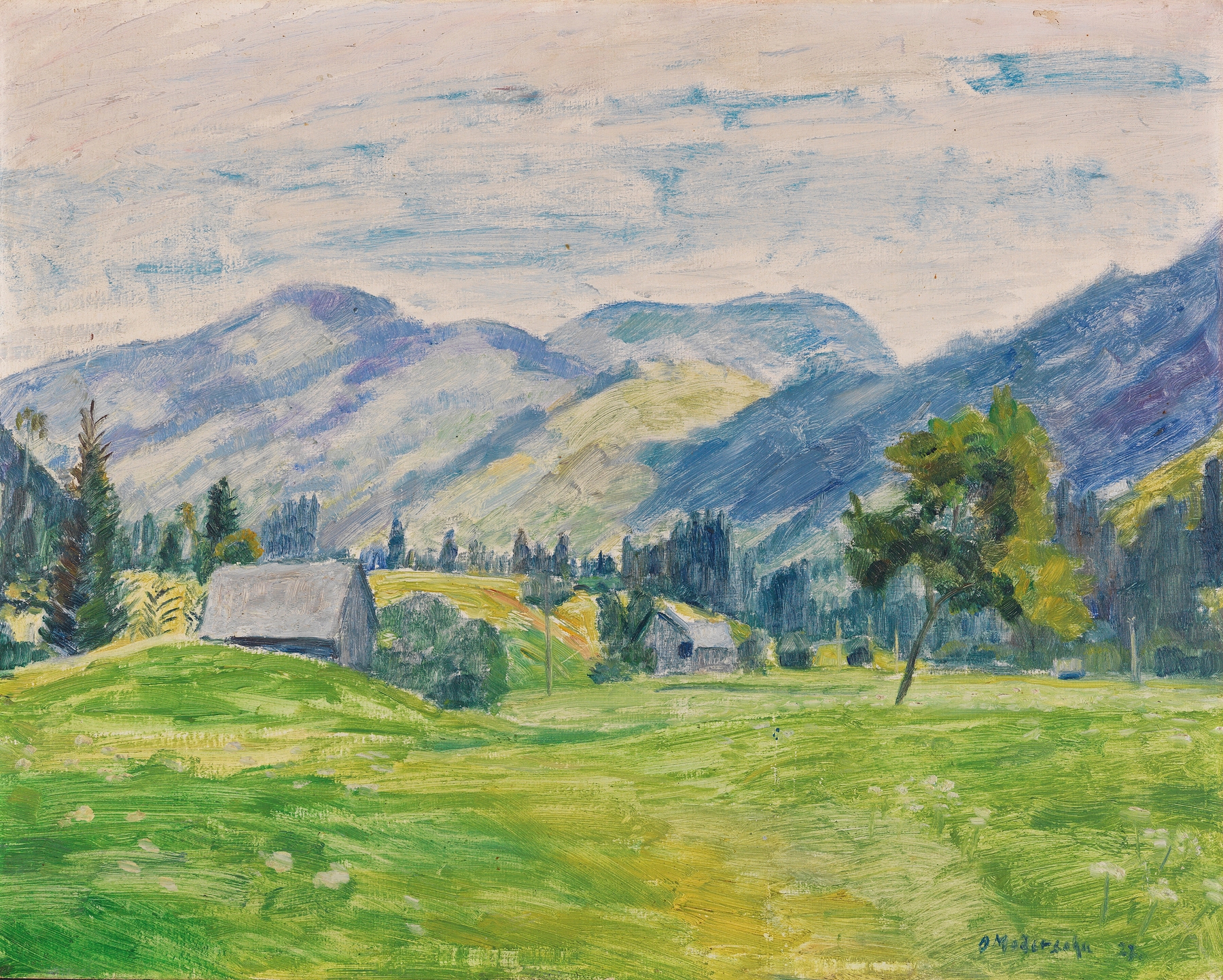
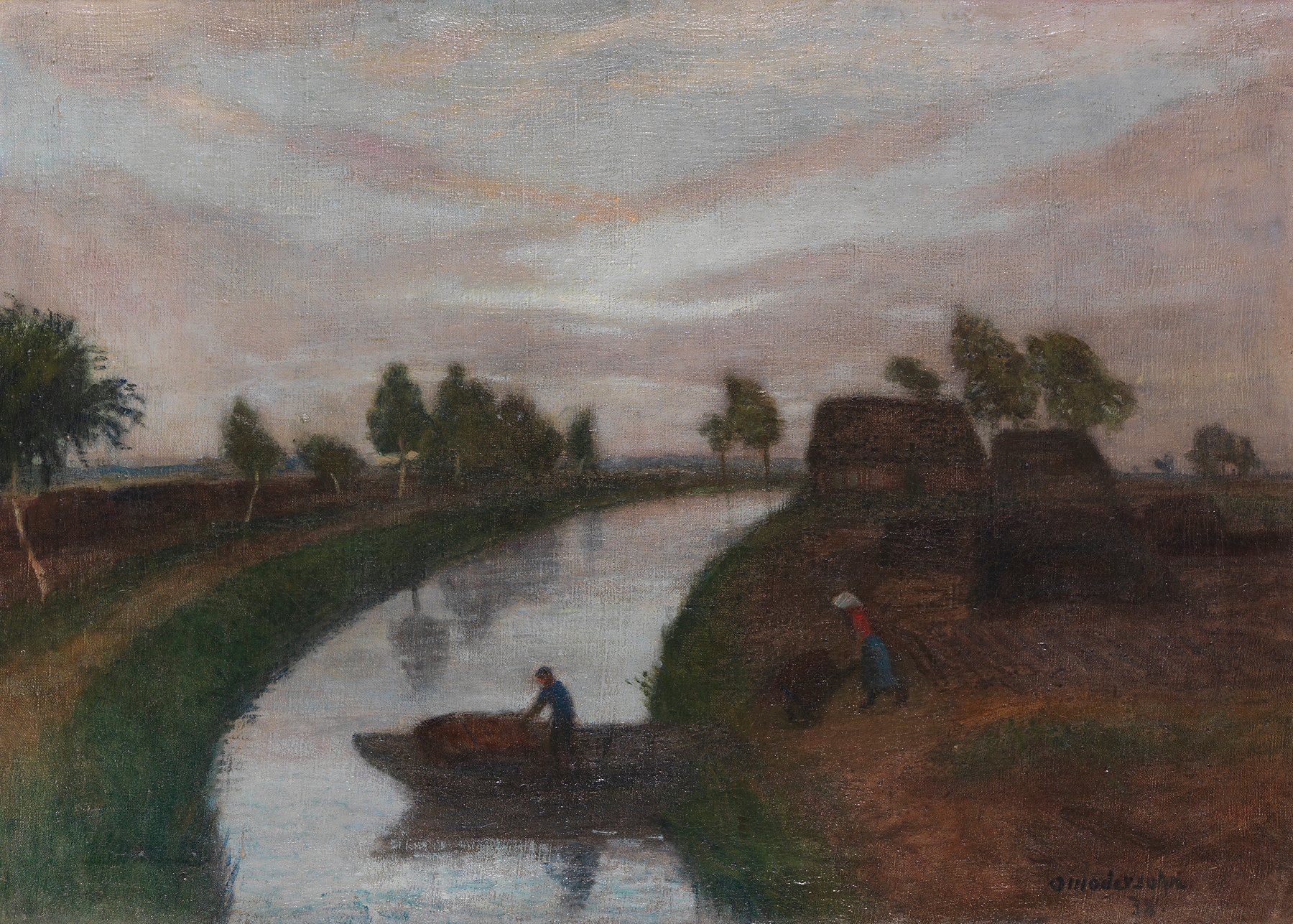
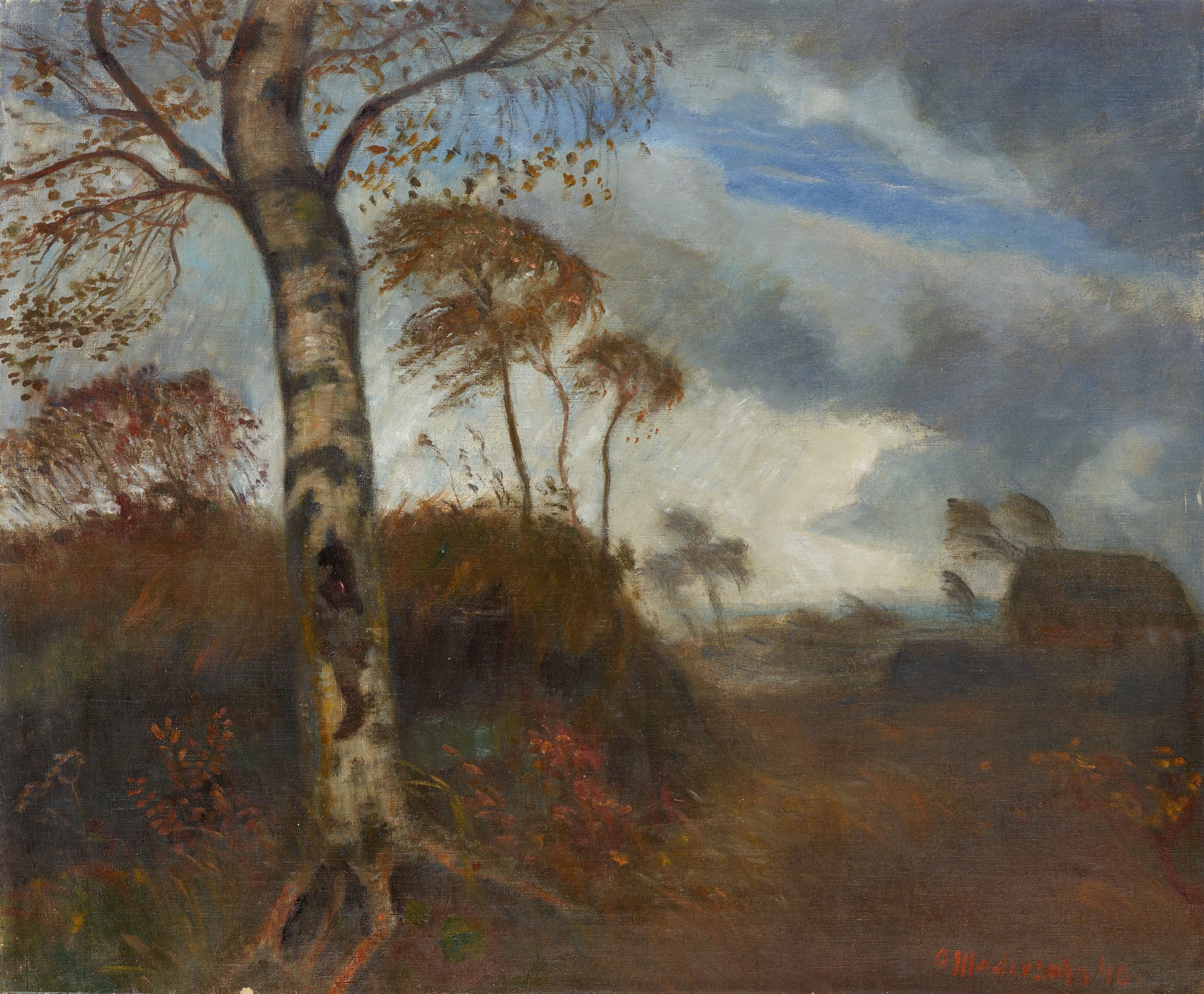
What secret hides in the quiet of the canvas? In the stillness of Zillenbachbrücke, a yearning whispers through the landscape, inviting exploration and contemplation. Look to the foreground, where the rustic bridge arches gently over a meandering stream, its earthy tones contrasting with the lush greens that surround it. Notice how the light filters through the trees, dappling the ground with soft shadows that breathe life into the scene.
The artist’s delicate brushwork creates a sense of movement in the leaves, while textured strokes evoke the cool, flowing water beneath the bridge, leading the eye effortlessly through the composition. As you delve deeper, observe the harmony between the natural elements and the structure of the bridge, which stands as a bridge between worlds—between the serene landscape and the uncharted trails beyond. This juxtaposition speaks to an emotional tension; the longing for connection, adventure, and the unknown.
The cool palette recalls the peace of dawn, yet hints at a deeper yearning for exploration and discovery that lies just beyond the horizon. In 1931, Otto Modersohn was immersed in the idyllic beauty of the Allgäu region of Germany, a place where he found solace after personal loss. This period was marked by an exploration of nature’s quietude in his art, as he sought to convey profound emotions within serene landscapes, resonating with both the viewer’s sense of longing and the broader tensions of a changing world post-World War I.